Independently Owned, Locally Grown, Community Loved
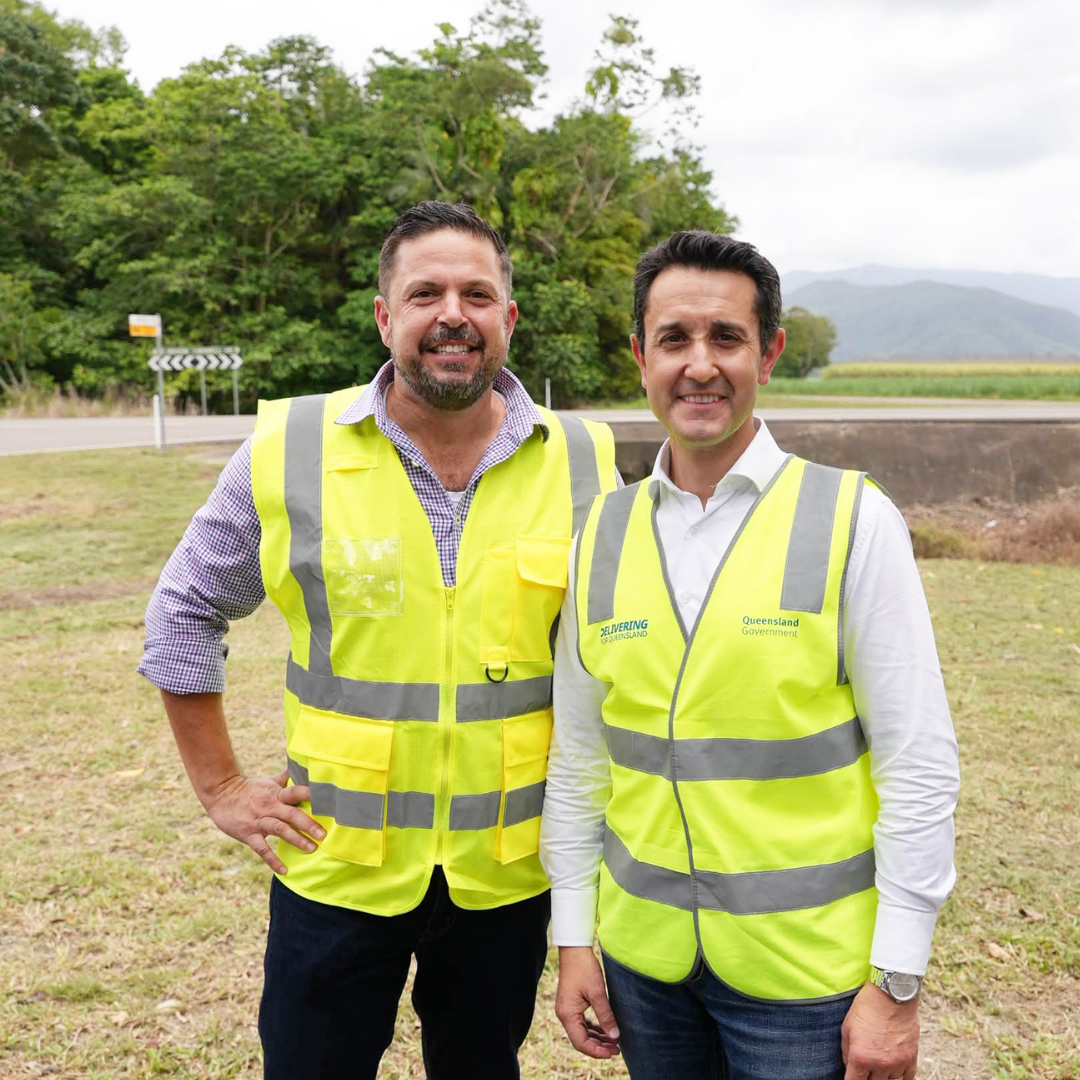


Queensland cattle farmers can now apply for help to rebuild their herds. Photo sourced: Pexel
Embryo transfer procedures to reinstate genetically valuable breeding stock are now eligible for reimbursement under Primary Producer Recovery Grants.
The grants are being delivered under the joint Commonwealth-state Disaster Recovery Funding Arrangements (DRFA) to support primary producers who have been impacted by the devastating Queensland Monsoon Trough, Cyclone Koji and Severe Weather which commenced in December 2025.
The eligibility for embryo transfer procedures has been retrospectively applied to disaster events including and after North and Far North Tropical Low 29th Jan – 28th Feb 2025 where Primary Producer Recovery Grants have been announced.
The loss of genetically valuable breeding livestock and future breeders has severely affected the ability of producers to resume breeding operations to pre-disaster levels and reduced genetic improvement in key seedstock operations.
Including embryo transfers as an eligible activity under the grants aims to support primary producers, particularly those operating stud cattle enterprises, who have been significantly impacted by recent natural disasters.
Federal Minister for Agriculture, Fisheries and Forestry, Julie Collins said this support would assist impacted primary producers in Queensland to rebuild their stock levels faster.
“Queensland is home to some of Australia’s best beef products, but we know severe weather events have affected herd numbers, and this support gives farmers greater choice in how they rebuild,” Minister Collins said.
“Having visited flood-impacted farmers in Queensland, I know how important it is to work with them to support their recovery – and we will have their back at every stage of recovery.”
Queensland Minister for Primary Industries Tony Perrett said the decision reflects the Government’s commitment to supporting Queensland’s primary producers through expanded access to disaster assistance.
“By including embryo transfer as an eligible cost under the Disaster Recovery Funding Arrangements, we are ensuring that stud cattle enterprises and other affected producers can rebuild their herds and return to full production as quickly as possible,” Minister Perrett said.
“More importantly, the inclusion of embryo transfer-related costs sends a strong signal to industry that both levels of government are supportive of graziers integrating embryo technology into their mitigation and resilience planning.”
The following embryo transfer-related costs are now eligible for reimbursement under the grants for primary producers directly impacted by an eligible disaster event:
- Synchronisation drugs for recipient cows
- Veterinary procedure fees for implantation
- Labour and technician costs associated with embryo transfer
- Travel costs required to access remote properties
Primary producers can claim costs for using their own stored embryos that were cryopreserved prior to the disaster event or for donated embryos from industry partners, with only the implantation costs being claimable.
Disaster Recovery Grants of up to $75,000 are now open for applications through the Queensland Rural and Industry Development Authority (QRIDA) website. Financial support is jointly funded by the Australian and Queensland Governments under the DRFA.
You can find out to access support here: www.business.qld.gov.au/industries/farms-fishing-forestry/agriculture/disaster/funding/industry-recovery-resilience-officers
Publishers Indemnity. Any individual or entity that places advertising, supplies copy material, or submits editorial content to Life Publishing agrees and undertakes to ensure that all such material:- Does not infringe upon any copyright, trademark, or other intellectual property rights;- Is free from any content that could be considered defamatory, libelous, or slanderous;- Does not infringe upon any rights related to privacy or breach of confidence;- Contains no obscene, indecent, or otherwise unlawful material;- Complies fully with the Trade Practices Act and all other applicable laws, regulations, or statutes. Furthermore, by submitting or placing such material, these individuals or entities agree to indemnify and hold harmless the publisher, Life Publishing and Events Pty Ltd, and/or its agents from and against any and all investigations, claims, demands, liabilities, damages, costs, or judgments arising out of or in connection with the material provided. All material is believed to be accurate at the time of printing and remains the copyright of Life Publishing and Events Pty Ltd.
© 2026 Life Publishing Group Ltd.