Independently Owned, Locally Grown, Community Loved
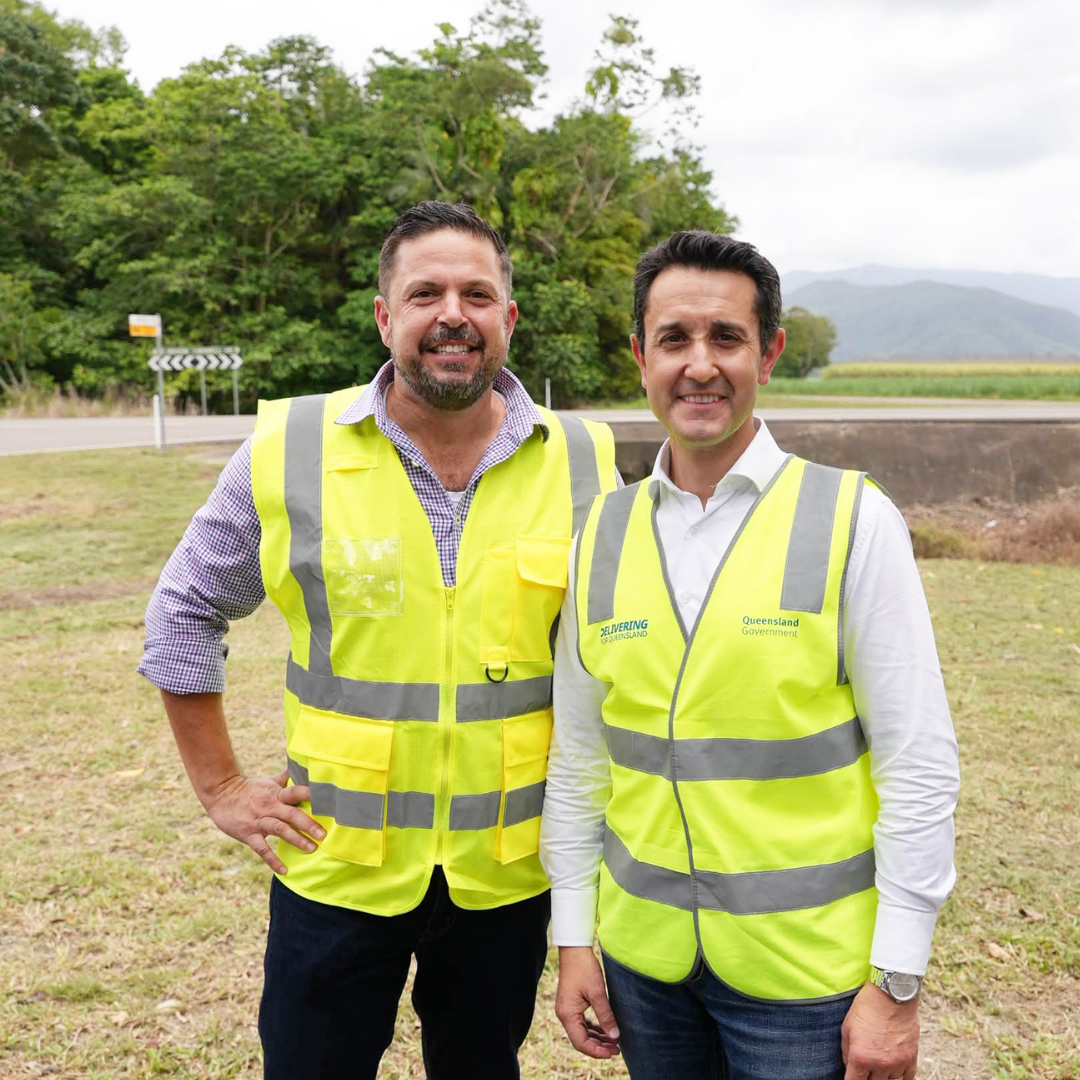

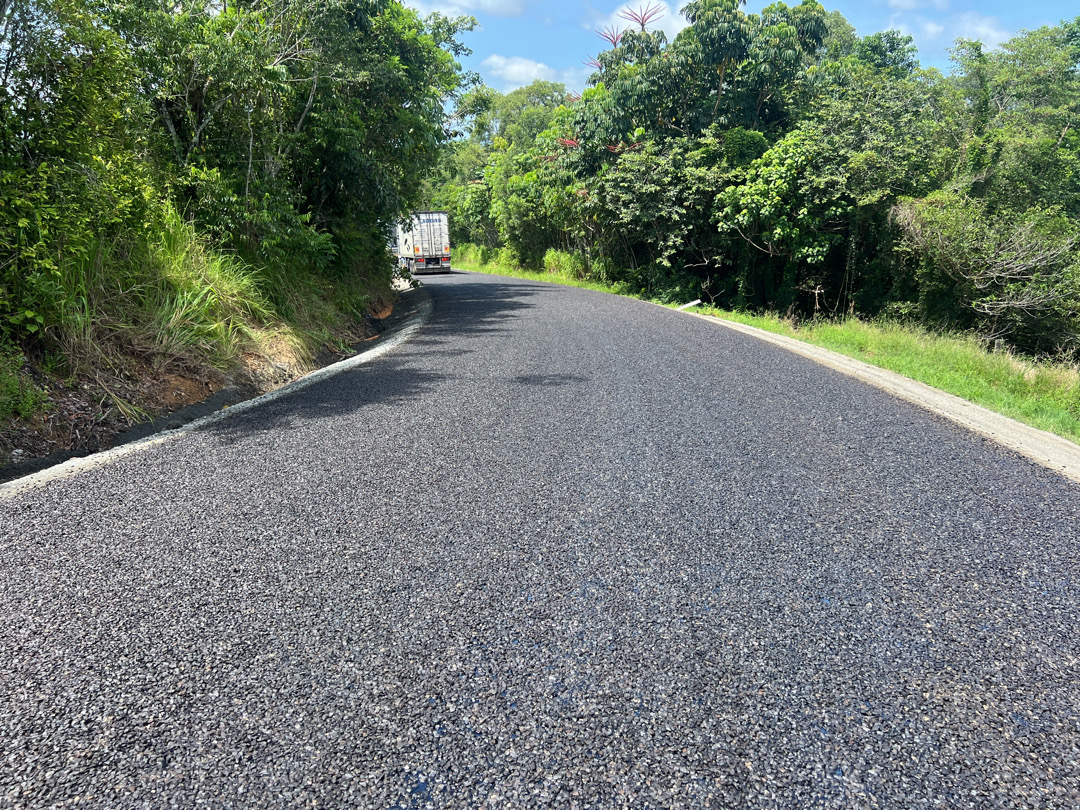
Upper Daradgee Road: Stabilisation and reseal of approximately 3.1 km of roadway undertaken in conjunction with funding through Disaster Relief Funding Arrangements. Photo source: Cassowary Coast Regional Council
The Cassowary Coast Regional Council is urging the Federal Government to ensure proposed changes to Australia's disaster funding arrangements do not leave regional communities footing the bill for future natural disasters.
Council has called for genuine consultation with Queensland councils as the Commonwealth considers replacing the current Disaster Recovery Funding Arrangements (DRFA) with a new Disaster Recovery Funding Framework.
The proposed reforms, based on recommendations from the Independent Review of Commonwealth Disaster Funding, aim to simplify disaster recovery funding, reduce red tape, speed up payments, provide greater certainty and place a stronger focus on resilience and betterment.
While the council supports many of those objectives, it has raised concerns over a proposed 50:50 funding model, warning it could reduce the Commonwealth's contribution and place additional pressure on the Queensland Government.
Mayor Teresa Millwood said councils supported reforms, provided they did not reduce the level of Commonwealth support available to disaster-affected communities.
"We support reforms that simplify disaster recovery funding, reduce red tape, improve speed of payment, increase certainty, and support betterment and resilience – provided those reforms do not reduce the overall level of Commonwealth funding available to disaster-affected Queensland communities."
Mayor Millwood said the Cassowary Coast, like many Queensland regions, faced frequent natural disasters and relied on adequate recovery funding to rebuild essential infrastructure.
"We call on the Australian Government to further engage with the Queensland Government to retain a fair, needs-based disaster recovery funding model that recognises Queensland's high exposure to natural disasters and the limited financial capacity of many regional and rural councils."
Council said that if the Queensland Government was unable to absorb any reduction in Commonwealth funding, the financial burden could ultimately fall on local governments and ratepayers.
"We reject any reform that effectively shifts disaster recovery costs onto local councils or ratepayers,” said Mayor Millwood.
Council also warned the proposed framework could result in tighter eligibility requirements, delayed reimbursements, reduced opportunities for betterment projects, increased local government contributions and reduced access to other funding programs.
Over the past four years, the Disaster Recovery Funding Arrangements have been activated for four major disaster events across the Cassowary Coast, with the council receiving approximately $80 million to restore essential public assets. Council noted that 74 of Queensland's 77 local government areas were disaster declared during the 2025-26 financial year, highlighting the state's ongoing exposure to severe weather.
Mayor Millwood said councils should have a stronger voice before any final decisions were made.
"We call on the Australian Government to genuinely consult with Queensland councils before making any final decision on the proposed Disaster Recovery Funding Framework."
She also called for greater investment in measures that reduce the impact of future disasters, and called for the Federal Minister for Regional Development, Local Government and Territories, and Minister for Emergency Management, Kristy McBain, to visit the region.
"We call on the Australian Government to increase investment in disaster betterment, mitigation and resilience programs in addition to, and not as a replacement for, core disaster recovery funding,” Mayor Millwood said.
"I have invited the Minister for Regional Development, Local Government and Territories, and Minister for Emergency Management, The Hon Kristy McBain MP to visit the Cassowary Coast to see firsthand what the DRFA has delivered for our community – and what it would mean if the costs of natural disasters were effectively shifted onto our community."
Publishers Indemnity. Any individual or entity that places advertising, supplies copy material, or submits editorial content to Life Publishing agrees and undertakes to ensure that all such material:- Does not infringe upon any copyright, trademark, or other intellectual property rights;- Is free from any content that could be considered defamatory, libelous, or slanderous;- Does not infringe upon any rights related to privacy or breach of confidence;- Contains no obscene, indecent, or otherwise unlawful material;- Complies fully with the Trade Practices Act and all other applicable laws, regulations, or statutes. Furthermore, by submitting or placing such material, these individuals or entities agree to indemnify and hold harmless the publisher, Life Publishing and Events Pty Ltd, and/or its agents from and against any and all investigations, claims, demands, liabilities, damages, costs, or judgments arising out of or in connection with the material provided. All material is believed to be accurate at the time of printing and remains the copyright of Life Publishing and Events Pty Ltd.
© 2026 Life Publishing Group Ltd.