Independently Owned, Locally Grown, Community Loved
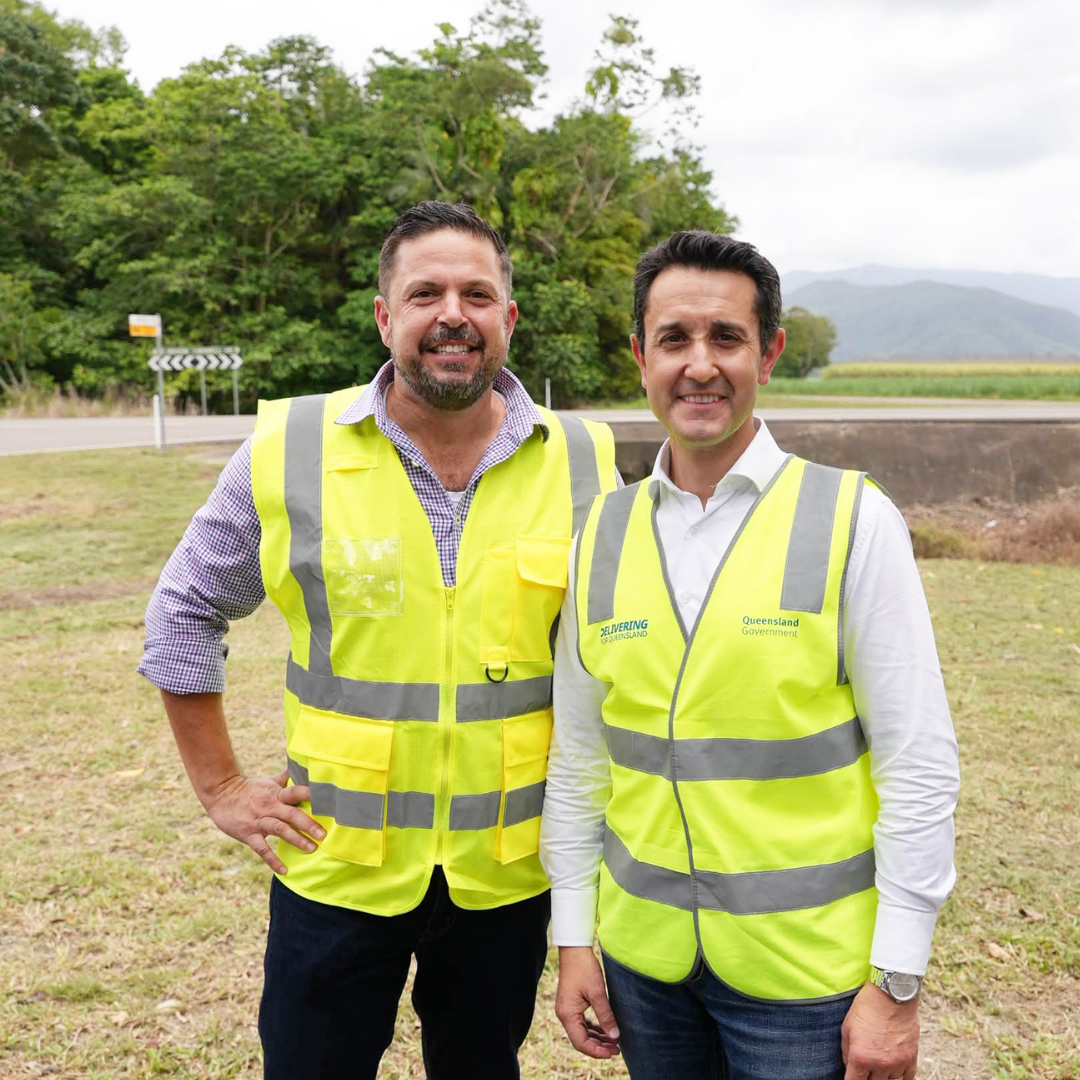

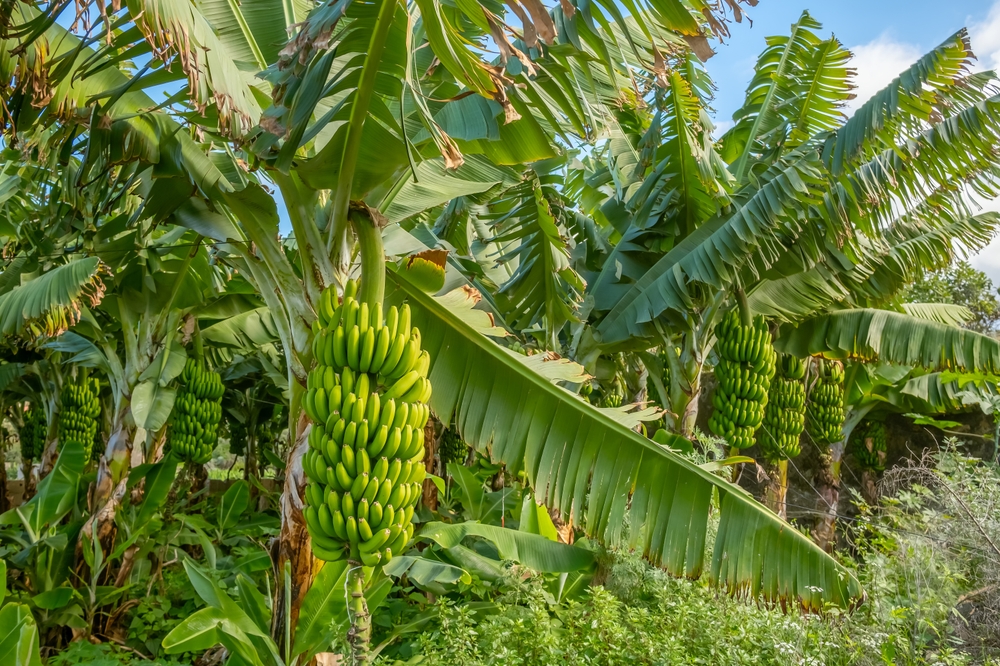
A new $2 million Future Farms project will help banana, sugarcane and grazing properties across the Cassowary Coast improve resilience to extreme weather and strengthen soil health. Photo source: Shutterstock
A new $2 million project will help future-proof farms across the Cassowary Coast by improving soil health, reducing erosion and strengthening resilience to extreme weather.
Terrain NRM will deliver the Queensland Government-funded Future Farms project, working with landholders from Innisfail to Kennedy to improve the long-term productivity and sustainability of banana, sugarcane and grazing properties.
Minister for Natural Resources, Mines, Manufacturing and Regional and Rural Development Dale Last said the investment would help landholders better prepare for future weather events.
"Local landholders have been subject to extreme weather events in recent years, and this program will fund on-ground initiatives to improve farm resilience and soil and land conditions," Mr Last said.
The project is being delivered in partnership with the Australian Banana Growers Council, Canegrowers Innisfail, the Cassowary Coast Graziers Association and local landholders.
Several farms will host demonstration sites showcasing practical land management techniques tailored to each agricultural sector.
On sugarcane farms, the focus will include mixed-species fallow crops, improved drainage, laser levelling and soil amelioration. Grazing properties will trial pasture management practices, including legume planting, strategic paddock design and erosion control through revegetation and fencing.
Banana growers will demonstrate contouring techniques to reduce erosion on steep slopes, along with improved drainage design and streambank remediation to minimise sediment loss.
Terrain NRM chief executive Stewart Christie said the project had been developed in response to years of severe weather that had taken a toll on the region's agricultural landscape.
"These events, following decades of land-use pressures, have extensively damaged the region’s agricultural landscapes, resulting in financial losses and long-term degradation of land and waterways," he said.
"This area sits between two World Heritage-listed regions, the Great Barrier Reef and the Wet Tropics Rainforest, making it one of Queensland’s most ecologically significant and climate-exposed landscapes."
Mr Christie said agriculture remained central to the region's economy.
"Agriculture contributes more than $630 million each year to the Cassowary Coast, with sugarcane, bananas and grazing forming the foundation of regional livelihoods," he said.
"This project is a way to support landholders through practical tools, knowledge and on-ground support to increase their resilience so they can continue producing now and into the future."
Australian Banana Growers Council representative Amelia Foster said the project would help strengthen an industry already committed to best practice.
"Working alongside experienced engineering consultants will also strengthen our Best Management Practice team's technical skills and increase industry capability to support practical, farm-based solutions into the future," she said.
The Future Farms project is funded through the Queensland Government's $117.8 million Natural Resource Management Expansion Program, which is supporting projects aimed at improving environmental outcomes and strengthening regional resilience across the state.
Publishers Indemnity. Any individual or entity that places advertising, supplies copy material, or submits editorial content to Life Publishing agrees and undertakes to ensure that all such material:- Does not infringe upon any copyright, trademark, or other intellectual property rights;- Is free from any content that could be considered defamatory, libelous, or slanderous;- Does not infringe upon any rights related to privacy or breach of confidence;- Contains no obscene, indecent, or otherwise unlawful material;- Complies fully with the Trade Practices Act and all other applicable laws, regulations, or statutes. Furthermore, by submitting or placing such material, these individuals or entities agree to indemnify and hold harmless the publisher, Life Publishing and Events Pty Ltd, and/or its agents from and against any and all investigations, claims, demands, liabilities, damages, costs, or judgments arising out of or in connection with the material provided. All material is believed to be accurate at the time of printing and remains the copyright of Life Publishing and Events Pty Ltd.
© 2026 Life Publishing Group Ltd.