

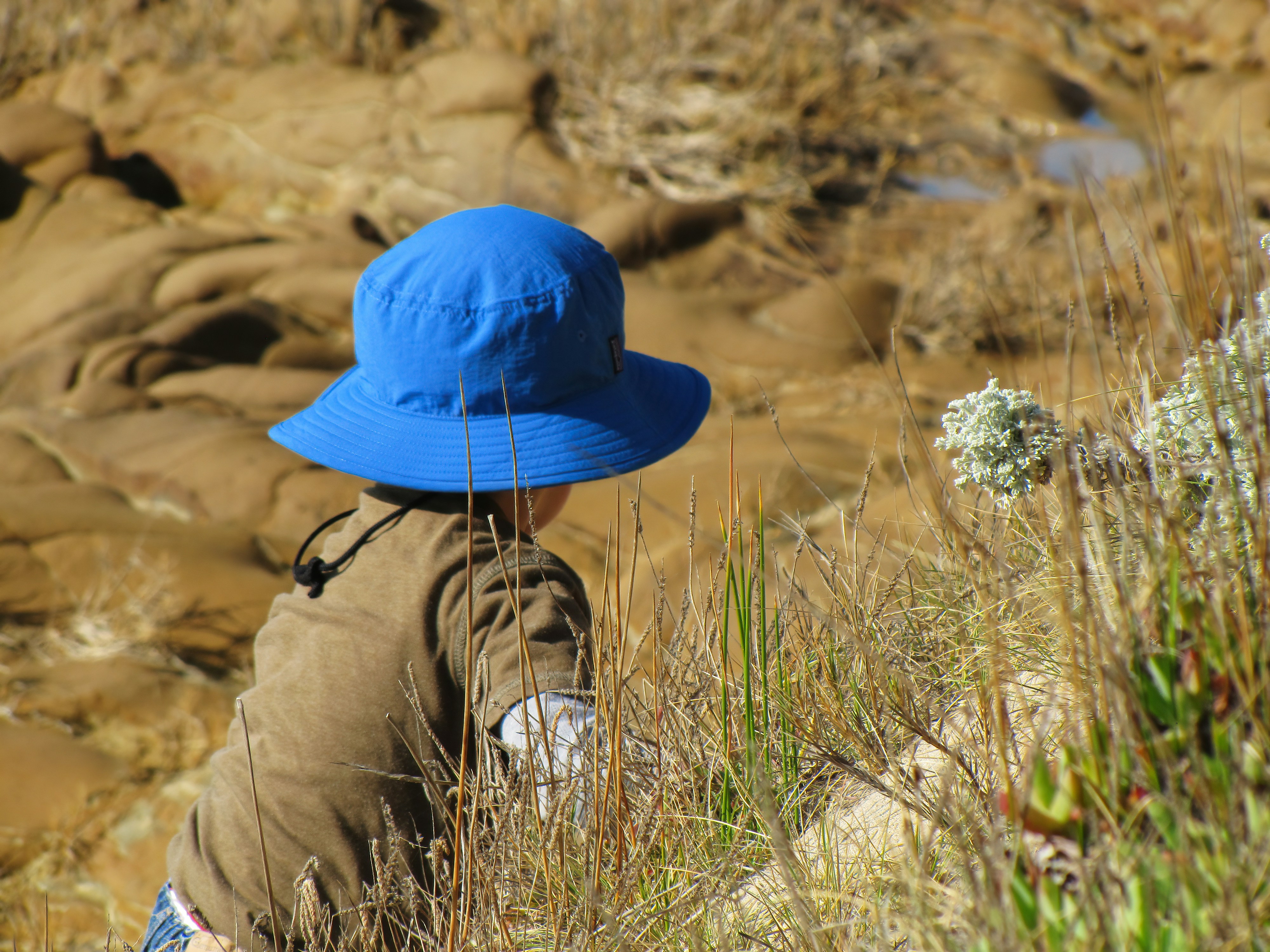
Queenslanders Urged To Stick To Science As Melanoma Rates Remain Highest Worldwide Health experts are urging Queenslanders to rely on proven medical advice, not social media myths, when it comes to sun safety, as the state continues to record the highest melanoma rates in the world. Dermatologist Associate Professor Erin McMeniman, from Princess Alexandra Hospital and the University of Queensland’s School of Medicine, says misinformation about sunscreen is spreading online at an alarming rate. “Particularly in Queensland, most people receive enough sun exposure to produce vitamin D simply through their daily incidental activities, such as hanging out the washing or checking the letterbox,” she said. She warns that unprotected sun exposure remains the leading cause of melanoma and other skin cancers, with 4,085 Queenslanders diagnosed in 2021 and 385 losing their lives. “Skin damage can occur after 10 minutes exposure when the UV index is at 3 or above. In Queensland, the UV index is 3 or above all year round, even in winter,” she said. In recent weeks, UV levels have reached 14 and 15, classified as “extreme”, further emphasising the need for regular sun protection. Despite these well-established risks, a range of myths persist online, including claims that sunscreen causes cancer, that tans prevent sunburn, or that darker-skinned people cannot get skin cancer. Assoc Prof McMeniman says these claims are not only false, but dangerous. “Unprotected sun exposure has been proven to cause cancer.” She adds that sunscreen found in make-up is rarely strong enough to provide real protection. “You need SPF30 or higher rating to be protected against sun exposure,” she said. “If it’s not SPF30 or above, you should be wearing additional sunscreen under your makeup when you’re in the sun for an extended period.” Assoc Prof McMeniman says one of the biggest concerns is the rising number of Queensland children experiencing sunburn, with nearly half reporting at least one burn in the past year. “Sunburn in childhood, frequent sunburn and sunburn that blisters the skin all increase a person’s susceptibility to UV-related cancers,” she said. Adults over 60 remain the most at-risk group due to limited sun safety education when they were young. However, she says younger generations are benefiting from decades of awareness campaigns, with melanoma rates now slightly declining in those under 40. As Queensland heads into another Summer of intense UV levels, the message from experts remains clear: slip, slop, slap and slide, every day.
Read the full story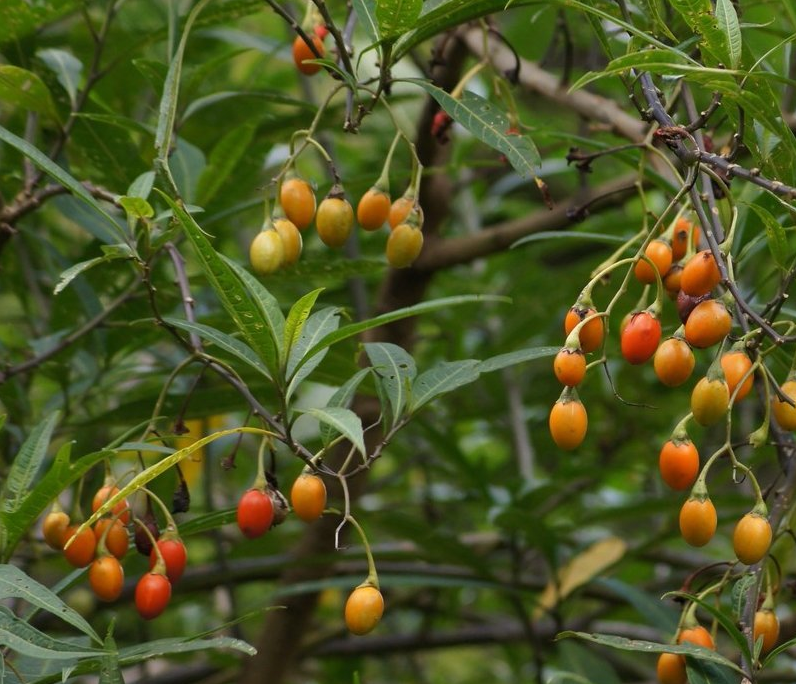
There’s nothing quite like the taste of homegrown bushtucker. Bringing native Australian plants into your garden is a delicious way to connect with the land and enjoy fresh, seasonal flavours straight from your backyard. Here are four native plants that are easy to grow and a joy to harvest. Riberry Riberry, also known as lilly pilly, is a versatile shrub or small tree that brightens the garden with its glossy foliage and colourful fruit. The berries have a unique, spicy flavour with hints of clove and cinnamon, making them ideal for jams, sauces, or desserts. It's a magnet for birds and pollinators, so while you’re enjoying the fruits, your garden is also supporting local wildlife. Kangaroo Apple Kangaroo apple is a striking shrub that offers a distinct visual interest to the garden, with vibrant purple flowers and sweet, tangy fruit. The berries are delicious when fully ripe and can be enjoyed fresh or in creative dishes such as salads or preserves. Lemon Myrtle Lemon myrtle is a fragrant, evergreen plant prized for its intensely citrus-scented leaves. Perfect for teas, marinades, desserts, or sauces, this rainforest native is both ornamental and highly functional. It can be pruned to a manageable size, making it suitable for gardens of any scale. Lemon myrtle’s year-round leaves and aromatic qualities make it a must-have for any bush-tucker garden. Midyim Berry The midyim berry, or midgen berry, is a low-growing shrub with sweet, tangy berries that resemble blueberries. Its copper-toned new growth adds aesthetic charm, and the fruit is perfect for jams, sauces, or simply eating fresh. It also supports pollinators and provides food for native wildlife, making it an excellent choice for gardeners who want to cultivate a productive and ecologically friendly space. Why Grow Bushtucker? Native edible plants are naturally adapted to Australian soils and climates, often requiring less water and maintenance than exotic alternatives. They support biodiversity, offering food and habitat for birds, insects, and other wildlife. And, of course, they taste incredible, fresh, unique, and full of nutrients. A true taste of Australian bush bliss.
Read the full story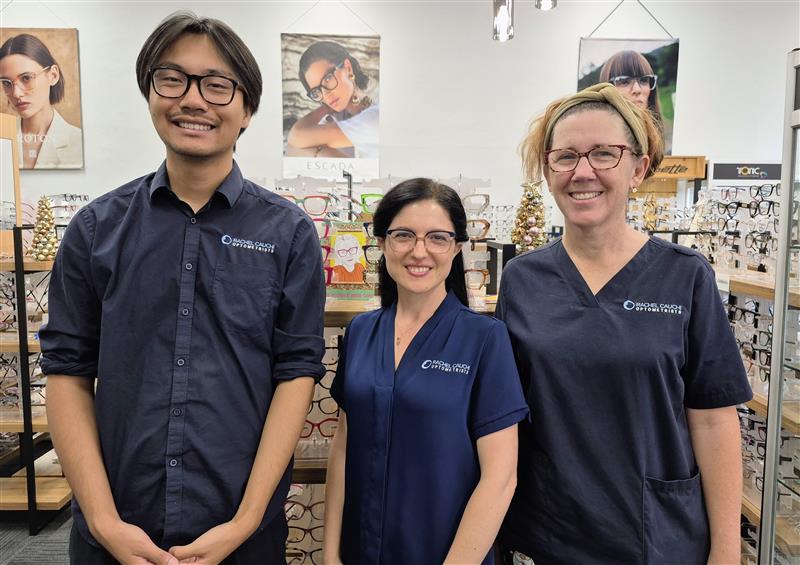
Rachel Cauchis' Newest Optometrist Joining the team around the start of May, the practice’s newest optometrist has quickly settled into his role and has now been here for around seven months. When asked how he is finding it, he laughed, saying how much he enjoyed the office culture, showing he has meshed well with the other optometrists and enjoys the light-hearted environment of the workplace. Originally from Sydney, he studied optometry at the University of New South Wales. His move north came after a rural placement where he was encouraged to get in touch. After a phone call with Travis Cauchi the practice manager and co-owner, he decided to take a chance, packed everything up and thought, “Why not give it a go?” In practice, one of his favourite pieces of equipment is the slit lamp, which gives a magnified 3D view of the interior structures of the eye and allows him to closely examine eye anatomy and detect potential eye disease. He has a strong interest in picking up and managing eye disease, particularly in a regional setting where access to specialist care can be limited. He enjoys working closely with visiting ophthalmologists and doing his best to manage patients locally when travel is difficult. He sees professional development as something that happens every day, learning through experience and exposure to a wide variety of cases. While most of his patients are elderly, they are also his favourites. He enjoys their life stories, their humour and the genuine appreciation they show, which he finds incredibly rewarding. Outside of work, he enjoys exploring local waterfalls, travelling to Cairns and Townsville, and playing basketball with the local community. He is rarely without his film camera and considers himself more of a beach person, happy to sit by the water for hours.
Read the full story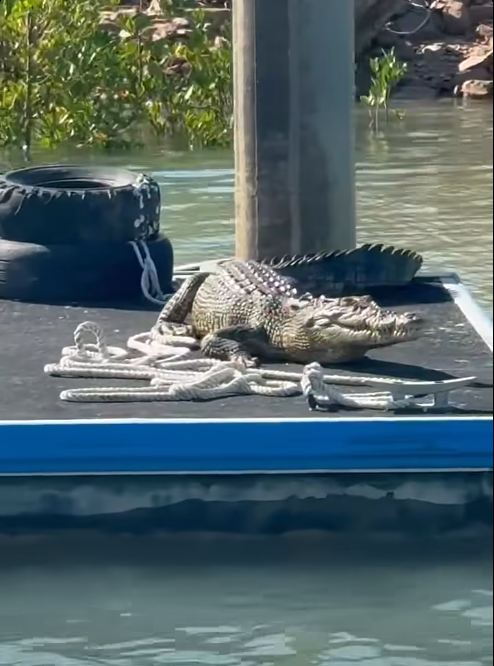
The Queensland Government has delivered its first major update to crocodile management in almost a decade. The new plan prioritises community safety, with increased patrols and an expansion of removal zones. It represents a commonsense approach to crocodile management. The Government’s Queensland Crocodile Management Plan puts human safety first and was developed with feedback from communities in North and Far North Queensland, including Ingham. The plan will implement increased crocodile management measures, including more patrols in high-risk areas and expanded removal zones. This evidence-based strategy demonstrates the Government’s commitment to listening to local communities and has been shaped by expert recommendations and extensive scientific research. Key changes for Ingham: Tyto Wetlands in Ingham to be upgraded to an Active Removal Zone, with the Queensland Parks and Wildlife Service to undertake proactive patrols of this area and any crocodile found to be removed. Regional communities will continue to be consulted on the plan, with a designated four-week annual consultation period and updates made on a rolling basis. A mandatory review will be conducted every five years to ensure the plan continues to reflect the needs of the communities it impacts. The Government will also continue to remove crocodiles from the wild that pose a threat to public safety. Member for Hinchinbrook Wayde Chiesa said the people of his electorate voted for change, and he was proud to deliver it in his first week as local Member. “Hinchinbrook now has a seat at the government table and work has already begun to deliver the fresh start we promised – starting with a new crocodile management plan that puts the safety of people first in Ingham,” Mr Chiesa said. “Upgrading Tyto Wetlands to an Active Removal Zone is the commonsense approach that’s needed and has been lacking for far too long under the former Government.” Mayor of Hinchinbrook regional council, Ramon Jayo, said it was a practical step to protect the area but to remain Crocwise. "TYTO Wetlands and the surrounding precinct remain one of our most popular destinations. While crocodiles are a natural part of life in North Queensland, proactive management is essential to keep visitors safe. Recent changes by the Queensland Government will allow for increased patrols and the targeted removal of crocodiles that pose a risk to the community. Crocodiles are part of our environment, so staying Crocwise is about using common sense—be alert near waterways, keep your distance, and never take chances."
Read the full story

You've heard of true-blue Aussies who toil out in the heat.
They don't come any truer than Midway's Poet Pete.
Of all the dinkum farmers who breathe the Midway air -
hard yakka beef and cane men -
our Pete was called the Mayor.
Some years the bank was broken by cyclones, drought or rain.
Yet season after season - he'd up and go again.
Pete gifted me the magic - I use it all the time -
of painting Abergowrie by putting words in rhyme.
But waking up this morning - the earth began to shake.
My eyes were filled with water - I felt a gutting ache.
To think of Peter passing - I cannot contemplate.
I never thought I'd lose him, my rhyming bushy mate.
I can't believe it's happened. I can't believe he's gone.
It's hard to find a comfort in Peter passing on.
We've lost the Mayor of Midway, I've my old mate Pete -
I'm not so sure the frothies will ever be as sweet.
I'll see him at the river, and down at Midway Creek,
or way up in the mountains - at Abergowrie’s peak.
I'll see him in the canefields, or when my eyes are shut,
and where we crossed the Herbert - to fish at Brucey’s hut.
When mist descends on Gowrie, and morning light is pale,
I'll feel his spirit with me - where heaven spreads its vale.
We shared a love of Ireland - a place I'd never been.
But Peter’s tales inspired me to see that emerald green.
I'd give up all the poems - I'd give up all the rhymes,
to see him back at Midway - reliving happy times.
His sleep is now eternal, and just to Ingham's west,
by Midway’s rushing water - he'll take his final rest.
But loved ones never leave us - they never can depart
from what we hold inside us - the place we call the heart.
By Jonny Paul of Abergowrie.
Written 28/12/2024.
Author's Note: Peter Sheahan reached out to me when I moved to Abergowrie, took me under his wing - and gave me the gift of poetry.
Thanks for the laughs Pete, thanks for the beers, and thanks for the rhymes. You are dearly missed, though we’ll carry you with us always. Rest in peace my old mate. This poem is for you.
.jpg)
Hiya Hinchinbrook Shire! I was a very busy bee this past week, and I hope you all were too.
There were book signings, art exhibition opening nights (which I regret to have missed), and we all bid a fond farewell to one of our much-loved staff here at the Life Publishing Group as Ruby spreads her wings in the rewarding world of support work.
I nipped down to Airlie Beach to celebrate her new journey with my colleagues from the main office. We had some nibbles and drinks at Mulligan's, a delightful Irish sports bar, before sending her off the proper way with karaoke up on stage at Magnums, where we sang Don't Go Breaking My Heart by the wonderful Elton John.
With a future ahead of her as bright as those flashing club lights, I know Ruby will do well on the new path she has chosen. The only sad tidings come from Finn, the main office dog, who will sadly be losing a playmate as Ruby takes her fur-son Koa with her. All the best Ruby!
Victoria
Fun Fact: I first fell in love with Elton's music when he appeared on the Muppets Show and sang Crocodile Rock. He was colourful and dazzling in a mirrorball and rainbow feather suit and conducted singing crocodiles. He also sang a duet with Miss Piggy, and their performance, matching costumes and banter are core memories. Best VHS tape ever.

The latest art exhibit at TYTO Art Gallery opened on Friday and is open until the end of July.
This ‘n’ That by Sue Hollamby brings Sue’s art style to life, she shares a charming collection of heartfelt works that showcase her genuine passion for art and creativity.
In the new exhibit expect a lively blend of colour, imagination, and character in this wonderfully eclectic collection.
The exhibit’s opening night was an extraordinary success, and attendees said it was wonderful to see art back in the gallery.
Sue Hollamby’s This ’n’ That collection was showcased last Friday and the opening night was a fantastic night.
Councillor Donna Marbelli said it was great to see the TYTO Art Gallery back open after the floods in February.
“I was truly excited to be back in the TYTO Art Gallery, following the challenges our community faced during the significant weather event in February, which brought widespread stress and disruption across our beautiful Hinchinbrook,” said Cr Marbelli.
“Council is proud to reopen this special space restored and refreshed and how fitting it is to do so with an exhibition by the well-established artist Sue Hollamby. In her collection This ’n’ That, Sue shares a delightful mix of inspired pieces that reflect her pure love for art and creativity.
“What a wonderful way to welcome everyone back into gallery.”
On the opening night canapes were provided and attendees were greeted with the unexpected as as Sue presented a playful, diverse collection of artworks that capture her distinctive creative journey and expressive flair.
Sue’s This ‘n’ That exhibit is on display now at TYTO Art Gallery, it will be on display until Thursday 24th July 2025.
Since the reopening the TYTO Art Gallery is set to get busy.
The TYTO Regional Art Gallery proudly hosts two prestigious national art competitions each year, the Annual Birdlife Art Awards and the Hinchinbrook Art Awards.
These cornerstone events not only showcase exceptional artistic talent from across the Hinchinbrook region but also the country. It plays a vital role in nurturing creativity within the local community. By encouraging the continued practice of high-quality art-making, the gallery helps to energise the local arts scene and contributes to a vibrant cultural landscape that both inspires and enriches Ingham and the wider Hinchinbrook region.
Located within the scenic TYTO precinct, the gallery forms part of a broader cultural and environmental hub that includes the Hinchinbrook Library and Hinchinbrook Visitor Information Centre.
These facilities are seamlessly connected by an elevated boardwalk, which offers sweeping views of the stunning TYTO Wetlands is a haven for birdwatchers, photographers, and nature lovers alike.
This unique integration of art, education, tourism, and the natural environment makes TYTO a true destination of creativity, discovery, and connection.


This week is the final chance for the business community to complete their preparation for the end-of-financial-year planning. End of financial year is always a busy time for reflection on the year to date, reviewing how the business is tracking and working with your financial professionals to plan for how to best move the business forward.
In light of the very challenging start to this calendar year and backing up from two already difficult years in the agricultural sector, this planning process may be more crucial to many business owners this year than it historically has been for some time.
An important part of managing any size business operations is the constant review of all operations, from consumer demand and stock levels to economic trends, marketing strategies and budget considerations. Chamber encourages all businesses, regardless of their size, to put some time aside to prioritise this review process in their business at this time of year and to seek the guidance of their financial professionals to support owners to achieve the best business outcomes moving into the end of the financial year.
Last Saturday saw Chamber host the June Markets at the Mosaic in the Ingham CBD. This event was again exceptionally well attended, both by stallholders and the general public, both from locals and visitors. Surveys conducted on the day again record that more than 35% of visitors to the markets came from postcodes outside of 4850 and included state, national and international visitors.
With more stallholders than ever this month, the popularity of the markets continues to grow, with feedback reporting visitors are making a day trip or weekend visit to the shire to enjoy all that is on offer locally. Chamber continues to survey stallholders, visitors and the broader retail community to understand the impact of the markets, what is being done well and where there is room for improvement, as we constantly strive to deliver a product that will not only support businesses but will also bring visitation to the Shire.


The much-loved Vinnies charity shop in Ingham is excited to announce its full reopening from Monday, 16th June, with new trading hours of Monday to Friday, 9:00am to 3:30pm. After a period of closure due to the February floods, the store is ready to welcome back the Hinchinbrook community with great bargains, friendly faces, and the same dedicated community spirit that locals know and love.
Vinnies Ingham has been a cornerstone of the local area for years, offering affordable second-hand goods and much-needed support to those doing it tough. From quality clothing and kitchenware to books, furniture, and hidden treasures, the shop offers something for every shopper. More importantly, every sale helps to benefit people in need.
Please remember: donations are now accepted only during opening hours, from Monday to Friday between 9:00am and 3:30pm. This ensures that the hardworking volunteers can safely receive and sort items, keeping the shop organised and running smoothly.
Whether you are looking to donate, shop sustainably, or simply enjoy a chat with the lovely team, Vinnies is once again open and ready to serve. The volunteers are eager to welcome regulars and new visitors alike as they continue their mission of supporting the Ingham and Hinchinbrook community. Pop in, find a bargain, and make a difference. See you at Vinnies!


The temporary closure of Halifax Hotel marks the latest chapter in the community’s long recovery following February’s devastating events. Owners Joe Mikuletic and Luke Penning made the difficult decision to shut the doors after battling months of water ingress, structural damage, and electrical failures. With water having seeped in from the roof and compromised key infrastructure, the building was no longer safe nor financially viable to operate.
Many patrons were confused by the delayed closure, but the reality is simple: the bar alone couldn’t sustain operations. Without revenue from the hotel’s other facilities, costs quickly outpaced income. Like countless other local businesses, the owners are navigating a complex process involving insurance claims and construction assessments.
Despite the setback, this isn’t the end for Halifax Hotel. The team is actively planning repairs, aiming to reopen in the very near future. There’s even talk of improvements and upgrades to better serve the community.
"We're getting an opportunity to come back strong. To come back bigger and stronger and to open the doors again."
— Joe Mikuletic and Luke Penning
That message of resilience speaks volumes. Mikuletic and Penning aren’t just rebuilding a business—they’re preserving a local landmark and planning for its future. They’ve extended heartfelt thanks to the community for ongoing support and are determined to return better than before. Halifax Hotel may be closed for now, but its story is far from over.

Council is taking advantage of the beautiful weather we’ve been enjoying lately to bring our town back to life with our parks and gardens looking lovely and full of colour.
The Feral Pig Aerial Shoot of our coastal wetlands took place on Monday 2 June and Wednesday 3 June 2025. 86 feral pigs were controlled within our Shire’s sensitive coastal wetlands and national park areas that boundary nearby cane fields. The reason these areas are managed by aerial means is because of terrain that can’t easily be managed by normal control measures. This shoot is carried out biannually in May, June, November and December. The Hinchinbrook Community Feral Pig Management Program also continues to assist all landholders to manage feral pigs across the shire. Anyone requiring assistance is urged to contact Council’s Biosecurity Team on 4776 4088.
This week, the National weed eradication team from South Johnstone are in town assisting with the surveys for our eradication species, Mikania vine. Areas at 3 of our most recently active sites along the Herbert will be focused on.
Council’s Biosecurity team, in partnership with Terrain and local landholders, have commenced control of weed species in mahogany glider habitat south of Helens Hill. This project is funded through the Threatened Species Recovery Action Grant, funded by the Queensland Government’s Department of Environment, Science and Innovation.
Pond Apple control in the lower Herbert will continue from early July. Council Officers choose this time of year to control Pond Apple as it is easier to identify because of the emergence of the brightly coloured flower. Biosecurity Officers will be putting ant traps in Council assets of concern to look for Yellow Crazy Ants. We haven’t found any in the Shire yet, but if anyone is concerned about Yellow Crazy Ants in their area, please let us know so we can check it out.

The Herbert River cane crushing season has been a sweet tradition since the late 1800s, when sugarcane first took root in Ingham’s fertile soils. With mills like Macknade (Queensland’s oldest, established in 1874) and Victoria (since 1883), the region has been churning out the sweet stuff for generations. From June to November, it’s full steam ahead as the mills fire up and cane trains choo-choo-se their way through the fields. The sugar industry has long been the backbone of the community—providing jobs, boosting the economy, and stirring up a strong cultural legacy. It’s a grind during harvest, but worth it when things crystallise into success. Despite modern machinery, the local passion remains unrefined—just like the cane before processing. So, as the season kicked off last week, locals know it’s time to stick together, weather the sticky days, and celebrate the sugar rush that’s been part of Hinchinbrook for over a century with their cane train cap on.
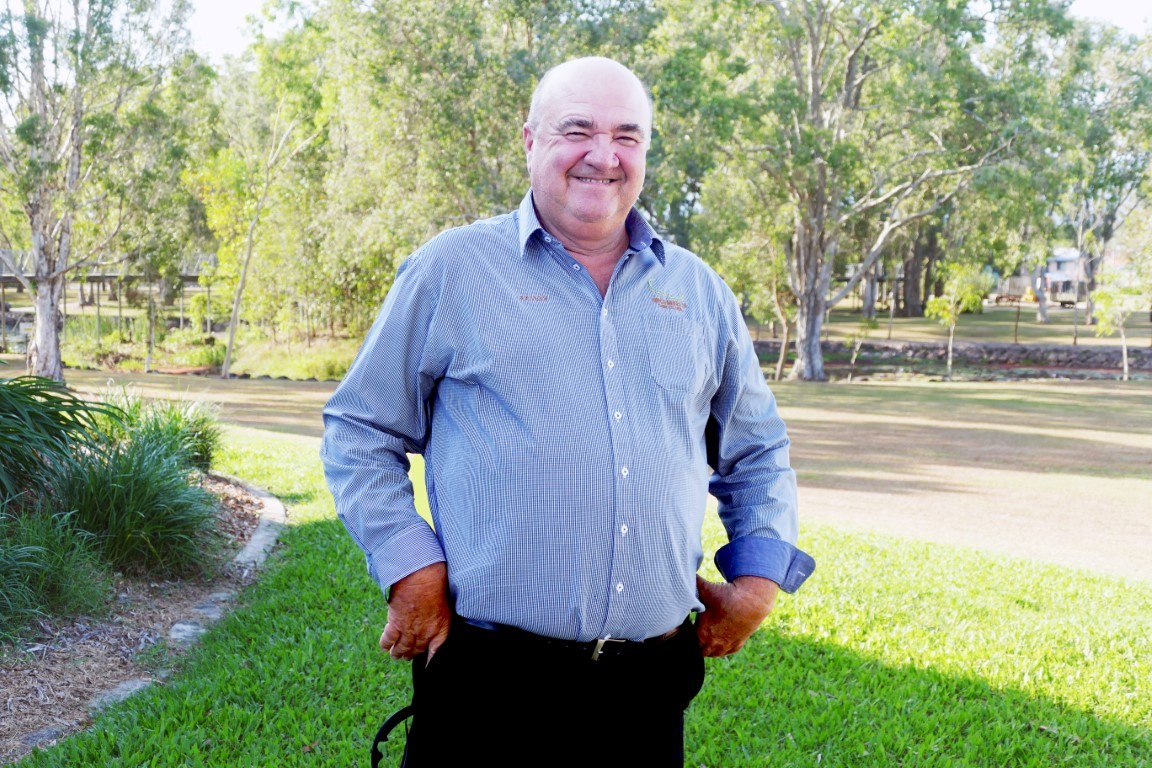
Over the past few weeks, my message has reflected on waste disposal issues and the importance of seriously embracing recycling as a way to divert waste from landfill and meet State Government targets.
Whilst our staff are very active in educating the community and promoting the need for recycling, you’ll be pleased to know that Council has been doing its bit lobbying the big end of the State to get serious about creating markets for recyclable products — pronto — so we can actually get the circular economy happening. As well as looking to future targets, you may recall there’s growing support for recycling as a catalyst for creating new jobs as circular economy principles and recycling markets strengthen.
Council has also been actively lobbying the State Government about the need to find a solution to the end-of-life tyre disposal problem. Used tyres are a major headache and fast becoming an environmental nuisance, with stockpiling and unlawful dumping happening at significant rates. The reason, of course, is the hefty cost of lawful disposal. Complaints are regularly received that the cost of disposing of used tyres at Council’s waste facility is too high. The reality is Council only recovers about 50% of the cost of disposal from the disposer and continues to subsidise tyre disposal through general community rates — and this is not sustainable.
With a desire to drive change, Council has introduced crumbed rubber in bitumen reseals on Council-controlled roads, with rubber sourced from end-of-life tyres recovered from our waste facilities and local tyre service providers. The added cost was around $0.06/m² — a small price to help create a sustainable market.
The use of crumbed rubber in bitumen isn’t new — it’s been used in Australia for decades and has proven performance benefits. Townsville City Council and the Department of Transport and Main Roads are also on board. With the support of other North Queensland councils, we’ll continue to push for a State mandate — to create value for end-of-life tyres, just like what’s happened with recycled containers.

Cane fields in the Tablelands and Bundaberg are springing to life, with the 2025 harvest officially underway and the first loads already rolling out. For many growers, there’s nothing quite like seeing that first bin filled. It signals the start of a new chapter and the chance to reset after a trying year.
Elsewhere across Queensland, paddocks are prepped and machinery is humming, with farms putting the final touches in place while waiting for local mills to kick into gear. There’s a quiet energy in the air, a mix of determination, relief and hope for smoother days ahead.
The previous season was one many would rather forget. Weather events, equipment issues and industrial stoppages meant that harvest ran far longer than usual, with some regions still cutting into the new year. When it was all said and done, roughly a million tonnes of cane were left uncut, not due to any lack of effort, but because the system buckled under pressure.
But if cane growers know anything, it’s how to dig deep. Across the districts, paddocks have been reworked, gear has been fixed and preparations have been made. The 2025 season is here, and farmers are ready to give it another red-hot go.
This year’s projected crop sits at around 28.5 million tonnes across 13 regions. It’s a touch lower than last season, largely thanks to the early-year floods that wreaked havoc in parts of North Queensland, including major damage throughout the Herbert River area.
Still, there’s cautious confidence among the farming community. Growers have done their bit, now it’s over to the mills, the weather and the supply chain to play their roles and help deliver solid returns.
Labour, however, remains a stubborn challenge. There’s still a shortage of trained hands, from harvester drivers to mill crews, and the crunch is being felt across the broader agriculture sector too.
That’s why CANEGROWERS is working closely with regional offices and the Queensland Farmers’ Federation to push for solutions that will ease the pressure on farm labour and ensure skilled staff are available where they’re needed most. Because even the best-prepared farm can’t succeed without boots on the ground.
Another issue making headlines is the need to update disaster relief to reflect how farming operates today. Last week, Primary Industries Minister Tony Perrett travelled to Ingham, where he attended the Link2Country Expo and met with flood-affected farmers during a Community Cabinet session.
One of the key concerns raised was the way disaster payments are currently assessed. Some farmers are being excluded from assistance simply because part of their income comes from contracting services such as harvesting or planting for others. But for many small-scale operations, that kind of side income is essential to staying afloat, and still very much part of the agricultural sector.
CANEGROWERS and the QFF are urging the government to modernise the Disaster Recovery Funding Arrangements so they reflect the real-world nature of regional farming today and ensure support reaches those who genuinely need it.
Growers appreciated the chance to speak directly with the Minister, but now they’re asking for more than just a sympathetic ear - they want to see change.
As the 2025 crush gets into full swing, farmers are keeping one eye on their fields and the other on the bigger picture, pushing for an industry that is supported, fairly treated and better equipped to weather whatever comes next.
Here’s to a smoother run this season and a brighter, more secure future for every grower doing the hard yards in the cane fields of Queensland.

CANEGROWERS has welcomed the renewed momentum in Australia-EU free trade negotiations, urging both sides to work towards a deal that delivers meaningful outcomes for Australian agriculture.
“We’re pleased to see talks are getting back on track,” CANEGROWERS CEO Dan Galligan said. “But success will depend on whether an agreement provides commercially realistic access for agricultural sectors like sugar.”
Negotiations stalled in late 2023 after proposed market access for key commodities – including sugar – fell well short of industry expectations.
CANEGROWERS was among the peak agricultural bodies that supported the government’s decision to pause discussions.
Mr Galligan was in Japan for the final round of talks in late 2023, where they urged Trade Minister Don Farrell not to sign a deal that would lock in poor outcomes for agriculture for decades to come.
We advised the Minister directly that no deal was better than a bad deal – and to his credit, the government listened,” Mr Galligan said. “It was a strong stance, and the right one.”
“The sugar industry is open to trade and wants a deal that works for both sides. But any agreement must recognise the value and competitiveness of Australian farm exports. We’re not looking for special treatment – just fair, practical, and commercially meaningful terms.”
Mr Galligan pointed to the Australia-UK Free Trade Agreement as a credible benchmark for what a modern deal can look like.
“With the right approach, an Australia-EU agreement can deliver long-term benefits for both our economies. We look forward to working with the government to help get it there.”

Hinchinbrook’s banana growers are being encouraged to speak up and push back against mounting compliance pressures through the 2025 National Horticulture Compliance Survey.
The Australian Banana Growers’ Council (ABGC) is calling on local producers to take part in the nationwide survey, which aims to give growers a stronger voice in shaping the future of regulation across the horticulture sector.
With red tape on the rise, growers say it is becoming increasingly difficult to keep up with the ever-expanding list of paperwork and compliance requirements; often at the expense of time spent on the farm.
The survey is open until Friday 8 August and takes just a few minutes to complete. It asks growers to share their experiences dealing with compliance, from biosecurity and employment rules to environmental and chemical regulations.
Local industry members are being urged not to miss the opportunity.
Need a hand? Contact Kath Dryden at members@abgc.org.au or phone 0455 553 596.
To complete the survey, visit:
https://forms.office.com/r/W7KaFRJnfH
Let’s get behind this and make sure Hinchinbrook’s growers are well represented. It’s time to speak up for simpler, fairer rules that work for farmers and not against them.

Queensland’s youngest artists are being called on to help spread an important message, as the Crisafulli Government launches its 2026 Farm Safety Calendar Competition.
Designed to raise awareness about potential hazards on farms and in rural communities, the competition is open to all Queensland primary school students from Prep to Year 6. Twelve standout artworks will be chosen to feature in the official 2026 calendar, with each month focusing on a different safety theme—from overhead powerlines and electrical equipment to animal safety and hand hygiene.
More than 40,000 copies of the calendar will be printed and distributed to Queensland primary schools and the wider community.
Deputy Premier, Minister for State Development, Infrastructure and Planning, and Minister for Industrial Relations Jarrod Bleijie said the campaign taps into creative young minds to highlight a serious message.
“Raising awareness among primary school students and their communities about common safety hazards on farms and in rural settings is an ongoing campaign,” he said.
Member for Condamine Pat Weir echoed the importance of the initiative.
“As someone who has been injured themselves from a farm accident, I know all too well the importance of the issue to local farming families,” Mr Weir said.
“It’s great that the focus is also about educating our next generation of farmers as well throughout primary schools in Queensland.”
In last year's competition, Kalamia State School's Paige Colls created a wonderful drawing to share the message of water safety which is featured on November of 2025's Farm Safety Calendar which can be seen in classrooms across the state!
The competition has also been welcomed by Queensland educators, who say it aligns perfectly with classroom lessons on agriculture and safety.
“The students enjoy the challenge of illustrating farm safety aspects which are extremely important for each student to remember as they go about their daily lives in rural settings,” said Ms Wendy Thornton, teacher at Gogango State School in Central Queensland.
The competition is open until the 27th of June and each of the 12 winning entrants will receive a $250 gift card, with their schools also awarded $500.
To find out how to enter and access resources, visit WorkSafe.qld.gov.au.

The pursuit of a port began in 1862 when HMS Pioneer, commanded by Commodore George Burnett, set sail from Brisbane to search for an appropriate site. With Queensland’s first Governor, Sir George Bowen, also aboard, the two men decided that Rockingham Bay offered two excellent anchorages. The following year, in 1863, Governor Bowen requested that Captain George Richards, then commanding HMS Hecate, select the best site for a port and township in Rockingham Bay. In this process, Captain Richards landed on a small sandy beach on the north-west side of the island and named it Hecate Point. He also named Mangrove Islet, Mount Burnett, Mount Bowen and Mount Pitt, and ensured that Hinchinbrook Island was clearly marked on the chart.
In 1859, the pioneer and explorer George Elphinstone Dalrymple led an overland party to the Valley of Lagoons and took up land for grazing in partnership with Arthur and Walter Scott, as well as Robert Herbert, Queensland’s first premier. By 1863, their enterprises boasted 25,000 sheep and 4,000 cattle grazing in the Valley of Lagoons. Cardwell’s history as a settlement began in January 1864 when the first European settlement in the area, serving as the port for North Queensland, was established. The schooner Policeman, towing the cutter Heather Bell, anchored in Rockingham Bay carrying the first settlers. The landing party comprised 20 men, 10 horses, 12 sheep, 2 goats, fowls and dogs, with George Dalrymple acting as leader, and Cardwell became recognised as the first non-indigenous settlement north of Bowen.
The township was named after Viscount Cardwell, a renowned British statesman whose title ended with him, as he left no heirs. Despite his renown as the greatest British military reformer of the 19th century, he never visited the area. The original route taken by Dalrymple to connect his property with the port is still commemorated today by the Dalrymple Gap walking track, and the stone bridge over Damper Creek remains the oldest engineering structure in North Queensland. During Cardwell’s early years, the original Post Office was a double tent – one side served as the Post Office while the other side housed the Postmaster’s residence. By 1870, Cardwell Post Office and Telegraph Station were built and are now listed on three National Heritage registers, while one of the first buildings erected was John Morrisey’s Royal Hotel, located on the site of the current Marine Hotel.


Ingham State High School wishes to formally acknowledge and thank the businesses and organisations that generously supported the Year 10 Work Experience Week.
This vital program offers Year 10 students a unique opportunity to engage with the world of work, gain insight into a range of industries, and acquire practical, hands-on experience within professional environments. It plays a significant role in equipping students with essential workplace skills, enhancing their self-confidence, and helping them explore potential career pathways.
The school is grateful to the many employers who welcomed students, shared their expertise, and contributed to such a rewarding and educational experience. Feedback from host organisations has been overwhelmingly positive, with many commending the students for their enthusiasm, professionalism, and eagerness to learn.
The Work Experience Program not only enriches students’ understanding of the workplace but also supports the development of valuable professional networks and future employment prospects.
The school looks forward to continuing these important community partnerships in the years ahead.


Publishers Indemnity. Any individual or entity that places advertising, supplies copy material, or submits editorial content to Life Publishing agrees and undertakes to ensure that all such material:- Does not infringe upon any copyright, trademark, or other intellectual property rights;- Is free from any content that could be considered defamatory, libelous, or slanderous;- Does not infringe upon any rights related to privacy or breach of confidence;- Contains no obscene, indecent, or otherwise unlawful material;- Complies fully with the Trade Practices Act and all other applicable laws, regulations, or statutes. Furthermore, by submitting or placing such material, these individuals or entities agree to indemnify and hold harmless the publisher, Life Publishing and Events Pty Ltd, and/or its agents from and against any and all investigations, claims, demands, liabilities, damages, costs, or judgments arising out of or in connection with the material provided. All material is believed to be accurate at the time of printing and remains the copyright of Life Publishing and Events Pty Ltd.
© 2026 Life Publishing Group Ltd.

