
Independently Owned, Locally Grown, Community Loved
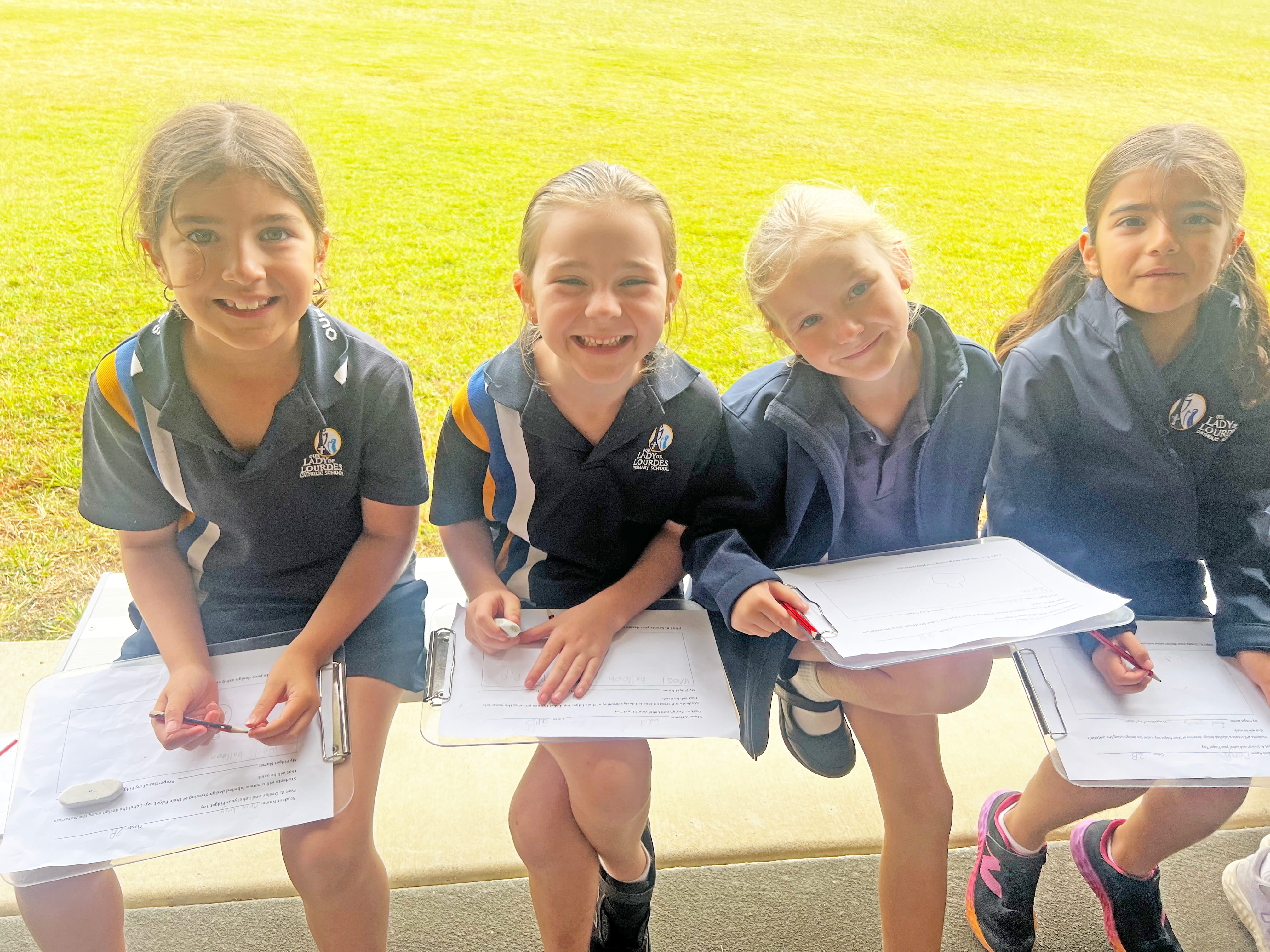
2026 has marked an exciting new chapter for Science at Our Lady of Lourdes with the introduction of Science as a specialist subject across the school. Aligned with the Australian Curriculum Version 9, our science program provides students with opportunities to investigate real-world phenomena through hands-on learning, creativity, inquiry and play. At Lourdes, we believe that students learn best when they are actively engaged in meaningful experiences that allow them to question, explore, design, test and create. Across every year level, students have been immersed in learning that encourages curiosity while developing important skills such as collaboration, critical thinking, problem-solving and resilience. Our Year 2 students have stepped into the role of designers and inventors by creating their own fidget toys. Students investigated how materials can be changed and selected for specific purposes, using the design process to create products that are both practical and engaging. They have loved seeing how different products can be made, especially their favourite toys. Students at Our Lady of Lourdes have had lots of fun being inventors. Photos supplied
Read the full story
Feel the Magic is providing vital support to children and families across Australia who are navigating the pain of grief, offering a range of free early intervention programs designed to help young people “face, feel and heal” after the death of a parent, guardian or sibling. At the heart of the organisation is a belief that no child should face grief alone. Its programs create a nurturing, supportive environment where children aged 7 to 18 can express their emotions, learn coping strategies, and connect with others who understand their experience. Through its virtual camp programs, Feel the Magic is able to reach families regardless of location. These online sessions bring together grieving children to learn a shared “grief language”, build practical emotional tools, and reduce feelings of isolation through connection with other families. The organisation also offers specialised programs for those impacted by suicide bereavement. These include virtual camps, a one-day face-to-face “Let’s Talk Suicide Family Day Camp”, and the signature Camp Magic experience—an intensive 2.5-day overnight program where children are paired with trained volunteer mentors who provide one-on-one support throughout the camp. Camp Magic focuses on helping children understand grief, regulate difficult emotions and develop healthy coping strategies in a safe and structured environment. A concurrent emotional literacy workshop is also available for parents and guardians, helping families better understand grief responses and strengthen communication at home. For older participants, Grad Camp supports young people aged 16 to 19 as they transition into adulthood while continuing to process their grief experience. Across all programs, Feel the Magic emphasises connection, understanding and hope, with the organisation noting that even a single day can make a meaningful difference in a child’s journey through grief. To learn more about how you can get involved email lauren.galbraith@feelthemagic.org.au. WHAT: Family Day Camp WHEN: 26th July WHERE: The Cathedral School, Townsville
Read the full story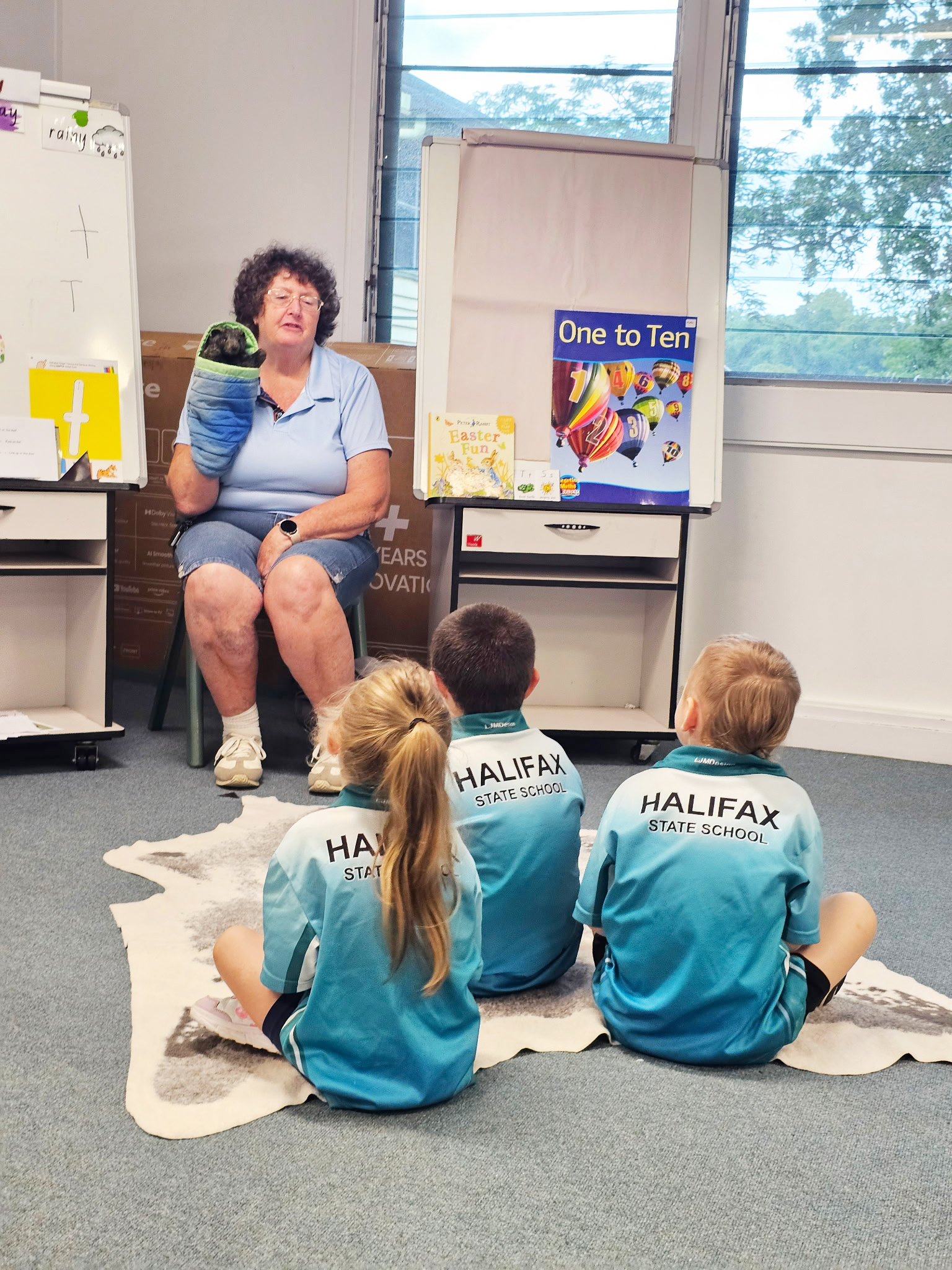
A strong school community is built on the dedication of its people. At the heart of Halifax SS are highly experienced and caring learning support staff who ensure every student feels included, supported, and capable of success. Their work, alongside experienced and innovative teachers, creates engaging classrooms where creativity and curiosity thrive. Play-based learning is one example of this approach in action, helping students develop confidence, independence, and a love of learning from an early age. Bringing these strengths together is exceptional leadership. This has been recognised through the awarding of the prestigious Bill McClintock Medal, introduced in 2016 to honour individuals who contribute to the advocacy and service of the Queensland Association of State School Principals (QASSP), particularly through supporting colleagues across regional and remote communities. “We are all very proud of Michael for receiving this award,” a spokesperson said. “It reflects a commitment not only to school excellence, but to strengthening education across Queensland. “Together, caring support staff, innovative teaching, and award-winning leadership create an environment where students and communities thrive.” Caption: 1. Teacher aide Jenny Genrich incorporates play-based learning to actively engage students and support early skill development in the classroom. 2. Presentation of the Bill McClintock Medal, recognising outstanding leadership and service to education across Queensland.
Read the full story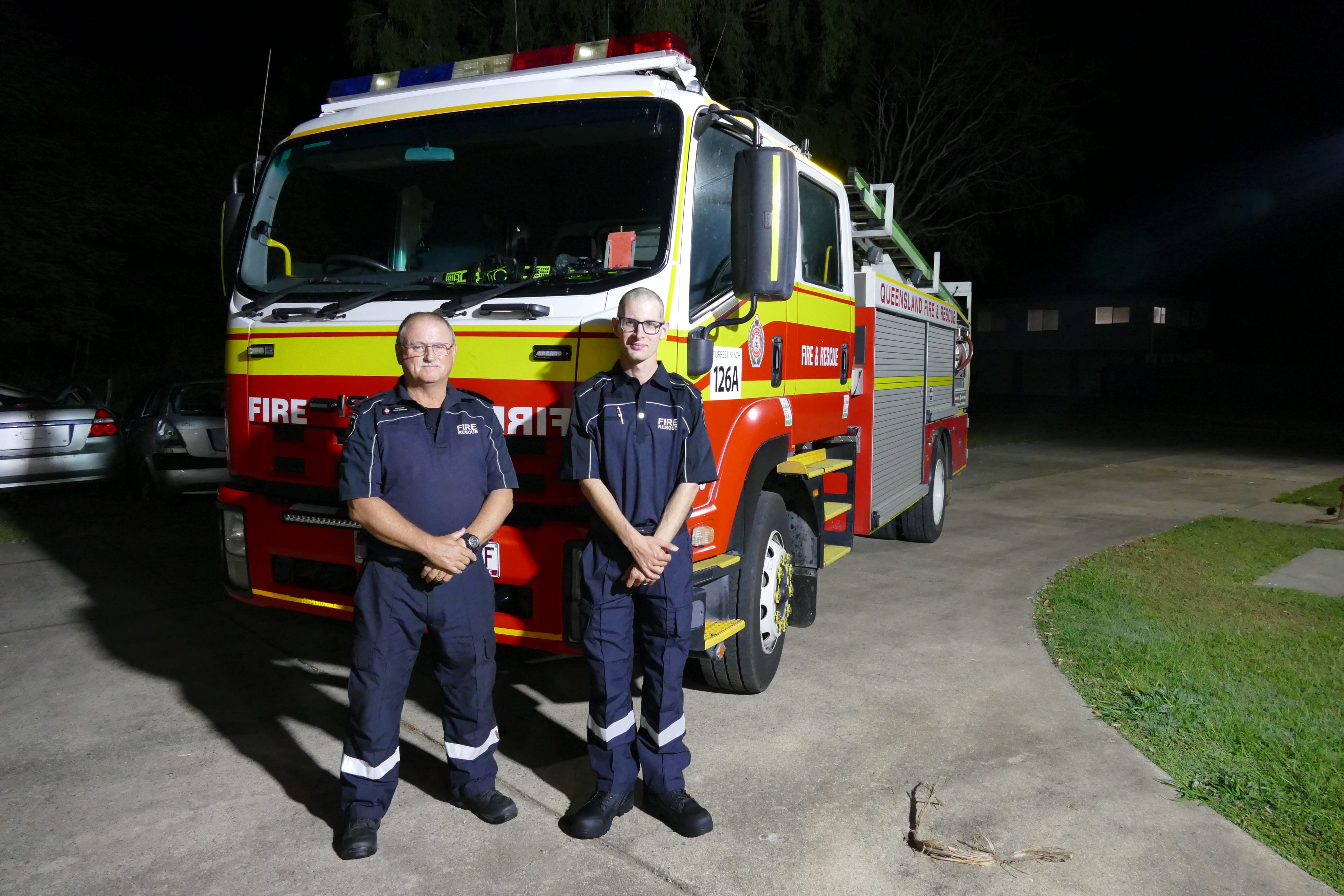
When disaster strikes, firefighters are often the first people the community turns to. But behind every emergency response is a team of locals who give their time, train regularly and step up when their neighbours need them most. Forrest Beach Fire and Rescue is encouraging more community members, particularly younger residents, to consider joining the station and becoming part of the team. "It's a good thing to get people back in from the community, especially for the station here; because we're an elderly community. Getting the younger people in is really, really important,” said Acting Lieutenant Keith Amos. Keith highlighted that being part of the station is a chance to make a tangible impact on the community- and not just in cases of fire. During the major flooding event of 2025 that isolated Forrest Beach and surrounding areas, firefighters assisted residents, with rescues, but also delivering meals and helping secure damaged homes. "The floods, when we were cut off, the way we were seen by the community and how we helped people really made an impact," Keith said. The crew’s role is diverse, and potential recruits are reminded that it’s not all flashing lights and sirens. Beyond the emergencies, auxiliary firefighters have an important role in the everyday community; regularly attending markets, school safety days and events to teach fire safety and engage with local families. During the recent Tasman Turtle Picnic Day, a popular community event for children, countless young attendees were proudly sporting the station’s bright, colourful Blazer the Koala firefighting mascot stickers. "We try and get into the community, showing what we do," Auxiliary Firefighter Michael Monbelli said. Michael also explained that for him, the biggest obstacle is balancing service with everyday life – though this factor he feels is understood and well-supported by the crew. Michael balances his firefighting role with full time work at the mill, and a busy family life with young children. On his team, there is a schoolteacher, two ex-servicemen, and another millworker. Auxiliary firefighters also commit significant time to weekly training. As for emergency response, call-outs can occur at any hour of the day or night. "Being an auxiliary is that we're on call.” Acting Lieutenant Keith Amos explained. “So even on our Wednesday night training we can get a call." Keith described the role as ‘drop everything and jump into action’. Despite the demands, Former Army serviceman Mark McEwen believes many people underestimate how manageable the role can be. "It doesn't take too much out of your normal week. Give up your three hours of training on a Wednesday, and you're on call." At the same time, emergency work can be unpredictable. "Things can change in a heartbeat," Mark said. He recalled a 4:00am call-out to a possible house fire. "Eight hours later, we get home. Us older fellas feel it a bit more, but it was worthwhile. That's what we're here for." The crew also works closely with volunteer organisations including the SES and Forrest Beach Surf Life Saving Club. During the February 2025 flood event, firefighters and surf lifesavers combined resources to rescue elderly residents trapped by rising floodwaters. According to the firefighters, the biggest motivation to get involved is that it feels good to make a difference in your community. "It's that sense of pride," Keith said, "I take pride in this job and I love doing it." "Even if you've never thought about becoming a firefighter, come down and have a chat to us," Keith said. "It's that simple.” Caption: Members of the Forrest Beach Auxiliary Firefighters: Glyn Morgan, former Air Force serviceman, and Braydon Fratus, local mill worker and the brigade's newest recruit, standing by the Forrest Beach Brigade’s fire engine.
Read the full story
.jpg)
New research from James Cook University (JCU) has revealed that epaulette sharks — often called “walking sharks” — can reproduce and lay eggs without any measurable increase in energy use, challenging long-held assumptions about animal biology.
The study, published in Biology Open, was led by JCU’s shark physiology research team under Professor Jodie Rummer and focused on the metabolic costs of reproduction in epaulette sharks.
“Reproduction is the ultimate investment … you are literally building new life from scratch,” Prof Rummer said.
“We expected that when sharks make this complex egg, their energy use would shoot up. But there was no uptick in energy use, it was completely flat.”
While reproduction is typically considered a high-energy process, this is the first time researchers have directly measured the metabolic cost of egg laying in sharks. The findings suggest epaulette sharks have evolved a unique physiological efficiency.
“These sharks appear to have adapted their physiology to be able to optimise their energy use,” Prof Rummer said.
“This work challenges the narrative that when things go wrong — such as warming oceans — that reproduction will be the first thing to go.”
Epaulette sharks usually produce two eggs every three weeks, with peak laying occurring between September and December. The research team monitored five female sharks before, during and after egg encapsulation in temperature-controlled tanks at JCU’s Marine and Aquaculture Research Facility in Townsville.
Lead author and recent JCU PhD graduate Dr Carolyn Wheeler said oxygen uptake, blood chemistry and hormone levels remained stable throughout the process.
“Under environmental stress many species will choose between survival and reproduction, but the epaulette shark might be able to continue to produce eggs,” Dr Wheeler said.
“That’s encouraging, because healthy sharks equal healthy reefs.”
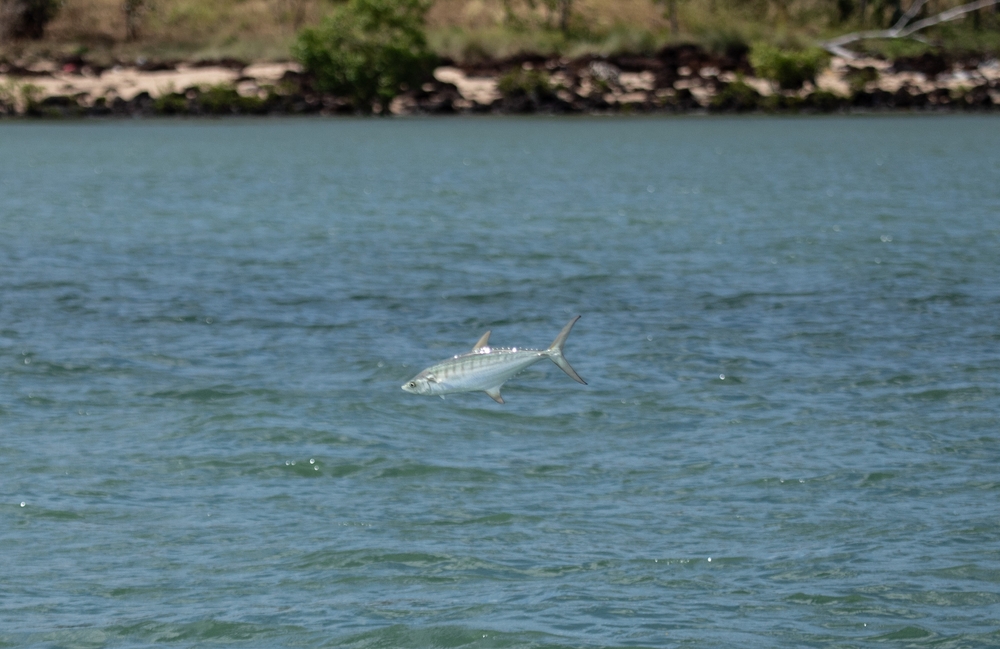
Legislative changes to the Spanish mackerel harvest strategy are now in effect for recreational fishers, while new rules for commercial fishers commence on 1 February 2026.
The Government says the changes are based on science and aim to put more iconic Spanish mackerel back on plates across Queensland. This year’s stock assessment found the population has likely increased to 34 per cent of un-fished biomass, allowing for higher catch limits.
For recreational fishers, the boat limit has increased from two to four Spanish mackerel per boat, while the individual bag limit remains at one per person. Commercial fishers will see the annual allowable catch rise from 165 tonnes to 250 tonnes – a 51.5 per cent increase. A new biomass target of 48 per cent has also been set to ensure sustainability into the future.
Minister for Primary Industries Tony Perrett said the changes were informed by data.
“As a government, to ensure sustainable fishing continues into the future, we must make our decisions based on the facts – and that’s what we’ve done here,” he said.
“We estimate this increase to the annual commercial catch limit will boost the Queensland economy by approximately $3.5 million in gross value of production. That means more jobs for Queenslanders and more Spanish mack on plates around the state, whether that be at home or showcased across our world-class tourism and hospitality sectors.”
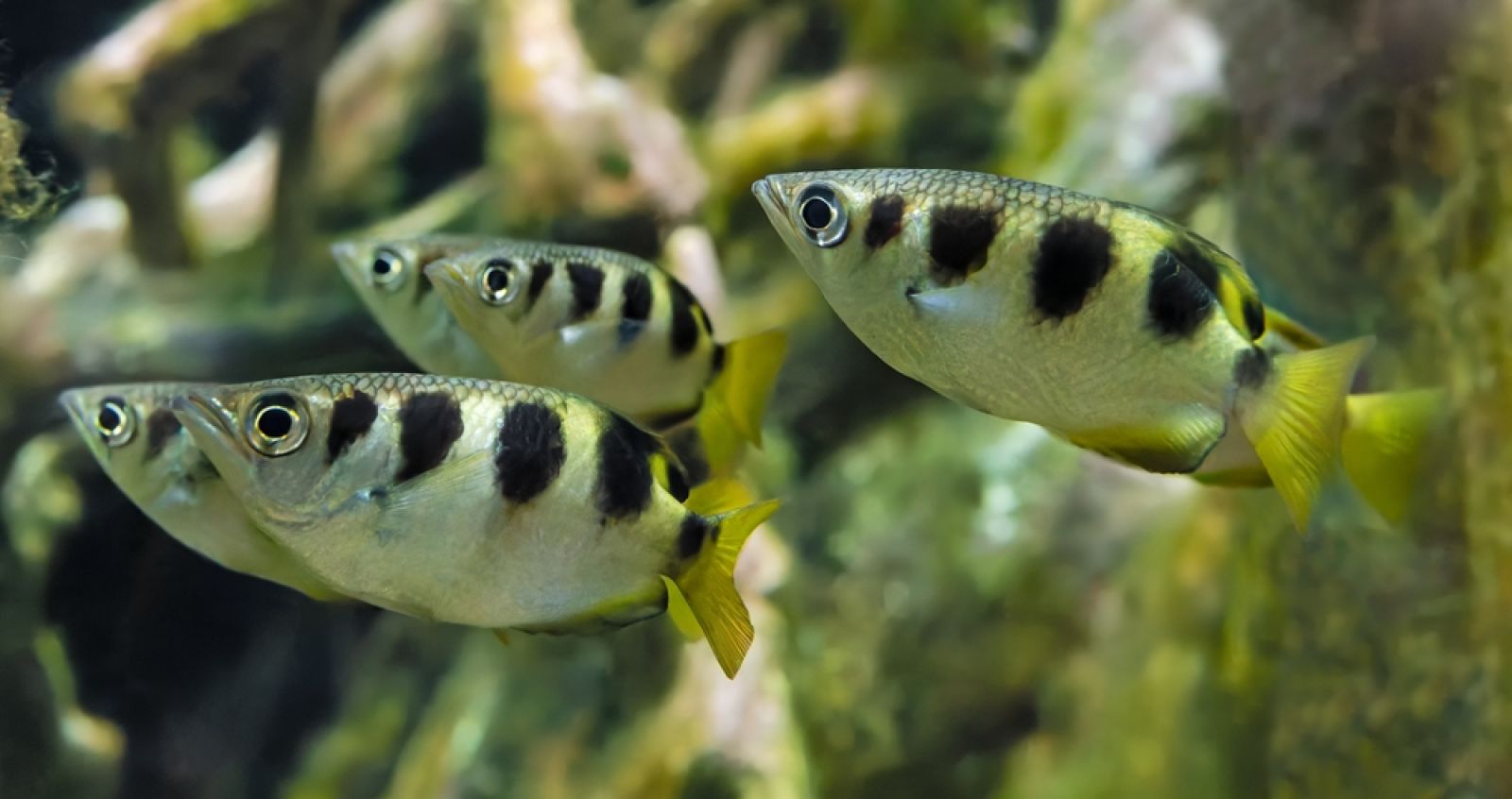
Australian freshwater fish are far more adventurous eaters than once believed, with new research revealing many species regularly snack on food that comes from beyond the water’s edge.
A study published in Freshwater Biology has found around half of Australia’s native freshwater fish rely on land-derived food sources such as fruits, insects and other invertebrates, with many unable to survive on aquatic food alone.
“No one has ever tried to determine the reliance of freshwater fish on terrestrial-derived diets at this scale, either in Australia or globally,” said James Cook University TropWATER researcher Dr Aaron Davis.
“Australia has famously nutrient-poor soils, so terrestrial inputs play a critical role in adding energy into freshwater ecosystems that fish wouldn't otherwise have access to.”
Researchers from Griffith University and The University of Western Australia analysed dietary data from 137 native freshwater fish species, examining how species type and climate influence feeding behaviour.
The study found terrestrial invertebrates such as insects, worms and spiders were an important food source for around a quarter of the species studied, particularly jollytails and rainbowfish. Fruit consumption was especially common among grunters and fork-tail catfish, with significantly higher intake recorded in northern Australia’s wet–dry tropics.
“For many of our native fish, aquatic food sources aren’t always consistently available,” Dr Davis said.
“So being able to take advantage of food that falls into the water from surrounding land vegetation makes sound evolutionary sense.”
The findings highlight the importance of protecting riverside vegetation, with Dr Davis noting freshwater fish are among the most threatened animals globally and rely heavily on healthy riparian ecosystems for survival.
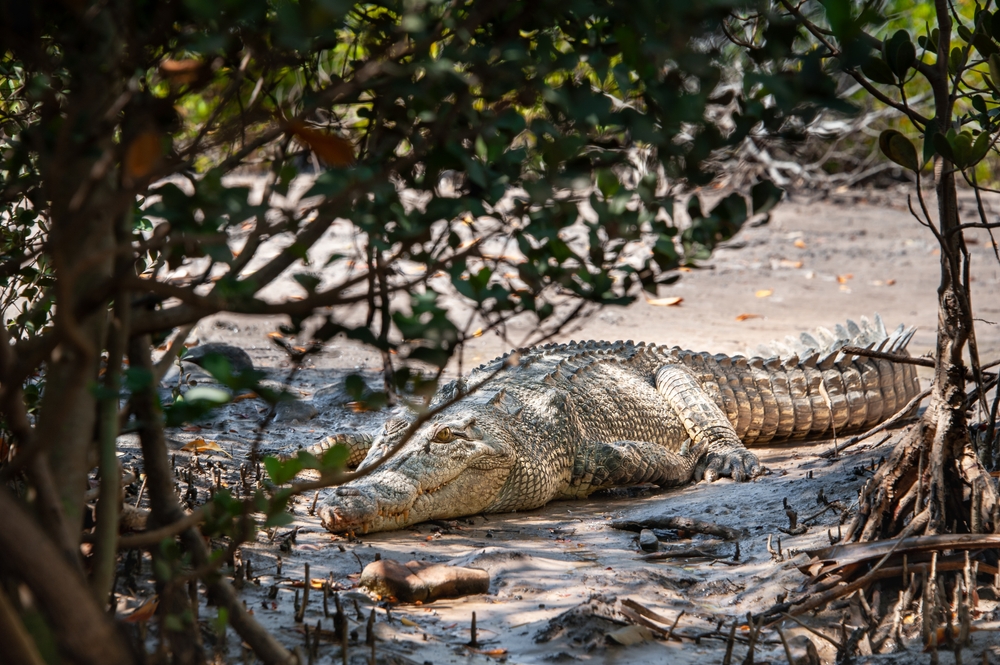
The Queensland Government has updated its crocodile management zones in the Cassowary Coast and Hinchinbrook regions as part of its ongoing effort to protect communities while conserving estuarine crocodiles.
The revisions are part of the Queensland Crocodile Management Plan (QCMP), a framework that identifies risks, supports public safety, and guides consistent crocodile management across the state. Estuarine crocodiles, also known as saltwater crocodiles, are a protected species but can pose significant dangers to humans.
In the Cassowary Coast, Warrina Lakes Community Parklands has been re-zoned as a Targeted Crocodile Removal Zone. This means all crocodiles two metres or larger, and any crocodile displaying dangerous behaviour, are targeted for removal to reduce the risk to visitors.
Meanwhile, in Hinchinbrook, the two front ponds of the Tyto Wetlands have been re-zoned as an Active Removal Zone due to their proximity to a children’s playground and visitor centre. In Active Removal Zones, all estuarine crocodiles—regardless of size or behaviour—are targeted for removal, with the goal of significantly reducing human-crocodile interactions in high-use areas.
The QCMP uses a zoning system to determine management actions based on local risks. Zones include Active Removal, Targeted Crocodile Removal, General Management, and Reportable Removal. Decisions consider crocodile size, behaviour, and location to determine whether a crocodile is classified as a “problem crocodile.”
The plan also supports the long-running Be Crocwise public safety program, which educates communities on safe behaviours in crocodile habitat. Residents are reminded that crocodile removal does not guarantee an area is free of crocodiles, and personal vigilance remains essential.
The Queensland Government encourages community feedback during its annual consultation period, ensuring local input helps shape safe and effective management strategies.
For more information on crocodile safety and reporting sightings, visit the Queensland Government’s Be Crocwise website.

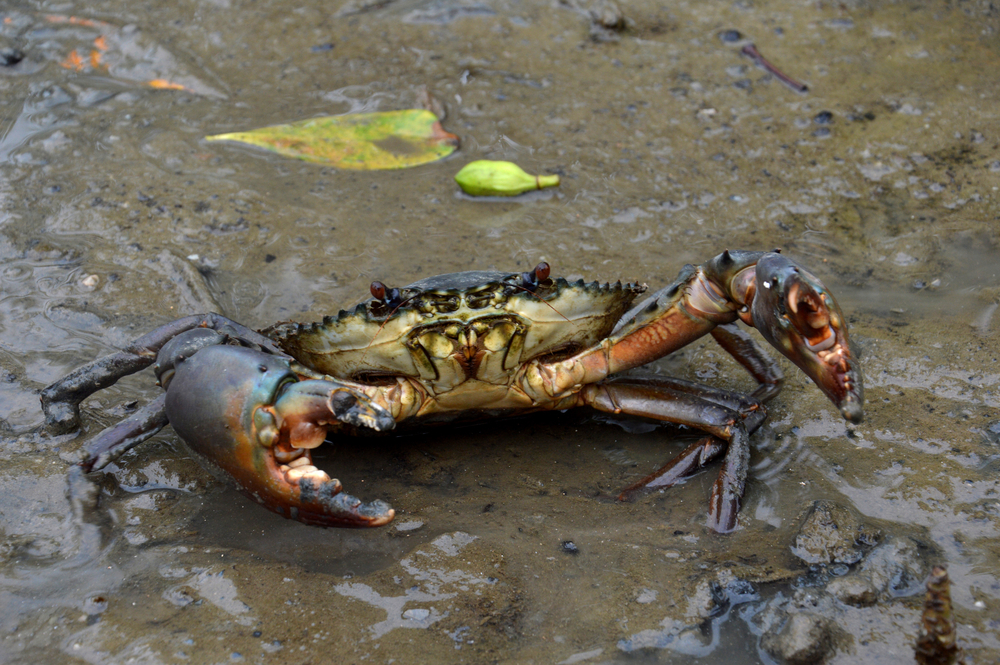
Queensland fisheries officers are continuing to clamp down on illegal mud crabbing activity, with a recent Bundaberg prosecution highlighting the serious penalties facing those who flout the rules.
A Bundaberg man was fined $20,000 after Queensland Boating and Fisheries Patrol (QBFP) officers uncovered 26 offences under the Fisheries Act 1994, including the unlawful sale and trafficking of mud crabs. Surveillance footage and a seized mobile phone revealed evidence of ongoing illegal sales to multiple buyers across the region.
The man was found in possession of 14 female mud crabs and multiple undersized crabs, with fishing equipment later forfeited.
Authorities say the case is just one example of widespread enforcement action across the state. Since 12 May 2025, QBFP has recorded more than $61,100 in major penalties and court prosecutions for mud crab offences, along with $85,699 in on-the-spot Fisheries Infringement Notices issued statewide.
Other recent cases include a Cairns fisher fined $12,000 with his boat seized and destroyed for interfering with crab pots, a fisher in Ayr fined for obstructing officers and failing to mark crab pots correctly, and a Brisbane fisher fined $12,000 after being caught with female and undersized mud crabs.
Queensland’s fisheries rules include strict minimum and maximum size limits, possession limits, closed seasons and no-take species across tidal waters. Fishers are reminded that possession limits are not daily limits and include any catch on the boat, on shore, in a vehicle or at home, including fish stored in freezers.
Under the rules, any undersized, oversized, no-take or closed-season species must be returned to the water immediately using best-practice catch and release techniques. Fish must also be measured using approved methods, and skin cannot be removed while on board.
Crustaceans, including mud crabs and blue swimmer crabs, must be kept whole with shells and claws attached, and female crabs are strictly protected. Similar regulations apply to fin fish, sharks, rays, shellfish and bait species, with additional rules for coral reef fin fish and closed waters.
Department of Primary Industries Deputy Director-General Fisheries and Forestry Pauline Jacob said additional patrol resources were strengthening enforcement across Queensland.
“Whether it's interfering with crab pots, taking undersized or female crabs or engaging in unlawful trade, no offence goes unnoticed and our staff are ready to take action,” Ms Jacob said.
“The message is simple, and the consequences are real—if you lift someone else's pots or take crabs outside the rules, you will be caught and face serious penalties."
Ms Jacob states the laws and regulations could not be clearer.
"Follow the rules or risk losing your boat, your gear and a lot of money," she said.
“Queenslanders value their seafood and sustainable fisheries. These laws are in place to protect that resource for everyone and ensure all anglers have a positive experience on the water.”
Local fishers are reminded to familiarise themselves with current size and possession limits and to use official resources such as the Qld Fishing 2.0 app to stay informed and compliant.
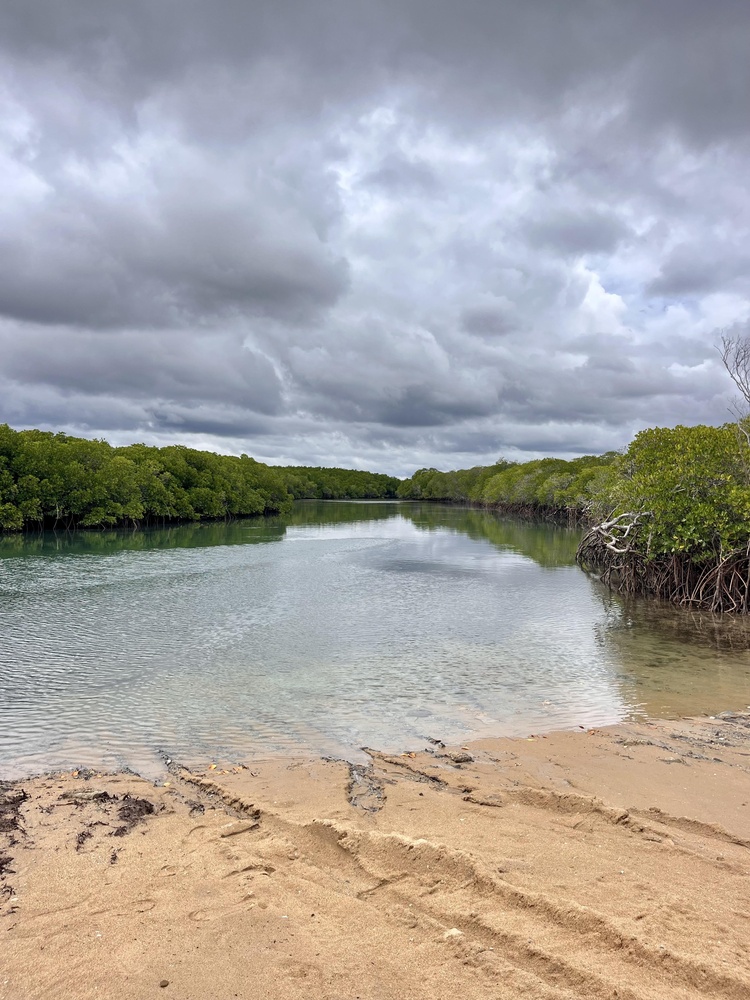

With the start of the new school term, police from Highway Patrol and general duties have increased their presence in local school zones to help keep students, parents and teachers safe during peak drop-off and pick-up times.
Officers are stationed at schools at the beginning and end of each day to monitor traffic and address dangerous behaviours, including speeding, drink and drug driving, and parking offences. Speeding fines in school zones range from $333 to $1,919, with drivers facing between one and eight demerit points depending on the offence.
Police are urging parents and caregivers to take extra care when driving through school zones, reminding motorists to slow down, remain alert and use designated pick-up and drop-off areas wherever possible.
Drivers are also being asked to respect school crossing supervisors (lollypop men and ladies), who volunteer their time to help children and families cross roads safely.
Police say small decisions behind the wheel can have serious consequences and are reminding motorists that school zones are active environments where patience and caution are essential.
(Contributed with thanks by the Ingham Police Station)
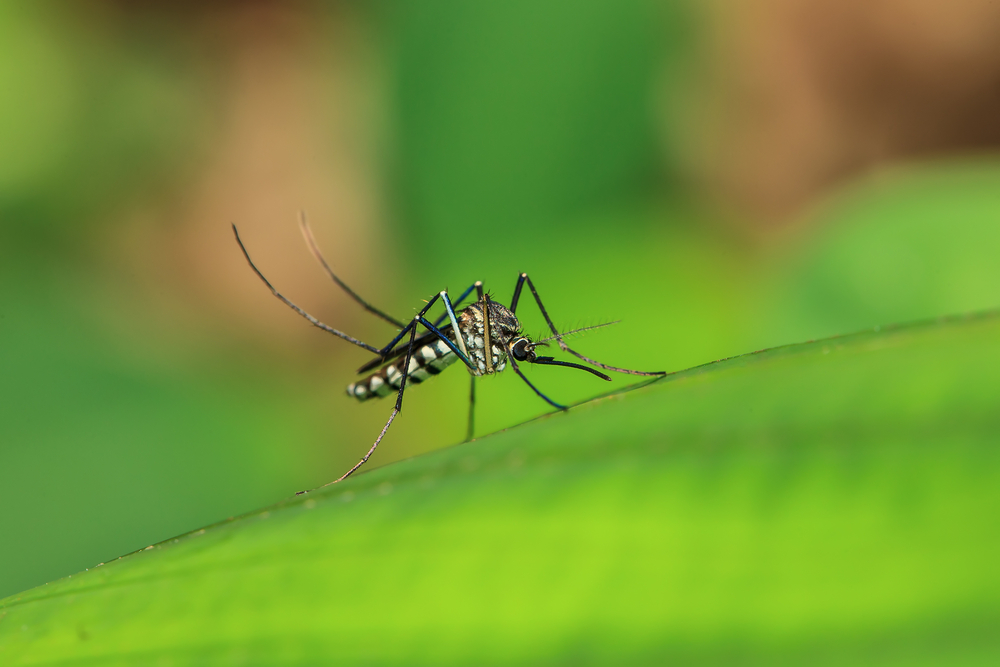
Hinchinbrook Shire Council advises that an aerial drop of mosquito briquettes will be carried out from Tuesday, 3 February 2026, weather permitting, across the coastal wetlands at Forrest Beach, Taylors Beach, and Lucinda.
These treatments are part of Council’s ongoing mosquito control program and are specifically designed to target mosquito larvae.
In addition to these measures, Council continues to implement mosquito control across Council-managed land and selected Unallocated State Land to reduce mosquito-related nuisance and minimise the risk of mosquito-borne diseases.
While Council is actively managing public areas, residents are reminded of their responsibility under the Public Health Regulation to prevent mosquitoes from breeding on their property.
Simple actions can make a big difference:
Empty any containers holding water to stop mosquitoes from breeding;
Install and maintain fly screens, bed nets, and keep yards tidy to remove potential mosquito habitats;
Use natural repellents like mosquito-repelling plants and essential oils and consider using mosquito traps or zappers for additional protection;
Fans can also help, as mosquitoes are weak fliers; and
Treat non-drainable water sources with approved larvicides, ensure swimming pools are clean and properly chlorinated, and keep bin lids tightly closed to prevent water accumulation.
Council and our coastal communities can reduce the mosquito population by working together. For further information, please contact Council via email council@hinchinbrook.qld.gov.au or phone (07) 4776 4600.
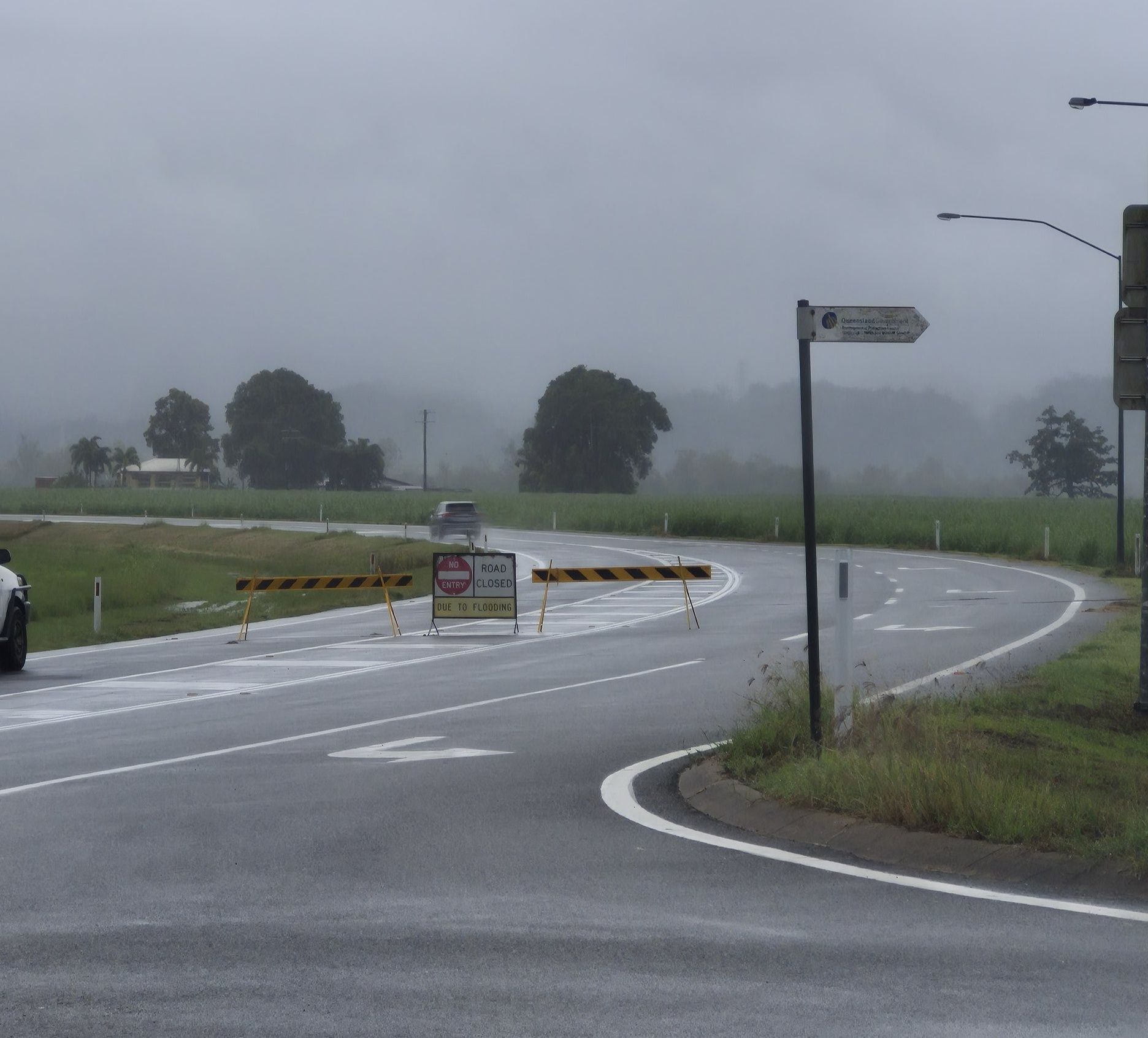
As the wet season continues across Queensland, motorists are being reminded to take road closure signs and floodwater warnings seriously, with authorities stressing that flooded roads pose significant and often hidden dangers.
During periods of heavy rainfall, the Department of Transport and Main Roads works alongside local councils to monitor road networks and ensure the safety of motorists. When flooding occurs, roads can quickly become unsafe, with water concealing washed-out sections of road, debris, and other hazards that are not visible from the driver’s seat.
According to Get Ready Queensland, driving into floodwater remains one of the leading causes of flood-related deaths across the state. While vehicles are designed to keep people safe on dry roads, they offer little protection once water is involved — regardless of the type of vehicle or a driver’s experience.
Even shallow floodwater can cause critical vehicle systems to fail. Steering can become powerless, engines and electrics can stop working, and traction can be lost in as little as 15 centimetres of water, causing vehicles to be swept away. Floodwater pressure can also prevent doors and windows from opening, making escape extremely difficult.
When water levels reach a point deemed unsafe, roads are officially closed using designated signage. These closures are put in place to protect motorists and reduce the need for emergency rescues. Motorists who ignore road closure signs can face fines of up to $233 and incur three demerit points.
Authorities urge drivers to plan ahead, check local disaster dashboards and road conditions before travelling, and never attempt to drive through floodwater. The message remains clear: If it’s flooded, forget it.
For emergency assistance, contact Police, Fire or Ambulance services by calling Triple Zero (000). For more flood safety advice and preparedness resources, visit the Get Ready Queensland website.
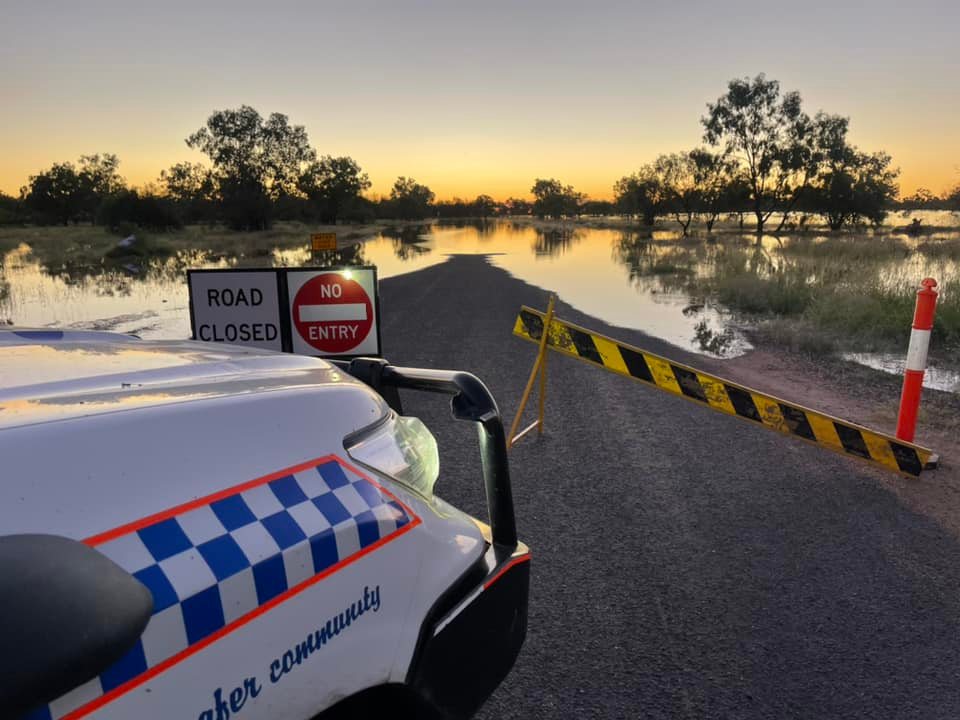

The Queensland Police Service (QPS) are appealing for public assistance to help locate a number of vehicles stolen across Far North Queensland in the past month, as part of the latest Vehicle Watch update.
According to Queensland Police, at least 69 vehicles have been reported stolen across the region so far in January, with the same number recorded for the year to date. In comparison, 808 vehicles were stolen across the Far North in 2025.
Among the most recent thefts is a blue 2009 Audi A6-C7, Queensland registration 102OX8, stolen from Woree on 25 January. A silver 2018 Toyota Corolla, registration 756XXC, was also stolen from Atherton on the same day.
Police are also searching for a silver 2011 Hyundai i20, registration 635ZNQ, stolen from White Rock on 23 January, and a blue 2008 Hyundai Getz, registration 504ZNQ, stolen from Westcourt on 24 January.
Several other vehicles, including cars, dual cab utilities, motorcycles, quad bikes and a campervan, have been reported stolen from locations including Cairns City, Thursday Island, Babinda, Mareeba and Gordonvale throughout January and late December.
QPS have recently launched an Active Stolen Vehicle Public Portal, allowing members of the public to view up-to-date information about stolen vehicles.
Authorities are reminding residents to take simple steps to reduce the risk of vehicle theft, including removing valuables from vehicles, ensuring vehicles are locked, not leaving spare keys inside cars, securing keys out of sight, and making sure homes are properly secured.
Anyone with information that may assist police is urged to contact Policelink via the online suspicious activity form at police.qld.gov.au/reporting. Information can also be provided anonymously through Crime Stoppers on 1800 333 000 or online at crimestoppersqld.com.au.
Anyone contacting police is asked to quote reference numbers QP2600169582, QP2600158919, QP2600146527 or QP2600151299.

Residents are reminded that sand and sandbags remain available for those wishing to make their own preparations.
Community members can still access sand and sandbags at the following locations:
Cordelia – Carr’s Farm
Halifax – Lancini’s Farm Shed, Scott Street
Lucinda – Lions Park, Patterson Parade (near the Coastguard)
Taylors Beach – Progress Park
Forrest Beach – Near the water tower and skate park
Residents are encouraged to keep any existing sandbags in place and store unused sandbags in a dry area to ensure they remain intact, as they deteriorate quickly when wet.
Sandbags remain a key component of wet‑season preparedness.
Even if they are ultimately not required, having them ready provides protection and reassurance while weather conditions continue to evolve.
The Local Disaster Management Group (LDMG) continues to actively monitor weather conditions and associated risks.
The LDMG thanks residents for their continued preparedness, cooperation, and community support.
(Contributed with thanks by Mayor Ramon Jayo, Chair of the Hinchinbrook Local Disaster Management)

Forget the superstition - Friday the 13th is getting a glow-up. This Valentine’s season, Mandy’s Beauty in the Bush is turning the lead-up to February 14th into a joyful celebration of love, friendship, and feel-good moments that start before the big day.
With Valentine’s Day falling on Saturday the 14th, Mandy is spreading the love throughout the week, including Friday deliveries to local workplaces, because nothing brightens a workday quite like surprise flowers arriving at your desk.
For those on the go, Mandy also offers “Petal Pick Up” from her studio in the heart of Ingham. Simply call ahead, grab some beautiful blooms on your way home, and surprise a loved one with a spontaneous burst of floral joy.
From lush fresh flower arrangements to chocolates, teddy bears, wine, and beautifully curated gift packs, Mandy makes it easy to spoil the people you love. Planning a romantic dinner? Flowers can even be delivered straight to your chosen restaurant for that extra wow factor.
And Valentine’s isn’t just about romance. Mandy’s designs celebrate love in all its forms, from Galentine’s dates and lifelong friendships to self-love and community connection. While classic red roses will always have their place, this year’s trend blends pinks and reds for a softer, modern take that feels warm and joyful.
Each arrangement or bouquet is thoughtfully designed to feel personal, meaningful, and full of heart - the kind of gift that says it all -without saying a word.
With Mandy’s Beauty in the Bush, Friday the 13th isn’t unlucky at all. It's a week filled with love and floral moments that make hearts bloom.



Pink Roses
Pink roses are known for expressing admiration, gratitude, and affection. Their softer tones convey gentle emotions, making them suitable for a variety of occasions beyond romance, including friendships and celebrations.
Admiration and Appreciation: Pink roses are perfect for thanking someone or acknowledging their efforts.
Joy and Happiness: They celebrate special moments such as birthdays, anniversaries, and achievements.
Gentleness and Femininity: The soft hues embody grace and elegance, often associated with femininity.
Red Roses
Red roses, in contrast, are the classic symbol of passionate love, deep affection, and desire. They convey strong emotions and are traditionally reserved for romantic expressions, making them ideal for significant occasions.
Passionate Love: Red roses are the ultimate expression of romance and devotion.
Respect and Admiration: Beyond love, they also communicate respect, appreciation, and heartfelt admiration.
Reserved for the Heart’s Chosen: Unlike pink roses, red roses are best given to someone truly special, a meaningful gesture for the chosen one of your heart.
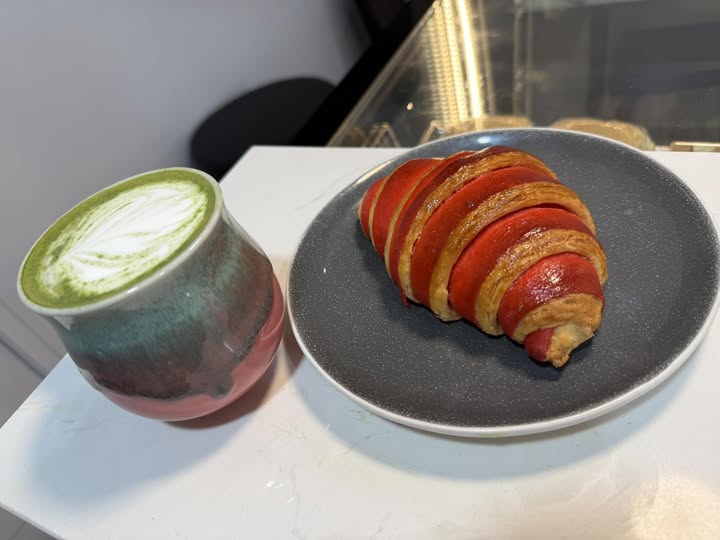
Valentine’s Day is all about sharing love, and what better way to celebrate than with something sweet and delicious from Mick’s Bread Kitchen? Enjoy a special moment together over a shared treat, whether it’s a picnic by the water or a quiet afternoon under the trees of your own garden.
Bakery favourites include mini Burnt Basque cheesecakes with a caramelised brûlée twist, huge bars of Dubai Chocolate, and fresh raspberry croissants filled with vanilla bean custard and raspberry compote. Valentine’s cupcakes will fill the shelves, ideal for sharing with your sweetheart... or keeping it all to yourself!
For a sustainable and stylish way to enjoy your drinks, Mick's now stocks Pottery For The Planet ceramic travel cups. Each cup is handmade and unique, designed to keep drinks hot or cold for longer. Pick a cup for you and one for your love this Valentines, making your coffee or tea times a little more special.
This Valentine’s weekend, share a sweet moment, a delicious treat, or a perfectly brewed drink. Love is best served with flavour and enjoyed together.

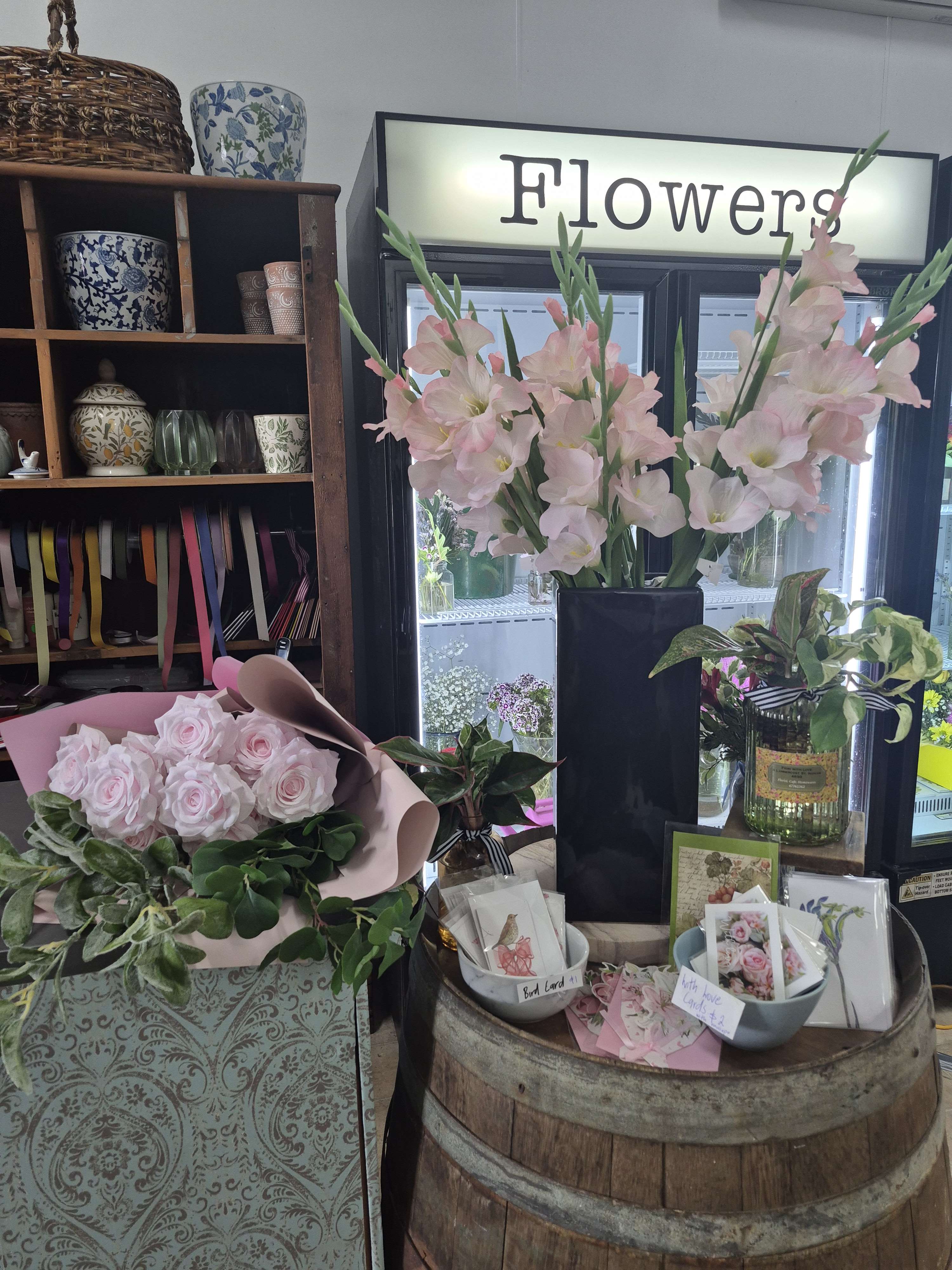
This Valentine’s season, Fiori With Love is inviting locals to celebrate romance, friendship, and connection in a space that’s been beautifully transformed to suit every kind of love story. Following their recent renovations, the café now offers a mix of cosy private nooks perfect for intimate dates, along with larger tables ideal for Galentine’s gatherings filled with laughter and good company.
Couples can enjoy a relaxed moment together, sharing a slice of cake and a warm drink while sitting among the blooms near Fiori’s stunning new floral hub. Surrounded by fresh flowers and soft colours, it’s a setting that feels special without being formal, making it an easy choice for those wanting to mark the occasion in a simple but meaningful way.
For groups of friends, the open layout creates the perfect space to gather, catch up, and celebrate the important women in your life. Whether it’s a long brunch or a spontaneous catch-up, Fiori’s welcoming atmosphere makes every visit feel like a little celebration.
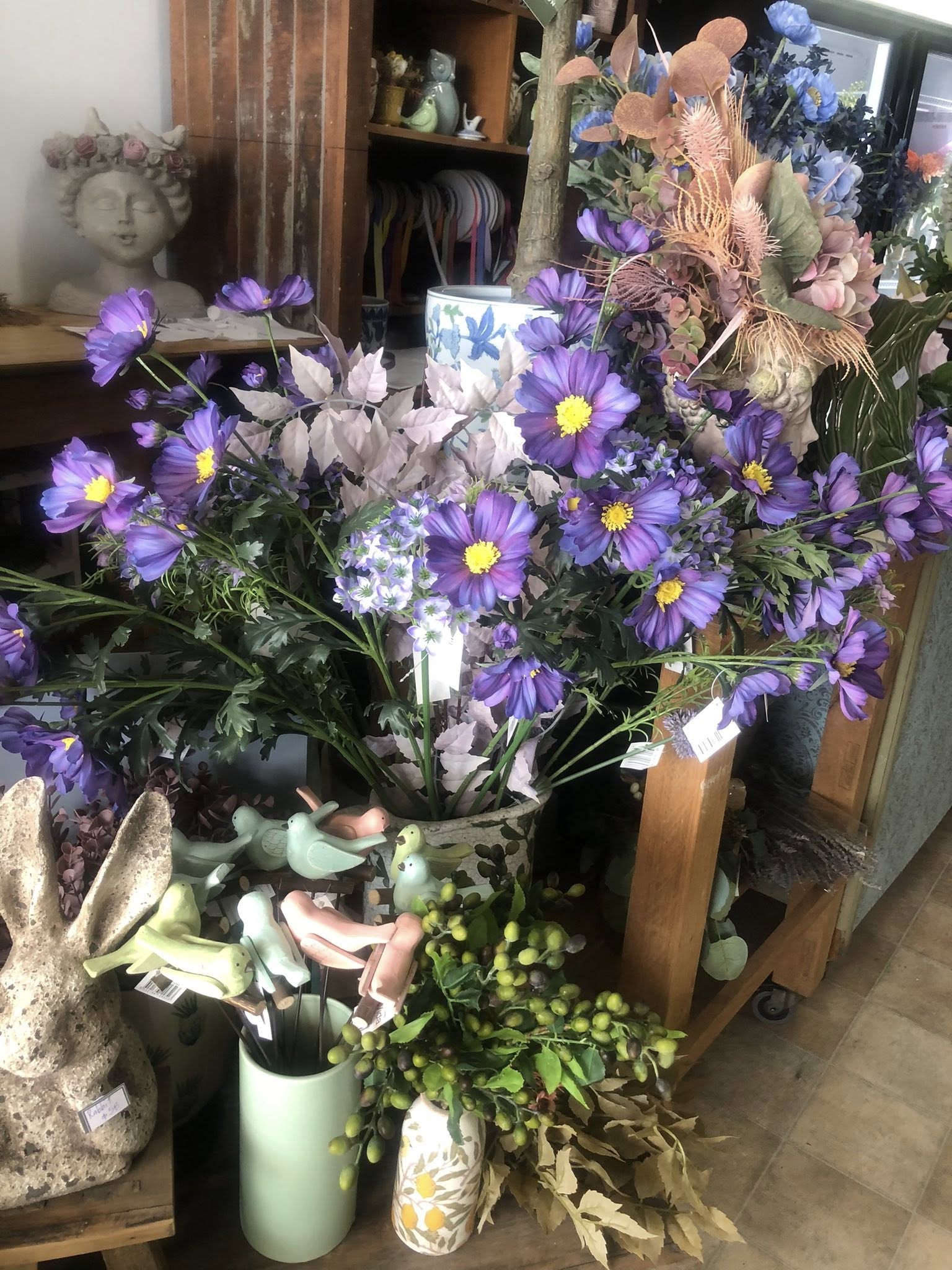
From quiet romantic moments to joyful group catch-ups, Fiori With Love is making this Valentine’s season a cosy one. Alongside the café experience, visitors can browse a beautiful range of boutique gifts and homewares, perfect for surprising a loved one with something thoughtful and unique. And of course, for those who love to give flowers, Fiori’s signature floral creations remain at the heart of the space, with fresh and forever options. You can come in or call Louise on 07 4776 2362 to reserve a table or order a bouquet.
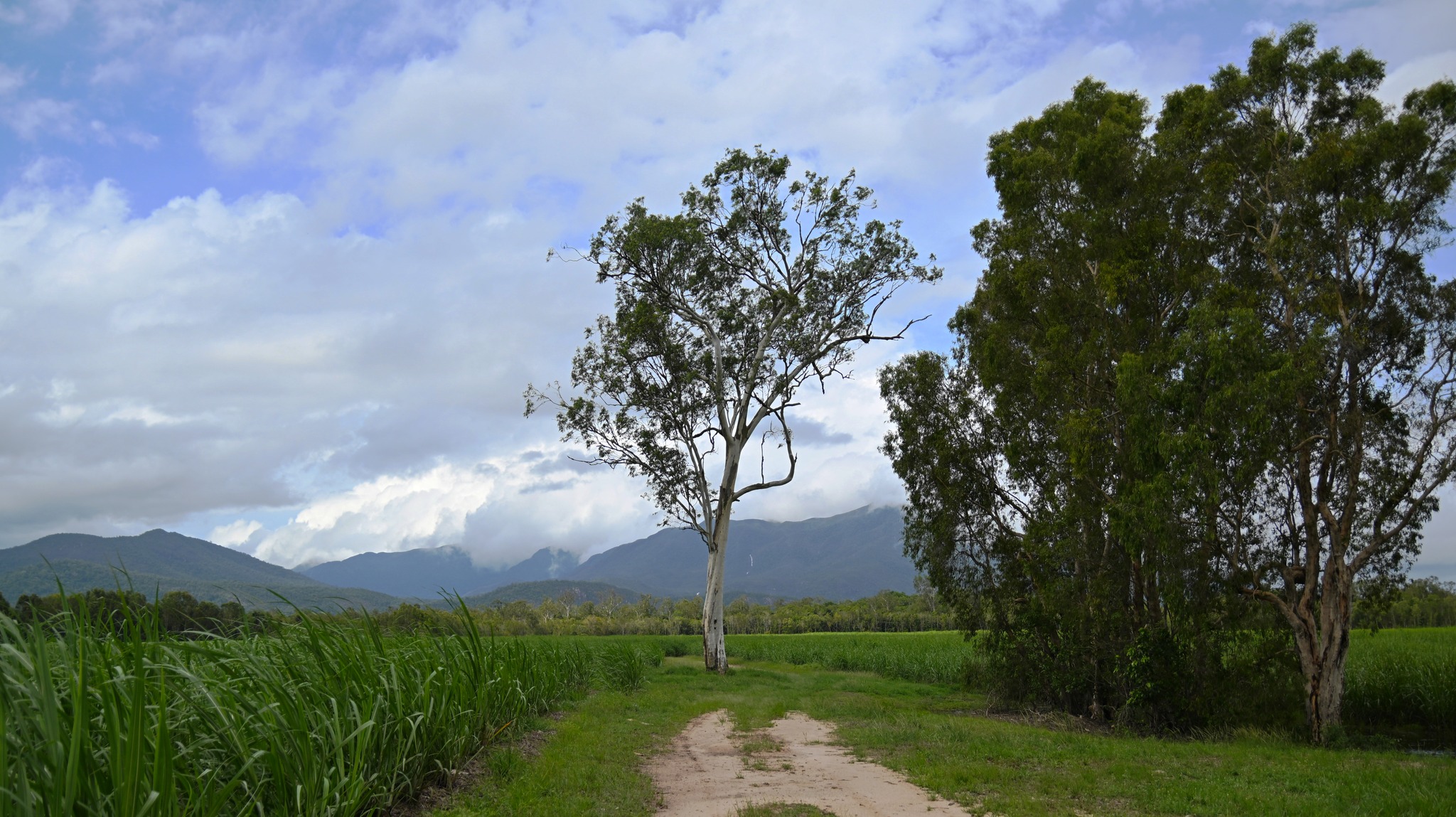
Our first prompt for Hinchinbrook Life's Photo Of The Week is: 'Our Country, Australia'
This week's feature photo is by Tracey's Photography - Tracey Adams.
Featuring Macknade looking toward Hinchinbrook Island. Taken Dec, 2025.
"Australia means home."
To submit your photo to be eliagle for feature in the newspaper, please join the "Ingham Photography Group" facebook page. A post will be made regularly with a prompt for you to submit your photos too.
Publishers Indemnity. Any individual or entity that places advertising, supplies copy material, or submits editorial content to Life Publishing agrees and undertakes to ensure that all such material:- Does not infringe upon any copyright, trademark, or other intellectual property rights;- Is free from any content that could be considered defamatory, libelous, or slanderous;- Does not infringe upon any rights related to privacy or breach of confidence;- Contains no obscene, indecent, or otherwise unlawful material;- Complies fully with the Trade Practices Act and all other applicable laws, regulations, or statutes. Furthermore, by submitting or placing such material, these individuals or entities agree to indemnify and hold harmless the publisher, Life Publishing and Events Pty Ltd, and/or its agents from and against any and all investigations, claims, demands, liabilities, damages, costs, or judgments arising out of or in connection with the material provided. All material is believed to be accurate at the time of printing and remains the copyright of Life Publishing and Events Pty Ltd.
© 2026 Life Publishing Group Ltd.
