
Independently Owned, Locally Grown, Community Loved
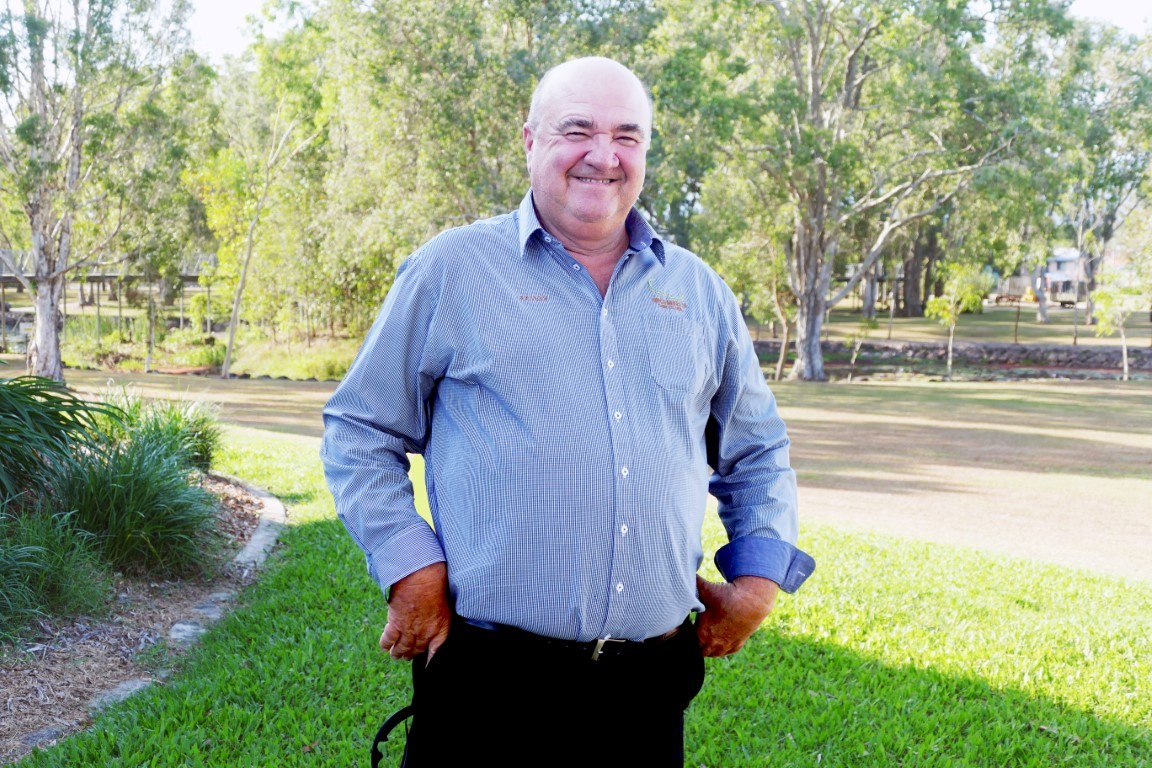
As uncertainty continues around fuel supply in the foreseeable future—due in part to the ongoing conflict in the Middle East—Council is putting contingency plans in place to best manage resources if required, ensuring service delivery to the community is not significantly compromised. While current fuel supply arrangements remain stable, our vulnerability—particularly during the high-risk weather season—means forward planning is essential. Council is determined to be prepared, not reactive. Our immediate priority is ensuring fuel is available where it matters most. Essential services such as water and sewerage operations, waste collection, regulatory services, and disaster response must be protected. To achieve this, some non-essential activities may need to be adjusted if supply tightens. These decisions will not be taken lightly, and Council will always communicate any changes clearly and early. However, as we are increasingly recognising, fuel resources and supply present growing challenges for regional Australia. Addressing this means we must, as a nation, start thinking differently about how we secure our fuel future. This is where bioenergy—particularly from sugarcane—presents a significant opportunity. We have been advocating for bioenergy for years. We already know it works, and ethanol derived from sugarcane has the potential to be a low‑carbon, renewable game changer for Australia’s fuel security. Many other nations are already embracing this approach, so why can’t we? Sugarcane is a powerful and versatile crop. Beyond sugar production, it already contributes to renewable electricity generation through bagasse. You would therefore understand my delight at hearing yesterday’s recommendations from the State Government’s Primary Industries and Resources Committee, following its inquiry into Sugarcane Bioenergy Opportunities in Queensland. The purpose of the inquiry was to examine the current state of the sugarcane industry in Queensland, including the barriers and opportunities facing the sector, and to consider mechanisms to support its future growth and diversification. The committee made 12 recommendations to the Queensland Government aimed at supporting the development of a resilient and profitable sugarcane bioenergy industry. The committee concluded that, with appropriate policy settings and coordinated investment, Queensland’s sugarcane industry is well positioned to play a significant role in the state’s emerging bioeconomy, strengthening regional economies and contributing to Australia’s long-term energy and fuel security. However, the job is not yet complete. We must continue advocating to ensure the State Government not only accepts these recommendations but implements them. Both State and Federal Governments must mandate the use of biofuels and establish the right regulatory and policy settings to create a viable market and provide certainty for investment. This is not about politics. This is about reality. And it is about securing a sustainable future for our region.
Read the full story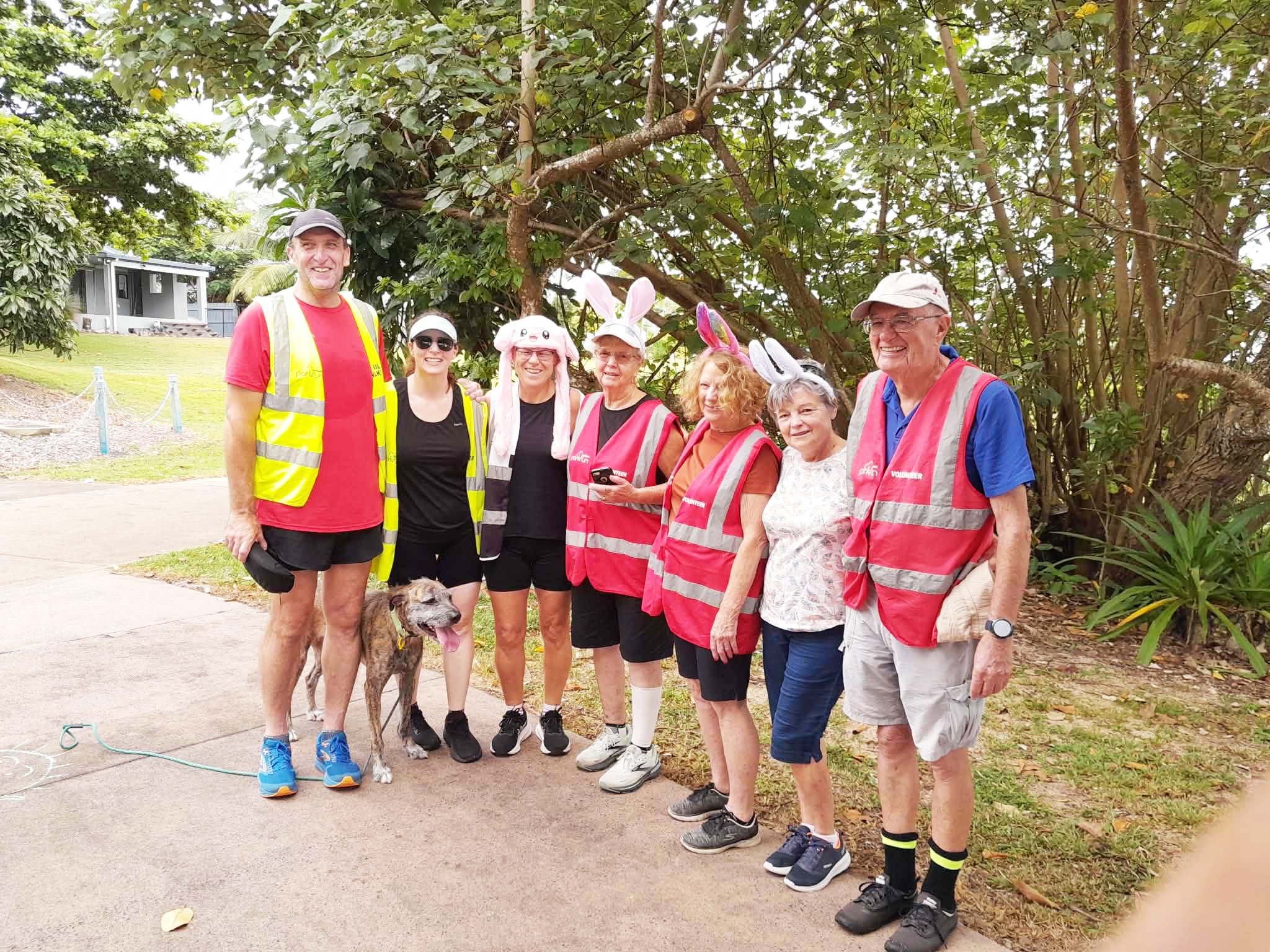
Happy Easter From Parkrun By Victoria Velton Easter weekend brought a noticeable boost to numbers across both courses, with plenty of visitors joining locals for a spirited morning of exercise. At Cardwell, volunteers got into the festive spirit, sporting rabbit ears as runners and walkers took to the course, adding a bit of fun to the morning. Meanwhile, Palm Creek welcomed two large visiting groups from Townsville and Brisbane, helping swell the field and creating a lively atmosphere out on the track. It’s always fun to run and race against new people, having so many on the track meant there was a new face around every bend. Parkrun Results: 4th April 2026 Palm Creek #119 – 57 participants Fastest time: Jeff Rubach (17:54) Final finisher: Kelly Krumin (58:26) PBs: 14 achieved First-timers: 14 welcomed Volunteers: Steven Veltmeyer, Amanda Towner, Samantha Neitz, Matteo Mancuso, Kelly Krumin, Bridgette Duffy Cardwell #381 – 33 participants Fastest time: Joshua Chugg (18:35) Final finisher: Matthew Gardiner (53:24) PBs: 4 achieved First-timers: 10 welcomed Volunteers: Kerry Snell, Glenda Stahel, Jan Ferguson, Terry Curtin, Matthew Gardiner, Rachelle Warlond Photos sourced from Palm Creek & Cardwell Parkrun Facebook pages.
Read the full story.jpg)
New research led by James Cook University is shining a light on what experts describe as the “Achilles’ heel” of marine protected areas (MPAs)—human behaviour. While MPAs play a vital role in protecting ocean ecosystems, including coral reefs and seagrass habitats, the study found their success depends heavily on how well people comply with the rules designed to protect them. Led by conservation scientist Brock Bergseth, the research brought together global experts to develop a new framework aimed at improving compliance. “Globally, marine protected areas and other conservation programs are often impeded by the inability to successfully manage human behaviour,” Dr Bergseth said. The study challenges the traditional reliance on enforcement and penalties, instead promoting a balanced “carrot and stick” approach that encourages voluntary compliance. “While some enforcement may be necessary, it’s not a panacea for compliance,” Dr Bergseth said. Researchers emphasised that early and ongoing engagement with communities is key to success, helping people feel a sense of ownership and fairness around regulations. Senior researcher Jon Day said improving compliance systems would be critical for the future of marine conservation. “Over the course of my career, I’ve seen what happens when compliance and enforcement are under-resourced or overlooked – to the detriment of effective MPAs,” he said. “Reframing our global compliance system will better enable long-standing success of marine conservation initiatives, protecting ocean health now and far into the future.” CAPTION: A new JCU-led study has shown that effective conservation relies heavily on compliance. Photo source: JCU
Read the full story
Community consultation for the Cardwell Walking Network Plan has wrapped up, with local feedback playing a key role in shaping the town’s future walking infrastructure. Over a five-week engagement period, residents shared their views through an online Your Say page, an interactive mapping tool and a community workshop, providing valuable insight into how locals use and experience Cardwell’s walking network. Feedback highlighted the foreshore as the town’s most valued walking destination, while also identifying a strong need for improved connectivity, safety and overall comfort across walking routes. In response, the draft plan has been updated to include stronger links to the foreshore shared path, upgrades to key routes such as Gregory Street and the Bruce Highway, and the introduction of new pedestrian crossings and safety features. Additional lighting, seating and amenities have also been incorporated to enhance the walking experience. The project is being delivered by Cassowary Coast Regional Council in partnership with the Queensland Department of Transport and Main Roads. Council will now work with TMR to finalise the plan, which will help guide future investment in walking infrastructure across Cardwell, subject to available funding. Community members who contributed to the consultation process have been thanked for helping shape a more connected and accessible future for the town.
Read the full story
.jpg)
The New Year in Hinchinbrook has certainly been heralded with some interesting weather patterns kicking off the year! What began as a welcome reprieve from the very hot and dry conditions quickly turned to more rain than was preferred and reminded us all to be prepared for another wet season. Thankfully, the predicted event did not eventuate — this time — however it was definitely a very good real-life reminder to get our wet season preparation in order.
Like many people, I believe the start of a New Year is an excellent opportunity to take time to reflect and reevaluate the year that has been and what the future direction for our personal, professional, and family lives may be taking. Many families may have children starting their education journey or the next phase into employment. Many may commence new jobs, return to work, change location, or commence the retirement phase of their lives.
For the business community, traditionally, the first quarter of the year is often a quieter trading period locally due to weather impacts, and the agricultural sector often is in the slower maintenance cycle of the year. This quieter pace provides an excellent opportunity to review and reassess the business plans for the year and take the opportunity to invest in personal and professional development time that will provide support for the remainder of the year.
Across the Shire, I believe 2026 will provide some exciting opportunities, as well as challenges, across the diverse sectors that support our local economy. Not being one to make New Year's resolutions, however, each year I do take the time to pause and reset. My wish for our community in 2026 will be getting excited to seeing the housing growth continue, new developments come to fruition, and a continued willingness for our community to embrace new opportunities as they may present.
Happy New Year, Hinchinbrook!
STORM-PROOFING SEYMOUR RIVER BRIDGE IS LONG OVERDUE
If I had a dollar for every time I saw the question, “Is the Seymour River Bridge open?” on social media, the upgrade to that stretch of road might already be paid for.
Whilst there is no doubt that the Bruce Highway is a very vital transport corridor for Queensland, linking Brisbane to Cairns, it is also the main access road for around 250 residents of our community who reside in a farming and rural residential lifestyle in the northern reaches of our Hinchinbrook community. The Mount Gardiners Road and Seymour communities rely on this section of the Bruce Highway to travel to work, to attend school, or conduct business in Ingham daily, and unfortunately, disruption by weather events is becoming neither rare nor unexpected.
This year, the road at the Seymour has gone under three times and has remained cut for four days already, all from storms of 200 millimetres plus, not riverine flooding.
The section of road through the Seymour system is part of the Herbert River flood plain, and it’s ridiculous for anyone to suggest you can flood-proof a floodplain.
The issue we have is far more basic: the Seymour River Bridge can’t even handle storms.
This is about storm-proofing, not flood-proofing.
When the bridge goes under, causing disruption to our northern residents as aforesaid, commerce in general also grinds to a halt.
Produce can’t get south, stock can’t go north.
Fuel, groceries, and crucial supplies are delayed.
Trucks carrying goods between Brisbane, Rockhampton, Townsville, and Cairns are stranded.
Travellers are cut off, tourism suffers, and regional communities are reminded how fragile their connectivity really is.
There is a $9 billion pledge currently on the state books to improve the Bruce Highway — but the funding earmarked for our section of the Bruce through Seymour appears focused on safety rather than addressing flooding.
I am lobbying our State Government to reconsider the current design and plans for our section. A relatively modest lift of say half a metre in bridge or culvert fashion, enabling more water to flow freely beneath rather than damming, will, with a very good clean out of the system between the bridge and Seymour River proper, significantly reduce closures caused by routine wet-season storms.
Storms carrying 200mm plus mills of range rain are not an anomaly in our part of the world. They are a certainty.
As part of the National Land Transport Network, the Bruce is more than a highway. It is the lifeblood of the state, carrying around 20 million tonnes of freight each year, supporting agriculture, resources, construction, manufacturing, and services, and connecting to 11 coastal trading ports.
It services 62 per cent of Queensland’s population — more than 3.2 million people — a figure expected to exceed four million by 2041.
Given those statistics of the vitality of the Bruce, it is really a no brainer in my books.

The Hinchinbrook Visitor Information Centre has been a Driver Reviver site for two years, and we’re still going strong!
Since 11 December 2023, thousands of travellers have stopped into espresso themselves, grab a cuppa, and take a break before hitting the road. Because when it comes to fatigue, we say: don’t chai your luck — stop and revive!
Free tea, coffee, and snacks | Local maps and travel tips | A warm Hinchinbrook welcome
A latte love to our amazing volunteers and staff, and to Coles for keeping the milk flowing! Plus, big thanks to our national partners: AMMI, SES, FedEx, Arnott’s, Bushells, and Sunshine Sugar for making this possible.
Open daily (except Christmas Eve, Christmas Day, Boxing Day & New Year’s Day). Call 07 4776 4790 for more info.
Take a break, sip back, and discover the Hinchinbrook Way!

North Queensland farmers are being urged to register for assistance as prolonged flooding and severe weather continue to take a heavy toll across the region, with many producers still assessing the full extent of the damage.
While local farming communities are demonstrating strong resilience, the ongoing impacts of widespread flooding, isolation, and infrastructure damage are placing significant pressure on farming families. To ensure help can be delivered quickly and effectively, Rural Aid is calling on all affected primary producers to register for support.
Large areas of North and Northwest Queensland were already experiencing significant flooding before recent rainfall associated with Ex-Tropical Cyclone Koji, which further elevated flood levels, extended isolation, and delayed recovery efforts in some districts.
Across grazing country and horticultural regions, producers are facing flooded properties, stock losses, damaged crops, washed-out fencing, impassable roads, and prolonged disruption to operations. While communities continue to support one another, Rural Aid warns that the scale of damage and uncertainty means assistance is urgently needed now and in the weeks ahead.
Rural Aid Chief Executive Officer John Warlters said North Queensland farmers are once again showing extraordinary resilience, but resilience alone is not enough.
“But even the toughest communities face limits,” Mr Warlters said.
“Farming families are under intense pressure from ongoing flooding and severe weather, managing losses, disrupted operations, and the stress that comes with uncertainty. That’s why it’s so important for producers to register with Rural Aid – so we can provide practical support when it’s needed most.”
Mr Warlters said the flooding is affecting multiple agricultural sectors across the region.
“North Queensland produces so much of Australia’s food and fibre – from prime Angus beef in Winton, to Bowen’s mangoes, and Mackay’s sugarcane – and all of these vital industries are under pressure from flooding and cyclone damage,” he said.
“Many producers are still assessing the full extent of the damage, which is exactly why registering with Rural Aid is so important, it allows us to act quickly and deliver the right support as soon as it’s safe to do so.”
Rural Aid is already responding on the ground, with hay deliveries underway and logistics in place to transport feed and essential supplies to affected producers as access becomes available. Mental health and wellbeing support is also continuing, recognising the emotional strain prolonged and repeated disaster events place on farming families.
“Natural disasters don’t just damage land and livestock – they take a heavy toll on mental health,” Mr Warlters said.
“Our counsellors are available, and our team is checking in with farmers to make sure no one is facing this alone.”
Rural Aid provides a range of free and confidential services to registered primary producers, including financial assistance for urgent expenses, professional counselling and wellbeing support, emergency hay and water deliveries, and volunteer assistance through the Farm Army program to support response and recovery efforts.
All primary producers affected by flooding across North Queensland are strongly encouraged to register for support at faa.ruralaid.org.au or by calling 1300 327 624.
“Even if you’re managing for now, registering puts you on our radar,” Mr Warlters said.
“It means when the water recedes and the real work begins, we can be there to provide practical support and work alongside you for the long haul recovery.”

Funding support has been activated for primary producers in flooded areas to claim eligible veterinary fees associated with the health and welfare of production livestock as a result of the disaster and during the recovery period as well as costs associated with carcass disposal on their own property.
Under the funding, eligible vet fees include call-out charges and any costs associated with carcass disposal.
In addition, freight subsidies up to $5,000 per property to move essential materials including fodder, building and fencing materials, machinery, and animals for restocking is available.
The Department of Primary Industries continues to work closely with producers, industry stakeholders and local communities across north and north west Queensland to offer financial and practical support wherever possible.
The Department understands many producers are still dealing with immediate safety and recovery priorities.
As the recovery efforts continue, many producers will face the difficult task of dealing with large numbers of deceased stock.
Before producers consider moving any dead animals, the Department urges them to consider their own safety first. There are several bacterial diseases in water, wet soil and carcasses that can cause serious diseases in humans.
Producers are encouraged to follow on-farm biosecurity procedures, including wearing appropriate personal protective equipment (PPE) such as gloves, leather or rubber boots, clothes that cover as much skin as possible, and respiratory and eye protection.
Producers should aim to handle the carcasses as little as possible, use machines if they are available and wash your hands well with soap and water.
Federal Minister for Emergency Management Kristy McBain said both levels of government would continue to work closely to address recovery needs.
“I saw firsthand the severe impact this flood event has had on primary producers during my visit to some of the worst hit areas this week. It’s been a truly tough time for communities in these flood-hit regions,” Minister McBain said.
“I want the people of Queensland to know that we will continue to be there for you through the long recovery.”
Queensland Minister for Primary Industries Tony Perrett said that vet fees and costs associated with carcass disposal can be significant and add to already burdened primary producers.
“We know this is a really difficult time for our primary producers, both emotionally and financially. These grants can ease some of that financial burden," Minister Perrett said
“We are also encouraging affected producers to complete the Disaster Impact Survey to report damages and losses on their property. This information will help speed up the process to activate disaster relief.
“Without that information we can’t accurately assess the scope and scale of the devastating losses that our primary producers are facing.”
Disaster Recovery Grants up to $75,000 are open for applications on the QRIDA website.
Financial support is funded by the Australian and Queensland Governments under the joint Commonwealth-state Disaster Recovery Funding Arrangements (DRFA).
Complete the Disaster Impact Survey here. https://tinyurl.com/yb3bml3f
.jpg)
With the new year in full swing, rural and remote Australians are being urged to take a moment to check in on their health — making preventative care a priority for 2026. Whether it’s booking a routine check-up or following up on a lingering concern, now is the ideal time to schedule an appointment with a local Rural Generalist (RG).
Australian College of Rural and Remote Medicine (ACRRM) President Dr Rod Martin says the start of the year offers a natural opportunity to refocus on long-term health.
“Many of us make New Year’s resolutions that come and go. Prioritising your health is one of the most important commitments you can make,” Dr Martin says.
“We all lead busy lives, but taking the time to check in on your health — rather than ignoring those aches, pains or warning signs — can make a real difference.”
Data shows that the further people live from metropolitan centres, the greater their risk of chronic conditions such as heart and kidney disease, diabetes, stroke, and some cancers.
Taking the time to check in with a local doctor at the start of the year could make 2026 the healthiest one yet for rural Australians.
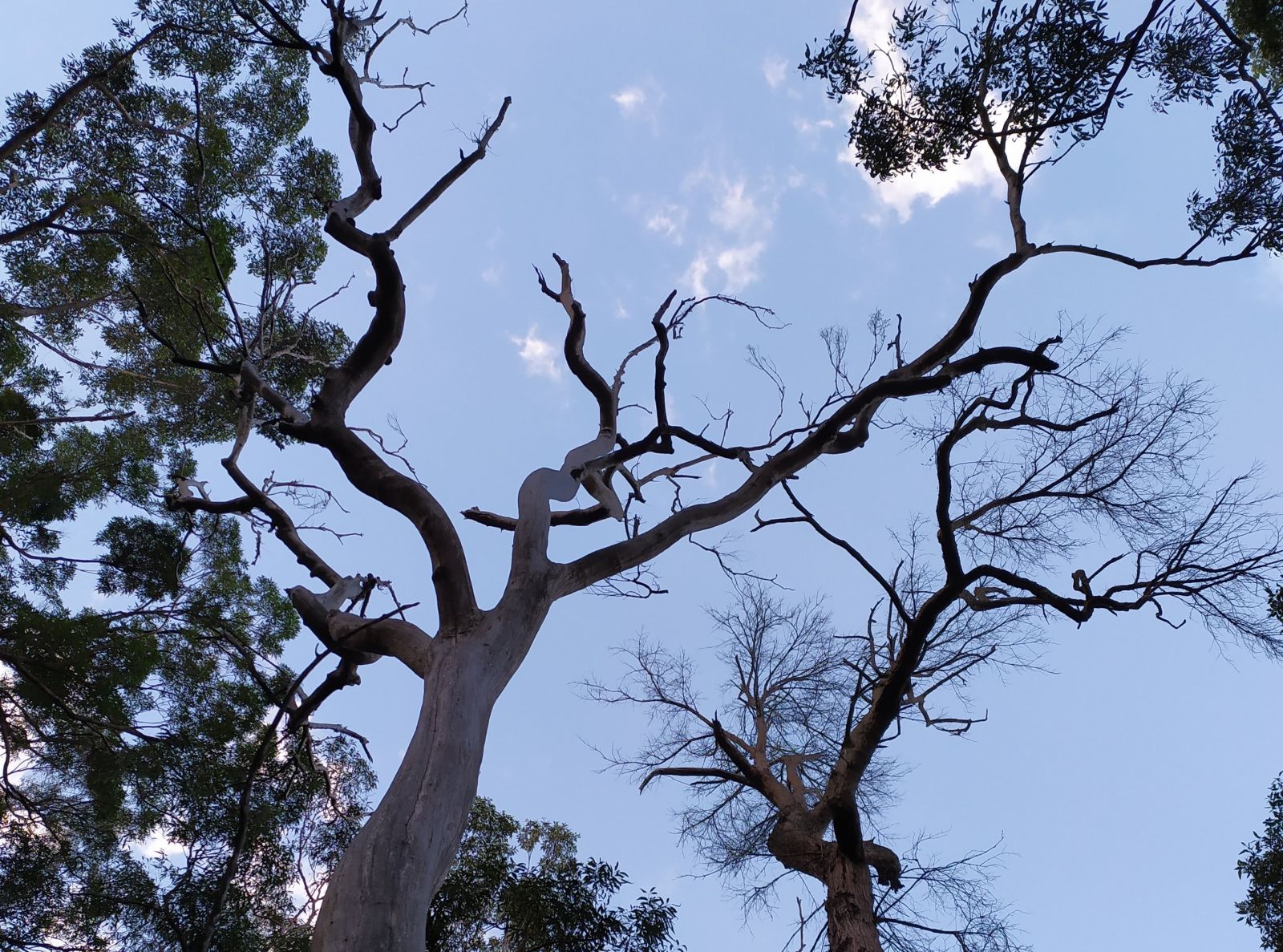
A major new study has revealed forests across Australia are losing trees at accelerating rates, signalling a continent-wide shift in vegetation driven by a rapidly warming climate.
New James Cook University-supported research, led by Western Sydney University, analysed 83 years of data from more than 2,700 forest plots nationwide. The study provides the first comprehensive synthesis of background tree mortality — tree loss not caused by fire, logging or land clearing — across Australia’s diverse forest ecosystems, including tropical rainforests, savannas and temperate eucalypt forests.
JCU Associate Professor Michael Liddell was a co-author on the research and contributed tropical rainforest data. The findings show a persistent rise in background tree mortality since the 1940s, with the trend strikingly consistent across all forest types.
Over the same period, tree growth has remained static or slowed, indicating the increase in mortality is not part of a natural regeneration cycle but evidence of a growing imbalance between tree growth and loss.
Assoc Prof Liddell said the research highlighted the importance of long-term forest monitoring.
“As climate change reshapes the questions we ask of forest systems, long-term datasets are becoming increasingly important for answering them with confidence,” he said.
“We know tree mortality will have flow-on effects, so we need to track carbon fluxes, and faunal biodiversity to better understand how ecosystems are responding to a rapidly warming climate.”
The study found tree mortality is increasing fastest in hot, dry regions and dense forests where competition for water and light intensifies stress.
Senior author Distinguished Professor Belinda Medlyn warned rising mortality threatens forests’ ability to store carbon.
“Increasing tree mortality in our unique forests will affect all of these,” she said.
“Our results highlight the critical need for ongoing forest monitoring that is designed to detect long-term trends, in order to guide effective forest management for the future.”
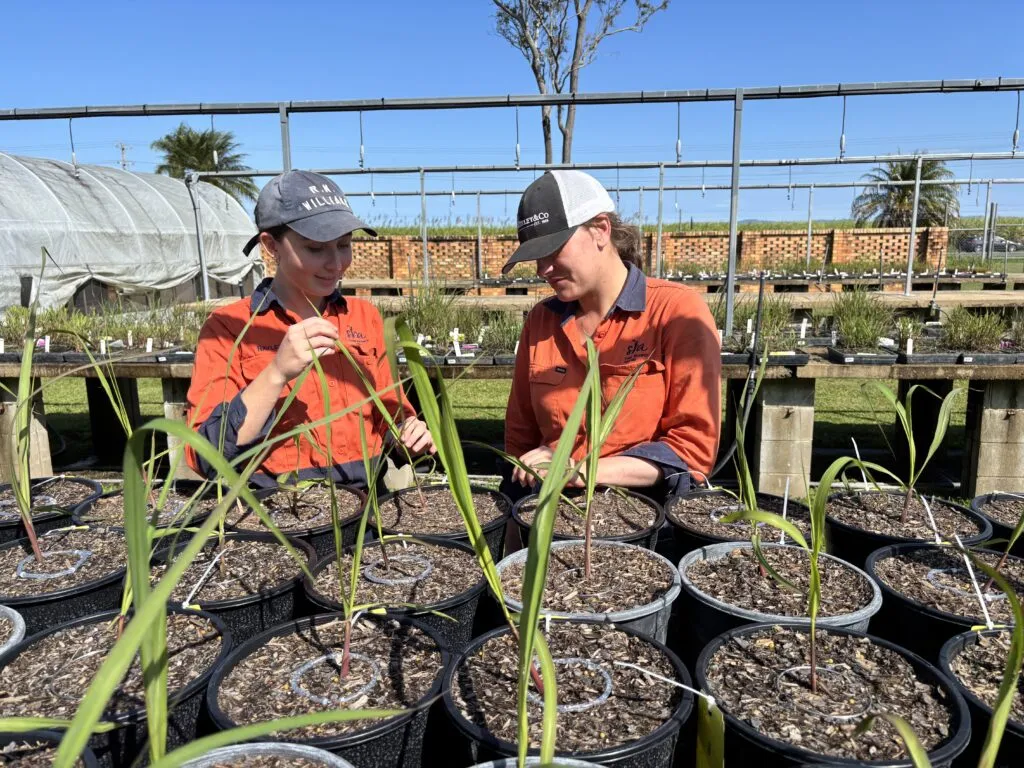
Sugarcane growers in the Central district are being invited to share their insights as part of a new Sugar Research Australia (SRA) demonstration examining root system differences across sugarcane varieties and what they could mean for crop management.
Interest in root systems has been growing among local growers, particularly around how different varieties establish and perform under varying conditions, sparking a project by Sugar Research Australia Central.
The demonstration forms part of the current District Productivity Plan and aims to capture grower experience with established varieties to help inform the management of newer varieties with similar root characteristics.
The trial began on the 27th of June 2025, with 15 sugarcane varieties collected from SRA plots across the Central district. These included established varieties, recently released varieties and promising clones. Single-eye setts were prepared, germinated under controlled conditions and then transplanted into mesh cylinders within pots to allow detailed observation of root growth.
Over a 90-day period, the plants were monitored under an overhead irrigation system. At the conclusion of the trial, roots were assessed using an internationally recognised method to calculate the Root Growth Angle Index (RGAI), which indicates whether roots tend to grow more vertically or spread laterally. Results from the demonstration were presented to growers and advisors in Proserpine, Te Kowai and Carmila in late 2025.
Feedback to date has been supportive, with growers keen to see the work continue and to contribute their own observations. SRA is now encouraging growers to review the findings and provide feedback on variety management based on their experience, helping to shape future research and practical recommendations online at sugarresearch.com.au.
.jpg)
The Government has unveiled a five-year, science-backed plan to restore Queensland’s depleted saucer scallop stocks, with a strong focus on protecting the iconic Hinchinbrook Channel and securing the long-term future of the fishery.
The strategy follows the 2025 saucer scallop survey, conducted jointly by industry and the Department of Primary Industries, which revealed the fragile state of the Queensland fishery, with biomass in some regions falling below 20 per cent of unfished levels. The survey also highlighted Hinchinbrook Channel as a designated scallop replenishment area, where strict regulations are in place to protect vulnerable stocks.
Under the new approach, commercial scallop fishing is recommended to resume in some east coast otter trawl fishery regions, including the central and southern offshore areas, using adaptive management to balance commercial opportunity with sustainability. Meanwhile, the southern inshore region and the Hinchinbrook Channel remain closed to harvesting, reflecting their vulnerable status.
The strategy also sets Total Allowable Commercial Catches (TACC) of 167,776 kilograms for the central region and 248,609 kilograms for the southern offshore region for the 2026 season, while reinforcing regulations in Hinchinbrook waters to ensure the protection of saucer scallops and other sensitive marine species.
Public consultation undertaken in late 2025 received feedback from commercial and recreational fishers, seafood businesses, environmental groups, and local councils, helping shape the final recommendations.
Residents and fishers are encouraged to stay informed about the latest regulations in the Hinchinbrook Channel and surrounding scallop fisheries, with details available through the Department of Primary Industries.

With the warmer, humid months comes the unwelcome return of mould. While mould can affect both your home and your health, tackling it doesn’t have to involve harsh chemicals. Many effective remedies can be made from natural ingredients you may already have in your kitchen or cupboards, making them safe, convenient and budget-friendly.
Method 1. Mix 100% clove oil to 1 litre water in a spray bottle, spray mould spores and soak for 20 minutes, wipe off with a microfibre cloth. NOTE: Clove oil can irritate the skin and mucous membranes (especially in its pure form) so always take precautions when using it.
Method 2. Use undiluted white vinegar in a spray bottle, spray mould spores and soak for 1 hour before wiping the area clean with water.
Method 3. Add one-quarter of a tablespoon of baking soda to a spray bottle of water and shake until dissolved. Spray mould spores, then use a scrub/toothbrush to remove mould, rinse with water.
Method 4. Combine one teaspoon of tea tree oil with one cup of water in a spray bottle and shake vigorously to blend the water and oil. Spray the mouldy area, leave it to dry for an hour, clean surface as you would ordinarily.
Using natural remedies like these not only helps keep your home mould-free but also reduces exposure to harsh chemicals, making it safer for families and pets. With simple ingredients often already on hand, keeping your home clean and healthy has never been easier or more natural.

Abandoned vehicles are an increasing problem in our community. Some car owners abandon vehicles without caring for the consequences, creating an eyesore which can encourage similar crimes such as auto theft, and could possibly endanger lives, property and the environment. Council works to remove abandoned vehicles as quickly as possible but the community has a role to play in solving this problem.
Any motorised vehicle, trailer, caravan, horse float or similar that is parked on any roadway or public place under the control of Council can be removed if abandoned.
A vehicle is deemed abandoned if:
The vehicle has been in the same location for an unusual length of time.
The vehicle has a derelict appearance and appears inoperable (no tyres etc.).
The owner cannot be located, or
The vehicle does not display a valid registration sticker.
How are abandoned vehicles removed?
Once Council has received a report of an abandoned vehicle, a Local Laws Officer will inspect the vehicle, and if it's considered abandoned, the Council Officer will affix a Notice under the Transport Operations (Road Use and Management) Act 1995 stipulating that unless the owner removes the vehicle within 7 days, Council will remove it to a place for safe storage.
If the owner is identified, they are required to relocate the vehicle to private property and pay any parking tickets that have been issued. However, if the vehicle's owner is not located, proceedings will begin to have the vehicle removed.
The process for removing a vehicle with no ownership identification is simple. Any vehicle parked in a public area may be ticketed and towed. Council also liaises with the Queensland Police Service to determine whether or not the vehicle is of any interest regarding ongoing Police investigations. If the vehicle has been reported stolen, the Police will notify the owner and Council's action will be placed on hold.
What should I do if my vehicle is missing or stolen?
Contact the Queensland Police Service immediately. You can also contact Council to enquire whether the Council has removed the vehicle. Should this be the case, your vehicle can be released upon sending a written application to the Chief Executive Officer showing proof of ownership and/or authority to act on the owner's behalf. If your car was stolen and Council has moved it, provided you notified the Police and your insurance company, Council's enquiries will reveal this and Council will let you know your vehicle has been found.
Owners will be required to pay any expenses incurred by Council during the detention and removal of the vehicle.
What happens to unclaimed vehicles?
All unclaimed abandoned vehicles detained by Council are stored at a facility awaiting auction. The proceeds of auctions are used to pay associated costs incurred by Council to have the vehicle removed and stored (including administrative costs).
If you would like to report an abandoned vehicle, you can visit the Make a Request page at www.hinchinbrook.qld.gov.au


Harvey is the epitome of laid-back charm and mellow vibes. Harvey is looking for a new family that appreciates his relaxed demeanor and independent nature. His love for humans is undeniable, but he balances it effortlessly with a contentedness to chill on his own, making him the perfect companion for both busy households and quieter homes.
Harvey has an easy-going personality that's both comforting and engaging. Whether he's lounging around at home or accompanying you on relaxing outings, life's a breeze with his mellow attitude, Harvey is content to follow your lead, soaking up the joys of being a loyal companion.
If you're looking for a furry friend who brings warmth, companionship, and a bit of cool to your everyday life, Harvey is the perfect match for you. Whether you're at home or on the go, Harvey's presence is sure to bring a sense of peace and happiness to your days.
If you’re interested in meeting Harvey, please complete an animal enquiry form at: https://www.angelpawsinc.com.au/forms.html.
Included in adoption fee of $495: Desexed, Micro-chipped, Up to date vaccinations, Flea, tick, and intestinal worm treated, and on ProHeart.
DOB: 13/06/2025
Sex: Male
Breed: Staffy x
Colour: White with black spots
Kid friendly: Yes
Cat Friendly: Untested
Other dogs: Yes
Fences: 6ft

Police have scanned 82,648 people, seized 603 weapons, made 1,280 arrests and laid 2,424 charges across Queensland in the six months since Jack’s Law was expanded and made permanent by the Government.
New data shows a sharp increase in the use of wanding powers compared with the same six-month period a year prior, when the laws were restricted and temporary: Police scanned 28,336 people and removed 255 weapons.
Since the Government delivered permanent, statewide powers, police have conducted 54,312 additional scans and seized 348 more weapons. The increase reflects strong frontline confidence to use the powers wherever knife crime poses a risk.
The impact of Jack’s Law has been felt right across Queensland, with police scanning thousands of people and seizing weapons in every corner of the State:
Far North Queensland: 6,522 people scanned, 61 weapons seized

Townsville: 7,932 people scanned, 99 weapons seized

Mount Isa: 1,217 people scanned, 10 weapons seized

Mackay Whitsunday: 4,194 people scanned, 10 weapons seized

Capricornia: 2,876 people scanned, 21 weapons seized

South West: 1,445 people scanned, 0 weapons

Wide Bay Burnett: 826 people scanned, 14 weapons seized

Darling Downs: 4,134 people scanned, 25 weapons seized

Ipswich: 3,295 people scanned, 42 weapons seized

Sunshine Coast: 3,206 people scanned, 3 weapons seized

Moreton: 4,352 people scanned, 21 weapons seized

Logan: 5,537 people scanned, 30 weapons seized

Gold Coast: 17,362 people scanned, 159 weapons seized

North Brisbane: 12,193 people scanned, 68 weapons seized

South Brisbane: 7,557 people scanned, 40 weapons seized
By expanding Jack’s Law, police can now use hand-held metal detectors in all public places, rather than a limited list of prescribed locations, dramatically increasing their ability to detect weapons and intervene early.
After a decade of restricted powers and rising knife crime, the Government has acted decisively to give police the tools and authority they need to do their jobs.
Today’s milestone follows the Government’s $1 million investment to secure the future of the Jack Beasley Foundation’s ‘One Moment’ program, ensuring thousands of Queensland students continue to hear Jack’s story and understand the consequences of knife crime.
Jack’s Law is named in honour of 17-year-old Jack Beasley, who was fatally stabbed at Surfers Paradise in 2019.
His parents, Brett and Belinda Beasley, have since campaigned tirelessly to prevent other families from experiencing the same tragedy.
Minister for Police and Emergency Services Dan Purdie said the results showed the laws were working.
“In just six months, Queensland police have scanned 82,648 people and taken 603 weapons off our streets - that’s real prevention, not rhetoric,” Minister Purdie said, "we made it permanent and gave police the powers they’ve been asking for, and now, other jurisdictions are following us.
“Every weapon seized is a potential life saved, and that’s how we honour Jack Beasley’s legacy.”
Brett Beasley said the results reinforced the importance of the law.
“Every knife removed from the street is a potential tragedy prevented,” Mr Beasley said.
“We’ll never know whose life was protected, but we do know these laws are stopping violence before it happens.”
Belinda Beasley said Jack’s legacy would endure.
“Jack’s Law is about protecting young people and giving families peace of mind,” Mrs Beasley said.
Commissioner of Police Steve Gollschewski commended frontline police for their extensive work in leveraging Jack’s Law to tackle knife crime.
“Every knife taken off the street makes our community safer, and these results reflect the tireless work of our police,” Commissioner Gollschewski said.
“Having expanded powers has enhanced our frontline police’s ability to better prevent, detect and disrupt crime, and keep Queensland safe.”

Australia Day weekend is shaping up to be a big one at the Herbert River RSL Club. There will be music, prizes and all the classic Aussie fun you could want. Did somebody say free sausage sizzle?
They're kicking off the weekend on Friday, 23rd of January, with the return of Friday Night Raffles. The membership draw is a whopping $3,400. Live entertainment by Pauline Gottani will keep the atmosphere lively. To be eligible for the draw, members must be signed up or renewed by 3pm Friday, 23rd of January.
On Sunday, 25th of January, the club continues the celebrations from 12pm to 3pm. Enjoy a free sausage sizzle, cold drinks and air-conditioned comfort. Kevin Spencer will provide live entertainment. Attendees can also win mega meat trays and other giveaways throughout the afternoon. This is a fun event for families, mates and anyone who loves a good prize.
The live entertainment does not stop there. Crowd favourite Andy G will take the stage on Friday, 30th of January as part of the club’s Friday night music series. With music, food, prizes and plenty of community cheer, the Herbert River RSL is open to all this Australia Day weekend.
Call (07) 4776 5157 to book your table to not miss out on all the fun!



Ingham State High School is delighted to celebrate an outstanding achievement by Ella Bertucci, a Year 10 student, who has been selected as a 2026 STEM Girl Power Ambassador. This prestigious Queensland Government initiative recognises young women with a passion for learning and a curiosity about the world of Science, Technology, Engineering and Mathematics (STEM), and Ella is a most deserving recipient.
Now entering its 11th year, the STEM Girl Power program continues to play a vital role in encouraging students to engage with STEM subjects at school and to consider the wide range of STEM-related career pathways available to them. It is a year-long journey designed not only to educate, but to inspire, connect and empower.
Throughout 2026, Ella will participate in virtual activities, followed by a highlight of the program—a five-day, fully funded STEM camp in Brisbane from the 18th to 22nd of May. During this camp, she will join other passionate Year 10 students from throughout Queensland, meet inspiring role models, take part in innovative hands-on activities, and visit cutting-edge research facilities at the forefront of scientific discovery. The program also includes National Science Week activities in Term 3 and a Term 4 alumni event, ensuring ongoing connection and reflection.
Importantly, the STEM Girl Power program offers more than experiences, as it builds a community of like-minded students. Through mentorship from STEM professionals and collaboration with peers across the state, participants gain confidence, insight and a sense of belonging in fields where young women are increasingly shaping the future.
We congratulate Ella on this remarkable achievement and look forward to seeing her represent our school and district with pride. Her journey stands as an inspiration to others to explore boldly, think creatively, and embrace the limitless possibilities of STEM.
Publishers Indemnity. Any individual or entity that places advertising, supplies copy material, or submits editorial content to Life Publishing agrees and undertakes to ensure that all such material:- Does not infringe upon any copyright, trademark, or other intellectual property rights;- Is free from any content that could be considered defamatory, libelous, or slanderous;- Does not infringe upon any rights related to privacy or breach of confidence;- Contains no obscene, indecent, or otherwise unlawful material;- Complies fully with the Trade Practices Act and all other applicable laws, regulations, or statutes. Furthermore, by submitting or placing such material, these individuals or entities agree to indemnify and hold harmless the publisher, Life Publishing and Events Pty Ltd, and/or its agents from and against any and all investigations, claims, demands, liabilities, damages, costs, or judgments arising out of or in connection with the material provided. All material is believed to be accurate at the time of printing and remains the copyright of Life Publishing and Events Pty Ltd.
© 2026 Life Publishing Group Ltd.
