
Independently Owned, Locally Grown, Community Loved
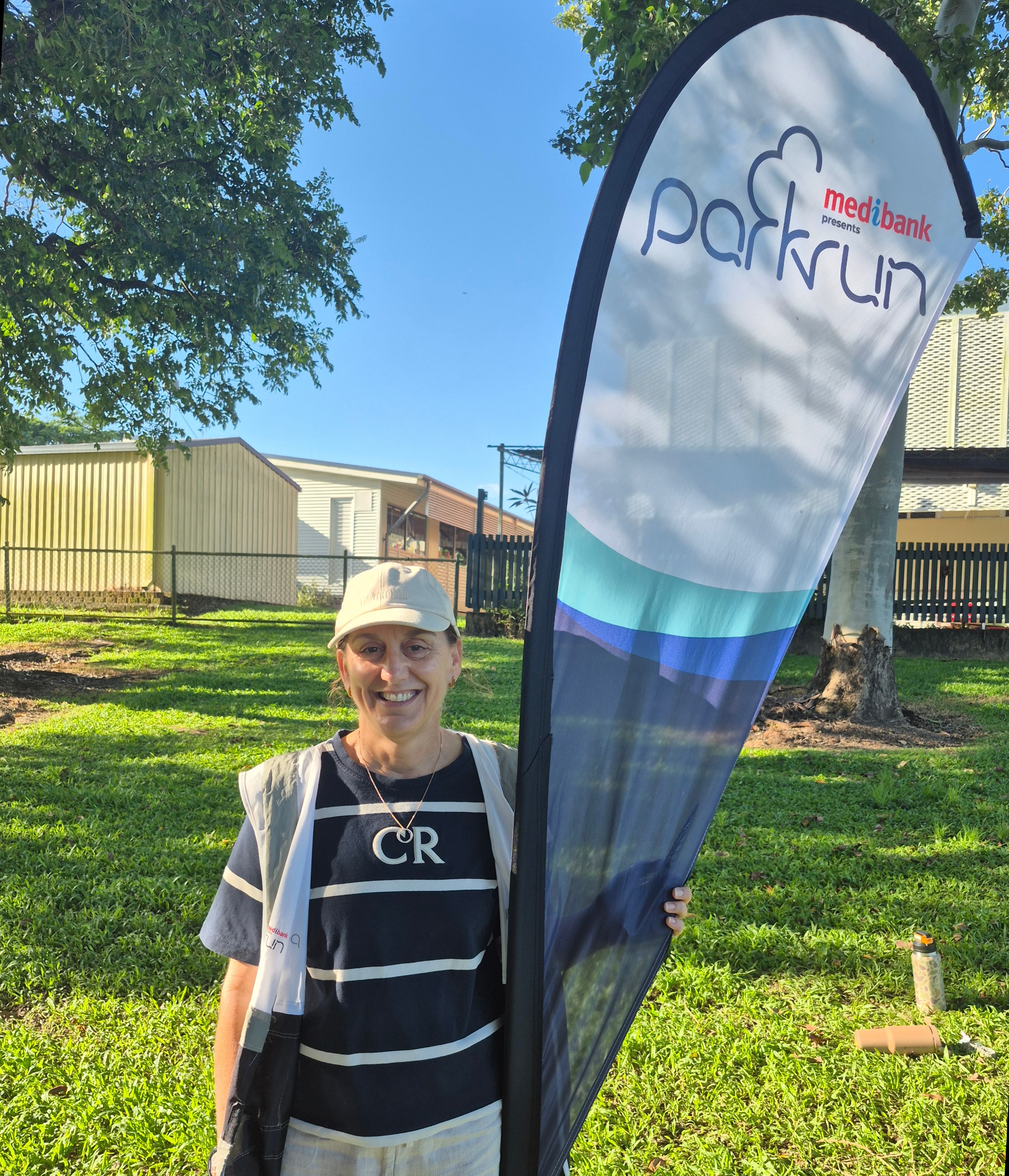
With sunshine returning and numbers swelled by visiting runners, last weekend was a lively one on the Palm Creek course. I also took the opportunity to catch up with Bridgette Duffy, who recently reached an incredible milestone, of dedicating 200 of her Parkruns to volunteering. A true triple threat, that morning Bridgette marked the day as Run Director, Event Day Course Check and Volunteer Co-ordinator, highlighting the dedication and love she felt for the community fitness event “I’m pretty pleased,” Bridgette said. “I’m happy to be able to help the community, and it’s a good cause, getting people out, seeing them running, and starting their weekend off beautifully.” Her passion for Parkrun is evident when asked why she took up volunteering at them. “I like running for starters,” she said, “but I just think it’s great for our community to have an event where families can come too. It’s a great way to get fit and healthy for everybody, and it’s just a really nice community event.” Bridgette’s volunteer journey began back at the original TYTO course in Ingham, before the course was relocated to Palm Creek. “That’s when I started my volunteer journey with Parkrun. I just thought, ‘I like to come to Parkrun, and we all need volunteers to help out and keep it going. If we don’t put our hands up, nobody else is going to, you can’t expect anybody else to’." When asked about her favourite events, Bridgette said Palm Creek holds a special place. “I love this one, probably of all the ones I’ve done. I really liked Yeppoon, it was a lovely Parkrun, but I haven’t done too many different ones.” As the wind picked up, and the last people were crossing the finish line, I asked if she had any bucket list Parkruns she wanted to try, and for future plans, she smiled saying that she doesn’t have a specific one in mind but would “love to do one overseas.” Parkrun Results: 28th March 2026 Palm Creek #118 – 31 participants Fastest time: Julian Lee (18:53) Final finisher: Julie Mac Pherson (56:46) PBs: Carter Hague (18:59), Matthew Turner (28:06), Todd Cockburn (28:37), Sophie Parker (29:40), Kira Turner (34:26) First-timers: Jackson Mathews (23:37), Darcy Toholke (23:47), Sheridan Davis (56:44) Volunteers: Bridgette Duffy, Amanda Towner, Donna Panzenbock, Matteo Mancuso, Julie Mac Pherson Cardwell #380 – 19 participants Fastest time: Luke Tamblyn (22:26) Final finisher: Graeme Lake (53:54) PBs: Bruce Boland (40:36) First-timers: Liam Matthews (23:20), Steve Upton (25:58), Jacqui Lefebvre (34:00), Chris Page (38:52), Astrid Clancy (44:46), Brendan Clancy (46:19), Sue Patch (53:33) Volunteers: Kerry Snell, Luke Tamblyn, Jan Ferguson, Terry Curtin, Graeme Lake, Anita Davina
Read the full story
A major upgrade to the Reef Ranger is set to strengthen protection efforts across the Great Barrier Reef, following a $2.9 million refit delivered by the Australian and Queensland governments. The vessel, a key asset for marine park operations since 2014, supports multi-day field trips, scientific research, compliance patrols and partnerships with Traditional Owners across remote reef and island locations. The refit introduces a range of innovative, eco-friendly upgrades designed to improve efficiency while reducing environmental impact. Among the changes are new propulsion engines capable of running on oil derived from waste cooking oils, alongside a hybrid solar and battery power system to cut reliance on diesel. Additional improvements, including a specialised silicone-based hull coating, are expected to reduce fuel use and emissions, allowing the vessel to operate more sustainably across its extensive patrol area. Queensland Environment and Tourism Minister Andrew Powell said the vessel had long been central to reef operations. “The Reef Ranger has carried rangers and researchers to some of the most iconic places in the Great Barrier Reef, places like Raine Island, Wuthara and Hinchinbrook, helping communities protect the reef we all care about,” he said. With the latest upgrades now complete, the Reef Ranger will continue its critical role in safeguarding one of the world’s most important natural ecosystems.
Read the full story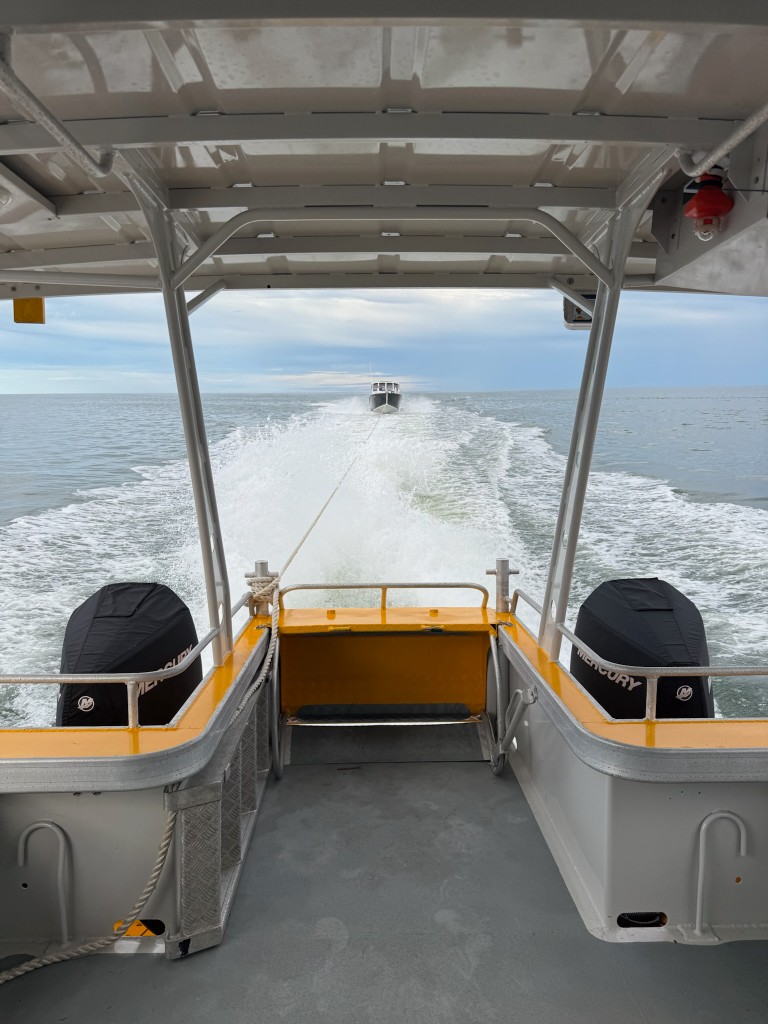
By Steve Whipps, Commander Qf14 Lucinda Coast Guard A couple and their young child from Townsville got into a spot of bother last week when on the way back from Bramble Reef after a day’s fishing, they lost all steering on their alloy boat. A radio call to Coast Guard Townsville resulted in the team at Coast Guard Lucinda being notified of the situation, and a volunteer rescue crew was activated. The rescue vessel “Snow Stafford”, manned by four crew members, and with a Radio Operator at the base, was launched in quick time and headed out to sea. Thankfully the sea was calm, and the distressed vessel was quickly located about 15 kilometres northeast of Pelorus Island. A tow line was attached, the return trip was completed without incident, and three people were very glad to be safely ashore.
Read the full story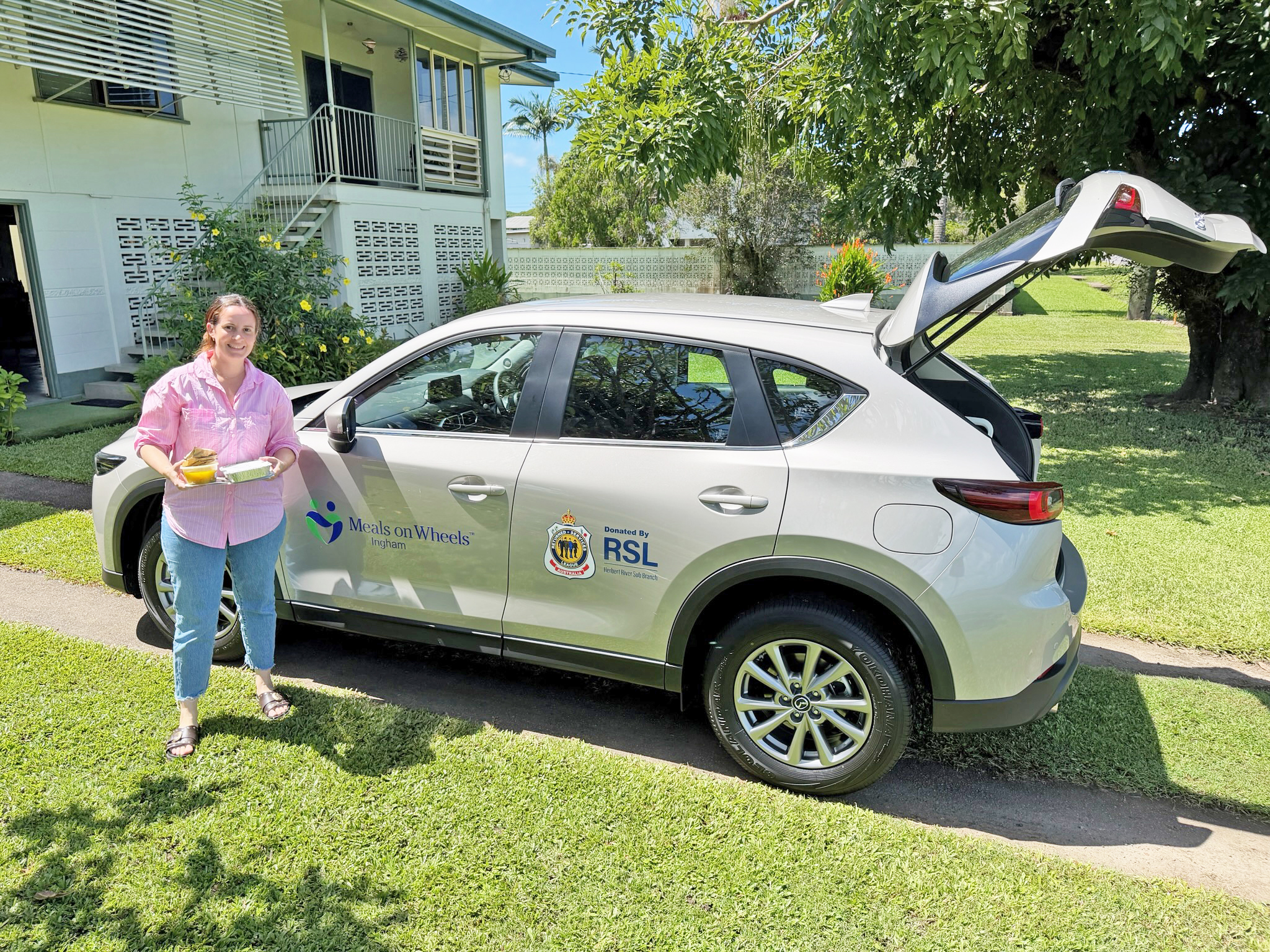
New Car, Old Meals On Wheels Charm Ingham Meals on Wheels is hitting the road in style, with a brand new vehicle set to support the volunteers who have long been the backbone of the service. The new Mazda CX-5 was made possible through funding from the Herbert River RSL Sub Branch, purchased locally through Ingham Mazda, and finished with professional signage by Global Signage, showcasing a strong show of community support. “For more than four decades, Meals on Wheels volunteers in Ingham quietly used their own vehicles to ensure meals reached those in need,” Rodger Bow said. “Recognising the strain this placed on volunteers, the decision was made that it was time to provide a dedicated vehicle.” Ingham Mazda’s Jenna Devietti said supporting the initiative was a natural fit. “We’re proud to be part of the Ingham community, so supporting organisations like Ingham Meals on Wheels is something that’s genuinely important to us,” she said. “The work they do goes far beyond delivering meals — they provide care, connection, and daily support.” To ensure the vehicle remains on the road, Ingham Mazda has also committed to five years of free servicing. “We wanted our support to be practical and ongoing, rather than a one-time gesture,” Ms Devietti said. Meals on Wheels President Rita Phillips said the donation was deeply appreciated. “At times the support that we receive is overwhelming,” she said. “Since 1983 volunteers have used their own vehicles at their own expense.” Ms Phillips said the new vehicle would ease pressure on volunteers while strengthening service delivery. “In the current economic time, this vehicle will not only assist the volunteers to continue deliveries, but also helps keep the connection of our clients to the community,” she said. “This vehicle will reduce use of the volunteers’ vehicles, which includes longer runs that include Halifax and the beaches.” “Our new Mazda will provide continuity of deliveries to all who rely on Ingham Meals on Wheels.” While the vehicle is new, the heart of the service remains unchanged. “We are so privileged to live in a community with such generosity, not only monetarily, but also selflessly volunteering their valuable time,” Ms Phillips said. “All members of our community should be proud to live in the Herbert River Valley.”
Read the full story
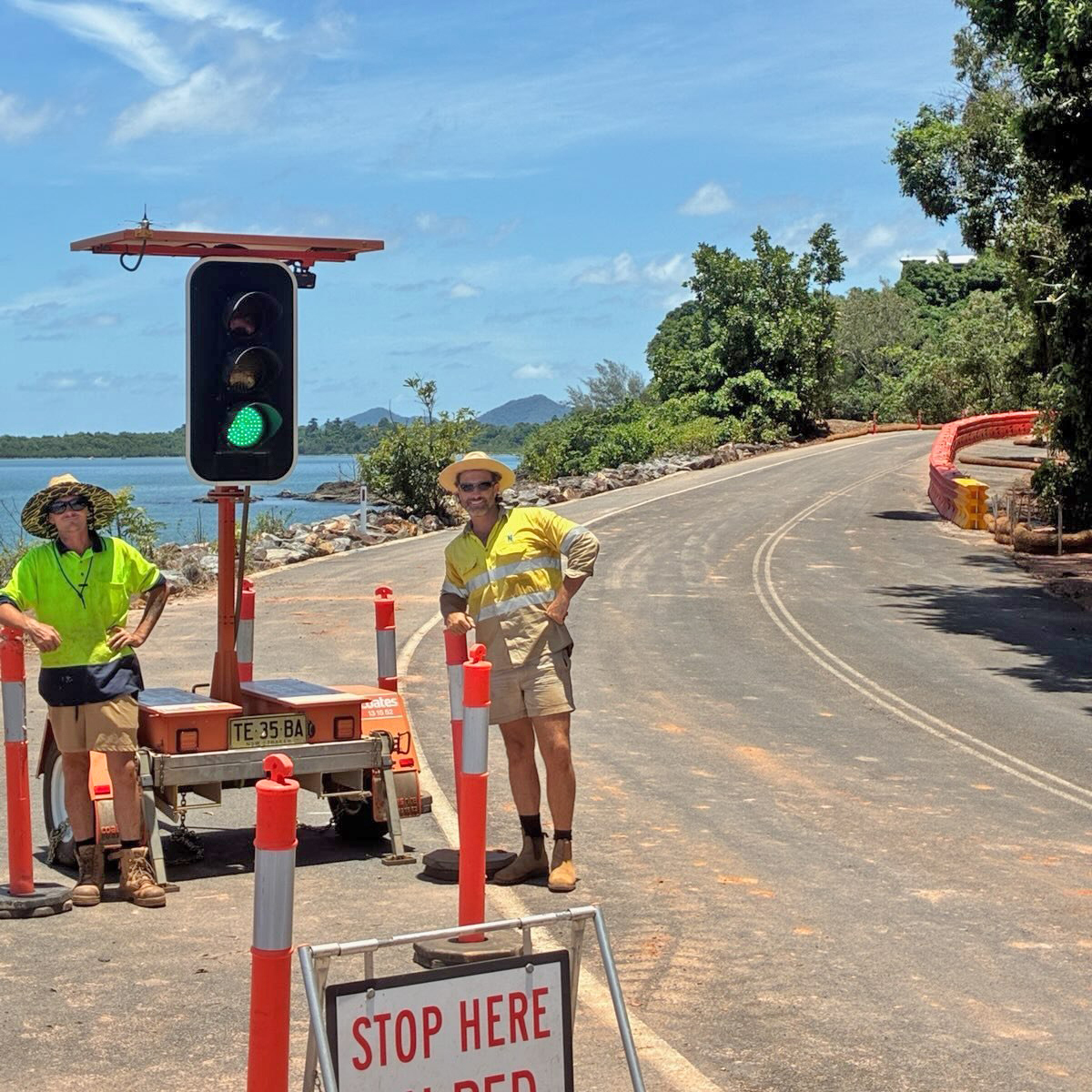
Cassowary Coast Regional Council crews were applauded last week in recognition of Council’s swift response and tireless efforts to clean-up and reopen Alender Drive. On Monday evening last week, heavy rainfall saturated the region, causing approximately 400 to 500 tonnes of material to shift above the road, however crews were immediately on the ground, ready to reopen drainage and reconnect communities, and clear debris. Residents strongly thanked crews and contractors for working quickly to reconnect communities and Cassowary Coast Regional Council advised the site will continue to be monitored throughout the wet weather period.
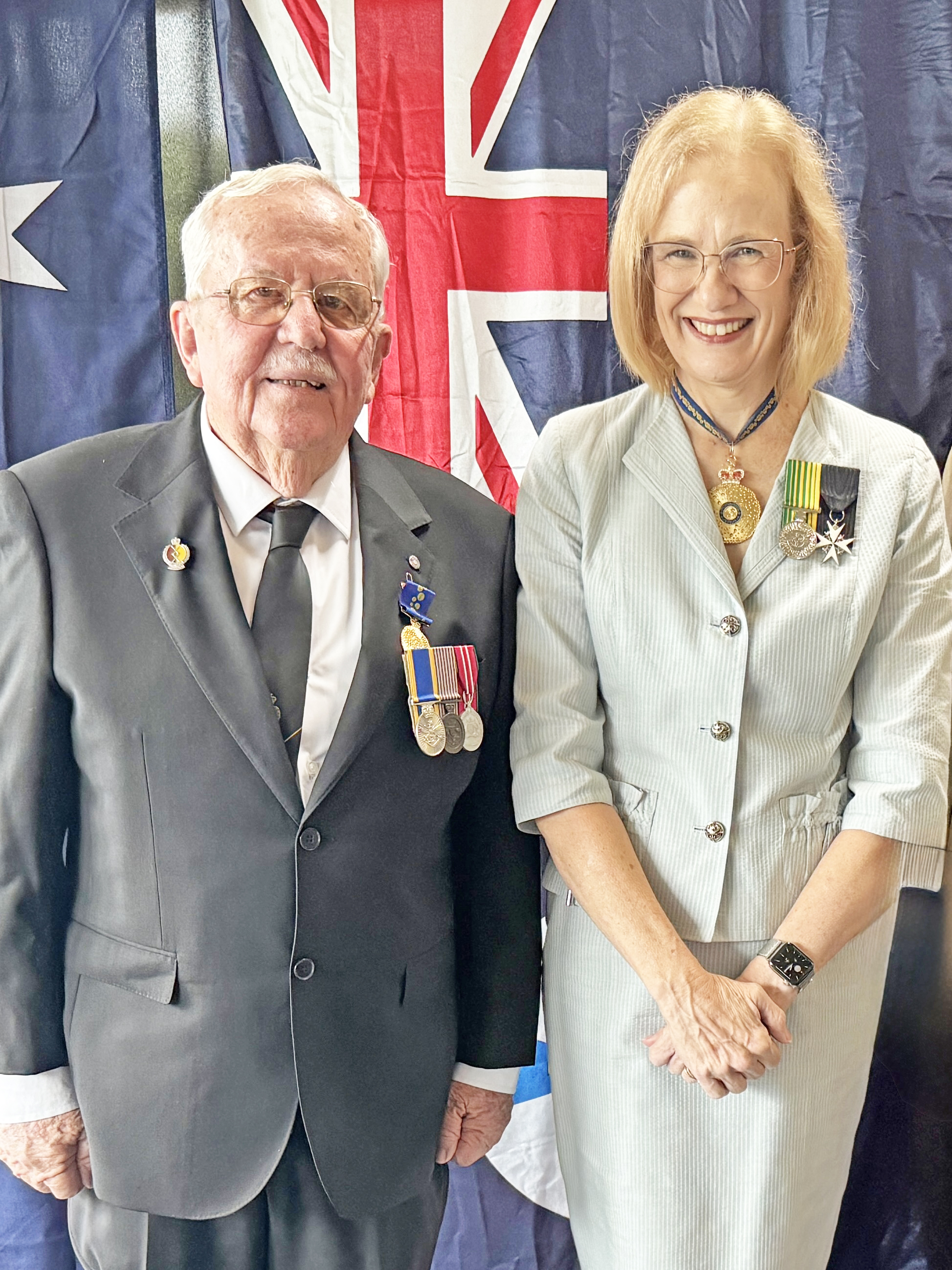
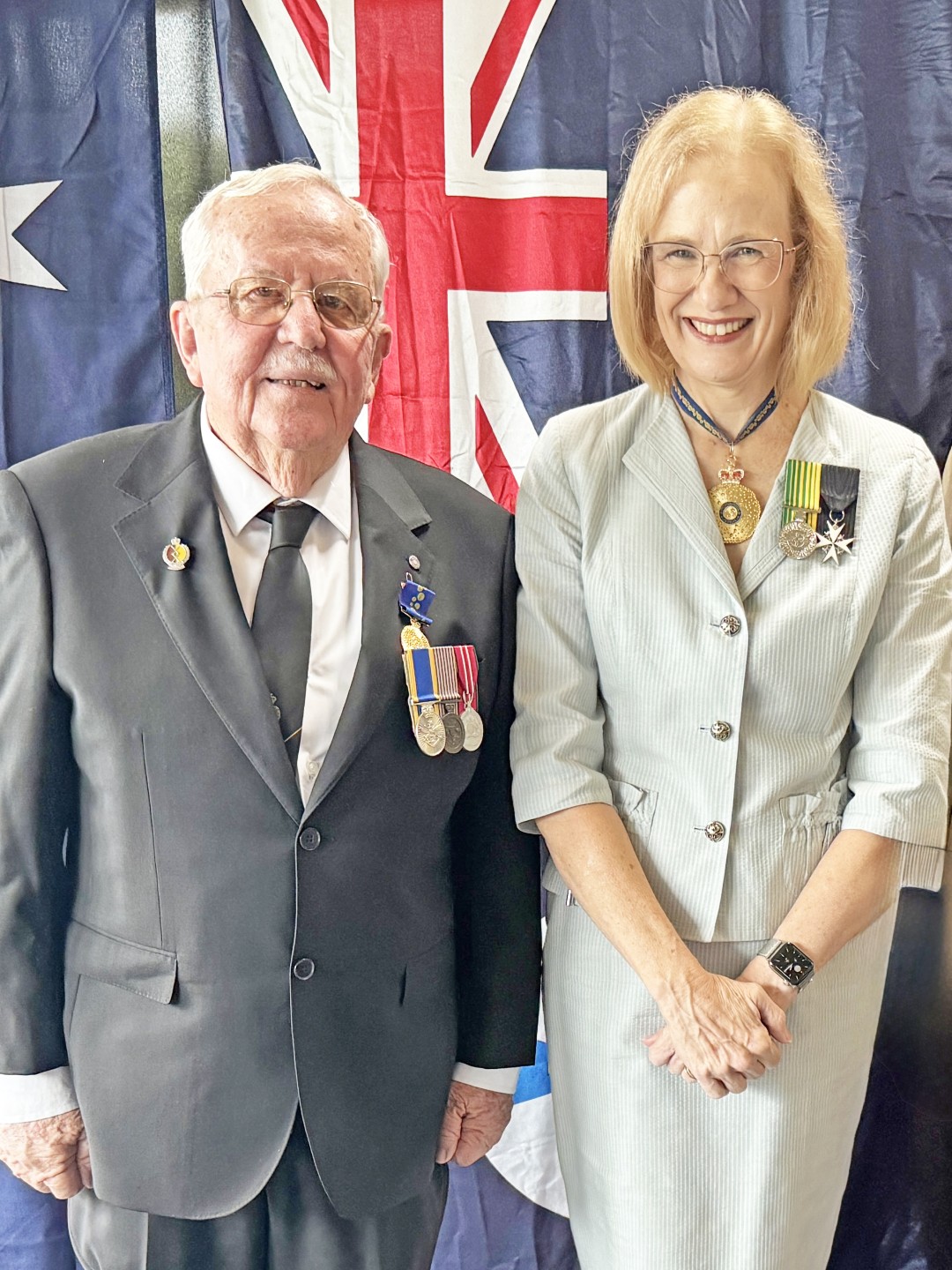
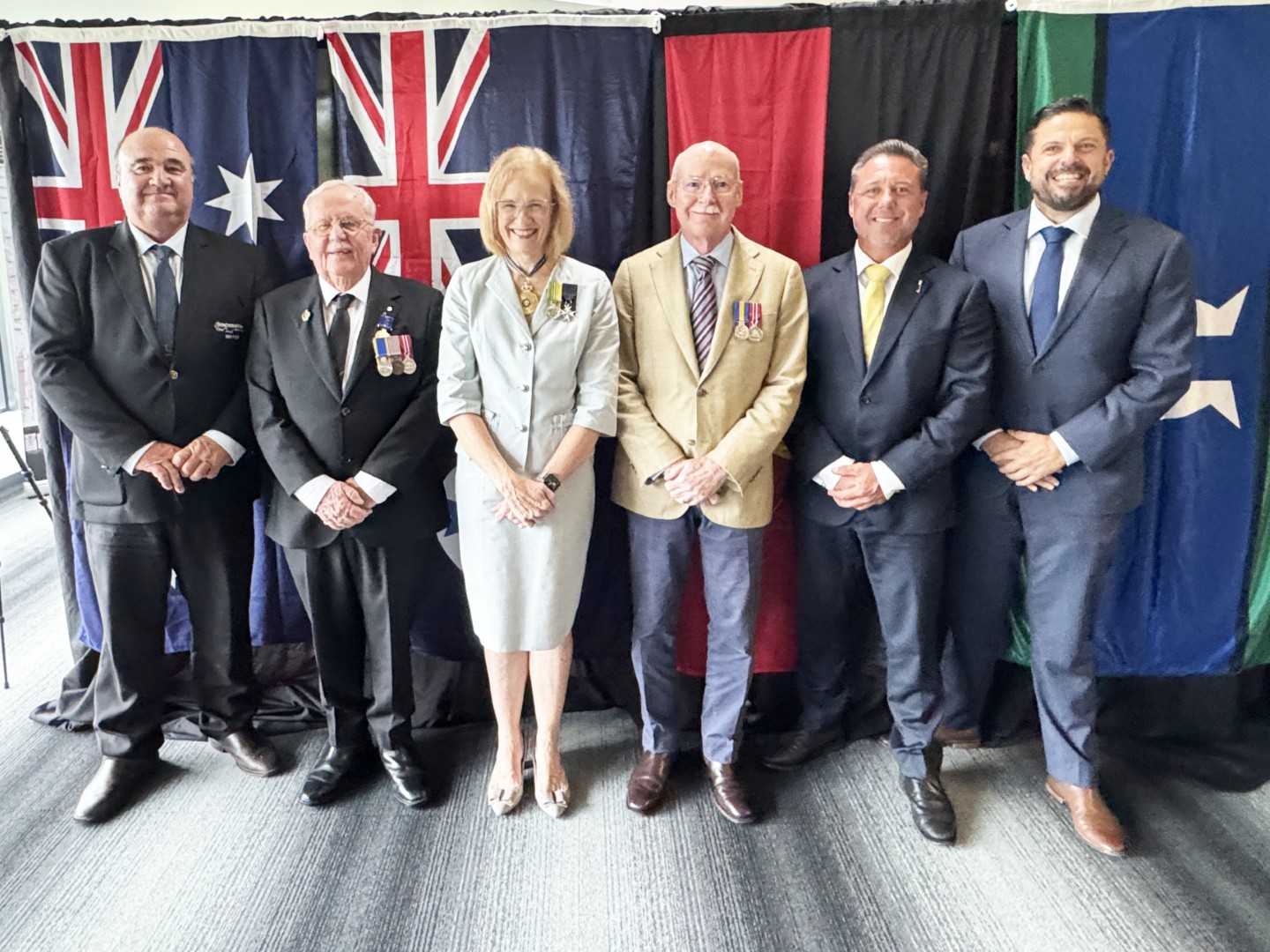
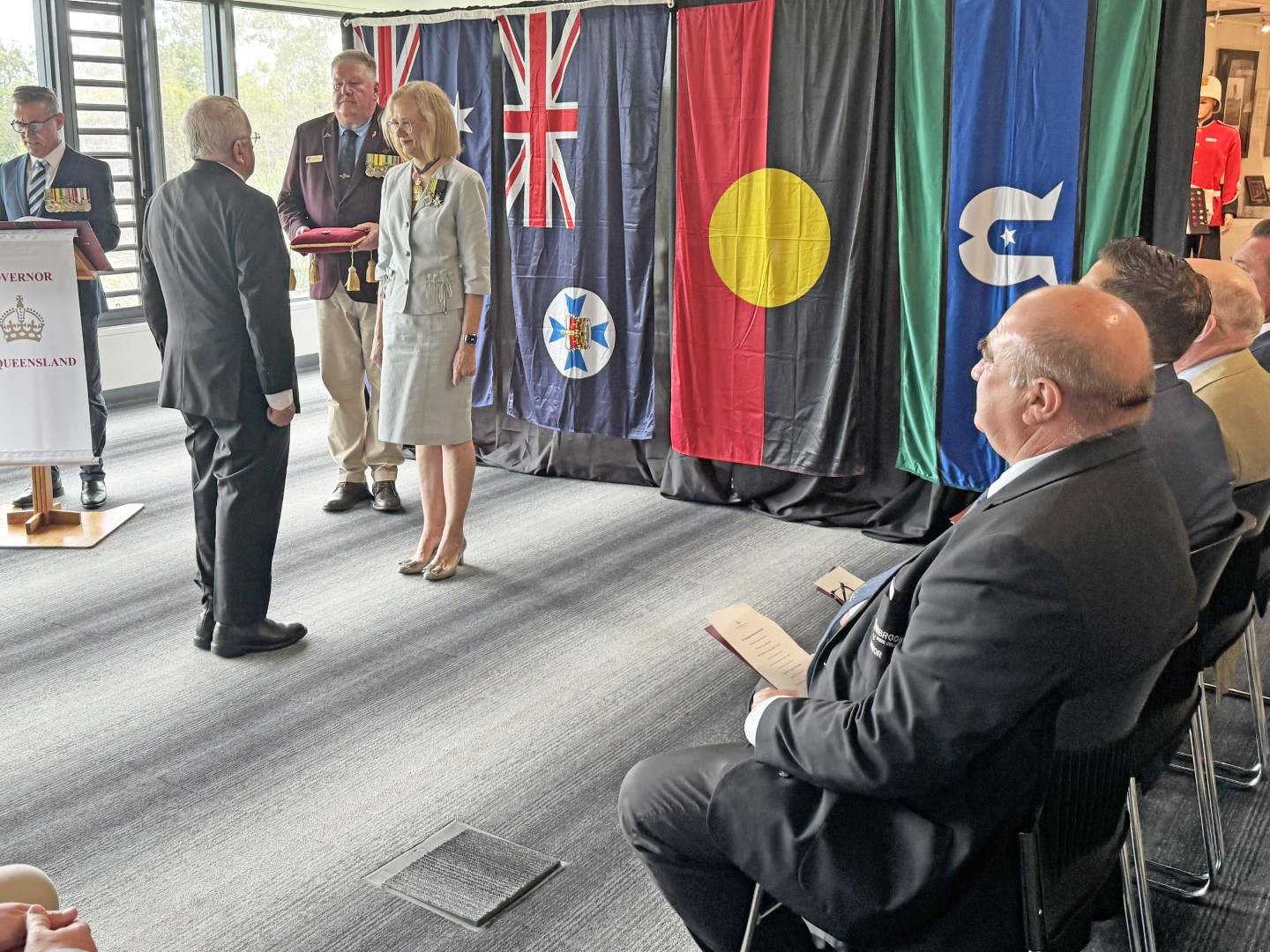
While yet another wet weather event was happening in North Queensland, the Governor of Queensland hosted a private Investiture Ceremony in Ingham to honour one of the region’s most respected community fgures, Mr Felix Reitano OAM. Te ceremony, held at the Hinchinbrook Shire Library, brought together Mr Reitano’s family and close friends, along with community leaders including Member for Hinchinbrook Wayde Chiesa MP, Hinchinbrook Shire Mayor Cr Ramon Jayo and Townsville City Council Mayor Cr Nick Dametto. Mr Reitano received the Medal of the Order of Australia in recognition of decades of service to business and the Hinchinbrook community, including civic leadership, volunteer work, military service and advocacy for veterans and local history. In her address, the Governor highlighted the qualities that have guided his service: integrity, kindness and a commitment to helping others, and spoke of the resilience of the Reitano family, whose century-old business has survived foods and fres to remain a part of Ingham’s story. “At a time when many communities are once again facing challenging conditions, the ceremony was a reminder of the quiet leadership and shared efort that strengthen communities in times of adversity,” she said. Mr Reitano, refecting on the recognition, said it had never been something he expected. “I think that you do community work for the community and so be it. What comes along afer that is a bonus. I’ve been involved over the years in many diferent sporting events, cultural events, business events and military events, and you just do what you’re asked to do and go from there.” His dedication to service, he explained, is part of a family tradition. “We have always been (volunteering), going back to my grandfather’s days and my father’s days. Te Work that my son Peter does in the community seems like a natural progression from one generation to the next”. Mr Reitano spoke of the variety of roles he has taken on in the community, from being a JP for nearly 50 years, a member of the Chamber of Commerce, Anzac Day Parade Marshall, being involved in the Texas Terror celebrations, through sporting organisations, and with his own business. “Our family business, that has been operating for over 100 years in the Herbert River district, is still going strong. Te important thing, I think, is you just have to do the best for all members of the community, whether race, colour or creed. We all bleed red. So we need to make this place a better place for everyone.” Mr Reitano described Hinchinbrook as a community that supports everyone, regardless of background, saying, “I think it’s a great community. No matter who you are, what race or religion you are, what ethnic background you come from, you do the right thing and this community will support you”. Felix thanked his family, friends, colleagues and especially his wife Judy for supporting him over the many years, upholding long generations of family and friendship values. He acknowledged that his wife Judy deserves half of this award. “It was a team efort to help me achieve this award”. For Mr Reitano, the OAM refects a lifetime of service rooted in family, tradition and a genuine love for his region. His dedication shows that leadership is ofen quiet and that generosity ofen goes unseen, but it is these eforts that strengthen a community and help it thrive. Mr Reitano’s story is a reminder of the diference one person can make, when commitment is made to a community.

The Cassowary Coast community came together at the Tully Country Club on Friday, 23 January, to celebrate Australia Day and honour the individuals and groups whose dedication continues to strengthen the region. Te 2026 Australia Day Awards recognised outstanding contributions across a wide range of felds, highlighting the generosity, leadership and community spirit that help make the Cassowary Coast a great place to live. Tis year’s award recipients included Citizen of the Year Ken English; Young Citizen of the Year Caleb Wodzislawski; Lifetime Contribution Award recipient Margaret Dineen; Arts and Culture Award winners Tales From Our Early Pioneers Bus Trip; Community/Project of the Year, the Tully Mill 100 Celebration; Community Group Award recipients Cardwell RSL Sub Branch; Innovation and Excellence Award recipient Dr Adele Pile; STEM Award in Education winner Callum Saunders; Service to Sport Award recipient Shayne Cini; Sportsperson of the Year Kodi Worth; Sustainable Environment Award recipients GBR Safaris, Girringun Aboriginal Corporation and Mandubarra Aboriginal Land and Sea Incorporated; Young Arts and Culture Award winner Oscar Van Haaren; and Young Sportsperson of the Year Mackenzie Law. Cassowary Coast Mayor Teresa Millwood said the awards shine a light on the quiet achievers whose eforts ofen go unnoticed. “Tese awards celebrate the inspiring individuals who work quietly and consistently to make life better for others. Teir dedication is at the heart of what makes the Cassowary Coast such a special place to live,” Mayor Millwood said. Citizen of the Year Ken English was recognised for his exceptional voluntary leadership and long-standing commitment to community safety in Cardwell. As Commander of the Cardwell Coast Guard, Mr English played a pivotal role in restoring the Coast Guard Flotilla from closure to a fully operational and highly respected emergency service. Mr English has contributed thousands of volunteer hours to vessel maintenance, base and yard upkeep, saving the organisation tens of thousands of dollars in servicing and repair costs. He has also logged more than 1,000 volunteer hours on radio watch alone, coordinated marine rescues, organised training runs, managed crew rostering and radio operations, led fundraising eforts, recruited new volunteers and mentored members into leadership roles. Alongside his wife Jackie, Mr English has sacrifced personal time, holidays and weekends to ensure the fotilla remains operational and ready to assist vessels in distress. “I would just like to say thank you, particularly to Matt and Mark for nominating me. I’d really like to thank the people of Cardwell and the many people who have contributed to the Coast Guard. I believe this award really refects Cardwell and the people of the Coast Guard, past and present. All I can say is thank you,” Mr English said. Young Citizen of the Year Caleb Wodzislawski was recognised for his strong commitment to volunteering and community involvement in Innisfail over the past three years. Mr Wodzislawski has volunteered extensively at Riverfest, assisting with event set-up, patron support, pack-down and supporting fellow volunteers. He has also helped community members by pressure washing properties and removing unwanted items, contributing to a cleaner and more welcoming environment. As a member of the Cassowary Coast Regional Council Youth Advisory Committee, Mr Wodzislawski actively contributes his ideas to local decision-making and civic life. “Tis award is mostly from my involvement in Riverfest – and like my dad says, anything that is good for the community is good for us,” Mr Wodzislawski said.

The Cassowary Coast community came together at the Tully Country Club on Friday, 23 January, to celebrate Australia Day and honour the individuals and groups whose dedication continues to strengthen the region. Te 2026 Australia Day Awards recognised outstanding contributions across a wide range of felds, highlighting the generosity, leadership and community spirit that help make the Cassowary Coast a great place to live. Tis year’s award recipients included Citizen of the Year Ken English; Young Citizen of the Year Caleb Wodzislawski; Lifetime Contribution Award recipient Margaret Dineen; Arts and Culture Award winners Tales From Our Early Pioneers Bus Trip; Community/Project of the Year, the Tully Mill 100 Celebration; Community Group Award recipients Cardwell RSL Sub Branch; Innovation and Excellence Award recipient Dr Adele Pile; STEM Award in Education winner Callum Saunders; Service to Sport Award recipient Shayne Cini; Sportsperson of the Year Kodi Worth; Sustainable Environment Award recipients GBR Safaris, Girringun Aboriginal Corporation and Mandubarra Aboriginal Land and Sea Incorporated; Young Arts and Culture Award winner Oscar Van Haaren; and Young Sportsperson of the Year Mackenzie Law. Cassowary Coast Mayor Teresa Millwood said the awards shine a light on the quiet achievers whose eforts ofen go unnoticed. “Tese awards celebrate the inspiring individuals who work quietly and consistently to make life better for others. Teir dedication is at the heart of what makes the Cassowary Coast such a special place to live,” Mayor Millwood said. Citizen of the Year Ken English was recognised for his exceptional voluntary leadership and long-standing commitment to community safety in Cardwell. As Commander of the Cardwell Coast Guard, Mr English played a pivotal role in restoring the Coast Guard Flotilla from closure to a fully operational and highly respected emergency service. Mr English has contributed thousands of volunteer hours to vessel maintenance, base and yard upkeep, saving the organisation tens of thousands of dollars in servicing and repair costs. He has also logged more than 1,000 volunteer hours on radio watch alone, coordinated marine rescues, organised training runs, managed crew rostering and radio operations, led fundraising eforts, recruited new volunteers and mentored members into leadership roles. Alongside his wife Jackie, Mr English has sacrifced personal time, holidays and weekends to ensure the fotilla remains operational and ready to assist vessels in distress. “I would just like to say thank you, particularly to Matt and Mark for nominating me. I’d really like to thank the people of Cardwell and the many people who have contributed to the Coast Guard. I believe this award really refects Cardwell and the people of the Coast Guard, past and present. All I can say is thank you,” Mr English said. Young Citizen of the Year Caleb Wodzislawski was recognised for his strong commitment to volunteering and community involvement in Innisfail over the past three years. Mr Wodzislawski has volunteered extensively at Riverfest, assisting with event set-up, patron support, pack-down and supporting fellow volunteers. He has also helped community members by pressure washing properties and removing unwanted items, contributing to a cleaner and more welcoming environment. As a member of the Cassowary Coast Regional Council Youth Advisory Committee, Mr Wodzislawski actively contributes his ideas to local decision-making and civic life. “Tis award is mostly from my involvement in Riverfest – and like my dad says, anything that is good for the community is good for us,” Mr Wodzislawski said.
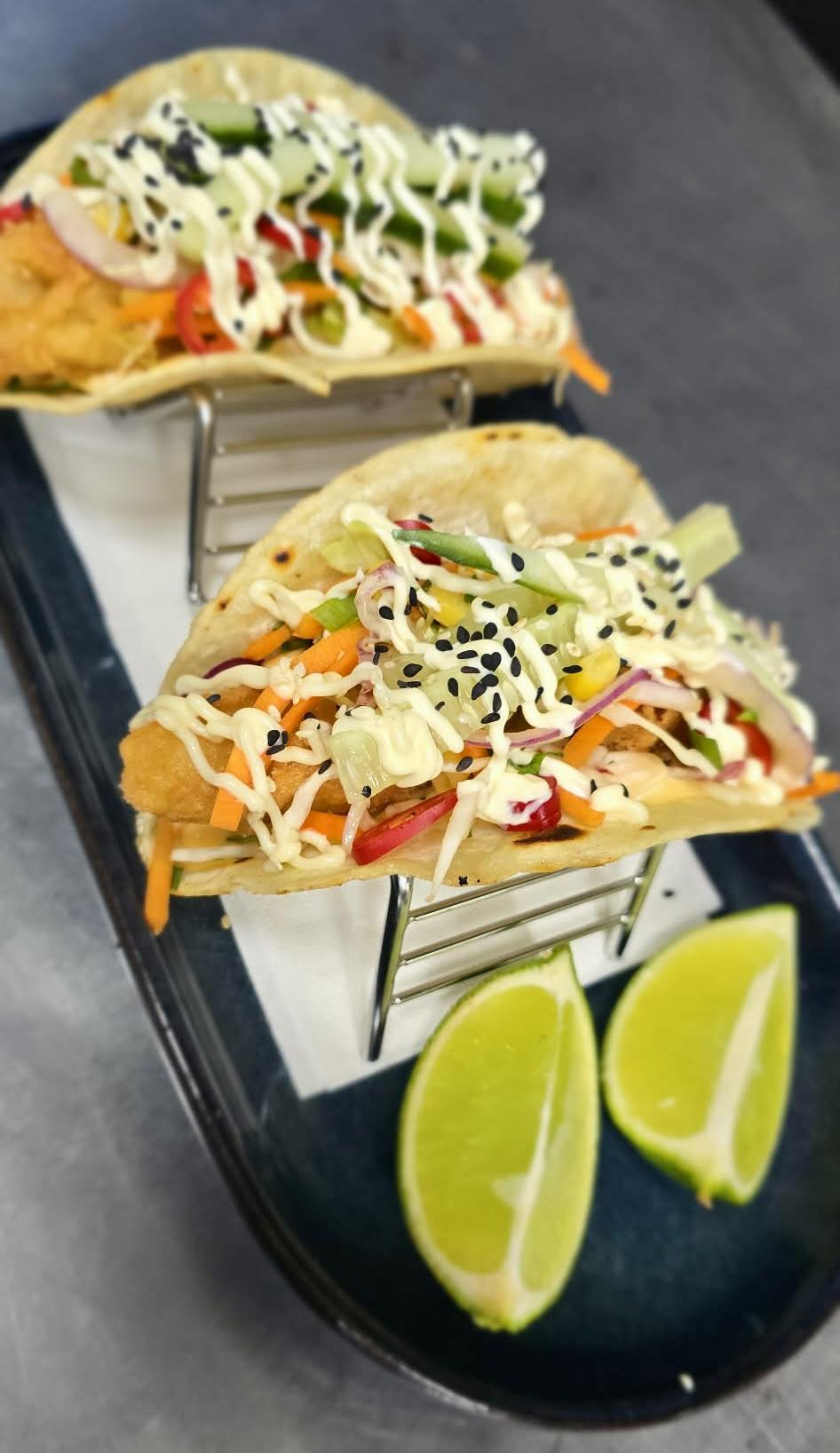
If you’re chasing warm weather, open water and unforgettable fishing, Lucinda Point Hotel is your perfect escape. Located on the edge of the Hinchinbrook Channel and just minutes from the Great Barrier Reef, Lucinda offers some of the most diverse fishing grounds in Queensland. From calm estuaries to open reef waters, this is a destination built for anglers, adventurers, and anyone who loves the outdoors. Spend your days exploring: World-class barra fishing in creeks and mangroves Ofshore reef fishing for coral trout, trevally and red emperor Boating and island hopping around Hinchinbrook Island Scenic hikes, waterfalls and rainforest trails After a big day on the water, kick back at the Lucinda Point Hotel. Enjoy a cold drink at the bar, a hearty meal, relaxed accommodation and friendly local hospitality — all in one laid-back coastal town. people coming back. Whether you’re travelling by caravan, tow- Stay. Fish. Explore. Relax. in a boat, or planning a fishing getaway, Lucinda is the kind of place that keeps Discover why Lucinda is one of North Queensland’s best-kept secrets.
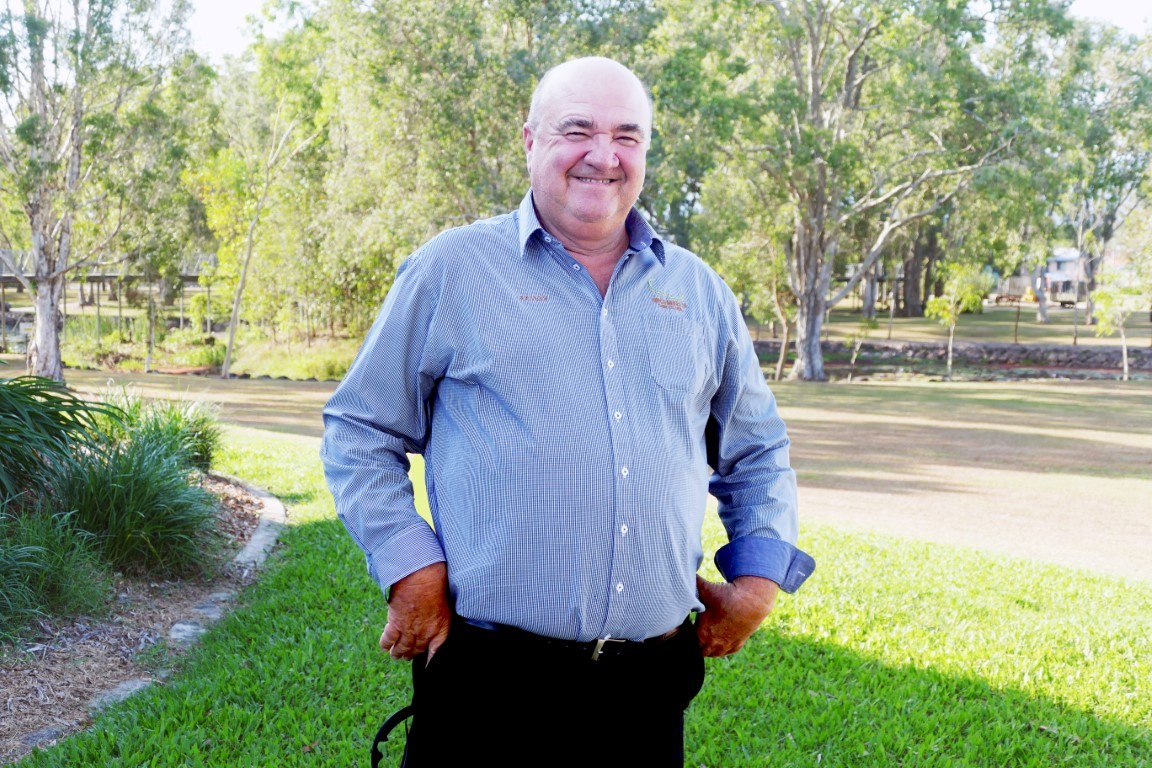
Iam pleased to advise that, despite the signifcant disruptions to business-as-usual caused by weather events over the past two years, Hinchinbrook Shire Council has remained on track with the delivery of its adopted Capital Works Programmes. Tese programmes are designed to ensure that infrastructure, facilities, and community assets are either improved or maintained in the best possible condition to support the longterm sustainability and beneft of our community. Due to the nature, complexity, and scale of many projects, most capital works are planned and delivered over a multi-year timeframe. Works completed to date include: Te construction of a new bridge on Copleys Road, Abergowrie Telemetry system upgrades to digitise and improve remote access and connectivity across essential water and sewerage operations Pavement renewal and road widening along Cooks Lane and Pappins Road Reconstruction of the Taylors Beach revetment wall Clearing works along the Lucinda foreshore; and Te delivery of new and upgraded campground facilities at the Mt Fox camping area. In addition to these specifc projects, Council maintains a continuous rolling programme for the maintenance and replacement of critical infrastructure. Tis includes road resheeting, bitumen road resealing, and water and sewer main replacements. Under normal circumstances, works are guided by Council’s asset management plans—mandatory documents that outline condition monitoring and reporting requirements, component life cycles, and defned intervention levels to ensure asset longevity and operational capability. Counter-disaster operations resulting from the 2025 rain event were substantial, given the severity and extended duration of the event, with costs exceeding $2.5 million. Counter- disaster operations refer to immediate response activities undertaken before, during, and shortly afer a disaster event to protect public safety and minimise damage to property and infrastructure. Council has progressed — and continues to progress — the reconstruction of essential public assets, primarily roads throughout the district, including the Mt Fox Range. Te counter-disaster operational costs and projects are jointly funded by the Australian and Queensland Governments under the Disaster Recovery Funding Arrangements (DRFA) and administered through the Queensland Reconstruction Authority. If you are interested in learning more, information regarding Council’s work programmes, performance, progress, and expenditure is publicly available through monthly reports tabled at Council’s General Meetings. Tese reports can be accessed via Council’s website at: https://www.hinchinbrook.qld.gov. au/our-council/meetings-and-minutes/
.JPG)
As we step into 2026, I want to take a moment to refect on the festive spirit of the Christmas and New Year season while welcoming our teachers and students back to school. This time of year is not only about celebration but also about new beginnings and the opportunities that lie ahead in education. I extend my heartfelt gratitude to our dedicated educators who play a vital role in shaping the future of our young minds. It’s also important to acknowledge a signifcant milestone for our community. Tis marks one year since the devastating weather event that impacted our shire, the worst we have faced since 1967. During this challenging time, I have been truly inspired by the resilience and determination of our residents. Together, we have worked tirelessly to rebuild and support one another. We acknowledged the community with a Flood Heroes Recognition at Australia Day, as well as our Australia Day award recipients — congratulations to all. However, we must remember that the journey is not yet complete. Many of our residents are still facing challenges, with some yet to return to their homes. As we move forward, we must continue to show compassion and solidarity, ensuring that everyone in our community has the support they need. Let us embrace the new school year as well as our business community with hope and enthusiasm while remaining committed to rebuilding and revitalising our beloved shire. Together, we can create a brighter future for all. Wishing everyone a successful and fulflling year ahead!

Yanks Jetty, managed by Hinchinbrook Shire Council, is both a historical landmark and a gateway to some of the most stunning turquoise waters around Orpheus Island? Located on the south-west side of Orpheus Island of the Hinchinbrook coast, Yanks Jetty sits above crystal-clear tropical seas on the edge of the Great Barrier Reef — waters prized for snorkelling, marine life and colourful coral just a short swim from the pontoon. Te jetty’s name comes from its role in World War II when the site hosted a degaussing (demagnetising) station used by American naval vessels to reduce their magnetic signatures and protect them from mines. Over the years it has endured storms and cyclones, including signifcant damage from Cyclone Yasi, and has been repaired and restored. Today, Yanks Jetty is a beloved destination for day visitors, boaters and campers, blending rich wartime history with breathtaking natural beauty.
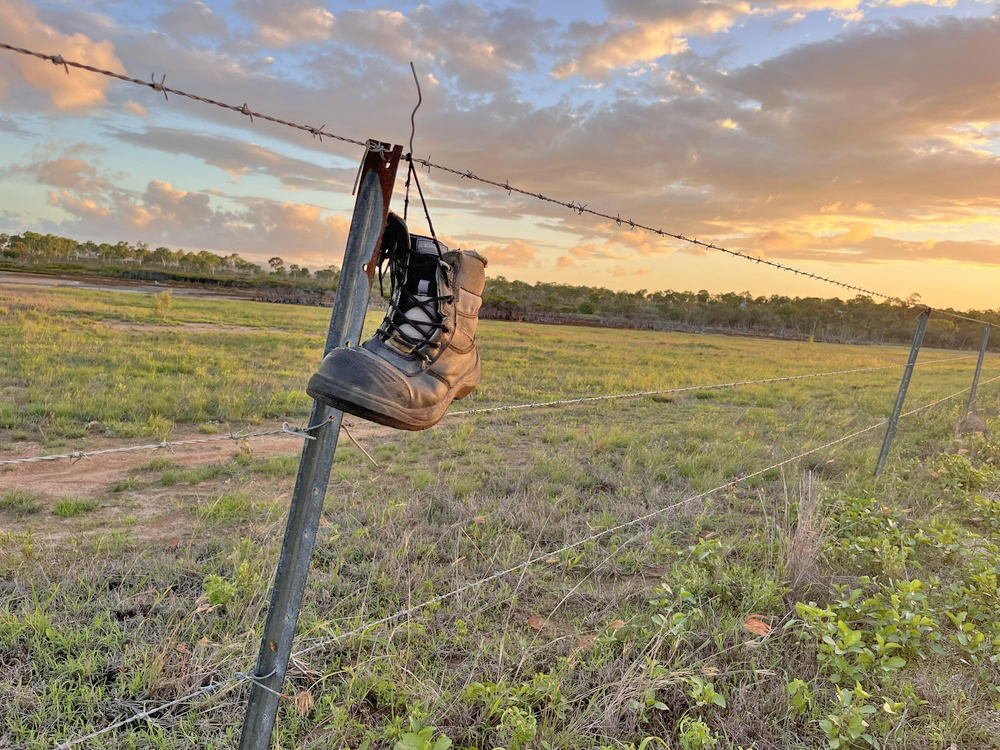
With 2026 now in full swing, In early 2025, QFF and industry partners Crisis Communications Queensland Farmers’ Feder-welcomed the reinstatement of the 80:20 Training Program and ation (QFF) President, Aaron funding split for works on the Bruce High-SmartAg Queensland, Kiely, took a moment to reflect on the way, with Kiely highlighting QFF’s role on with Kiely noting welchallenges and the opportunities that de-the Bruce Highway Advisory Council and coming Premier David fined regional agriculture across the state planned involvement in any future proj-Crisafulli MP to the in 2025. ects. 2025 National Agriculture Day Breakfast as a
“As we begin a new year, it’s worth reflect-Kiely also remembered the catastrophhighly memorable moing on the challenges and opportunities ic floods that devastated the West and
ment.
that defined Queensland agriculture in Far North, as well as QFF’s momentous 2025 - a year marked by strong engage-achievement of redefining “primary pro-“2026 will be an import-a new CEO,” Kiely said.
ment, meaningful reform and close col-ducer” to expand access to disaster assis-ant year for our members, with CANElaboration across our members, produc-tance and allow crop replacement to be GROWERS marking 100 years, Cotton “QFF looks forward to working with our ers, industry partners and government,” included in disaster grants. Several other Australia’s Cotton Conference returning members to drive a productive and resilhe said. projects were spotlighted including the to the Gold Coast, and QFVG welcoming ient future for Queensland agriculture.”
QFF President, Aaron Kiely, is looking forward to
To A Resilient 2026 a prosperous 2026. Photo credit: Shutterstock

Applications for the fourth round of the Traceability Grants Program will close on 18 February 2026, giving farmers, producers, and industry groups just two weeks left to secure funding.
The program, part of the National Agricultural Traceability Strategy 2023–2033, supports collaborative projects that enhance traceability systems in Australian agriculture over the first five years of the strategy.
The Australian Government has committed $4 million to this round, offering grants ranging from $50,000 to $500,000 for projects that:
Align processes and technology to collect data that meets regulatory requirements and provides valuable feedback to farmers.
Support industry adoption of interoperable traceability systems.
Implement communication and education campaigns to boost awareness of agricultural traceability.
Improve systems that track and trace agricultural products through export supply chains.
Help exporters remain competitive in global markets.
Encourage more farmers and processors—particularly those handling high-value products— to explore exporting.
Ensure cost-effective solutions by using existing systems and technology wherever possible.
The Traceability Grants Program is part of a broader effort to modernise Australia’s agricultural supply chains, providing farmers with the tools to meet regulatory standards while expanding opportunities in international markets.
For more information and to apply, visit the Traceability Grants Program website before the deadline on 18 February 2026.

Feral pig and woody weed control programs are beginning in the Herbert catchment as Terrain NRM and its partners intensify efforts to improve water quality in a river system extending from west of Mt Garnet to the floodplain around Ingham.
Five projects are now being rolled out as the first stage of the Herbert Integrated Project’s on-ground works, and Terrain NRM Project Manager Fiona Barron said there were more to follow. One of the first is a feral pig management initiative led by Hinchinbrook Shire Council.
“Feral pigs are a major problem for the environment and also for the sugar cane industry and other farming industries in the Herbert,” Ms Barron said. “Pigs churn up soil and vegetation and damage wetlands and riverbanks, which releases nutrients and can spread pathogens.”
Hinchinbrook Shire Council will build on an existing control program by using emerging surveillance and control technologies, including AI-enabled cameras. A remote-triggering feral-tech trap door will also be trialled near a coastal community where traditional systems have been unsuccessful.
In the upper Herbert, stakeholders identified the thickening of invasive woody weeds, such as lantana, as a priority.
“Dense thickets of woody weeds are a problem for graziers because they lead to less soil protection and pasture,” Ms Barron said.
“Part of the project will involve working with graziers on trials of different burn approaches at different times of the year to determine the most effective way of tackling woody weeds so that we can share best practice with other landholders.”
Other projects include developing a whole-of-catchment management plan, supporting cane farmers through integrated whole-of-farm planning led by Herbert Cane Productivity Services Ltd, and synthesising past and present water quality monitoring data to better understand what’s happening across the catchment and help farmers and the wider community. There will also be a focus on circular economy opportunities and natural capital capacity-building within the Herbert catchment area.
Ms Barron said the Herbert Integrated Project was being driven by the community, and Terrain NRM was working with a wide range of partners and community groups.
“We have engaged widely with stakeholders across the upper and lower Herbert catchment to understand how the catchment can be managed as one integrated system - to not only improve water quality but also deliver broader community and landscape benefits,” she said.
“For over a decade, farmers and the agricultural sector have achieved substantial reductions in nutrient, pesticide and sediment runoff to the Reef through improved land management. This new investment will extend that and explore more opportunities to generate social and economic benefits for the community.
“The Queensland Government is investing in place-based approaches to reef water quality, which means the people who live and work in the catchment and who know the landscape best are helping to shape the initiatives we deliver — and viewing the catchment as one connected system.
“Because the project is community-driven, we can also leverage this investment to deliver social and economic co-benefits for the local community and First Nations people. It will help to create a legacy of stewardship for the future.
“A healthier, more sustainable catchment is better for everyone.”
The Herbert Integrated Project is funded through the Queensland Government’s Queensland Reef Water Quality Program and delivered by Terrain NRM in partnership with many stakeholders, including Hinchinbrook Shire Council, Herbert Cane Productivity Services Ltd, Canegrowers and TropWATER. Find out more about the Herbert Integrated Project here: https://terrain.org.au/what-we-do/waterway-health/herbert-integrated-project/
Find out more about the Queensland Government’s placed-based integrated projects here: https://www.qld.gov.au/environment/agriculture/sustainable-farming/reef/reef-major-projects
.jpg)
New research from James Cook University (JCU) has revealed that epaulette sharks — often called “walking sharks” — can reproduce and lay eggs without any measurable increase in energy use, challenging long-held assumptions about animal biology.
The study, published in Biology Open, was led by JCU’s shark physiology research team under Professor Jodie Rummer and focused on the metabolic costs of reproduction in epaulette sharks.
“Reproduction is the ultimate investment … you are literally building new life from scratch,” Prof Rummer said.
“We expected that when sharks make this complex egg, their energy use would shoot up. But there was no uptick in energy use, it was completely flat.”
While reproduction is typically considered a high-energy process, this is the first time researchers have directly measured the metabolic cost of egg laying in sharks. The findings suggest epaulette sharks have evolved a unique physiological efficiency.
“These sharks appear to have adapted their physiology to be able to optimise their energy use,” Prof Rummer said.
“This work challenges the narrative that when things go wrong — such as warming oceans — that reproduction will be the first thing to go.”
Epaulette sharks usually produce two eggs every three weeks, with peak laying occurring between September and December. The research team monitored five female sharks before, during and after egg encapsulation in temperature-controlled tanks at JCU’s Marine and Aquaculture Research Facility in Townsville.
Lead author and recent JCU PhD graduate Dr Carolyn Wheeler said oxygen uptake, blood chemistry and hormone levels remained stable throughout the process.
“Under environmental stress many species will choose between survival and reproduction, but the epaulette shark might be able to continue to produce eggs,” Dr Wheeler said.
“That’s encouraging, because healthy sharks equal healthy reefs.”
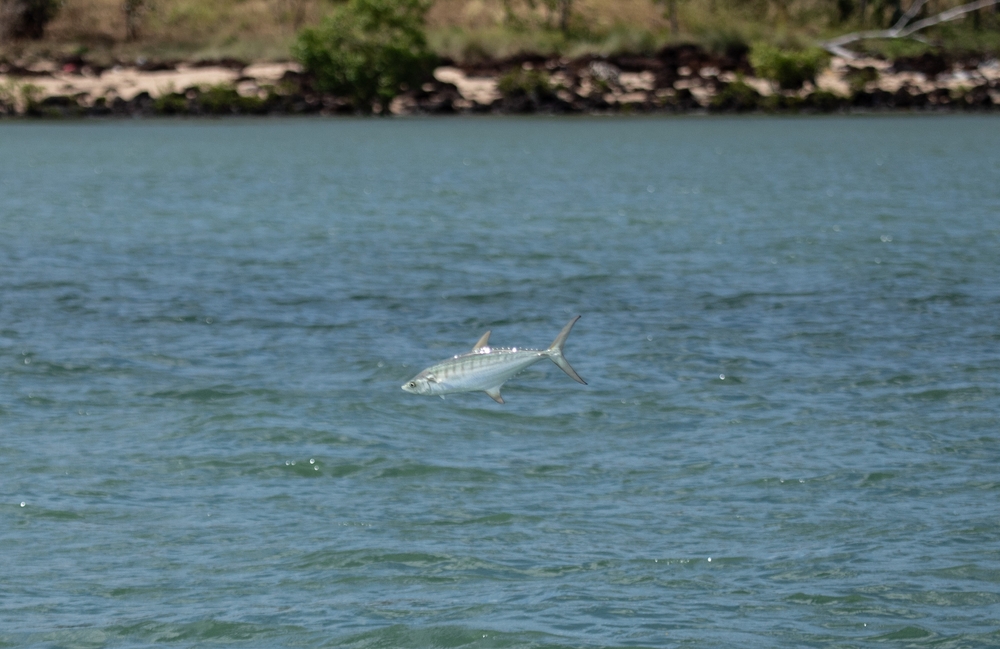
Legislative changes to the Spanish mackerel harvest strategy are now in effect for recreational fishers, while new rules for commercial fishers commence on 1 February 2026.
The Government says the changes are based on science and aim to put more iconic Spanish mackerel back on plates across Queensland. This year’s stock assessment found the population has likely increased to 34 per cent of un-fished biomass, allowing for higher catch limits.
For recreational fishers, the boat limit has increased from two to four Spanish mackerel per boat, while the individual bag limit remains at one per person. Commercial fishers will see the annual allowable catch rise from 165 tonnes to 250 tonnes – a 51.5 per cent increase. A new biomass target of 48 per cent has also been set to ensure sustainability into the future.
Minister for Primary Industries Tony Perrett said the changes were informed by data.
“As a government, to ensure sustainable fishing continues into the future, we must make our decisions based on the facts – and that’s what we’ve done here,” he said.
“We estimate this increase to the annual commercial catch limit will boost the Queensland economy by approximately $3.5 million in gross value of production. That means more jobs for Queenslanders and more Spanish mack on plates around the state, whether that be at home or showcased across our world-class tourism and hospitality sectors.”
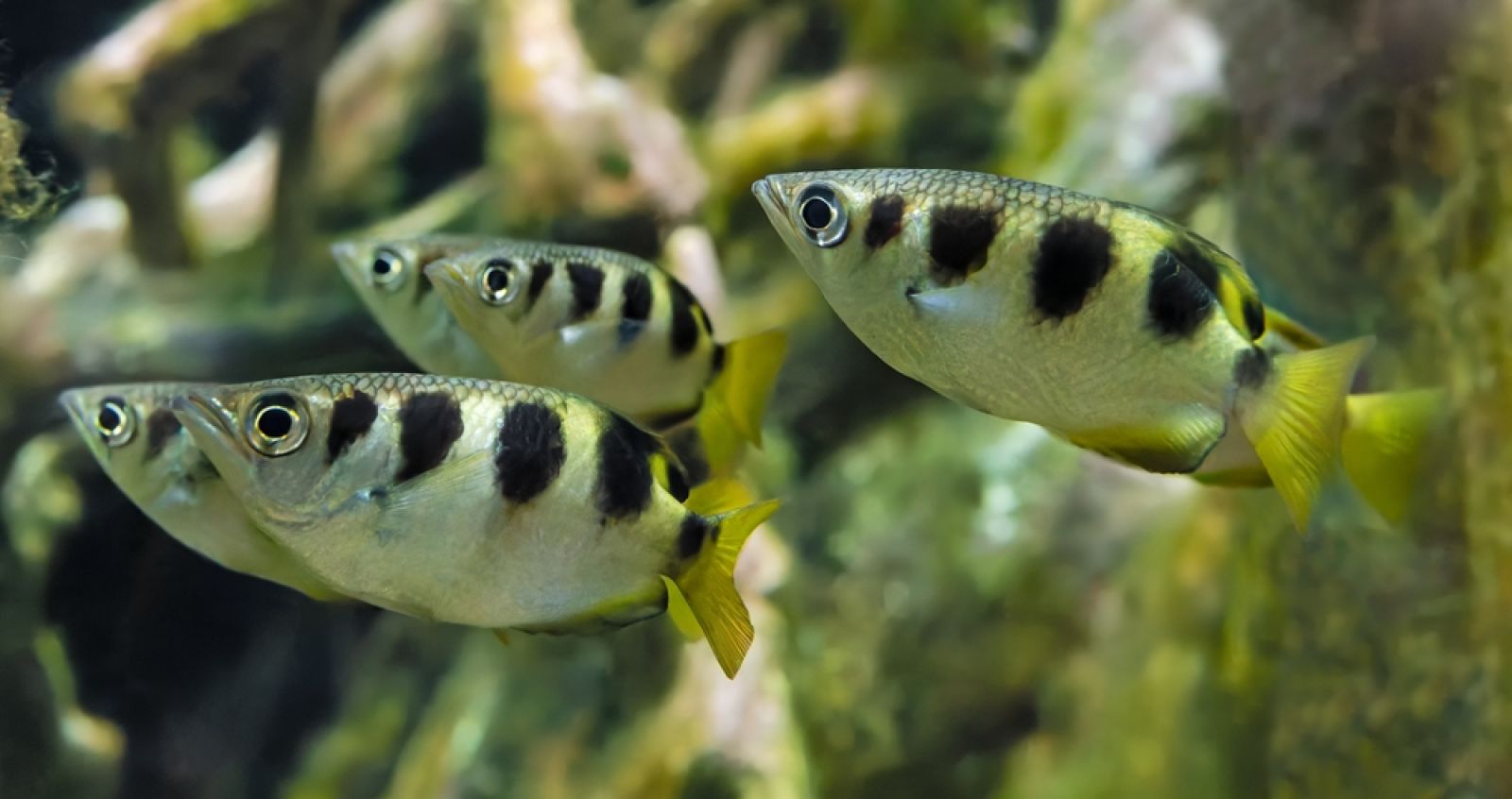
Australian freshwater fish are far more adventurous eaters than once believed, with new research revealing many species regularly snack on food that comes from beyond the water’s edge.
A study published in Freshwater Biology has found around half of Australia’s native freshwater fish rely on land-derived food sources such as fruits, insects and other invertebrates, with many unable to survive on aquatic food alone.
“No one has ever tried to determine the reliance of freshwater fish on terrestrial-derived diets at this scale, either in Australia or globally,” said James Cook University TropWATER researcher Dr Aaron Davis.
“Australia has famously nutrient-poor soils, so terrestrial inputs play a critical role in adding energy into freshwater ecosystems that fish wouldn't otherwise have access to.”
Researchers from Griffith University and The University of Western Australia analysed dietary data from 137 native freshwater fish species, examining how species type and climate influence feeding behaviour.
The study found terrestrial invertebrates such as insects, worms and spiders were an important food source for around a quarter of the species studied, particularly jollytails and rainbowfish. Fruit consumption was especially common among grunters and fork-tail catfish, with significantly higher intake recorded in northern Australia’s wet–dry tropics.
“For many of our native fish, aquatic food sources aren’t always consistently available,” Dr Davis said.
“So being able to take advantage of food that falls into the water from surrounding land vegetation makes sound evolutionary sense.”
The findings highlight the importance of protecting riverside vegetation, with Dr Davis noting freshwater fish are among the most threatened animals globally and rely heavily on healthy riparian ecosystems for survival.
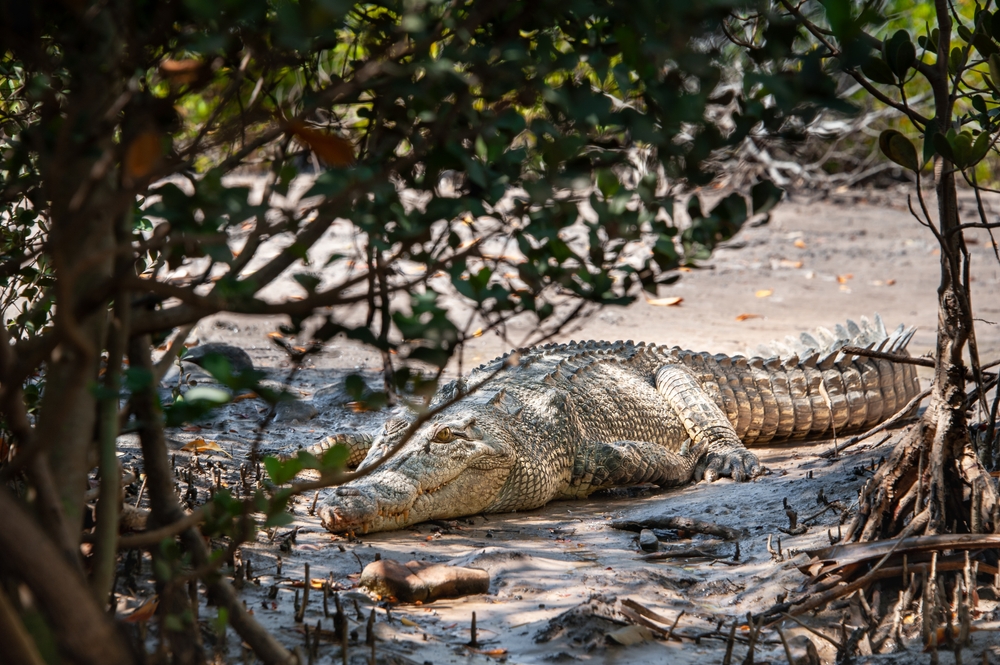
The Queensland Government has updated its crocodile management zones in the Cassowary Coast and Hinchinbrook regions as part of its ongoing effort to protect communities while conserving estuarine crocodiles.
The revisions are part of the Queensland Crocodile Management Plan (QCMP), a framework that identifies risks, supports public safety, and guides consistent crocodile management across the state. Estuarine crocodiles, also known as saltwater crocodiles, are a protected species but can pose significant dangers to humans.
In the Cassowary Coast, Warrina Lakes Community Parklands has been re-zoned as a Targeted Crocodile Removal Zone. This means all crocodiles two metres or larger, and any crocodile displaying dangerous behaviour, are targeted for removal to reduce the risk to visitors.
Meanwhile, in Hinchinbrook, the two front ponds of the Tyto Wetlands have been re-zoned as an Active Removal Zone due to their proximity to a children’s playground and visitor centre. In Active Removal Zones, all estuarine crocodiles—regardless of size or behaviour—are targeted for removal, with the goal of significantly reducing human-crocodile interactions in high-use areas.
The QCMP uses a zoning system to determine management actions based on local risks. Zones include Active Removal, Targeted Crocodile Removal, General Management, and Reportable Removal. Decisions consider crocodile size, behaviour, and location to determine whether a crocodile is classified as a “problem crocodile.”
The plan also supports the long-running Be Crocwise public safety program, which educates communities on safe behaviours in crocodile habitat. Residents are reminded that crocodile removal does not guarantee an area is free of crocodiles, and personal vigilance remains essential.
The Queensland Government encourages community feedback during its annual consultation period, ensuring local input helps shape safe and effective management strategies.
For more information on crocodile safety and reporting sightings, visit the Queensland Government’s Be Crocwise website.

Publishers Indemnity. Any individual or entity that places advertising, supplies copy material, or submits editorial content to Life Publishing agrees and undertakes to ensure that all such material:- Does not infringe upon any copyright, trademark, or other intellectual property rights;- Is free from any content that could be considered defamatory, libelous, or slanderous;- Does not infringe upon any rights related to privacy or breach of confidence;- Contains no obscene, indecent, or otherwise unlawful material;- Complies fully with the Trade Practices Act and all other applicable laws, regulations, or statutes. Furthermore, by submitting or placing such material, these individuals or entities agree to indemnify and hold harmless the publisher, Life Publishing and Events Pty Ltd, and/or its agents from and against any and all investigations, claims, demands, liabilities, damages, costs, or judgments arising out of or in connection with the material provided. All material is believed to be accurate at the time of printing and remains the copyright of Life Publishing and Events Pty Ltd.
© 2026 Life Publishing Group Ltd.
