
Independently Owned, Locally Grown, Community Loved
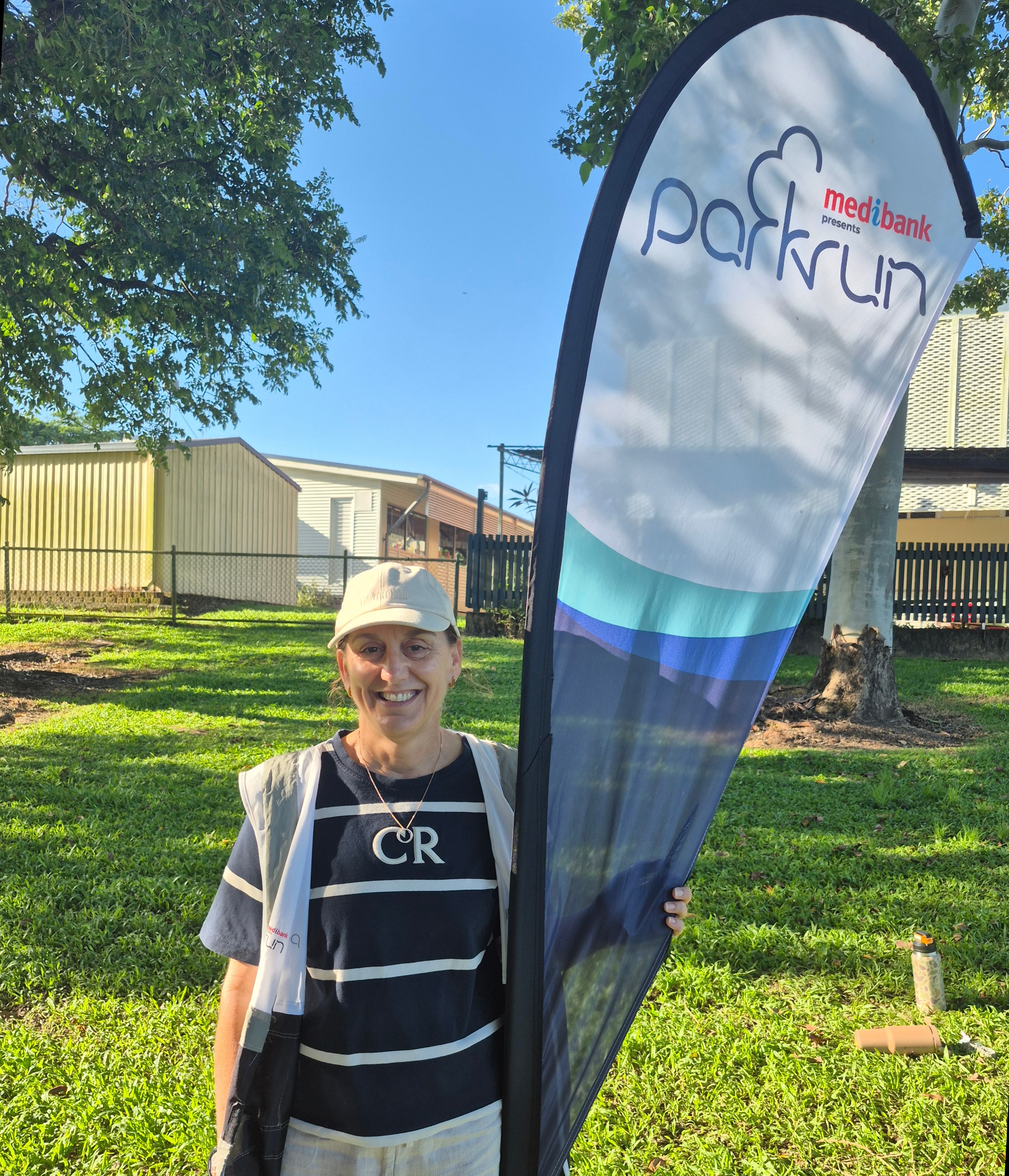
With sunshine returning and numbers swelled by visiting runners, last weekend was a lively one on the Palm Creek course. I also took the opportunity to catch up with Bridgette Duffy, who recently reached an incredible milestone, of dedicating 200 of her Parkruns to volunteering. A true triple threat, that morning Bridgette marked the day as Run Director, Event Day Course Check and Volunteer Co-ordinator, highlighting the dedication and love she felt for the community fitness event “I’m pretty pleased,” Bridgette said. “I’m happy to be able to help the community, and it’s a good cause, getting people out, seeing them running, and starting their weekend off beautifully.” Her passion for Parkrun is evident when asked why she took up volunteering at them. “I like running for starters,” she said, “but I just think it’s great for our community to have an event where families can come too. It’s a great way to get fit and healthy for everybody, and it’s just a really nice community event.” Bridgette’s volunteer journey began back at the original TYTO course in Ingham, before the course was relocated to Palm Creek. “That’s when I started my volunteer journey with Parkrun. I just thought, ‘I like to come to Parkrun, and we all need volunteers to help out and keep it going. If we don’t put our hands up, nobody else is going to, you can’t expect anybody else to’." When asked about her favourite events, Bridgette said Palm Creek holds a special place. “I love this one, probably of all the ones I’ve done. I really liked Yeppoon, it was a lovely Parkrun, but I haven’t done too many different ones.” As the wind picked up, and the last people were crossing the finish line, I asked if she had any bucket list Parkruns she wanted to try, and for future plans, she smiled saying that she doesn’t have a specific one in mind but would “love to do one overseas.” Parkrun Results: 28th March 2026 Palm Creek #118 – 31 participants Fastest time: Julian Lee (18:53) Final finisher: Julie Mac Pherson (56:46) PBs: Carter Hague (18:59), Matthew Turner (28:06), Todd Cockburn (28:37), Sophie Parker (29:40), Kira Turner (34:26) First-timers: Jackson Mathews (23:37), Darcy Toholke (23:47), Sheridan Davis (56:44) Volunteers: Bridgette Duffy, Amanda Towner, Donna Panzenbock, Matteo Mancuso, Julie Mac Pherson Cardwell #380 – 19 participants Fastest time: Luke Tamblyn (22:26) Final finisher: Graeme Lake (53:54) PBs: Bruce Boland (40:36) First-timers: Liam Matthews (23:20), Steve Upton (25:58), Jacqui Lefebvre (34:00), Chris Page (38:52), Astrid Clancy (44:46), Brendan Clancy (46:19), Sue Patch (53:33) Volunteers: Kerry Snell, Luke Tamblyn, Jan Ferguson, Terry Curtin, Graeme Lake, Anita Davina
Read the full story
A major upgrade to the Reef Ranger is set to strengthen protection efforts across the Great Barrier Reef, following a $2.9 million refit delivered by the Australian and Queensland governments. The vessel, a key asset for marine park operations since 2014, supports multi-day field trips, scientific research, compliance patrols and partnerships with Traditional Owners across remote reef and island locations. The refit introduces a range of innovative, eco-friendly upgrades designed to improve efficiency while reducing environmental impact. Among the changes are new propulsion engines capable of running on oil derived from waste cooking oils, alongside a hybrid solar and battery power system to cut reliance on diesel. Additional improvements, including a specialised silicone-based hull coating, are expected to reduce fuel use and emissions, allowing the vessel to operate more sustainably across its extensive patrol area. Queensland Environment and Tourism Minister Andrew Powell said the vessel had long been central to reef operations. “The Reef Ranger has carried rangers and researchers to some of the most iconic places in the Great Barrier Reef, places like Raine Island, Wuthara and Hinchinbrook, helping communities protect the reef we all care about,” he said. With the latest upgrades now complete, the Reef Ranger will continue its critical role in safeguarding one of the world’s most important natural ecosystems.
Read the full story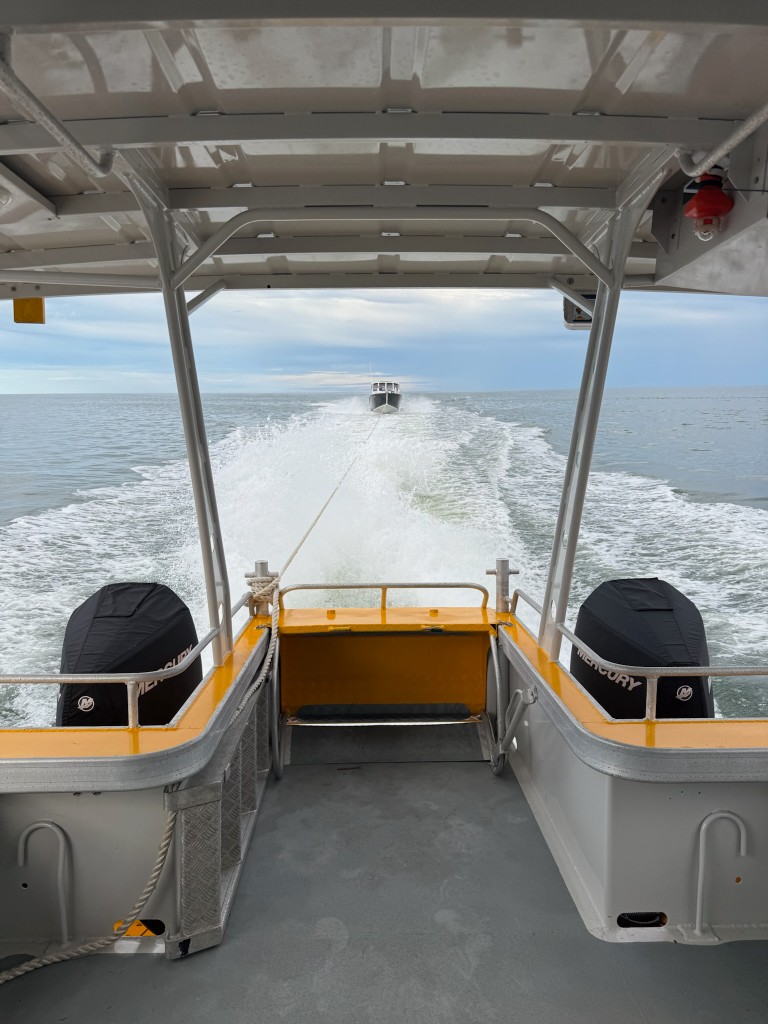
By Steve Whipps, Commander Qf14 Lucinda Coast Guard A couple and their young child from Townsville got into a spot of bother last week when on the way back from Bramble Reef after a day’s fishing, they lost all steering on their alloy boat. A radio call to Coast Guard Townsville resulted in the team at Coast Guard Lucinda being notified of the situation, and a volunteer rescue crew was activated. The rescue vessel “Snow Stafford”, manned by four crew members, and with a Radio Operator at the base, was launched in quick time and headed out to sea. Thankfully the sea was calm, and the distressed vessel was quickly located about 15 kilometres northeast of Pelorus Island. A tow line was attached, the return trip was completed without incident, and three people were very glad to be safely ashore.
Read the full story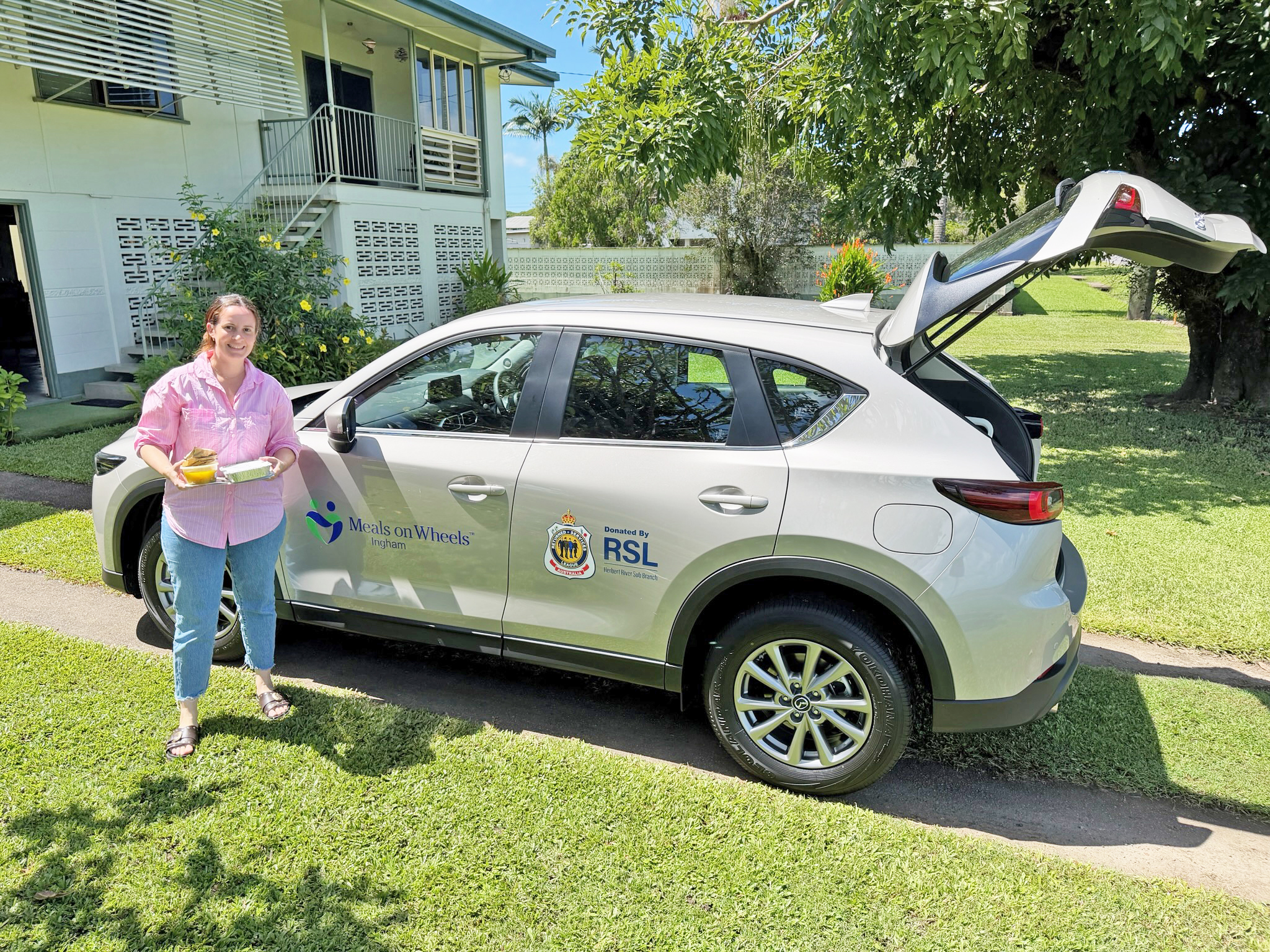
New Car, Old Meals On Wheels Charm Ingham Meals on Wheels is hitting the road in style, with a brand new vehicle set to support the volunteers who have long been the backbone of the service. The new Mazda CX-5 was made possible through funding from the Herbert River RSL Sub Branch, purchased locally through Ingham Mazda, and finished with professional signage by Global Signage, showcasing a strong show of community support. “For more than four decades, Meals on Wheels volunteers in Ingham quietly used their own vehicles to ensure meals reached those in need,” Rodger Bow said. “Recognising the strain this placed on volunteers, the decision was made that it was time to provide a dedicated vehicle.” Ingham Mazda’s Jenna Devietti said supporting the initiative was a natural fit. “We’re proud to be part of the Ingham community, so supporting organisations like Ingham Meals on Wheels is something that’s genuinely important to us,” she said. “The work they do goes far beyond delivering meals — they provide care, connection, and daily support.” To ensure the vehicle remains on the road, Ingham Mazda has also committed to five years of free servicing. “We wanted our support to be practical and ongoing, rather than a one-time gesture,” Ms Devietti said. Meals on Wheels President Rita Phillips said the donation was deeply appreciated. “At times the support that we receive is overwhelming,” she said. “Since 1983 volunteers have used their own vehicles at their own expense.” Ms Phillips said the new vehicle would ease pressure on volunteers while strengthening service delivery. “In the current economic time, this vehicle will not only assist the volunteers to continue deliveries, but also helps keep the connection of our clients to the community,” she said. “This vehicle will reduce use of the volunteers’ vehicles, which includes longer runs that include Halifax and the beaches.” “Our new Mazda will provide continuity of deliveries to all who rely on Ingham Meals on Wheels.” While the vehicle is new, the heart of the service remains unchanged. “We are so privileged to live in a community with such generosity, not only monetarily, but also selflessly volunteering their valuable time,” Ms Phillips said. “All members of our community should be proud to live in the Herbert River Valley.”
Read the full story
Submit your photo to the comments on the Ingham Photography Group Facebook page when the next prompt is announced for a chance to have your photo featured in the paper.
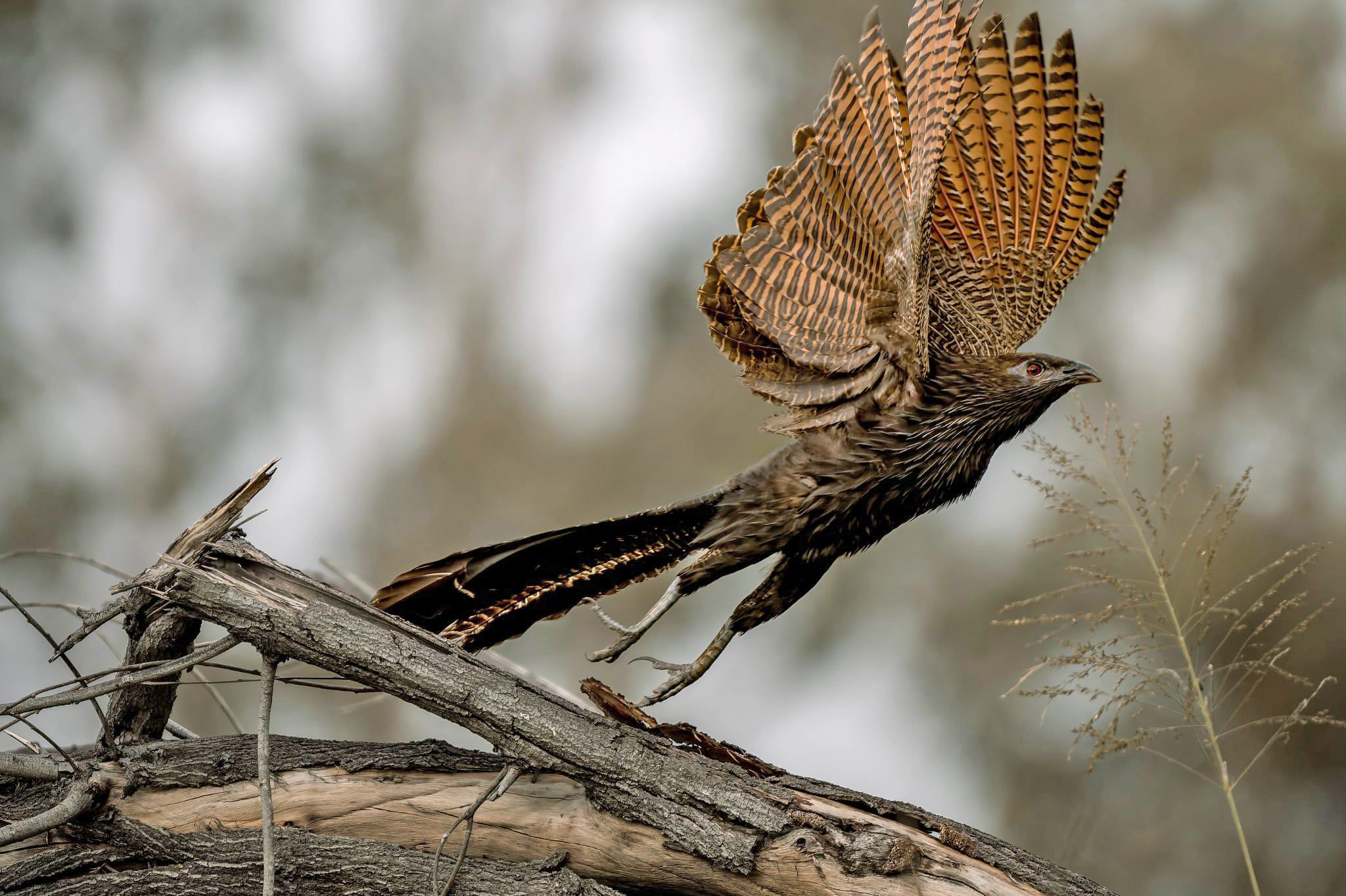
Cheryl Larsen Photography. Townsville Town Common, 24 January 2026.
Subject: Pheasant Coucal
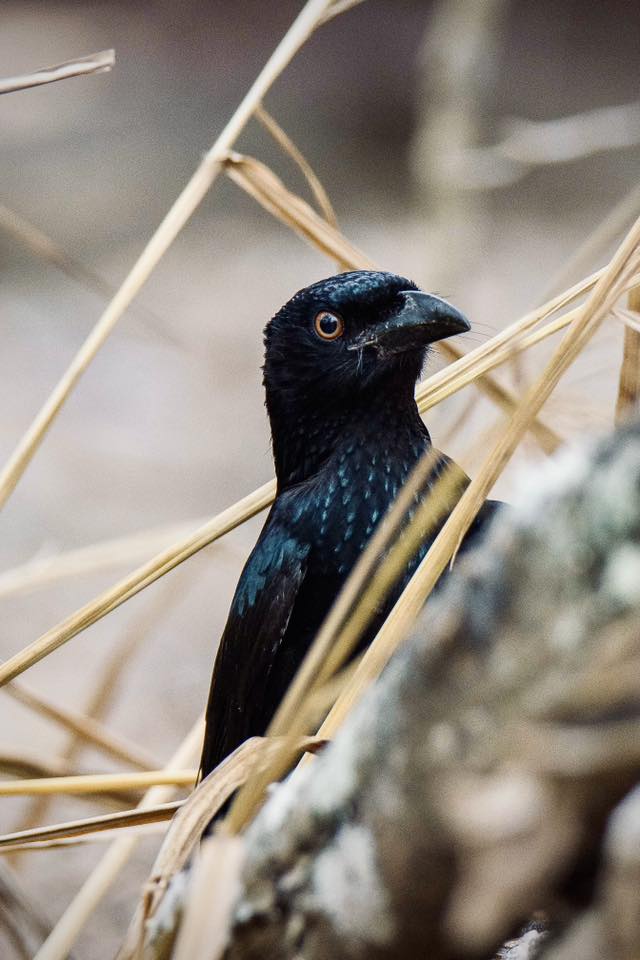
Mama Shaz’s WildLife. Tyto Parklands, 11 July 2025.
Subject: Spangled Drongo - Caught in the Act

Herbert River sugar contractors and industry stakeholders will come together next month for an Information Night and Rural First Aid course focused on safety, business knowledge and industry collaboration ahead of the 2026 season.
The free Herbert River Sugar Contractors Information Night will be held from 5pm on Saturday, 7 March at the Noorla Bowls Club in Ingham.
Hosted by Link 2 Country Pty Ltd – Nicole Chiesa, with support from Jodie Morton of Safety & Learning Techniques – the evening will include discussion around workforce needs for 2026 and practical strategies to support contractors.
Topics include online support, a proposed Sugar Contractors Directory, and pathways for those wanting to work in the industry, along with practical approaches to record-keeping and pre-start systems using QR codes.
Canegrowers Herbert River will provide a district update, including haul-out training, 100-year celebrations, QRIDA disaster funding, primary producer definitions, re-planting and transport issues.
Westpac will outline business support options such as overdrafts, equipment finance, credit structures and insurance premium funding.
GlueTread AU will showcase its heavy-duty tyre repair system for tractors and off-road machinery, with sample kits on display and an exclusive attendee discount.
Earlier in the day, contractors can enrol in a Sugar Contractors Rural First Aid course for machinery operators and crews. Priced at $150 per person, the course runs from 10am to 4.30pm, with lunch included, ahead of the 5pm Information Night.
RSVP via the QR code or call Nicole on 0427 560 558.

Designed to replicate the natural look of timber, each plank features authentic wood grain detailing with a subtle embossed finish for a warm, homely feel underfoot. A tough UV-coated wear layer protects against everyday scratches, stains and fading, making it ideal for busy residential spaces.
TreadCore is 100% waterproof, making it suitable for kitchens, living areas and other moisture-prone zones when installed correctly. The planks are softer and warmer underfoot than traditional hard flooring and include a preattached EVA foam underlay to enhance comfort and reduce installation time.
Installation is quick and straightforward thanks to the Uniclic locking system, allowing the floor to float without nails or adhesives. TreadCore Hybrid Flooring is also easy to maintain, requiring only regular sweeping and damp mopping to keep it looking its best.
Manufactured by QEP, a global leader in plank flooring for over 20 years, TreadCore Hybrid Flooring is backed by a 25-year residential warranty, giving peace of mind alongside long-lasting style and performance.
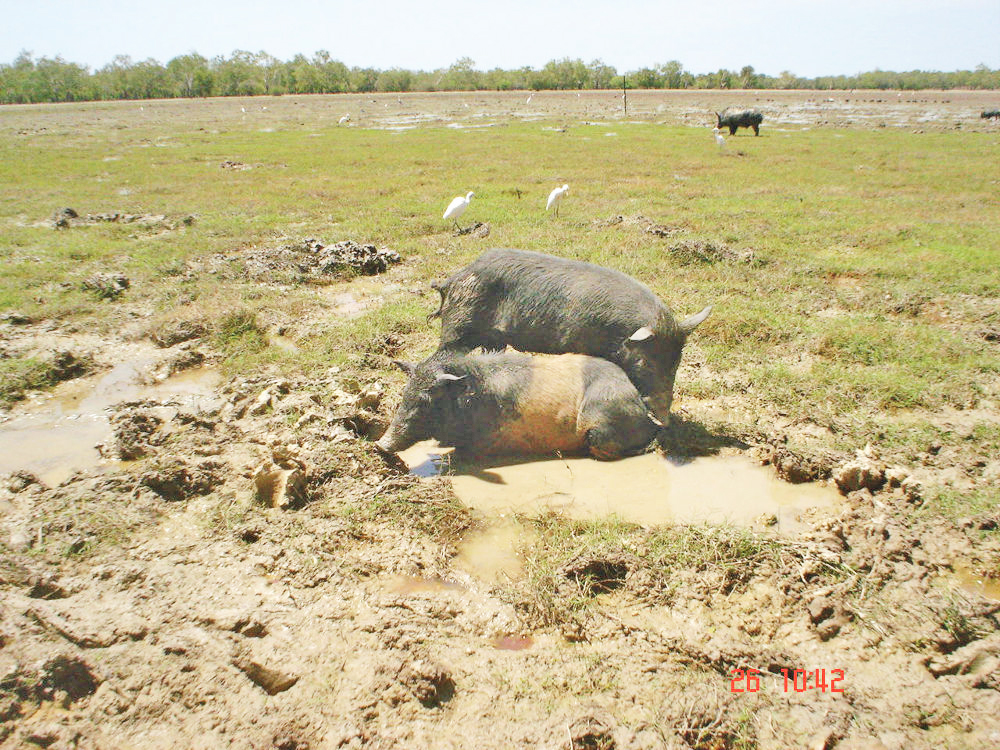
The Government is delivering a plan for Queensland’s future and support to help primary producers, landholders and local governments to manage populations of feral pigs across Queensland.
A draft of the Queensland Feral Pig Management Action Plan 2026 –2031 has been released, inviting landholders, stakeholders and industry to have their say on the state’s coordinated approach to tackling one of Queensland’s most destructive pest animals.
The draft plan was developed through regional workshops, consultation and with stakeholder input, and aligns with the National Feral Pig Action Plan to ensure consistency with national objectives.
Feral pigs damage almost all crops, are known to kill lambs and native fauna, degrade waterways, can carry infectious diseases including serious diseases that can be transmitted to people.
This in action to control the population of feral pigs and allowed Queensland’s biosecurity sector to fightback after workforce attrition, cuts to staffing and the closure of the state’s northernmost biosecurity facility.
The Government is delivering action on Queensland’s feral pig population by investing in regional feral pig coordinators in six priority regions, as well as innovative techniques for control tools, which include an aerial control campaign currently underway to reduce feral pig populations in north-west Queensland during flood recovery.
An additional 100 biosecurity officers added to the front line, many of whom have already started work.
Minister for Primary Industries Tony Perrett said feral pigs were a destructive pest impacting farmers, graziers, foresters and ecosystems right across Queensland.
“This draft plan is about bringing everyone together behind a coordinated and practical approach to protect Queensland’s primary industries and environment.” Minister Perrett said.
“Feral pig management isn’t one-size-fits-all. What works in Cape York won’t be the same as what’s needed in the Darling Downs.
“Collaboration is critical because everyone has a responsibility to take reasonable steps to manage feral pigs on land under their control.
“This is why we’re working with landholders, regional groups and industry to ensure this plan reflects real-world challenges and solutions on the ground.”
Have your say on the Department of Primary Industries | Queensland's Feral Pig Management Action Plan - before 12th March 2026 to contribute to the Queensland Feral Pig Management Action Plan 2026-2031.
https://dpi.engagementhub.com.au/feral-pig-action-plan

With state-of-the-art equipment, outstanding service and a hands-on approach to every project, LiquaForce continue to prove they are shaping the future of fertilising across North Queensland. Servicing the region from Mackay to Mossman, the Ingham based, business has built a reputation grounded in reliability, innovation and genuine care for the communities it supports.
For years, LiquaForce has worked alongside local growers, understanding that success in agriculture is not just about products, but about people. Their commitment extends beyond paddocks and production figures, with a strong focus on supporting farming families, regional employment and the long-term sustainability of the agricultural industry. This close connection to the community has helped establish deep trust and lasting partnerships throughout the sugarcane and horticulture sectors.
LiquaForce has consistently delivered results by providing tailored liquid fertilising solutions designed to meet the specific needs of North Queensland soils and conditions. Their proven ability to service the agricultural and liquid fertilising requirements of the region has positioned them as a dependable partner during both challenging and prosperous seasons.
Following the acquisition by listed company RLF AgTech Limited in 2024, LiquaForce now offers an expanded range of advanced nutritional products and the capacity to support a broader variety of crop types. This growth strengthens their ability to deliver cutting-edge solutions while maintaining the local knowledge and community focus that define the business.
LiquaForce fertilisers deliver measurable benefits, including increased yields, improved sugar production, reduced labour demands and optimised nutrient efficiency. By minimising leaching and downtime, they help growers maximise outputs while protecting their land for future generations, reinforcing LiquaForce’s ongoing commitment to both productivity and community resilience.

Hello Hinchinbrook, let’s talk trees!
From time to time, Council receives a lot of feedback on social media when trees are removed or heavily pruned.
We understand why this can be upsetting especially when a large, shady tree is taken away in our hot climate, where shade is so important for sitting, walking, or even parking the car.
There are a variety of reasons why this is done.
Tree root systems can damage underground sewerage infrastructure, and as much as I love the majesty of a big old rain tree, they do have a bad habit of dropping limbs, despite Council engaging contractors to deadwood them annually, especially as they age.
Many of the trees in our Shire were planted many years ago, and sometimes they become sick or start to die, which also calls for removal. Poinciana trees are a good example of this; Council removed a large tree in Rotary Park late last year. Not only was it dropping large limbs, but the hollow trunk was home to a large beehive.
The Poinciana (Delonix regia) typically has a relatively short lifespan of 30 to 50 years. These fast‑growing, tropical trees are known for their rapid growth — often reaching 30–40 feet in height —but are prone to wood rot, termites, and branch failure as they age.
When we remove trees, we try to plant replacement trees. We also plant trees in new areas across the Shire. The trees we plant today are more fit for purpose than those planted in the past, and where possible we try to choose flowering trees that help brighten up the town. Most of our tree stock is grown at our nursery to help save on costs.
Sadly, not everyone understands the effort and care our staff put into growing these trees, and they’re often vandalised or stolen.
We proudly celebrate National Tree Planting Day and, with the help of our biosecurity team and enthusiastic local volunteers, have planted thousands of native trees over the years.
Over 50 trees have been planted throughout the district’s parks, foreshores, and main street in the last six months alone.
The varieties planted include:
Keep an eye out — see if you can spot the varieties!
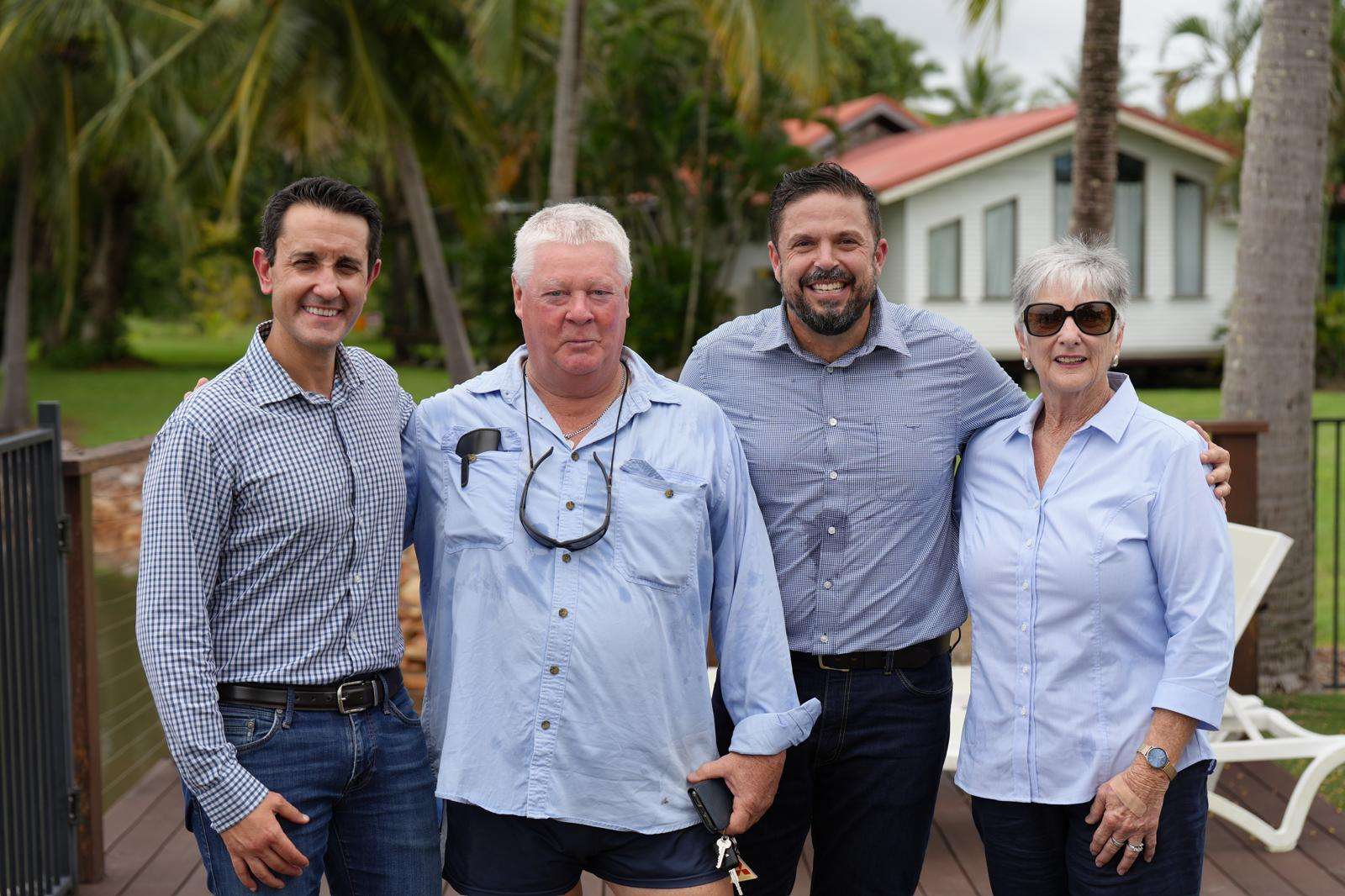
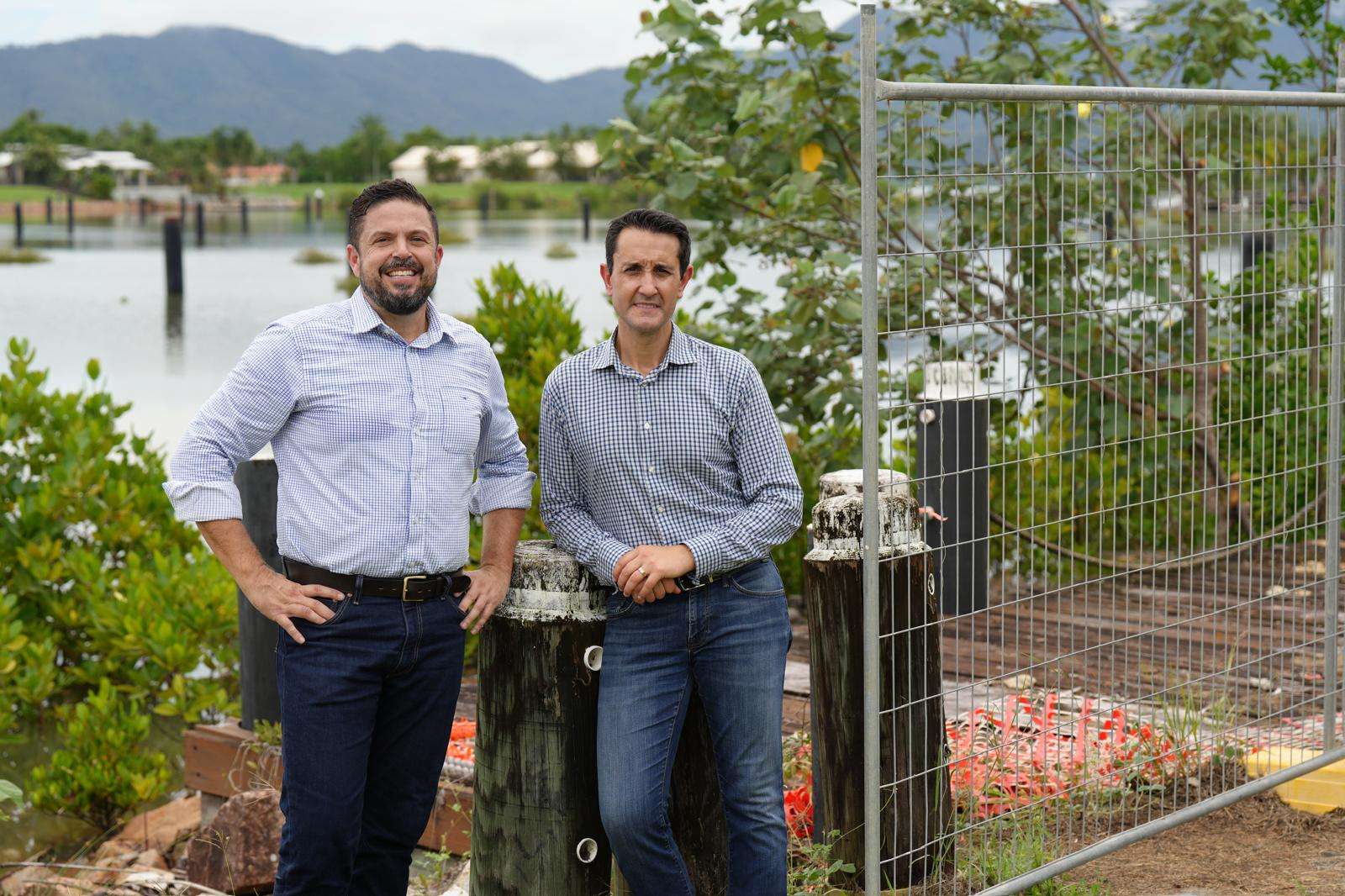
Port Hinchinbrook is a step closer to returning to a thriving destination with early works commencing in preparation of dredging and restoration.
The Government has acquired multiple key sites within the Port Hinchinbrook PPDA, through Economic Development Queensland (EDQ) in a major step forward to deliver a long-awaited solution.
Following community consultation, the State’s first-ever Provisional Land Use Plan also comes into effect by outlining the planning framework to help guide the site’s restoration and future development.
Both the plan and land acquisition allow for the start of early works, with initial repair works to stop acid sulphate soils from leaching into the surrounding mangroves, as soon as weather and ground conditions allow.
Having further explored options and costings for the dredging work, EDQ is procuring a lead contractor to manage the technical experts and work crews needed on site.
The conformed deed which sits over the property will be extinguished.
The milestone comes after the Port Hinchinbrook PPDA was declared in October last year – a landmark move which saw the establishment of Queensland’s first ever PPDA – after the area was devastated by Cyclone Yasi in 2011.
Premier David Crisafulli said the milestone was testament to the Government’s unwavering commitment to delivering a solution to a long-running issue.
“The proud people of Far North Queensland deserve a fast-tracked solution and that’s what are delivering,” Premier Crisafulli said.
“With land acquisition and the Provisional Land Use Plan in place as of today, we are wasting no time starting early works on this important project.
“We are delivering on our promise to restore Port Hinchinbrook as a thriving tourism, commercial and residential precinct.
“This is all about delivering a fresh start and plan for Queensland’s future to restore jobs, tourism and growth to this great part of our State.”
Deputy Premier and Minister for State Development, Infrastructure and Planning Jarrod Bleijie said the Queensland Government was focused on swiftly securing a long-term solution to a complex challenge.
“While moving quickly, EDQ is also doing things the right way – solving a wide range of long-running complex issues that have been left unchecked for way too long,” Deputy Premier Bleijie said.
"We've got cracking quickly to fix a long running problem that is a vital asset for the Far North.
“A huge thank you to the local community, industry, the Cassowary Coast Regional Council and other local stakeholders for their support in helping us reach this milestone.
“Together we will secure a solution for the people of Port Hinchinbrook and broader region.”
Member for Hinchinbrook Wayde Chiesa said the Crisafulli Government was delivering a fresh start to the people of this proud community.
“We made a promise to the people of Hinchinbrook we’d restore Port Hinchinbrook as a thriving tourism, commercial and residential precinct and we’ve taken a major step forward in delivering on that promise,” Chiesa said.
"My role is to be a strong local voice and use my seat at the table to ensure a world class result for the boaties who need access to the Hinchinbrook Channel and those who call this glorious area home.
“While Port Hinchinbrook suffered, local tourism stalled and the community was left without answers, but that’s all changing.”

.jpg)
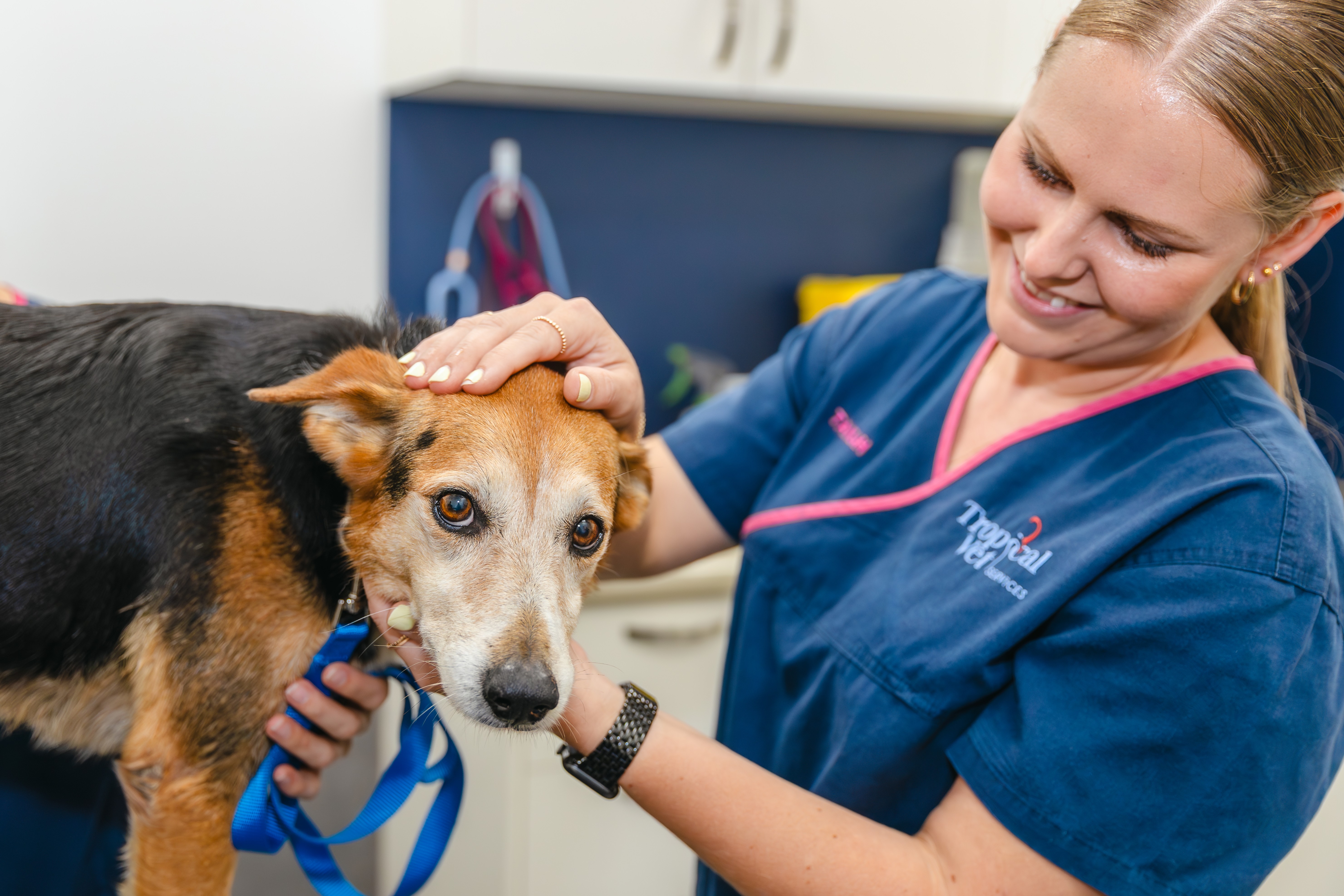
Desexing dogs and cats is one of the most common procedures performed in veterinary clinics across Tropical Vets and is one of the most important decisions pet owners make for their animal’s long-term health and welfare. While it is often described as a “routine” surgery, desexing is far from simple. It is a carefully planned medical procedure that requires individual assessment, surgical expertise and a strong focus on animal welfare before, during, and after surgery.
Why Desexing Is No Longer One-Size-Fits-All
Historically, most dogs and cats were desexed at around six months of age. However, developing research over the past decade has shown that this approach is not always in the best interests of every animal. Breed, size, sex, intended use, behaviour and medical risk factors all influence the optimal timing of desexing, particularly in dogs.
Large, working breeds and active dogs as well as pets living on rural or semi-rural properties may have different risk profiles to smaller urban pets. Our Veterinarians are well equipped to answer any questions that you may have, applying the latest scientific knowledge to advise what is best for your pet.
Medical and Behavioural Benefits
From a medical perspective, desexing offers significant benefits. In female dogs, desexing eliminates the risk of pyometra, a life-threatening uterine infection that is commonly seen in middle-aged and older dogs as well as reducing the risk of mammary cancer when performed at an appropriate age. In males, desexing prevents testicular cancer and can reduce the incidence of prostate disease.
Behaviourally, desexing can reduce hormonally driven behaviours such as roaming, urine marking, mounting and some forms of aggression, particularly in male animals. In North Queensland, where roaming increases the risk of heat stress, snake bites, paralysis ticks, road trauma and disease transmission, reducing these behaviours has significant welfare benefits.
In cats, the benefits are clearer and more consistent. Desexing reduces spraying, fighting, roaming and unwanted litters. It also significantly lowers the risk of mammary cancer in female cats and improves overall safety and quality of life for pets.
What’s Involved in a Desexing Procedure
Although desexing is common, it is still major surgery. Every patient undergoes a full clinical examination before anaesthesia and many owners choose to perform pre-anaesthetic blood testing to help identify any underlying health risks. Anaesthetic protocols are selected based on the animal’s age, breed, size, health status and the realities of our tropical climate, where careful temperature and hydration management are essential.
Female desexing involves abdominal surgery and careful ligation of blood vessels, while male desexing requires precise surgical technique to minimise bleeding and post-operative discomfort. Throughout the procedure, patients are continuously monitored by trained Veterinary Nurses using specialised equipment to track heart rate, breathing, blood pressure, oxygen levels and body temperature.
Pain management does not stop when surgery ends. Animals receive post-operative pain relief, close monitoring during recovery and clear aftercare instructions to support healing and comfort at home.
Why Desexing Has a Cost
The cost of desexing reflects far more than the surgery itself. It includes a pre-surgical health check, a carefully designed drug and anaesthetic plan tailored for each individual patient, continuous monitoring of vital parameters and comprehensive pain management before, during, and after the operation. Desexings are performed under a full general anaesthesia and operated on with sterile surgical instruments in a fully equipped theatre.
When discussing costing, there are many factors which are often overlooked. These include the years dedicated to Veterinary and Veterinary Nurse training, the ongoing maintenance of surgical equipment, stockpiling of emergency medications and the clinical standards that every registered practice is required to uphold. Veterinary clinics also invest significant time in follow-up care, including complimentary post-operative checks and client support, to ensure every patient recovers safely. These measures are central to maintaining high standards of animal welfare.
A Commitment to Animal Welfare
Desexing is not about convenience or profit. It is about reducing unwanted litters, preventing disease, improving behaviour and supporting the long-term welfare of pets and the wider North Queensland community. When performed thoughtfully and responsibly, desexing remains a cornerstone of good pet care and responsible pet ownership.
Contributed with thanks to Tropical Vets.

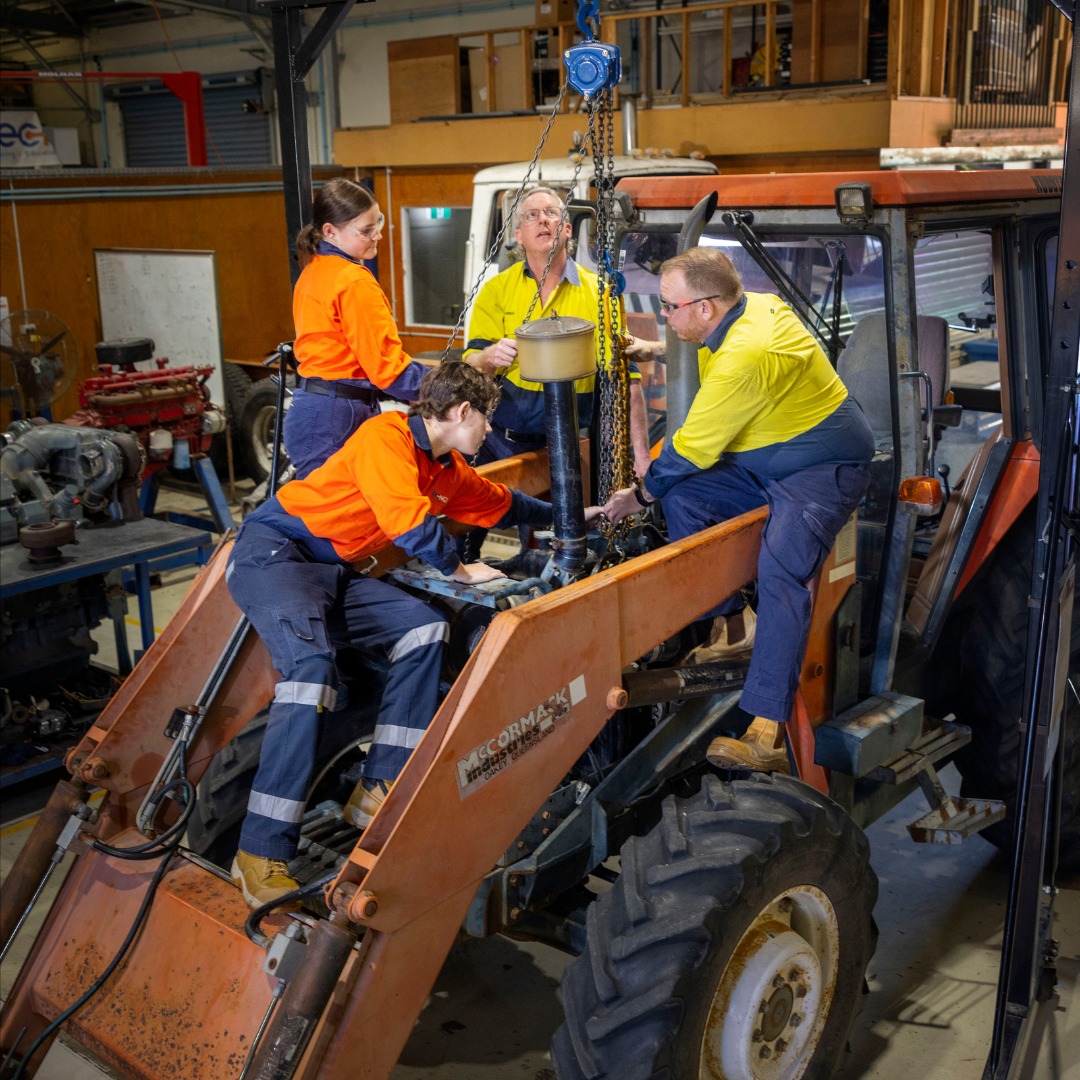
Tec-NQ will proudly host its 2026 Registered Training Organisation (RTO) Awards on Friday 13, March 2026, recognising the outstanding achievements of apprentices, students and industry partners across North Queensland.
The annual awards ceremony celebrates apprentices who have demonstrated exceptional commitment, skill development and dedication to their trade, while also acknowledging the employers and industry partners who support vocational education and workforce development.
The event will bring together apprentices, families, employers, educators, sponsors and community leaders to celebrate success stories emerging from Tec-NQ’s hands-on, work-based training model.
Tec-NQ CEO Ross Jorgensen said the RTO Awards shine a spotlight on the value of vocational education and training in creating real career pathways.
“Our RTO Awards recognise apprentices who are excelling in their trades and employers who are investing in the future of our workforce,” Ross Jorgensen said.
These awards highlight the importance of practical learning and strong industry partnerships in building job-ready and skilled workers.
Award categories will include, but not limited to:
Townsville – Automotive, Electrical, Carpentry Apprentice of the Year
Mackay and Cairns – Electrical Apprentice of the Year
Along with and a range of awards recognising excellence, leadership and dedication across multiple trade areas.
Tec-NQ continues to provide an alternative education pathway for young people, combining trade training with real workplace experience to support successful transitions into apprenticeships and employment.
What: Tec-NQ RTO Awards 2026
When: Friday, 13 March, 6:00pm – 11:00pm
Where: The Ville Pavillion – Sir Leslie Theiss Drive, Townsville


Enjoy connection, confidence and community at this year’s International Women’s Day Afternoon Gathering, an event designed to bring local women together and celebrate them. Whether you run a business, lead a team, work within the community or are simply looking to connect with like-minded women, this special afternoon offers the perfect opportunity to share experiences and build meaningful relationships.
Guests will enjoy a welcoming atmosphere, paired with 2 hours of delicious, unlimited canapés and great company, making it an ideal outing to celebrate achievements, exchange ideas, and support one another. International Women’s Day is about recognising progress while empowering future success, and this event aims to do exactly that by bringing women together to uplift and inspire.
Bookings are essential, so gather your colleagues, friends or fellow business owners and secure your place for an afternoon dedicated to strong women and strong communities.
What: International Women’s Day Afternoon Gathering
What: Saturday, 7 March 2026, 3:00pm – 5:00pm
Where: Isla Cabana Sizz’n Grill. 221 Victoria St, Cardwell
Cost: $25 pp.

Tasman Turtle’s Picnic Day is back for 2026, bringing families together for a full day of fun, learning, and connection with nature.
Enjoy eco-friendly activities, hands-on nature crafts, interactive games, and educational experiences designed to teach kids and adults alike how to protect our oceans, care for local wildlife, and live more sustainably.
It’s a perfect day out for families, friends, and anyone passionate about the environment and a great way to support local conservation efforts while having a turtley awesome time!
Tasman Turtle themselves will be there to join in the dancing, activities and give out the best high-fives to all the amazing kids.
What: Tasman Turtle’s Picnic Day 2026
When: Saturday, 30 May, 9:00am – 2:00pm
Where: TYTO Wetlands, 73–75 McIlwraith Street, Ingham

With Hinchinbrook’s waterways drawing locals and visitors alike, Marine Rescue Queensland (MRQ) is reminding boaters that a safe trip starts well before leaving the ramp. Careful planning, the right equipment and good communication can make all the difference on the water.
MRQ advises boaters to begin by planning their trip in detail. This includes choosing suitable anchorage locations, estimating travel times and ensuring there is enough fuel and water on board, plus a reserve. Checking tide predictions and the latest weather forecasts is also critical, particularly in areas affected by strong currents, changing conditions or coastal bars.
Before launching, skippers are urged to thoroughly check their vessel. This means inspecting the bilge, engine and batteries, checking for petrol or gas odours, and fixing any faults before departure. All required safety equipment should be on board, in good condition and within date, along with a first aid kit, tools and basic repair spares. Boat trailers should also be checked to ensure the vessel is secure and roadworthy.
At the ramp, MRQ recommends using the rigging lane to prepare the boat, including ensuring bungs are firmly in place and loose items are secured. Passengers should be briefed on safety requirements and shown where equipment is stored. Courtesy and patience at busy boat ramps also help keep everyone safe.
Life jackets remain a key focus. Children under 12 must wear a life jacket in open boats under 4.8 metres while underway, and all passengers should don life jackets before crossing designated coastal bars. Skippers are also encouraged to monitor weather updates throughout the trip and display correct navigation lights when required.
MRQ strongly advises boaters to log on and off with their local volunteer marine rescue group, and to update them if plans or locations change. This simple step can save valuable time in an emergency.
On return, skippers should log off, secure their boat in the rigging lane, isolate batteries and remove bungs to drain water.
Marine Rescue Queensland says preparation, communication and respect for conditions are the foundations of safe boating, helping ensure every trip on Hinchinbrook waters ends as planned — safely back on shore.
CAPTION: MRQ’s full list of safety information can be found online at https://www.mrq.qld.gov.au/safety-information. Photo source: MRQ
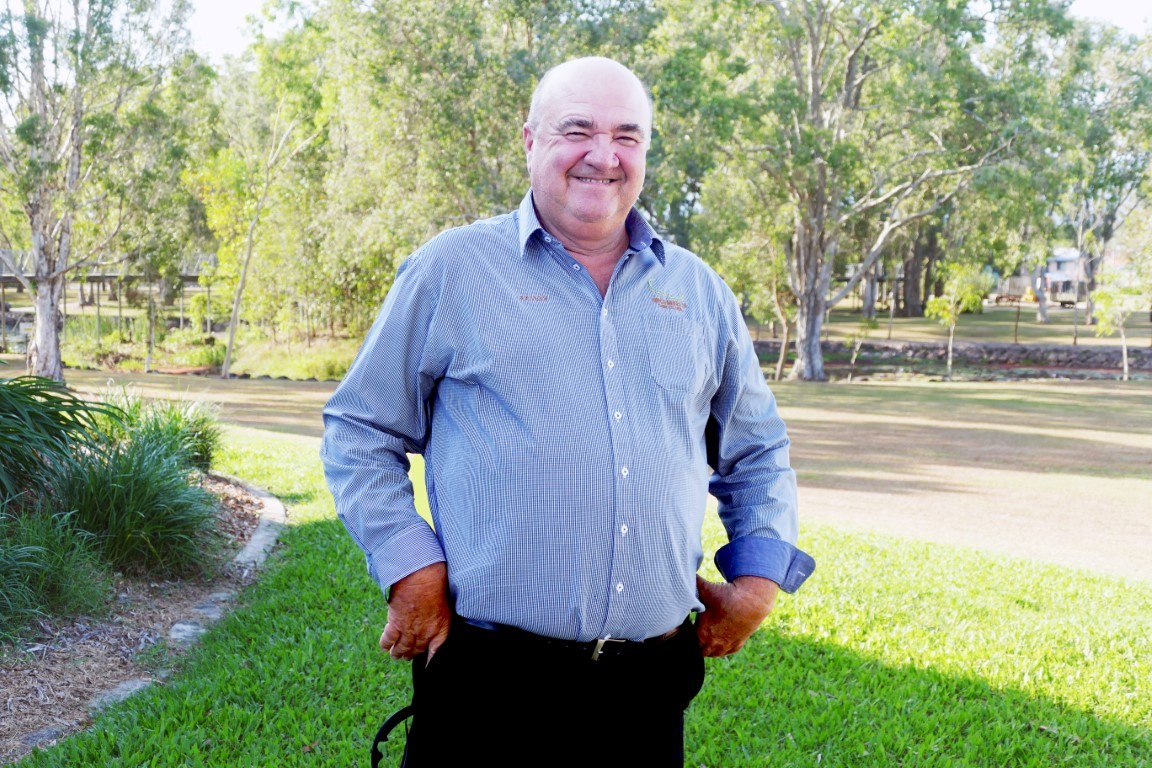
I was very pleased with the responses received to my article earlier this month concerning Council’s capital works programme, as it shows there is a growing interest in Council activities and programmes proposed for our community.
As I indicated, a wealth of information regarding Council activity is available to the public monthly via the General Meeting agenda, and I urge you to read the same.
We are endeavouring to get more detail out there with a view to enhancing community knowledge and participation, and to ensure transparency of operations remains paramount.
After a dreadfully lengthy period of negotiations with insurers, the contract for project management of the JL Kelly Theatre and Hinchinbrook Aquatic Centre works has now been awarded.
The next step is to release the tender for the repair works to the market, which will occur shortly.
I am not in a position to say how long the repairs will take, as that will depend upon the availability of tradies and other skilled staff, materials, and the supply of furnishings and equipment.
We should be in a position to give you a better idea once the tender has been awarded.
Repair works at the Hinchinbrook Visitor Information Centre are still ongoing, with the rear section of the Centre remaining closed to the public. Visitor access is currently limited to the front reception area only.
Council’s $3.23 million Works for Queensland 2024–2027 Program includes 13 projects scheduled for delivery in 2026–2027, with commencement dependent on the availability of both human and material resources.
A variation to the program was recently approved by the Queensland Government, and the projects are as follows:
These projects are funded by the Queensland Government in partnership with Council.
Here’s a simple explanation of the sewer pipe project along Townsville Road.
Council’s job is to build the main sewer pipes and a pump station (commonly known as trunk infrastructure) for future housing developments to connect to.
This work is only about putting in that main backbone for the future. It is not about running sewerage into existing neighbourhoods or building internal sewerage for proposed developments.
The works on Townsville Road and Sir Arthur Fadden Parade are simply setting up the trunk infrastructure we will need down the track.
This project forms part of Council and the Queensland Government’s Residential Activation Fund, supporting future flood‑resilient housing opportunities and recognising the benefits of more resilient land for long‑term planning.
This is a positive project for the Shire. It helps us get ready for future homes, supports housing demand, and strengthens essential services.
Most importantly:
In short:
As you are aware, delays in skilled and professional labour are currently being experienced right across the board, and Council is not immune to such problems. I will keep you updated on delivery as and when details steadily emerge.
A number of issues pertaining to the Bruce Highway corridor were also raised, and such matters will be referred to the Queensland Department of Transport and Main Roads for its attention.
There seems to be a little confusion regarding actual responsibility for various assets, particularly those owned, managed, or shared between State and Local Governments, so I will endeavour to clarify such roles in a future article.
A number of new matters were raised which are not presently on Council’s radar. Investigations will be undertaken for future planning purposes, and I stress — for planning purposes.
Whilst Council welcomes your views and ideas, we must all bear in mind that due to finite resources, not everything can be achieved, nor can everything be done at once.
Everything costs money, and that money, in the main comes from you, our ratepayers. It is an extremely important function of Council to balance the expectations of the community with the reality of community affordability, and that’s why realistic service levels are so crucial.

Congratulations to the 2026 Student Leaders for Ingham State High School, a group of dedicated and inspiring students selected for their commitment, integrity, and enthusiasm for serving our school community.
Throughout the year our Student Leaders will represent the student body, support school initiatives, assist with events, and serve as role models for their peers. Their leadership will play an important role in building school spirit, encouraging inclusivity, and fostering a positive environment for all.
School Captains Nalini Schofield & Ava Ackery
Vice Captains Nickolas Stokes & Talia Towner
First Nations Leader Clayton Smith
Student Executive Emma Cervellin; Keldon Fletcher; Nathan Lenzo; Lucas Marmara; Georgia Minato; Samantha Musumeci
Sport Captains Carter Bates & Olivia Bishop
House Captains
Hinchinbrook Noah Kopeshke & Amelia Vella
Fantome Olivia Bishop & Ciannah Shannon
Palm Carter Bates & Dimitty Harragon
Orpheus Carla Buonaccorso & Liam Holland
JUNIOR SECONDARY LEADERS:
Junior Secondary Captains Kalynda Lepinath & Declan Oats
First Nations Leader Stevie –Jay Jordan
Student Executive Laura Cervellin; Adele Cordner; Eliza Finlayson; Amy Stokes
House Captains:
Hinchinbrook Chloe Kopeshke
Fantome Owen Borello
Palm Elisha Luke
Orpheus Josephine Holzberger
Contributed with thanks to Ingham State High School.
Principal Rod Flood together with 2026 School Captains Ava Ackery and Nalini Schofield
Photos supplied

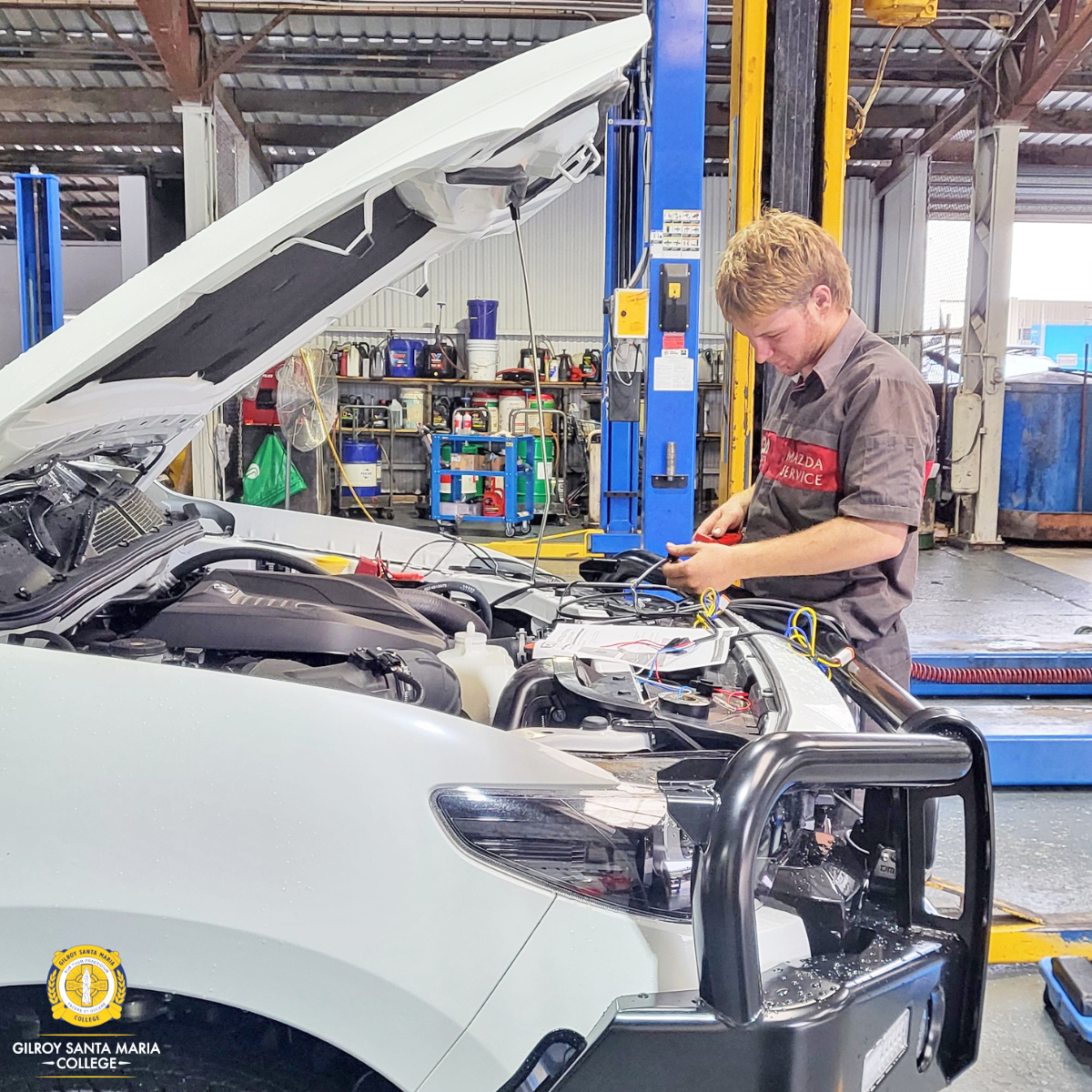
Life after school has commenced for Gilroy Santa Maria College’s Class of 2025, with a variety of pathways being undertaken.
The initial weeks after graduation were met with much excitement thanks to the release of academic results, University offers and employment opportunities.
In 2025 GSMC had 100% of Year 12 students obtain their Queensland Certificate of Education, with 93% of that class awarded one or more Vocational Education and Training (VET) qualifications.
From the Class of 2025, 40% of the ATAR eligible students scored 90+, with two graduating students receiving Queensland Curriculum and Assessment Authority Subject Achievement Commendations for achieving 100% in General English.
Some GSMC school leavers have grabbed the tool belt and commenced apprenticeships, some have stepped straight into full time employment, and others have just packed their bags for the first year of University.
Locally, seven 2025 Year 12 students have commenced employment across Ingham, made possible thanks to the GSMC Work Placement Program which students are able to undertake from Year 10.
There are also four former GSMC School-Based Apprenticeship/Traineeship students transitioning into full time employment this year with businesses such as: Devietti Motors, Scott Gibson Building, Logilytics and SpinFX Electrical.
While these alumni have left the school yard behind, the next group of GSMC students have been warmly welcomed in Year 7.
Students from across the district have graduated from numerous primary schools to now call themselves part of the GSMC family.
While their journey in the college colours is just beginning, if they share the same success as our recent graduates, there will be plenty to celebrate for the Class of 2031.
Publishers Indemnity. Any individual or entity that places advertising, supplies copy material, or submits editorial content to Life Publishing agrees and undertakes to ensure that all such material:- Does not infringe upon any copyright, trademark, or other intellectual property rights;- Is free from any content that could be considered defamatory, libelous, or slanderous;- Does not infringe upon any rights related to privacy or breach of confidence;- Contains no obscene, indecent, or otherwise unlawful material;- Complies fully with the Trade Practices Act and all other applicable laws, regulations, or statutes. Furthermore, by submitting or placing such material, these individuals or entities agree to indemnify and hold harmless the publisher, Life Publishing and Events Pty Ltd, and/or its agents from and against any and all investigations, claims, demands, liabilities, damages, costs, or judgments arising out of or in connection with the material provided. All material is believed to be accurate at the time of printing and remains the copyright of Life Publishing and Events Pty Ltd.
© 2026 Life Publishing Group Ltd.
