Independently Owned, Locally Grown, Community Loved


.jpg)
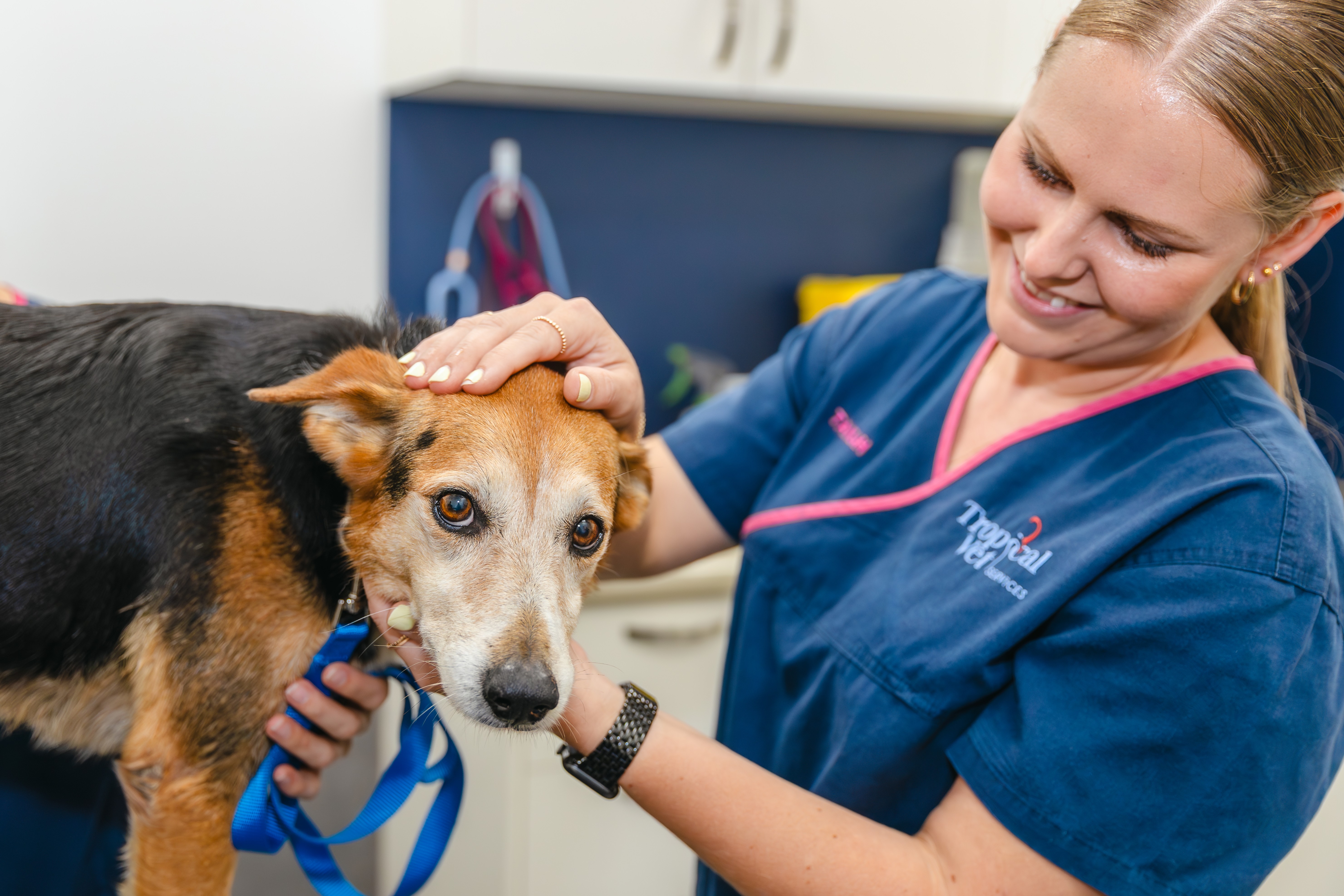
Desexing dogs and cats is one of the most common procedures performed in veterinary clinics across Tropical Vets and is one of the most important decisions pet owners make for their animal’s long-term health and welfare. While it is often described as a “routine” surgery, desexing is far from simple. It is a carefully planned medical procedure that requires individual assessment, surgical expertise and a strong focus on animal welfare before, during, and after surgery.
Why Desexing Is No Longer One-Size-Fits-All
Historically, most dogs and cats were desexed at around six months of age. However, developing research over the past decade has shown that this approach is not always in the best interests of every animal. Breed, size, sex, intended use, behaviour and medical risk factors all influence the optimal timing of desexing, particularly in dogs.
Large, working breeds and active dogs as well as pets living on rural or semi-rural properties may have different risk profiles to smaller urban pets. Our Veterinarians are well equipped to answer any questions that you may have, applying the latest scientific knowledge to advise what is best for your pet.
Medical and Behavioural Benefits
From a medical perspective, desexing offers significant benefits. In female dogs, desexing eliminates the risk of pyometra, a life-threatening uterine infection that is commonly seen in middle-aged and older dogs as well as reducing the risk of mammary cancer when performed at an appropriate age. In males, desexing prevents testicular cancer and can reduce the incidence of prostate disease.
Behaviourally, desexing can reduce hormonally driven behaviours such as roaming, urine marking, mounting and some forms of aggression, particularly in male animals. In North Queensland, where roaming increases the risk of heat stress, snake bites, paralysis ticks, road trauma and disease transmission, reducing these behaviours has significant welfare benefits.
In cats, the benefits are clearer and more consistent. Desexing reduces spraying, fighting, roaming and unwanted litters. It also significantly lowers the risk of mammary cancer in female cats and improves overall safety and quality of life for pets.
What’s Involved in a Desexing Procedure
Although desexing is common, it is still major surgery. Every patient undergoes a full clinical examination before anaesthesia and many owners choose to perform pre-anaesthetic blood testing to help identify any underlying health risks. Anaesthetic protocols are selected based on the animal’s age, breed, size, health status and the realities of our tropical climate, where careful temperature and hydration management are essential.
Female desexing involves abdominal surgery and careful ligation of blood vessels, while male desexing requires precise surgical technique to minimise bleeding and post-operative discomfort. Throughout the procedure, patients are continuously monitored by trained Veterinary Nurses using specialised equipment to track heart rate, breathing, blood pressure, oxygen levels and body temperature.
Pain management does not stop when surgery ends. Animals receive post-operative pain relief, close monitoring during recovery and clear aftercare instructions to support healing and comfort at home.
Why Desexing Has a Cost
The cost of desexing reflects far more than the surgery itself. It includes a pre-surgical health check, a carefully designed drug and anaesthetic plan tailored for each individual patient, continuous monitoring of vital parameters and comprehensive pain management before, during, and after the operation. Desexings are performed under a full general anaesthesia and operated on with sterile surgical instruments in a fully equipped theatre.
When discussing costing, there are many factors which are often overlooked. These include the years dedicated to Veterinary and Veterinary Nurse training, the ongoing maintenance of surgical equipment, stockpiling of emergency medications and the clinical standards that every registered practice is required to uphold. Veterinary clinics also invest significant time in follow-up care, including complimentary post-operative checks and client support, to ensure every patient recovers safely. These measures are central to maintaining high standards of animal welfare.
A Commitment to Animal Welfare
Desexing is not about convenience or profit. It is about reducing unwanted litters, preventing disease, improving behaviour and supporting the long-term welfare of pets and the wider North Queensland community. When performed thoughtfully and responsibly, desexing remains a cornerstone of good pet care and responsible pet ownership.
Contributed with thanks to Tropical Vets.

Publishers Indemnity. Any individual or entity that places advertising, supplies copy material, or submits editorial content to Life Publishing agrees and undertakes to ensure that all such material:- Does not infringe upon any copyright, trademark, or other intellectual property rights;- Is free from any content that could be considered defamatory, libelous, or slanderous;- Does not infringe upon any rights related to privacy or breach of confidence;- Contains no obscene, indecent, or otherwise unlawful material;- Complies fully with the Trade Practices Act and all other applicable laws, regulations, or statutes. Furthermore, by submitting or placing such material, these individuals or entities agree to indemnify and hold harmless the publisher, Life Publishing and Events Pty Ltd, and/or its agents from and against any and all investigations, claims, demands, liabilities, damages, costs, or judgments arising out of or in connection with the material provided. All material is believed to be accurate at the time of printing and remains the copyright of Life Publishing and Events Pty Ltd.
© 2026 Life Publishing Group Ltd.