
Independently Owned, Locally Grown, Community Loved

Pest advice for the month across the Shire is Singapore Daisy. Singapore Daisy is a restricted invasive plant under the Biosecurity Act 2014. Even though Singapore Daisy is a pretty looking flower, it has the ability to quickly invade drainage systems, lawns and the natural environment, destroying its biodiversity by smothering native vegetation and pasture. Council is currently undertaking the annual inspection program. If Singapore Daisy is suspected or observed around your property, please contact Council’s Biosecurity Team for further investigation and advice.
Read the full story
With the wet season approaching, nbn is encouraging residents and businesses across Ingham to check whether a full fibre connection is available to them and act before the weather arrives. Where available, a nbn full fibre via Fibre to the Premises (FTTP) can provide more reliable connectivity than a legacy copper-based connection and is less vulnerable to environmental damage or water ingress. nbn technicians have been busy laying fibre in Ingham, and many homes and businesses across Ingham are already eligible to upgrade now to nbn’s most reliable, resilient and fastest residential connection. Kylie Lindsay, Head of nbn Local Queensland, said reliable and resilient communications were particularly important in the lead-up to, during and after the natural disasters the region faces. “Queenslanders are familiar with preparing their homes, emergency kits and evacuation plans ahead of the wet season, but it is equally important to think about what you can do to stay connected to emergency information, essential services and loved ones.” “Fibre offers the most reliable nbn connection and is helping our network to become more resilient to the effects of extreme weather. This means fewer faults, faster restoration times and more consistent connectivity in more places.” “We know from experience that reliable connectivity is essential before, during and after severe weather. It helps people receive emergency warnings, access important information and services, check on family and friends, and keep local businesses operating. “I encourage residents and businesses not to wait until a cyclone or flood is on the horizon. Preparing early could be invaluable to help families, businesses and the wider community stay informed and connected when conditions deteriorate.” To check whether your address is eligible to upgrade to a more resilient full fibre connection, visit www.nbnco.com.au/checkregional Caption: nbn technicians have been busy laying fibre in Ingham. Photo credit: nbn
Read the full story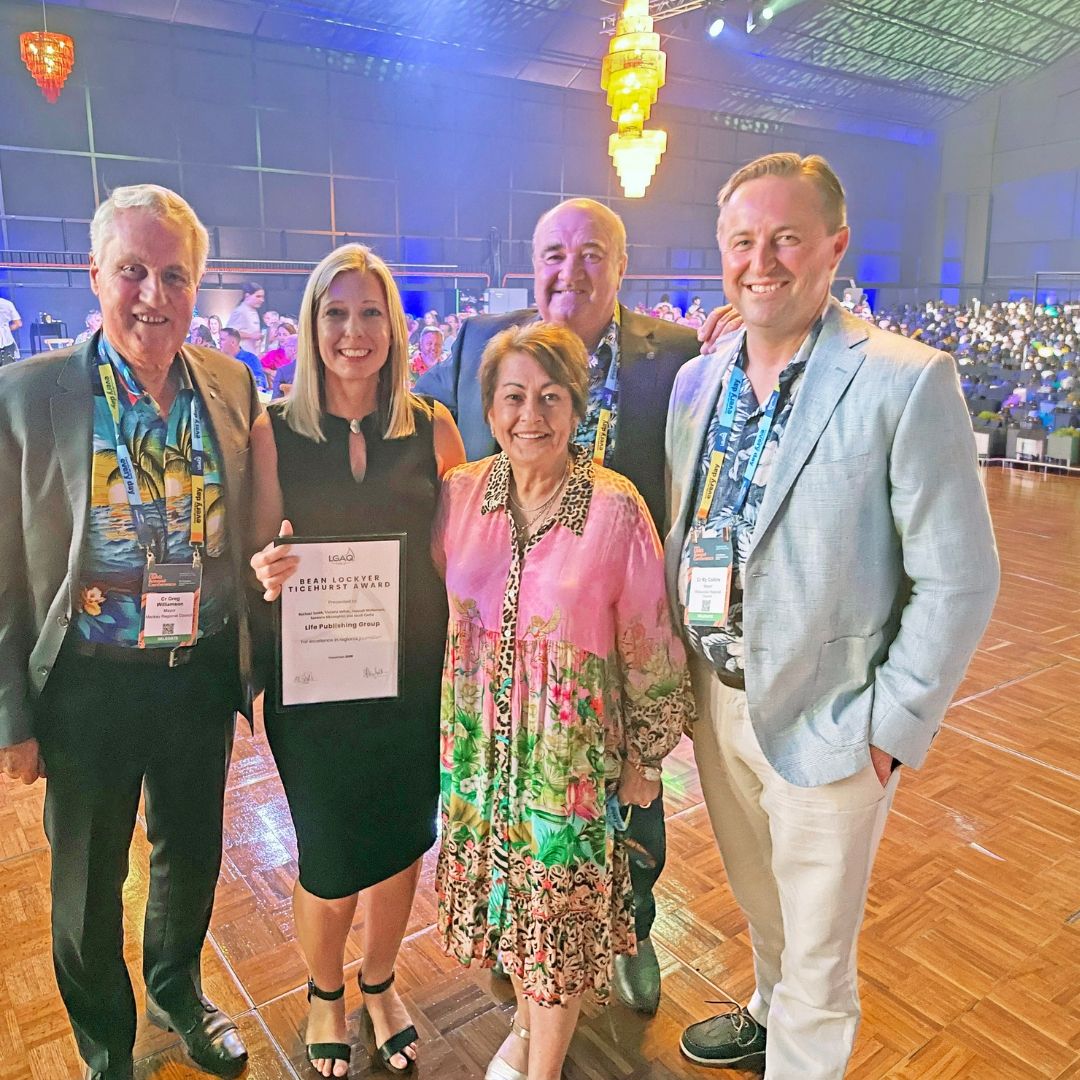
Hi Everyone, Exciting news from the Life Publishing Group team this week – we’ve won this year’s Local Government Association of Queensland Journalism Award! We’re particularly humbled by this achievement, especially given the competition with The Australian coming in second and the ABC third. This state award recognises excellence in regional journalism, and our positive, community-focused, hyperlocal coverage across the group took out the top accolade. I travelled to Cairns on Tuesday to accept the award on behalf of our team, and I would like to acknowledge all our journalists for the exceptional work they do every day across all the regions we serve. A big round of applause goes to Hannah McNamara, Victoria Velton, Jacob Casha, Zach Houtenville and our Editorial Team Leader Suzanna McLoughlin. As some of you may know, most of our journalists come to the regions as cadets, embarking on their first jobs in journalism. They are thrown into a new community and often become the only on-the-ground journalists covering local news. They are then supported by our fantastic team of professionals, and together we produce the papers our communities read every week. Every page is a team effort, from the advertising booked by our Sales Managers to the pages created by our designers, the production team bringing it all together and our journalists delivering the content. Thank you to the whole team for everything you do and well done to each journalist for collectively producing a body of work of such a high standard that we received this top gong. I would also like to mention the origins of this award, which are particularly meaningful. The LGAQ established it in honour of ABC cameraman John Bean, journalist Paul Lockyer and helicopter pilot Gary Ticehurst, who tragically died in a crash while on assignment in 2011. They were a well-liked and deeply respected crew who spent much of their time working in regional areas. Their loss sparked an outpouring of grief from regional leaders who understood the enormous contribution they made to ensuring regional Queensland was given a voice and its contribution to public life was recognised. It is an honour to continue their legacy in our own small way, ensuring regional Queensland communities remain connected and have a strong voice through positive, local free newspapers every week. The awards night was spectacular, with more than 500 Mayors, Councillors and local government staff in attendance and I was thrilled to meet up with five of the local Mayors from the regions we serve. When I was called up on stage to accept the award on behalf of the team, it was a moment that made all our dedication to regional journalism feel worthwhile. To my surprise, when I came off the stage, all our local Mayors came over to congratulate us. I was greeted by Mayor Greg Williamson from Mackay, Mayor Ry Collins from the Whitsundays, Mayor Pierina Dalle Cort from the Burdekin and Mayor Ramon Jayo from Hinchinbrook. I have to confess, I had tears in my eyes at that moment! I later found out that Mayor Ramon Jayo had nominated us for the award and that every Mayor had received a phone call from the judging committee, with each vouching for the incredible work our team does every day in their regions. Thank you to all the Mayors, including Mayor Teresa Millwood from Cassowary Coast, where we have recently expanded. It was a delight to share your table on the night! And finally, thank you to our incredible team, our Publisher Bec Douthwaite, the LGAQ for this significant recognition, and our wonderful readers and local businesses who are part of the Life community. Rach
Read the full story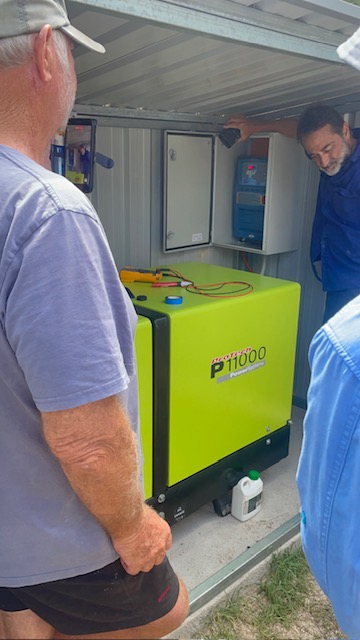
Cardwell RSL Sub Branch’s new back up generator is up and running! The generator was secured through FRRR funding, and will give the sub branch peace of mind and a contingency plan should extreme weather cause any outages come storm season. Electrician Adrian Cammeleri visited the branch this week to give RSL Members a tutorial on how to run the back up generator. “The Cardwell RSL is extremely grateful for the generous support given by the Foundation for Rural Regional Renewal (FRRR),” said Cardwell RSL Sub Branch President Robert Lang. “Without their grant funding this Gen Set compound & electrical connection would not be possible.” FRRR works with local organisations and community groups to help address regional needs, recognising the importance of locally led projects in building stronger, more resilient communities. Its funding supports a range of initiatives, from community infrastructure to disaster preparedness. Local electrician Adrian Cammeleri offered the RSL some guidance on how to use their brand new back up generator. Photo supplied
Read the full story

Photo source: Shutterstock
A splash of colour is helping start an important conversation across the Cassowary Coast this September, with the Tully Support Centre throwing its support behind Liptember!
Over the course of the month, staff will be wearing bright lipstick or colourful socks to raise awareness and funds every Wednesday for women’s mental health, while encouraging the wider community to get involved.
Tully Support Centre’s Clinical Governance Manager, Megan Johnson said the simple gesture is designed to get people talking about women’s mental health and encourage conversations around making positive choices for mental wellbeing.
“We want to encourage and support conversations, that reduce stigma and support women to reach and succeed in all they choose to do, empowering women in life,” she said.
“We see the impacts of DFV as a specialist DFV service, every day on women and children, and we assist to support and walk along side to move from surviving to thriving. We recognize that raising awareness of women's mental health supports better health outcomes for women and girls, particularly in our regional and rural communities.
“Small conversations can make a big difference.”
Liptember is an annual campaign dedicated to raising funds and awareness for women’s mental health, with the Tully Support Centre using this year’s campaign to bring the conversation directly into the local community.
The Centre is encouraging women from all backgrounds and cultures across the Cassowary Coast to take part and help add a little colour to Wednesdays throughout September. Locals can also share photographs of themselves getting involved using #LiptemberCassowaryCoast and help spread the message further.
Whether it is a bold red lip, a bright pink or a colourful pair of socks, the campaign is a simple way for residents to show their support while helping make conversations about mental health a little easier to start.
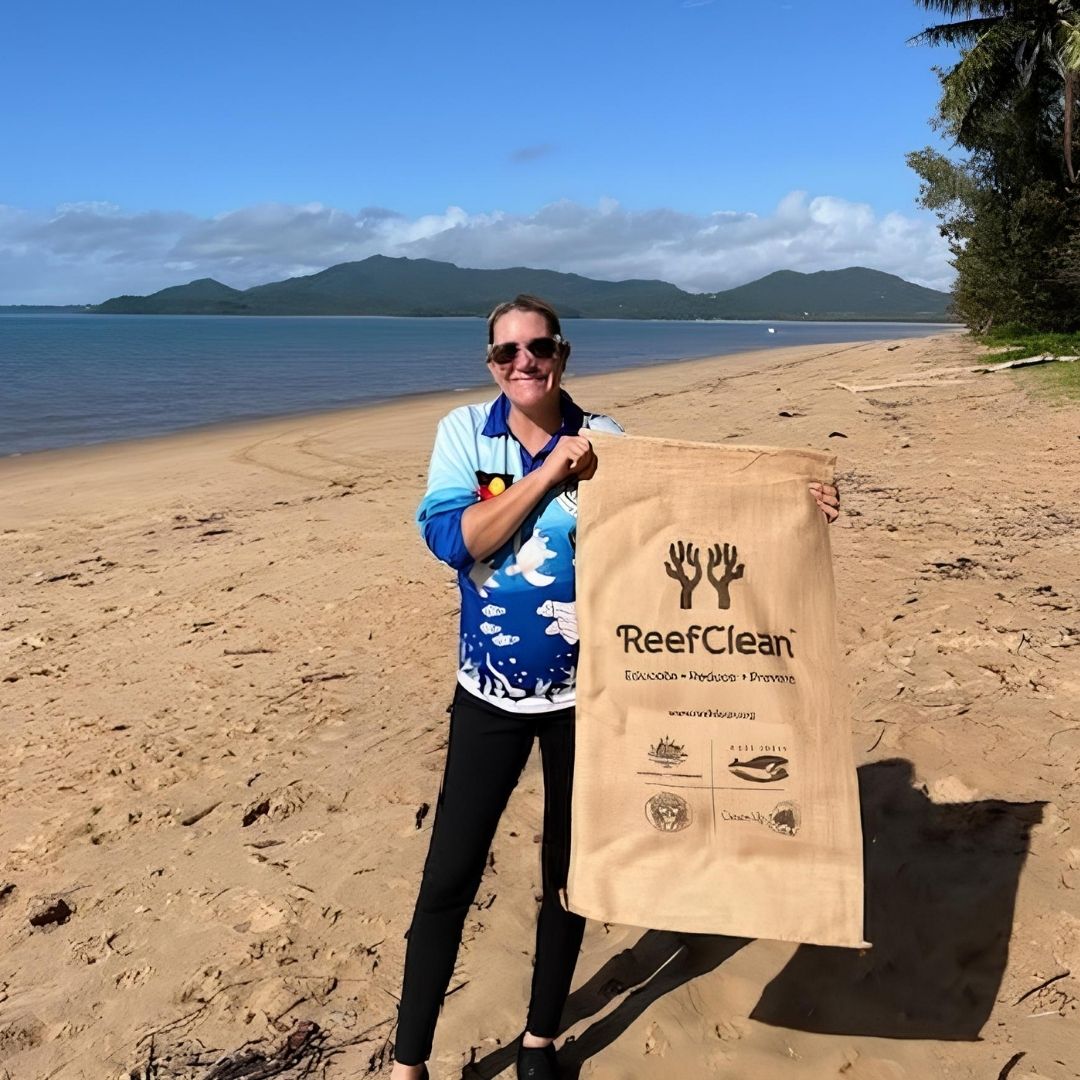
Come on down to Cowley Beach this Saturday for the next beach clean-up. Photo supplied: Cassowary Coast Regional Council
More than 30 volunteers rolled up their sleeves at the recent Kurrimine Beach clean-up, removing an incredible 518 kilograms of rubbish and marine debris from the beach.
With turtles and birds among the local wildlife recently injured by marine debris, organisers say there is still plenty to be done.
Residents are now being urged to lend a hand at this Saturday’s Cowley Beach Clean Up and help protect local wildlife. The clean-up begins at 8.30am at the Cowley Beach boat ramp, followed by a BBQ lunch. Everyone is welcome to take part.
By Victoria Velton
Three dead sea turtles washed ashore. A bird left helplessly hanging from a tree after becoming tangled in kite string. In the space of just one month, Mission Beach Wildcare Inc has responded to a troubling series of wildlife incidents along the coast.
Among the most recent cases were two immature green sea turtles found washed ashore within a week of each other, both showing signs consistent with Floaters Syndrome.
One turtle showed obvious signs of starvation, while the other was covered in moss, suggesting it had been floating helplessly for some time.
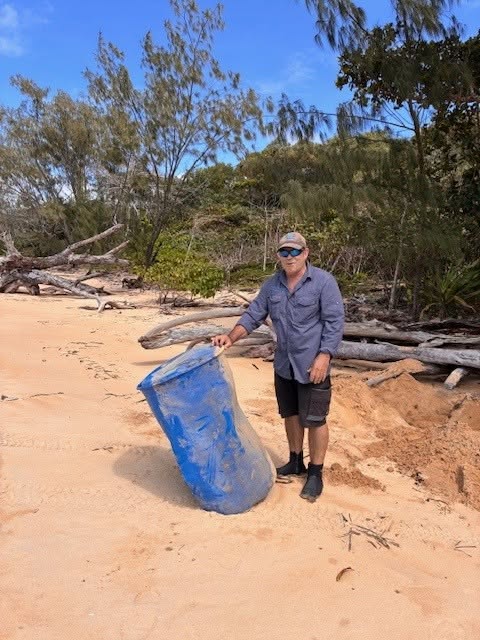
A separate turtle found off Dunk Island was described as extremely thin, with a long tail indicating its age and moss covering its shell. Mission Beach Wildcare said the turtle appeared to have been starving for some time and may also have ingested foreign material.
The wildlife group also recently came to the aid of a Metallic Starling found entangled high in a tree by what appeared to be kite string, with the kite handle still attached.
While rescuers were initially unable to reach the bird, local wildlife supporter Mark Gough assisted with the rescue effort, highlighting the importance of community members stepping in when wildlife is in trouble.

Mission Beach Wildcare has urged residents and visitors to think carefully about what they buy, how they use it and, most importantly, how they dispose of it.
Vigilance is particularly important along the coast, where rubbish can travel through waterways and onto beaches where it becomes a hazard for marine life and birds.
Recent clean-up efforts also show what can be achieved when the community comes together.
More than 30 volunteers took part in the annual Kurrimine Beach Clean Up, removing an incredible 518 kilograms of marine debris and rubbish from the beach and surrounding areas.

Residents are now invited to do their bit at the upcoming Cowley Beach clean-up, with Cassowary Coast Regional Council teaming up with Tangaroa Blue, Mandubarra Aboriginal Land & Sea Inc and Parley Australia to remove marine debris from the Cowley coastline.
The clean-up will begin at 8:30am on Saturday 19th September, at the Cowley Beach boat ramp, followed by a BBQ lunch.
Everyone is welcome to take part. Bring a hat, enclosed shoes and a water bottle, and help remove rubbish before it can cause another wildlife emergency.
Register for the cleanup: https://www.surveymonkey.com/r/HB6PXTM
Recent incidents along the coast are emphasizing the importance of keeping rubbish off the beach.

As Queensland’s shorebird nesting season gets underway, beachgoers are being reminded to give coastal birds plenty of space as they raise their young.
For ground-nesting birds, a peaceful stretch of sand can be the difference between a successful nesting attempt and a disturbed one. Nests and chicks can be difficult to spot due to camouflage.
Dogs, people and vehicles moving too close to the birds can cause them to leave their nests and leave vulnerable chicks unprotected. Visitors should watch where they walk, avoid known roosting and nesting areas and keep dogs on a lead where required.
Local beaches and wetlands are home to shorebirds such as beach stone-curlews, pied oystercatchers, and the endangered little terns. If you spot birds nesting or young chicks on the sand, give them plenty of space and avoid walking or driving through the area.
A simple way to help is to give birds a wide berth. If a bird becomes agitated or flies away as you approach, take that as a sign you are too close and move further back.
The warmer months also bring an opportunity for Queenslanders to take a closer look at the birds sharing their local environment as the Aussie Bird Count returns.
The Aussie Bird Count will run from the 19th to 25th October, giving bird lovers and curious locals the chance to spend just 20 minutes counting the birds around them.
Now in its 13th year, the national citizen science event is open to everyone, with counts able to be completed in backyards, parks, schoolyards, beaches or even from a window.
Last year, a record 64,000 Australians counted more than five million birds, with the information helping BirdLife Australia build a better picture of Australia's bird populations.
You don't need to be a bird expert to take part as the free Aussie Bird Count app includes a bird finder to help identify unfamiliar species, and every count contributes to Australia's growing citizen-science dataset.
This October will be a great chance to look a little closer at the wildlife around you and help the birds.
WHAT: Aussie Bird Count 2026
WHEN: October 19th–25th
WHERE: Anywhere you can spot birds
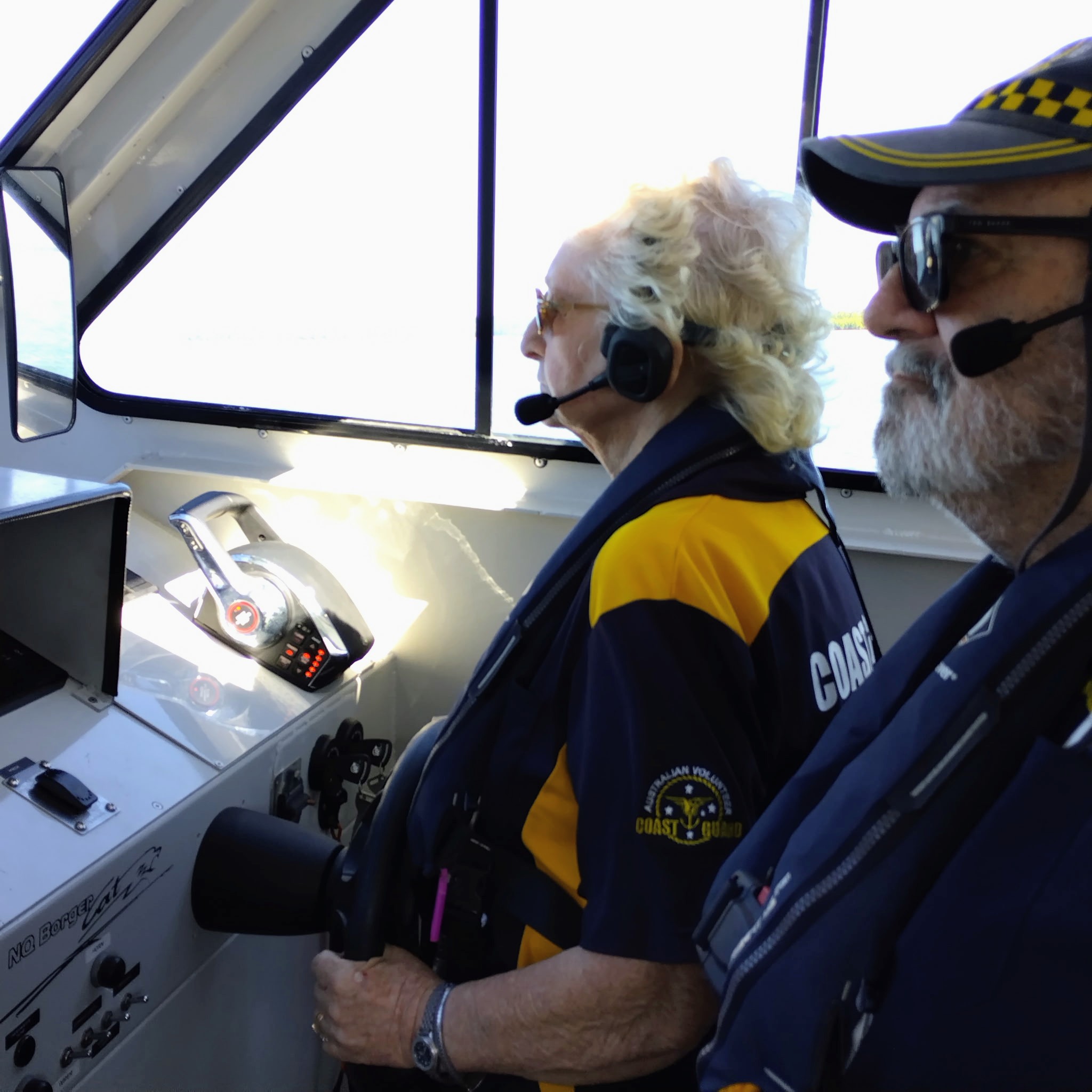
Helmsperson Coral and Skipper Graham at the helm. Photo credit: Deborah Hooper
The Lucinda Coast Guard QF-14 has welcomed new communication headsets for its volunteers, thanks to a grant from the Port of Townsville Authority.
Lucinda Coast Guard President Steve Whipps said the headsets would make communication between crew members significantly clearer while the vessel was underway.
“These headsets provide clear and audible speech despite the noise from our twin 300 HP motors and the sound of the waves striking the vessel at speed,” President Whipps said.
He said the improved communication would help ensure important instructions were heard clearly by all crew members while out on missions.
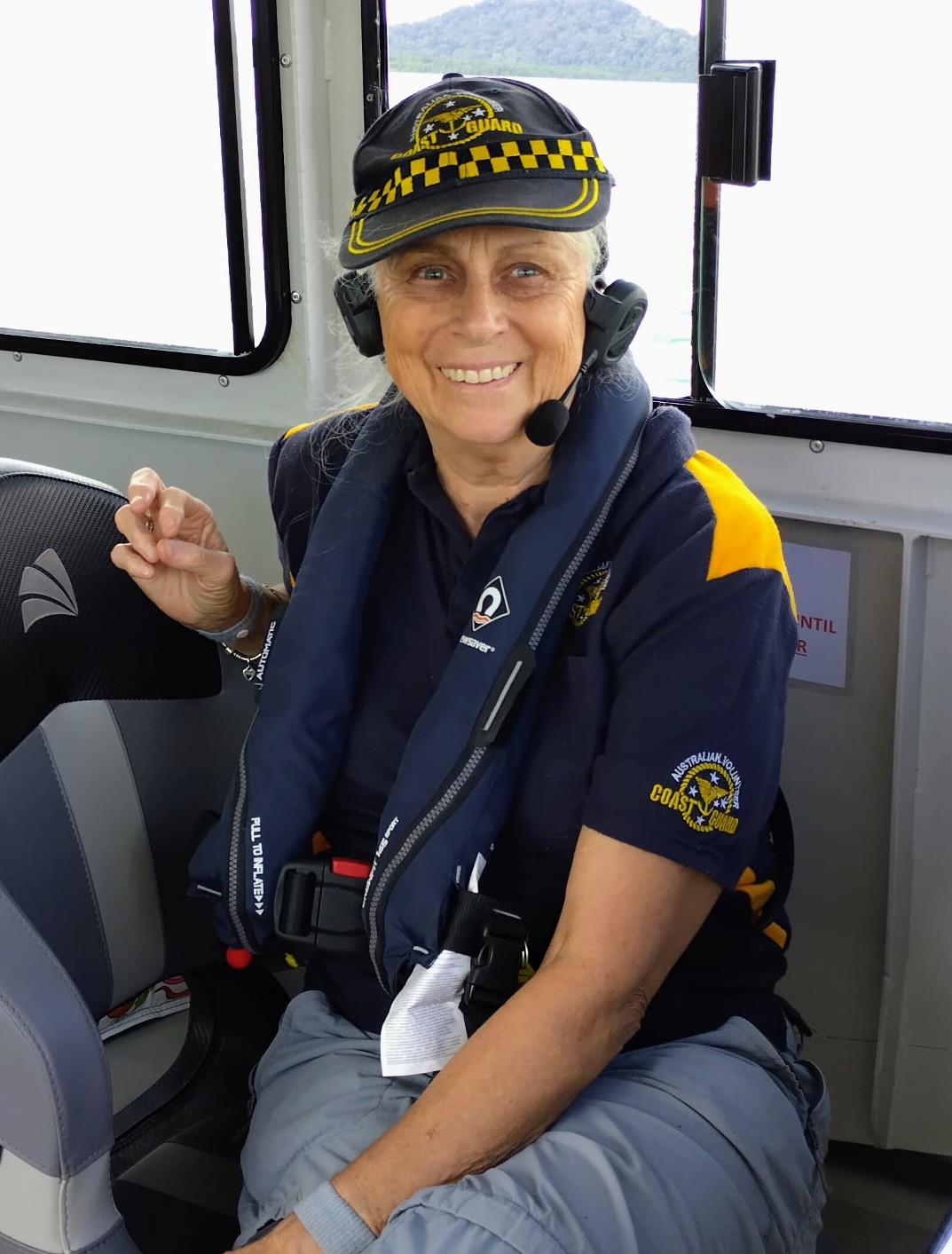
“This ability greatly improves communication between the Skipper, the Navigator, the Helmsperson and the deck crew, preventing missed instructions and misheard directions,” he said.
“Our thanks go to the Port of Townsville Authority for their great contribution to our on-board safety,” he said.
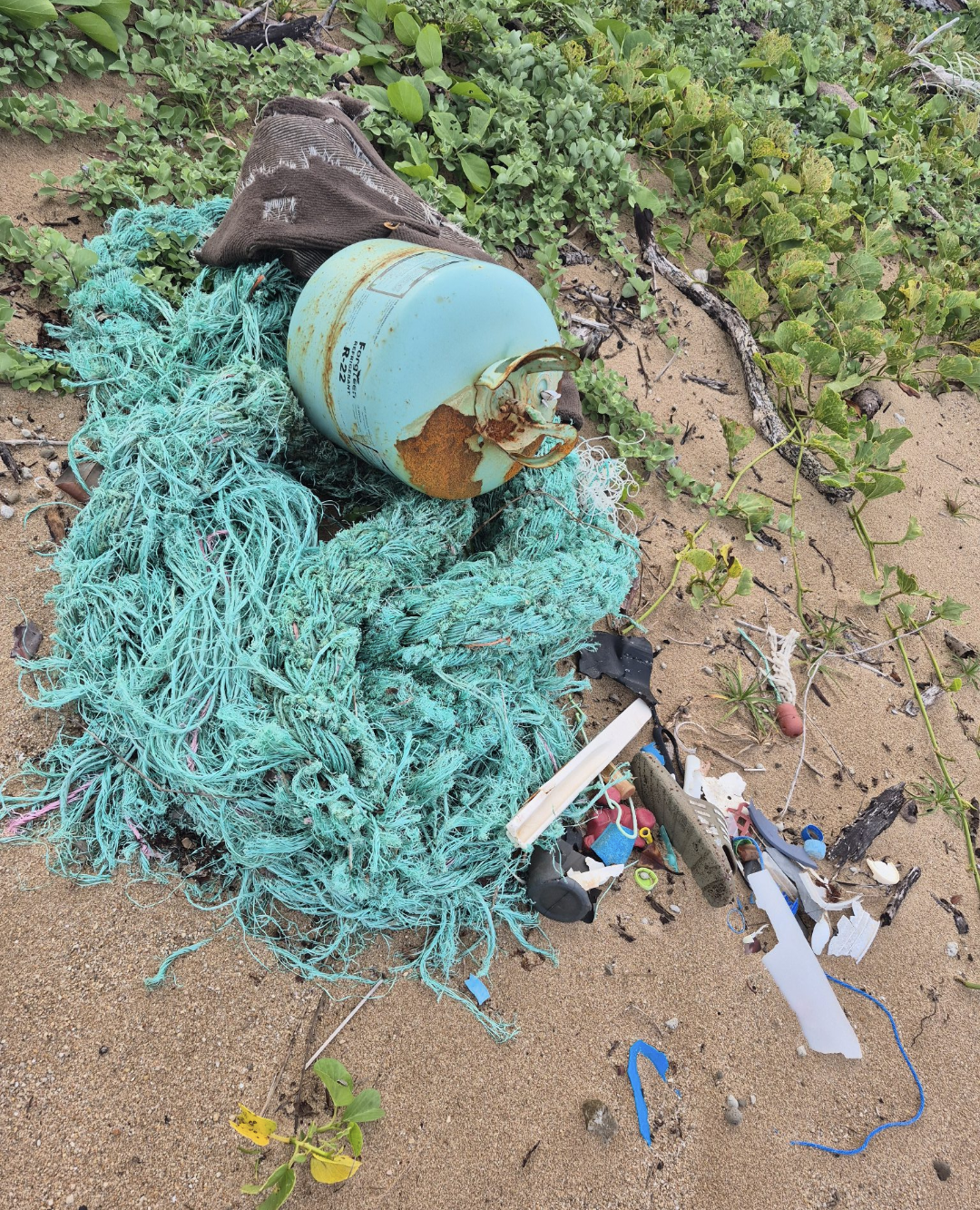
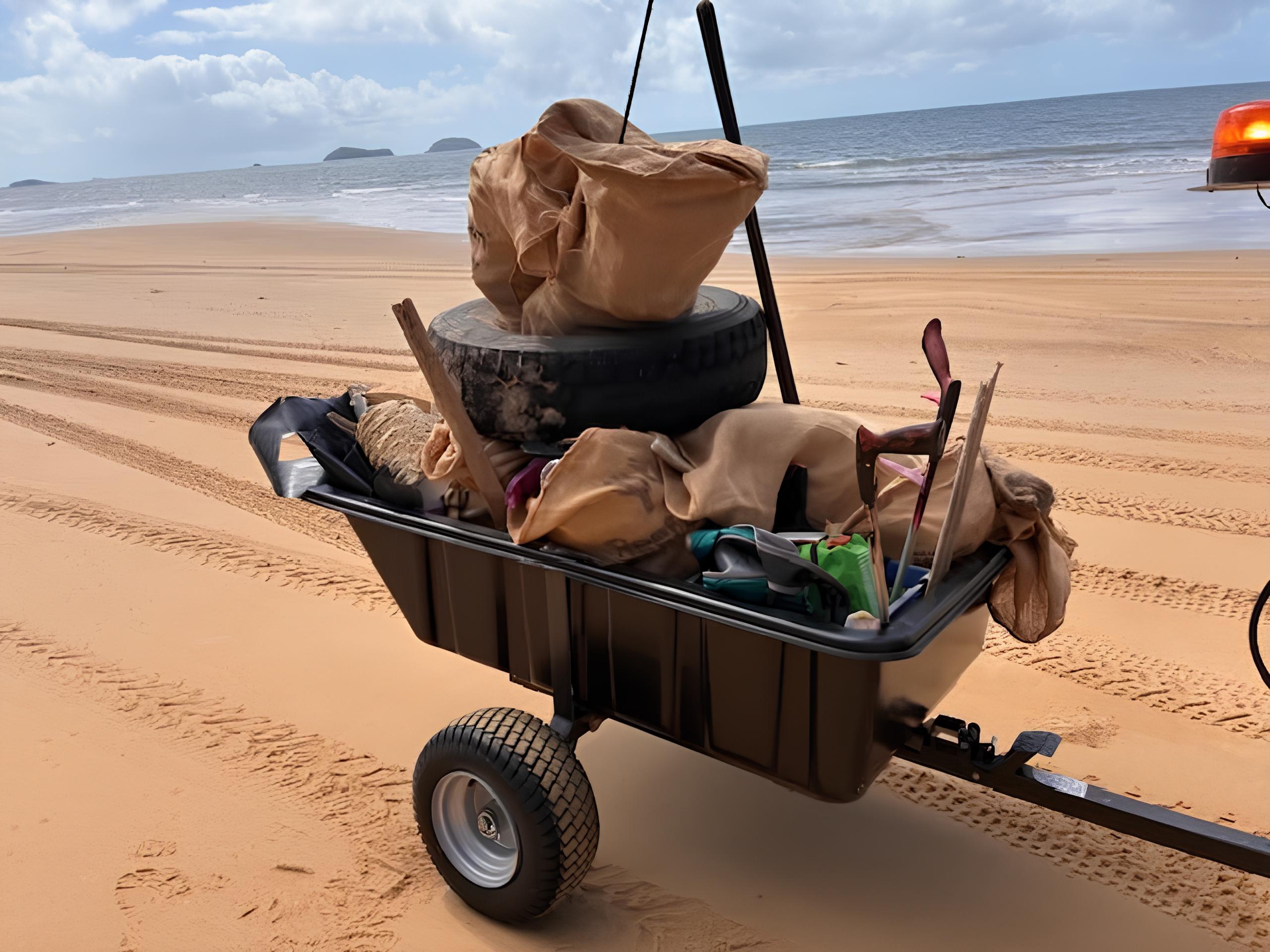
Rubbish and plastics can range from the tinies coil of nylon fishing line to the metres of thick marine rope. This pile of rubbish was found on Forrest Beach by residents. Photo credit: Victoria Velton
Forrest Beach locals are doing their bit to keep the popular coastline clean, with a recent online conversation highlighting how many beachcombers are now regularly picking up plastic and other rubbish washed in by the tide.
For some, it has become part of their regular beach walk, with one local saying they often fill a pocket with pieces of plastic they find along the sand.
“I quite often go for the little, tiny pieces as they are easily swallowed by our marine life, but also pick up the chunky bits,” one resident commented.
Others shared their own experiences of helping to keep Forrest Beach clean, with another resident remembering the old saying, “three for the sea”, an initiative asking beachgoers to collect and dispose of at least three items of trash whenever they leave the shore.
“These days it is more like 30,” the resident said.
The problem is not limited to the obvious rubbish. Though larger pieces pose a danger through choking, entanglement and restricting movement, smaller plastics can build up in animals over time.
Locals have pointed to tiny fragments, some no bigger than grains of salt, which can be easily swallowed by marine wildlife.
One local said the ongoing challenge of plastic washed in with the tide makes beach clean-up a “never-ending job”.
Forrest Beach residents are encouraging others to pick up what they can when they are at the beach or along any waterway, whether it is one piece or a pocketful, and help keep the coastline beautiful for both the community and its wildlife.
On Friday, 19th September 1879, the first annual meeting of the Herbert River Jockey Club (Kennedy District) was held.
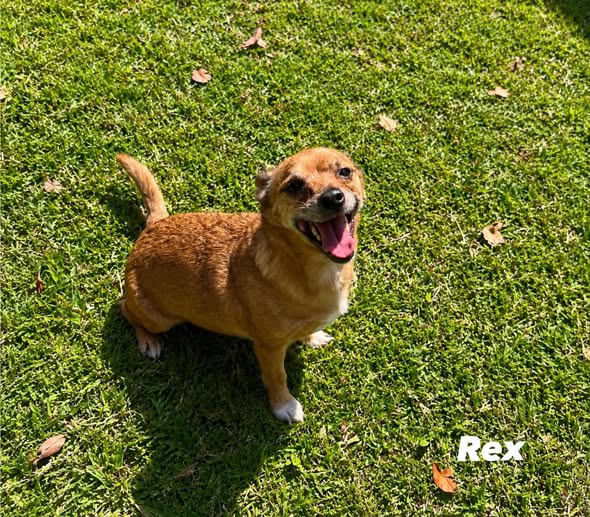
Introducing the charming and mature Rex, a delightful Chihuahua cross whose friendly nature is simply irresistible. At 10 years young, Rex exudes a warmth and affection that will immediately endear him to anyone lucky enough to meet him. He's a true gem and an absolute love bug who is ready to bring joy and companionship to his new family.
Rex has recently undergone a complete veterinary check-up and his health is in top condition. As one of the most amiable little fellows around, Rex would thrive in a home where he can enjoy companionship and care.
If you're looking for an affectionate, easy-going pup to share your days with, Rex is more than ready to be that special friend. Give Rex the loving home he deserves, and in return, he'll shower you with endless affection and wagging-tail excitement.
Included in adoption fee of $350 DESEXED, MICRO-CHIPPED, up to date VACCINATIONS, FLEA/TICK/INTESTINAL WORM treated & and on PROHEART. Enquire at Angelpaws.com.au/dogs
Sex: Male
Breed: Chihuahua X
Colour: Caramel
DOB: 23/04/2016
Cat Friendly: No
Dog Friendly: Yes
Kid Friendly: Yes

‘As a parent, you know your child better than anyone.’ Photo supplied: Naturally Kids
Contributed with thanks by Naturally Kids Allied Health
Every child develops at their own pace, but as a parent, you know your child better than anyone. Sometimes it’s the little things that make you wonder.
Maybe getting dressed each morning is a struggle. Your child might avoid certain foods, sounds or textures, have difficulty with handwriting or using scissors, find it hard to concentrate at school, or become overwhelmed by everyday routines and changes.
Perhaps they’re finding friendships challenging, struggling to regulate big emotions, or having difficulty developing skills that seem to come more easily to other children.
These challenges don’t automatically mean something is wrong. However, when they begin affecting your child’s confidence, independence, learning, friendships or family life, it may be worthwhile seeking extra support.

Occupational therapy can help children develop practical skills for everyday life, including fine and gross motor skills, self-care, school participation, emotional regulation, sensory processing, confidence and independence.
At Naturally Kids Allied Health, supporting your child also means supporting you. We help give you the understanding, practical strategies and confidence to support your child beyond therapy sessions and in everyday life. Support can help you understand what your child needs and what you can do to help.
Families can access Naturally Kids through a GP referral, Paediatrician referral or by self-referring directly. Naturally Kids welcomes private-paying and NDIS-funded clients who are self-managed or plan-managed. Regular outreach services are available in the Hinchinbrook region, helping families access support closer to home.
Sometimes the first step is simply asking, “Could my child benefit from some extra support?”
Starting that conversation early can help families understand their child’s needs and find ways to help them thrive.
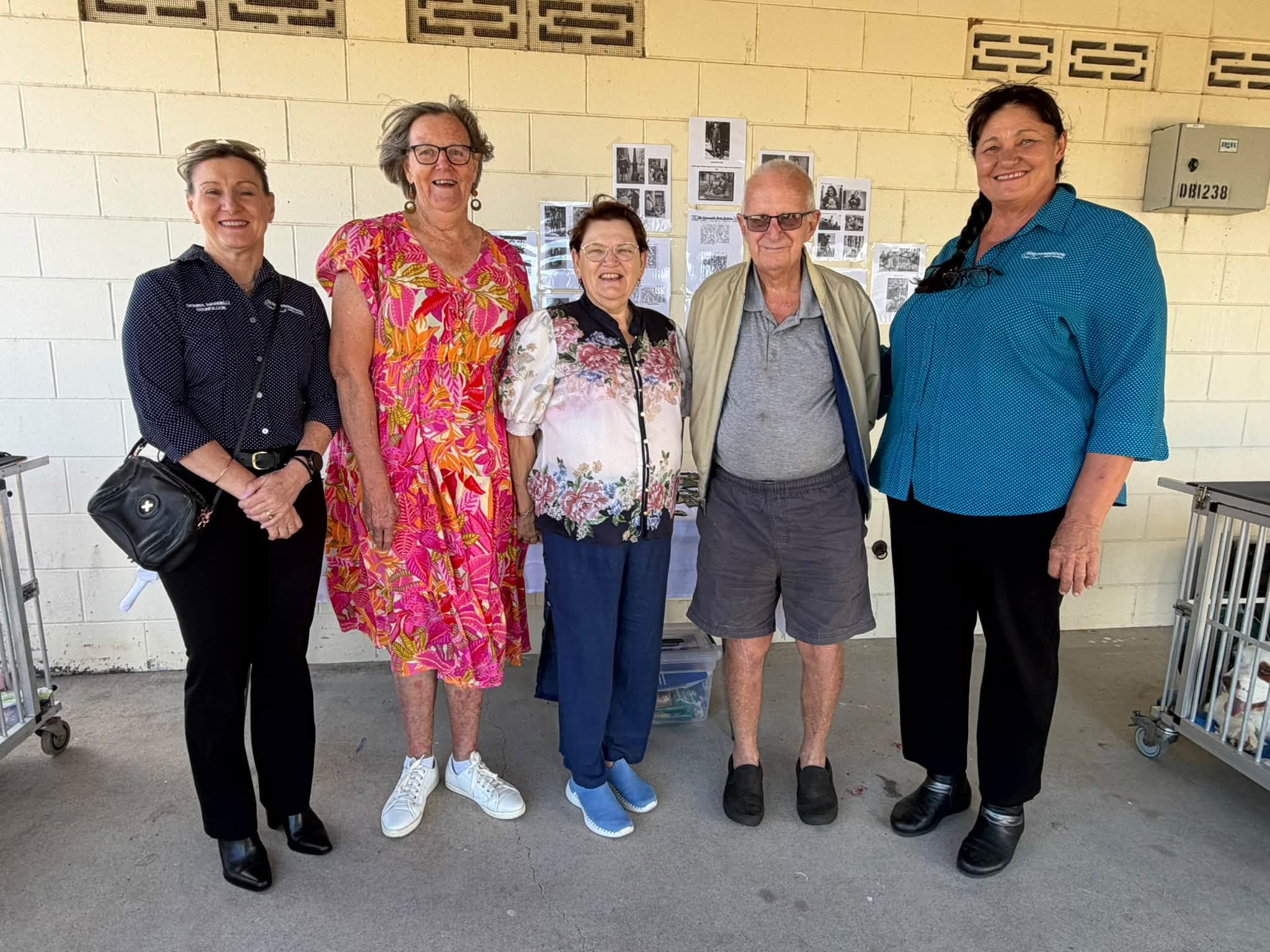
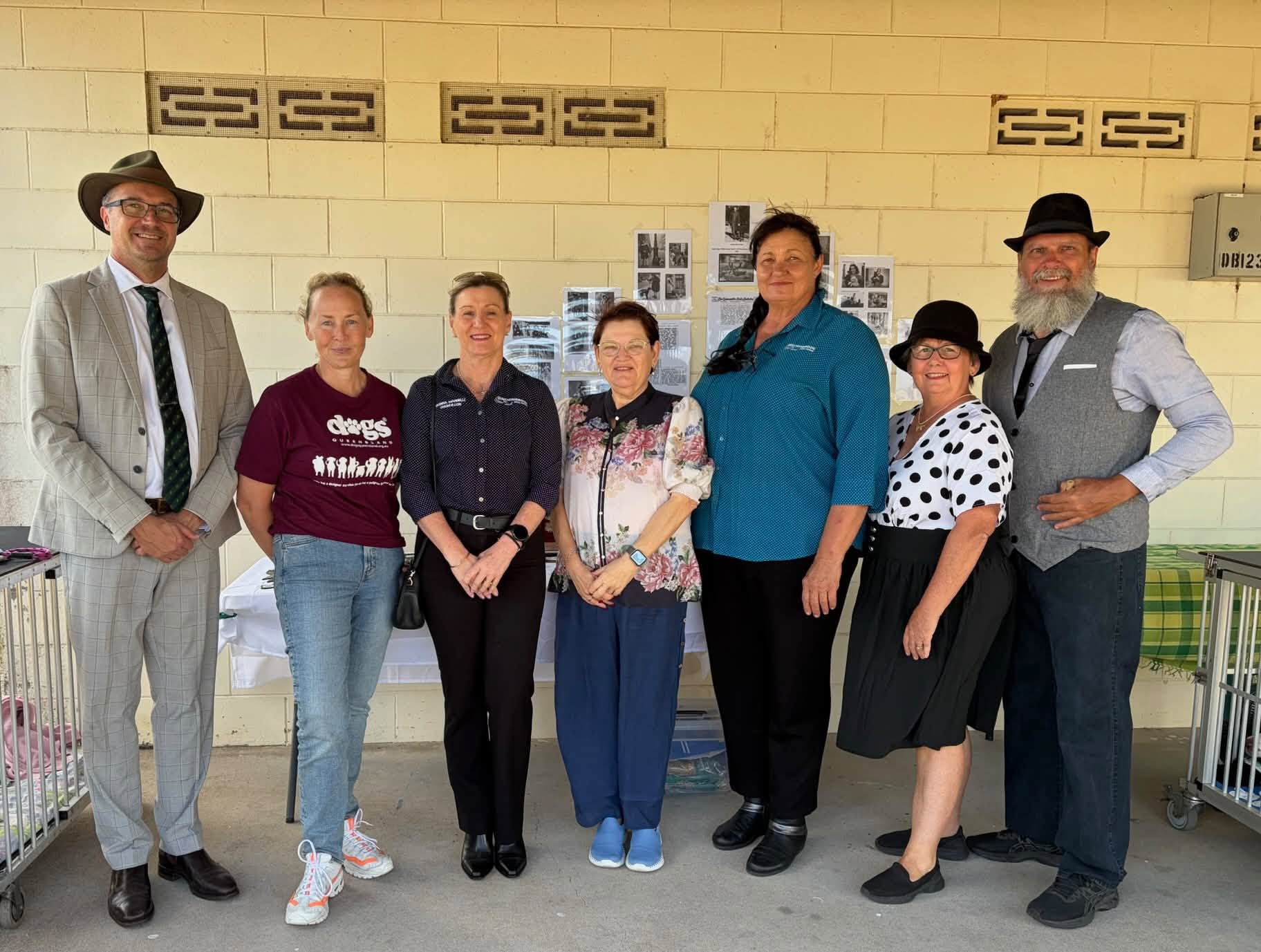
Cr Donna Marbelli, Sharyn Steele, Rhonda Horton, David Horsley and Cr Kate Milton. Photo supplied: Cr Donna Marbelli
By Victoria Velton
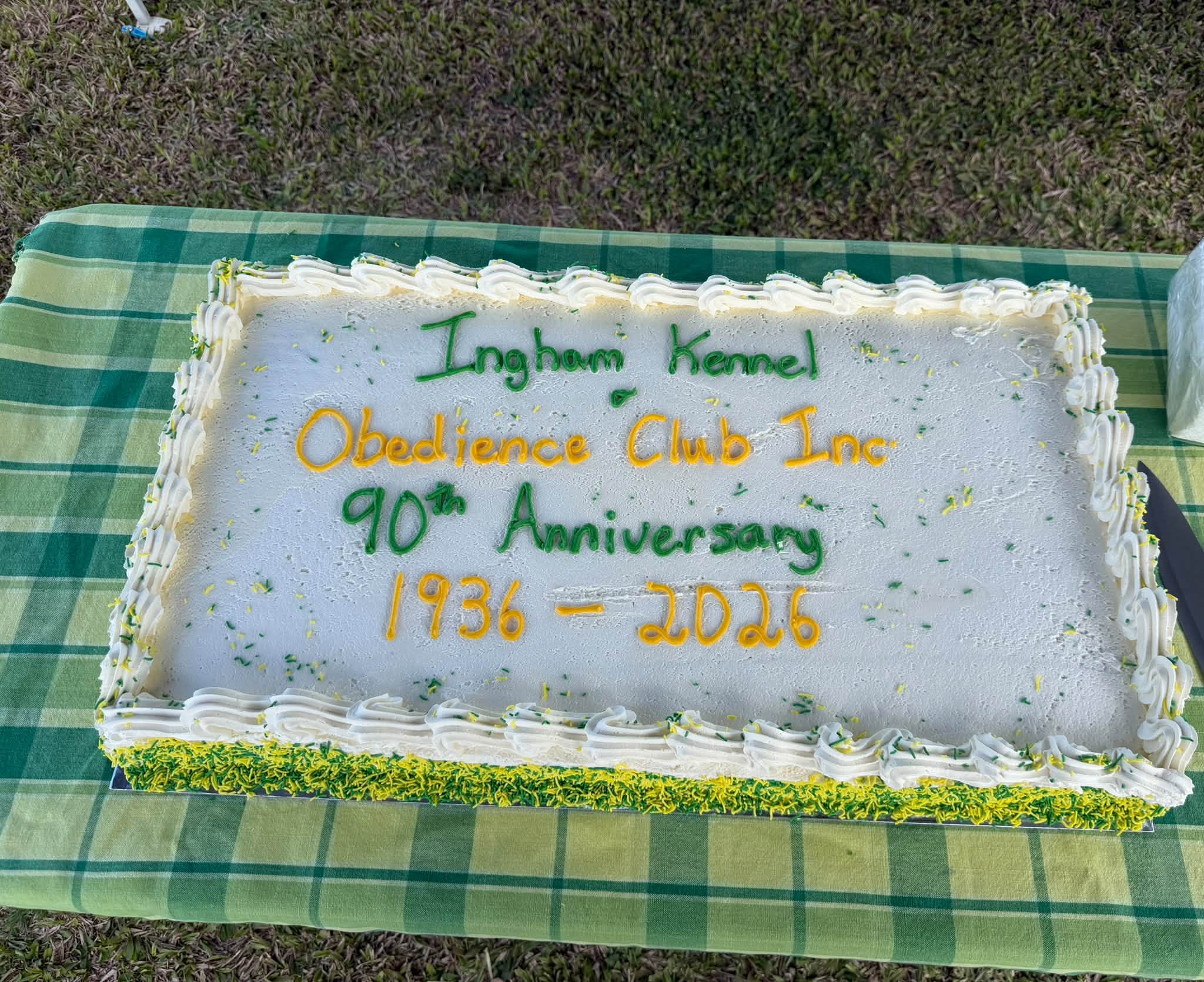
For nine decades, the Ingham Kennel & Obedience Club has brought together generations of dog lovers, exhibitors and volunteers; a proud legacy celebrated at the club’s 90th Anniversary Weekend of Shows last weekend at the Ingham Showgrounds.
The club was founded on 21st May 1936 as the Herbert River Kennel Association, holding its first dog show on Saturday 25th July that year. Since then, the club has continued to support the advancement and promotion of purebred dogs under the guidance and affiliation of Dogs Queensland. The weekend was a celebration of the club’s history, and an opportunity to recognise the people who have helped shape it.
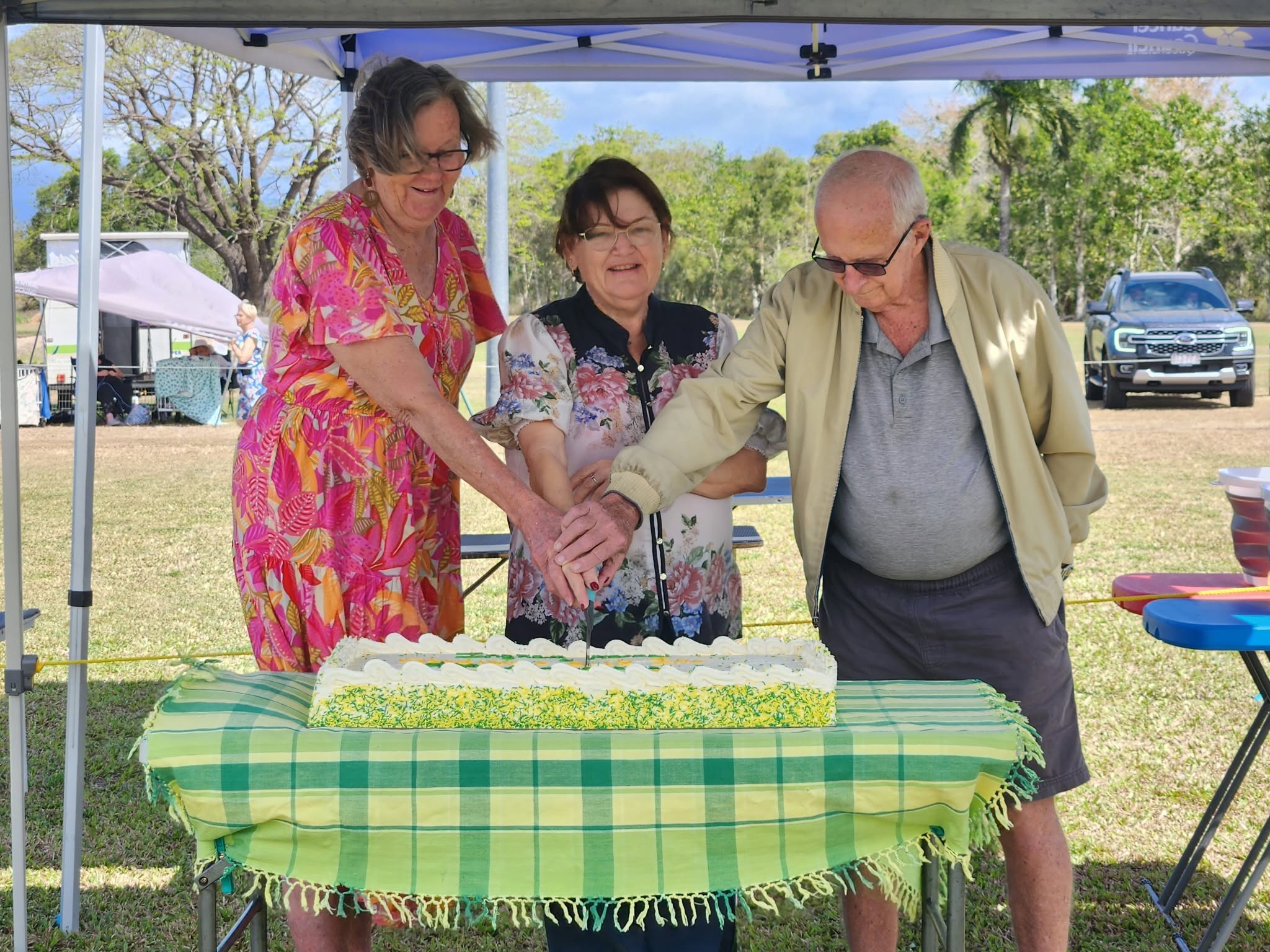
Three club life members, Sharyn Steele, Rhonda Horton and David Horsley, were recognised during the celebrations and honoured by cutting the club’s 90th Anniversary Cake.
Hinchinbrook Shire Councillors Donna Marbelli and Kate Milton also attended the milestone celebrations, with Cr Marbelli congratulating the volunteers, committee members, judges, sponsors, supporters and families who have contributed to the club over the years.
“Community clubs are such an important part of our Shire,” Cr Marbelli said.
"The Ingham Kennel & Obedience club brings people together through friendship, participation and the shared love of dogs."
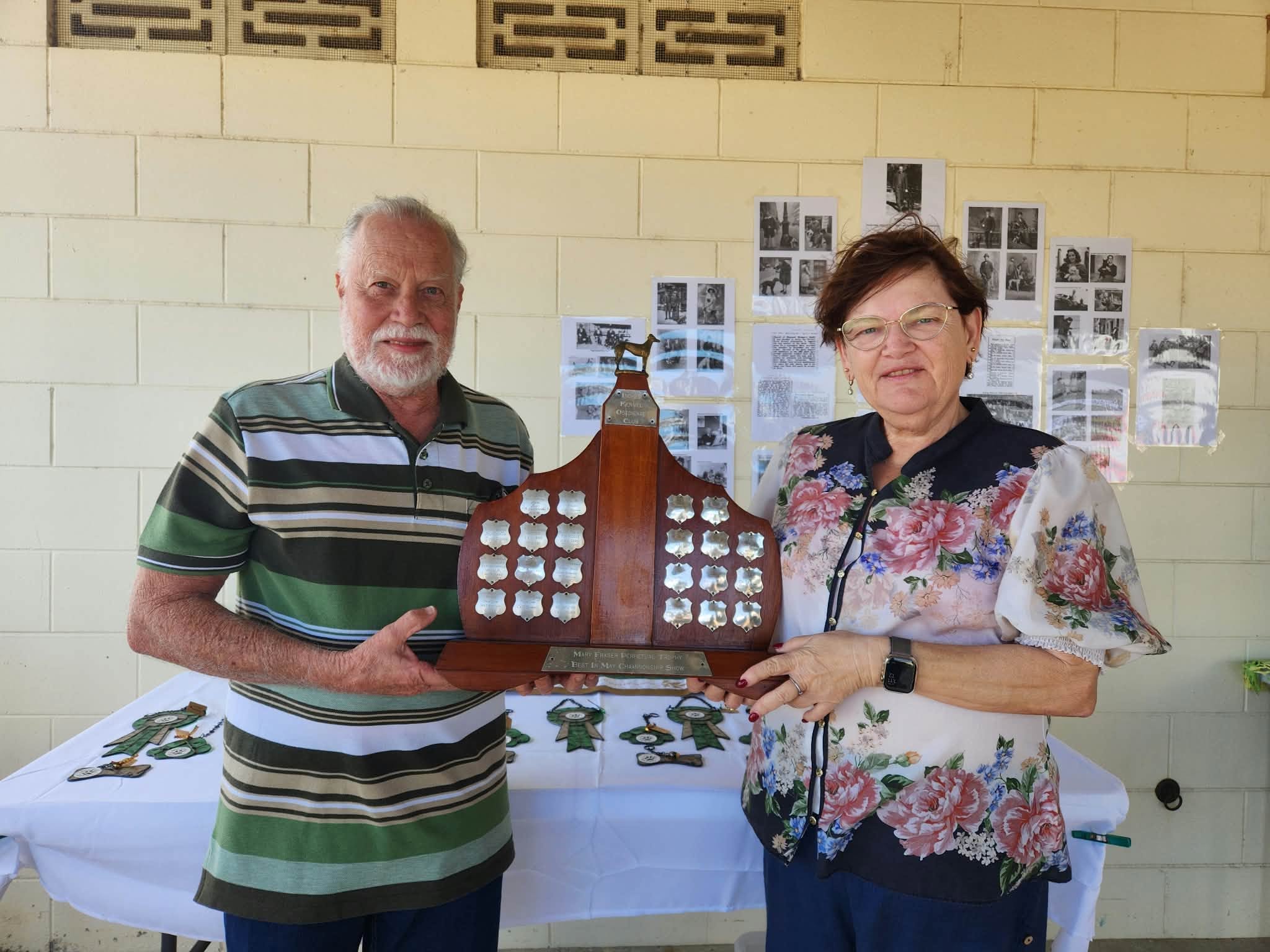
As part of proceedings, a perpetual trophy once used for Best in Show was returned to the spotlight after being carefully restored by Kenny Fraser, son of former club patron Mary Fraser.
The 90th Anniversary Weekend also featured a 1930s, 1940s and 1950s fancy dress competition, while the club’s exhibitors competed across the weekend’s shows.
Club representatives thanked the many judges and ring stewards who travelled from New South Wales to participate, along with sponsors EAC Animal Care, Plush Puppy, CEN and Nana Chelle’s Glass Studio.
The club also recognised the contribution of its volunteers, including canteen volunteers and Rhonda Horton, described by the club as an “anchor” who has played an important role in keeping the club running.
From its beginnings in 1936 to its 90th anniversary in 2026, the Ingham Kennel & Obedience Club has built a proud history around their passions for dogs, a legacy celebrated throughout the Kennel Club community that anniversary weekend.
.jpg)
Year 4 students discovered that great stories began with an idea, and that they could be authors too! Photos supplied: Our Lady of Lourdes Catholic School
Contributed with thanks by Our Lady of Lourdes Catholic School
What a wonderful way to begin Book Week at Our Lady of Lourdes Catholic School!
Our Year 4 students were delighted to welcome Fiona Carmelito, a valued member of our school community and a published author, who shared her love of writing and her journey to becoming an author.
Fiona spoke with the students about the writing process, from developing an initial idea through to seeing a story become a published book. She generously shared her own experiences and answered the many questions students had about what it was really like to write and publish a book.
Fiona’s visit provided the perfect introduction to an exciting week of writing for our Year 4 students. Inspired by her story, the students embarked on their own journey through the writing process, working through the stages of planning, drafting, revising, editing and publishing.
.jpg)
By the end of the week, every student had created their own published piece of writing. Together, these works formed a very special Year 4 collection, showcasing the informative, imaginative and entertaining writing of our students. The collection was intended to become a treasured addition to our school library, available for students and families to borrow and enjoy.
Most importantly, Fiona’s visit helped our students see that being an author wasn’t something that only happened to other people. They could be writers. They could be storytellers. And their ideas were worth sharing.
A very big thank you went to Fiona for generously giving her time to inspire our Year 4 students and for sharing her experiences as a published author. We were also thrilled to receive signed copies of both of Fiona’s books, which were proudly kept in our Year 4 classroom.
It was a wonderful reminder that every great book began with an idea and every author began with the courage to put pen to paper.
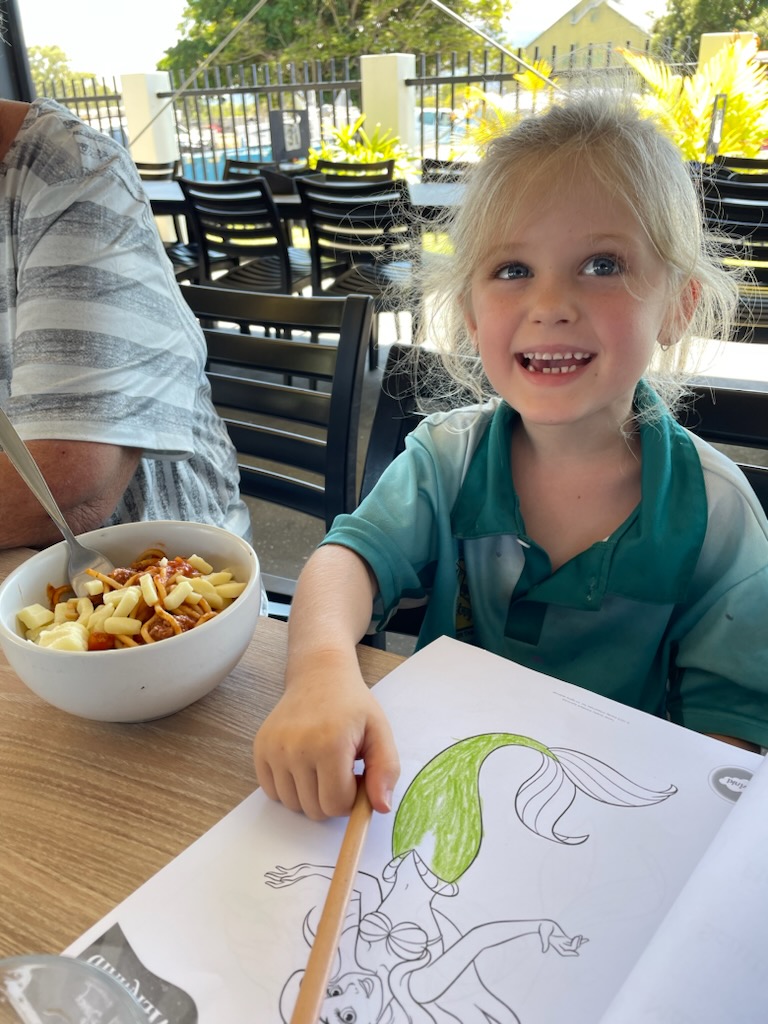
Little restaurant reviewers trying different foods. Photos supplied: Halifax State School
Contributed with thanks by Halifax State School
Creativity is also flourishing in the classroom, where students are taking on the role of restaurant critics as part of an English assessment. The task requires students to review meals in the style of professional food writers, evaluating presentation, flavour, texture and the overall dining experience.
Teachers say the assessment encourages students to strengthen their descriptive and persuasive writing skills while developing critical thinking and analytical techniques. Students are challenged to support their opinions with evidence and use engaging language to bring their reviews to life.
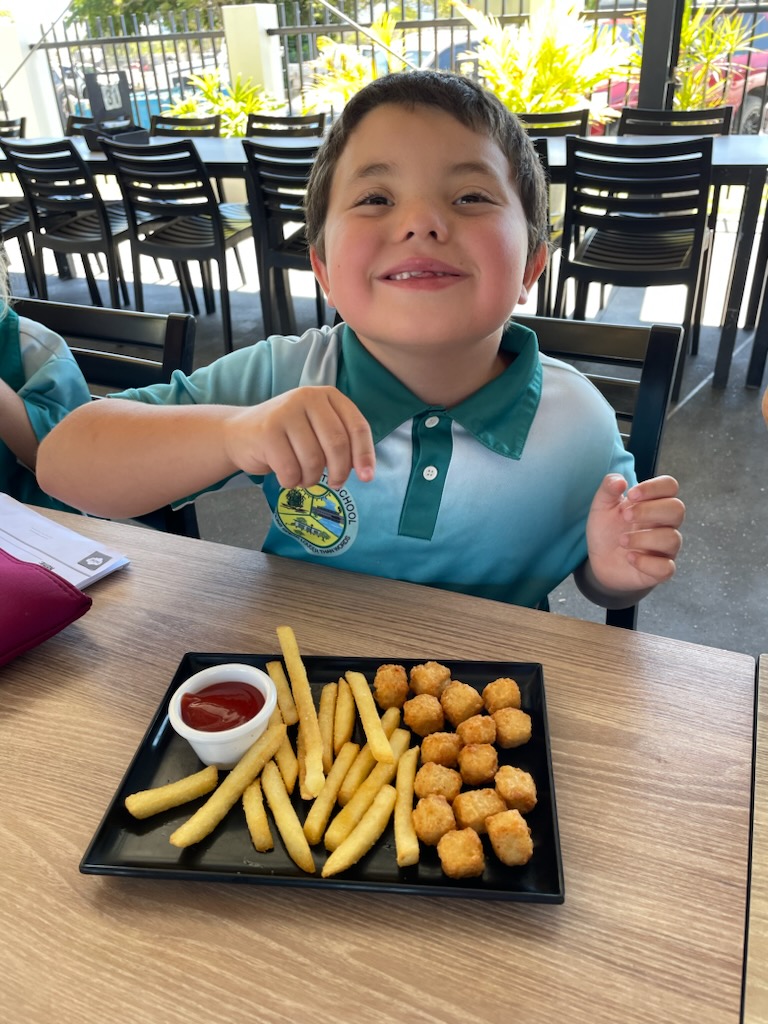
By examining meals through the eyes of a critic, students learn how effective writing can inform and influence an audience. The task moves beyond simply deciding whether a dish was enjoyable, encouraging students to consider elements such as visual appeal, balance of flavours and value for money.
The combination of creative arts projects and engaging literacy activities reflects Halifax State School's commitment to providing authentic learning experiences that connect classroom learning with the wider world. Whether performing in a music video or crafting a detailed restaurant review, students are developing valuable communication skills, confidence and creativity that will serve them well into the future.
Through initiatives that celebrate self-expression and critical thinking, students are discovering that every story, meal and review provides an opportunity to share their voice, showcase their talents and strengthen their connection to the Halifax community.
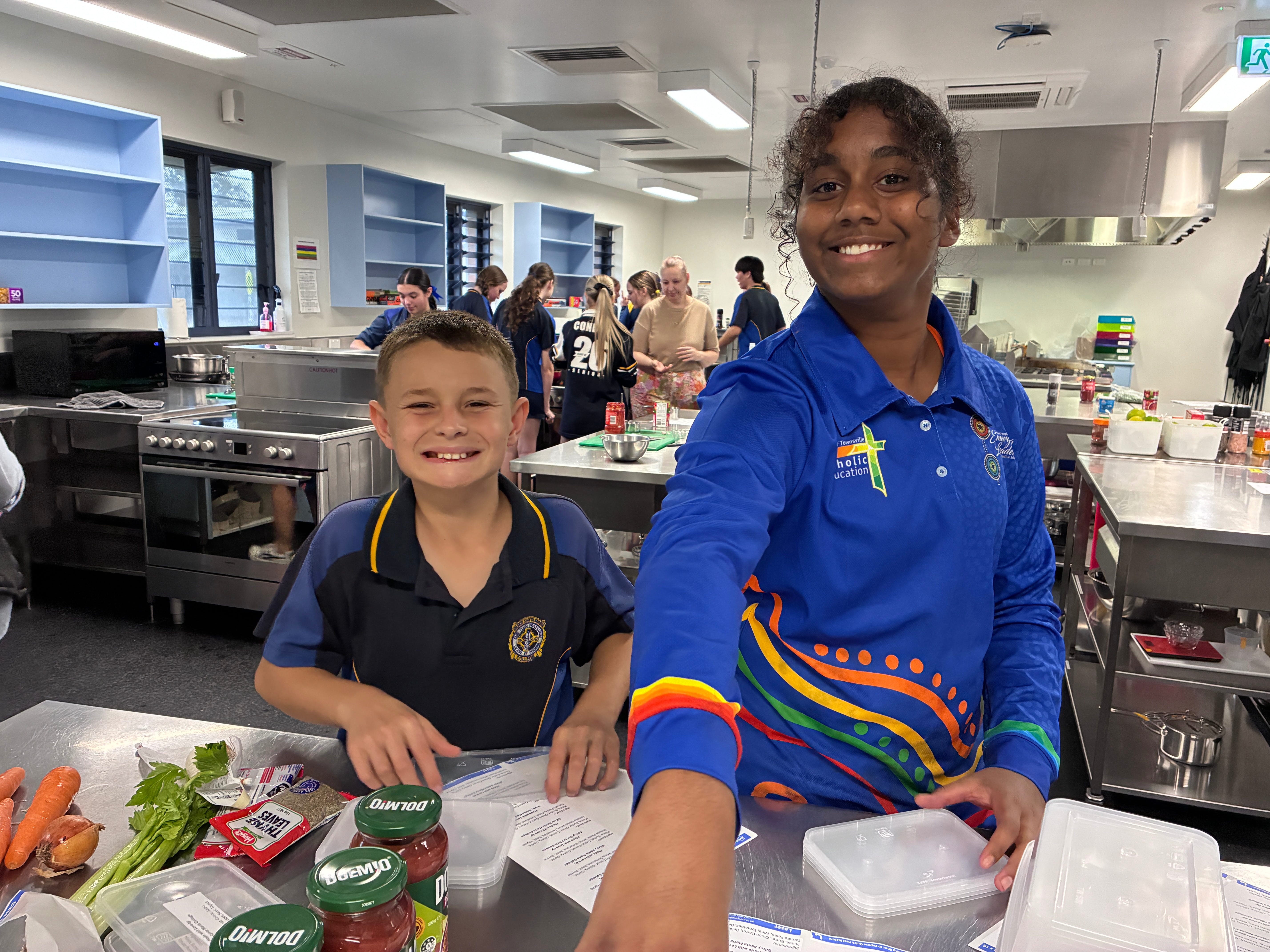
In the GSMC Kitchen, Young Vinnies students roll up their sleeves. Photos supplied: Gilroy Santa Maria College
Contributed with thanks by Gilroy Santa Maria College
It’s been another Term of meaningful achievements for the Gilroy Santa Maria College Young Vinnie’s Program. This initiative sees local students giving back to the community, to mirror the work of the St Vincent DePaul Society.
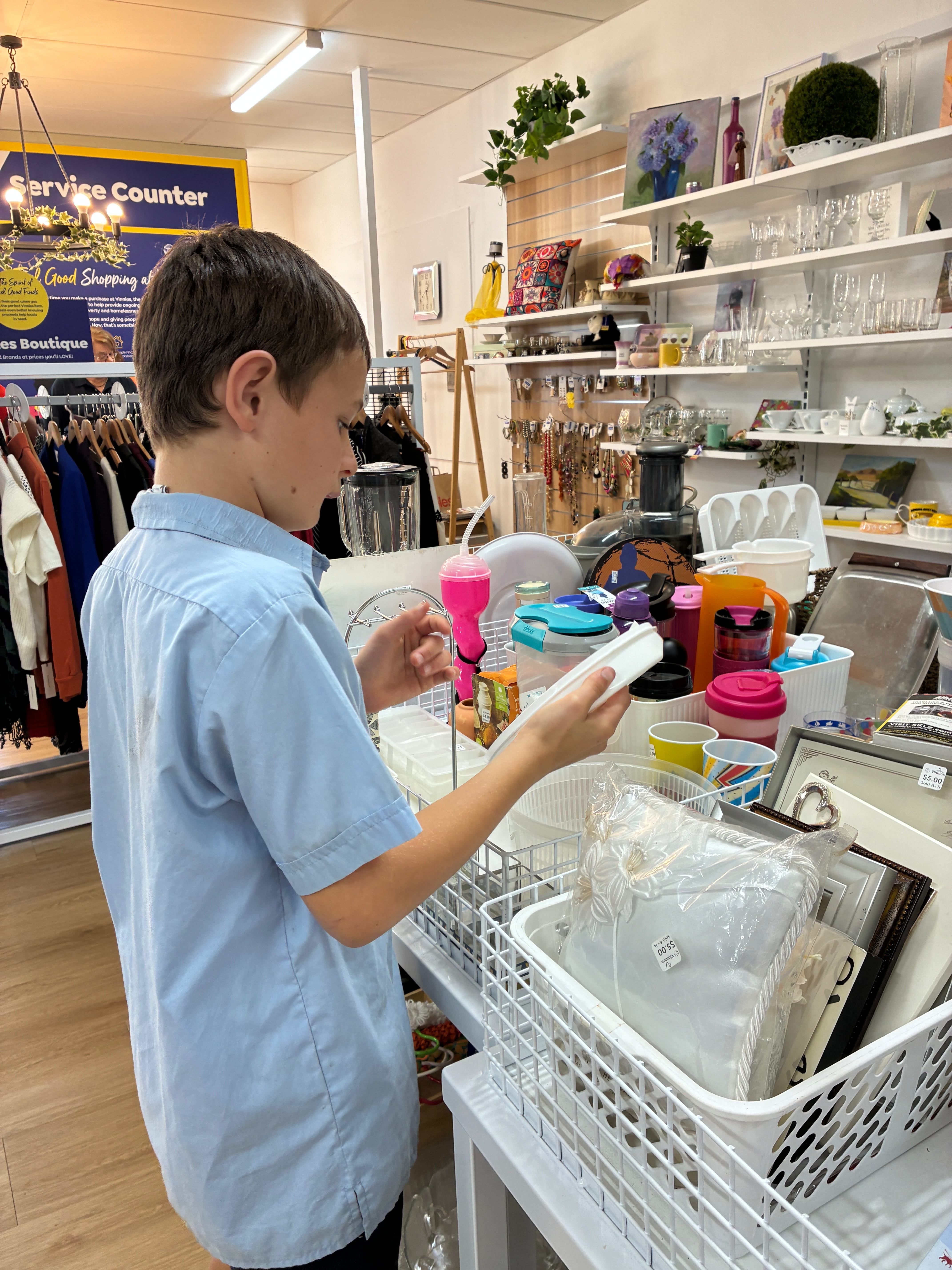
Thanks to the generous support of the Ingham Vinnie’s store, groups of GSMC students have participated in the Sorting, Pricing, Re-stocking excursions. This outing gives students a deeper appreciation for serving the community and supporting those in need. It’s a practical, hands-on way to serve the community, getting involved in the required tasks at the store. Students sort donated items, assist with pricing and also participate in re-stocking shelves.
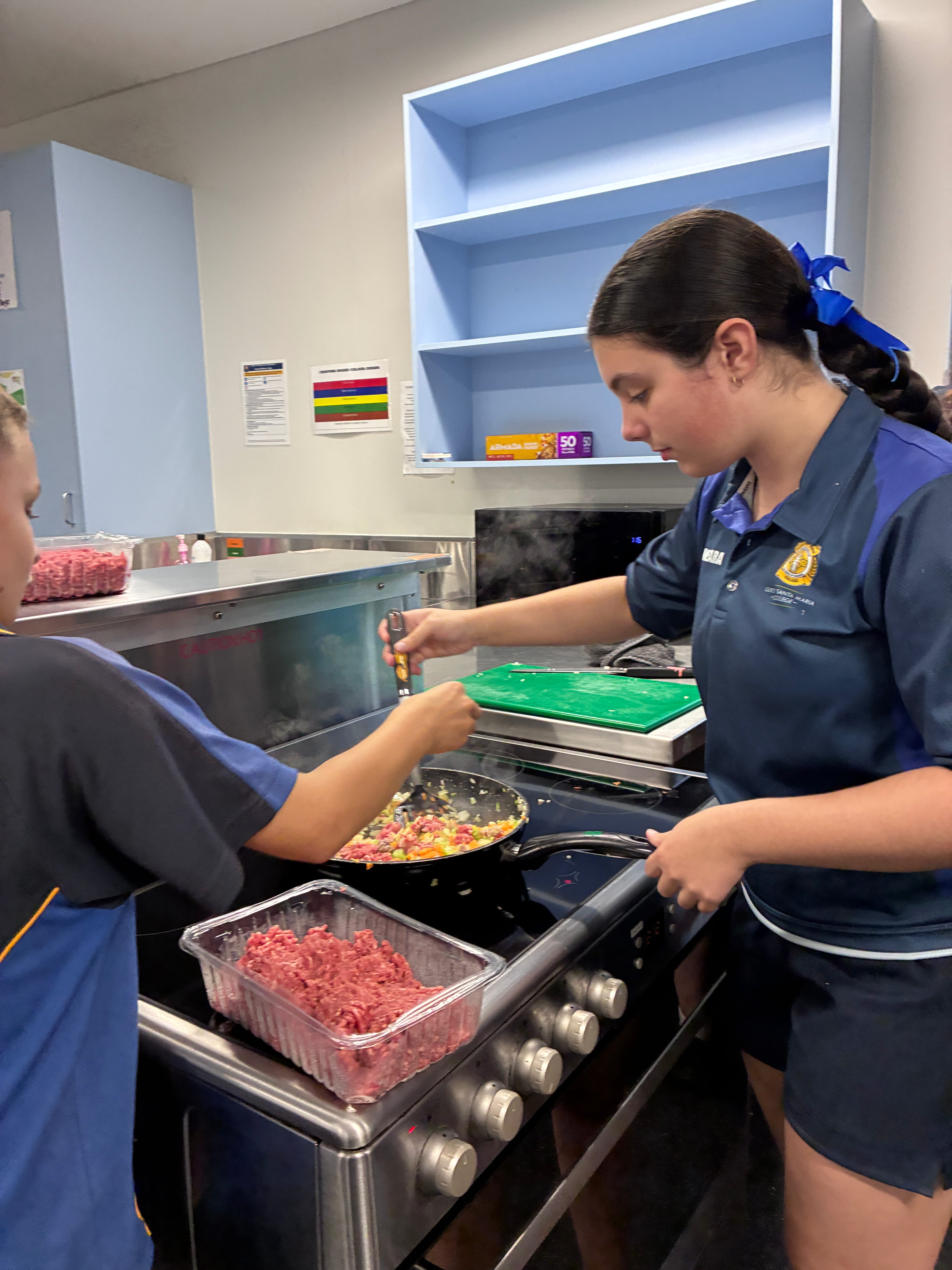
Back on the College grounds, in the GSMC Kitchen, Young Vinnies students roll up their sleeves and prepare delicious meals for those in our community who might otherwise go without. It’s always a lively afternoon when the Young Vinnies students and support staff step into the kitchen. Recent dishes included pumpkin soup, chicken curry, and fresh sugo.
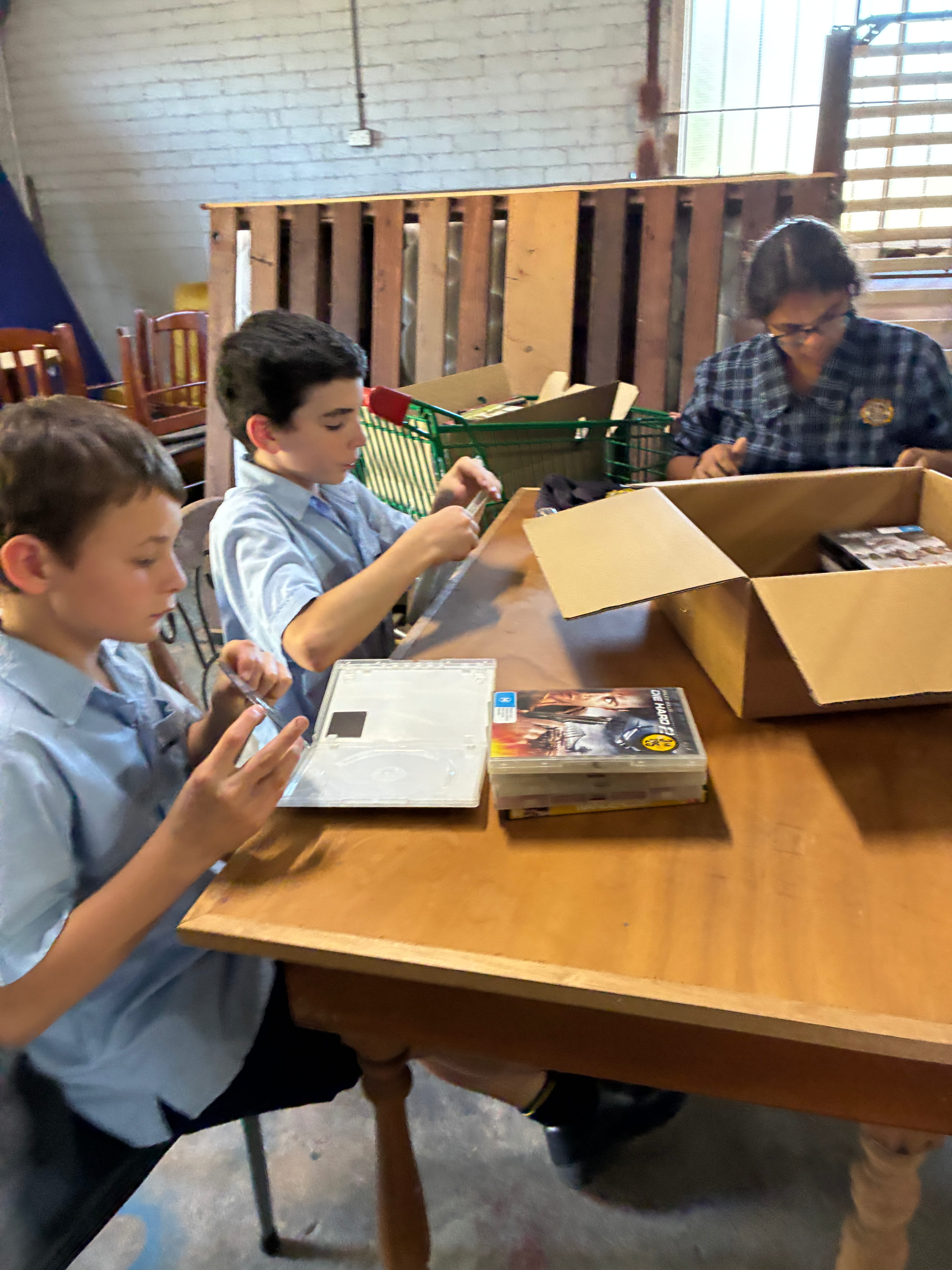
GSMC students will have a further opportunity to serve others, with the College recently commencing visits to local aged care facility, Bluehaven. The initial visit by GSMC Year 9 students warmed the hearts of the residents while students performed on guitar for them, played card games together, and enjoyed some competitive board games.
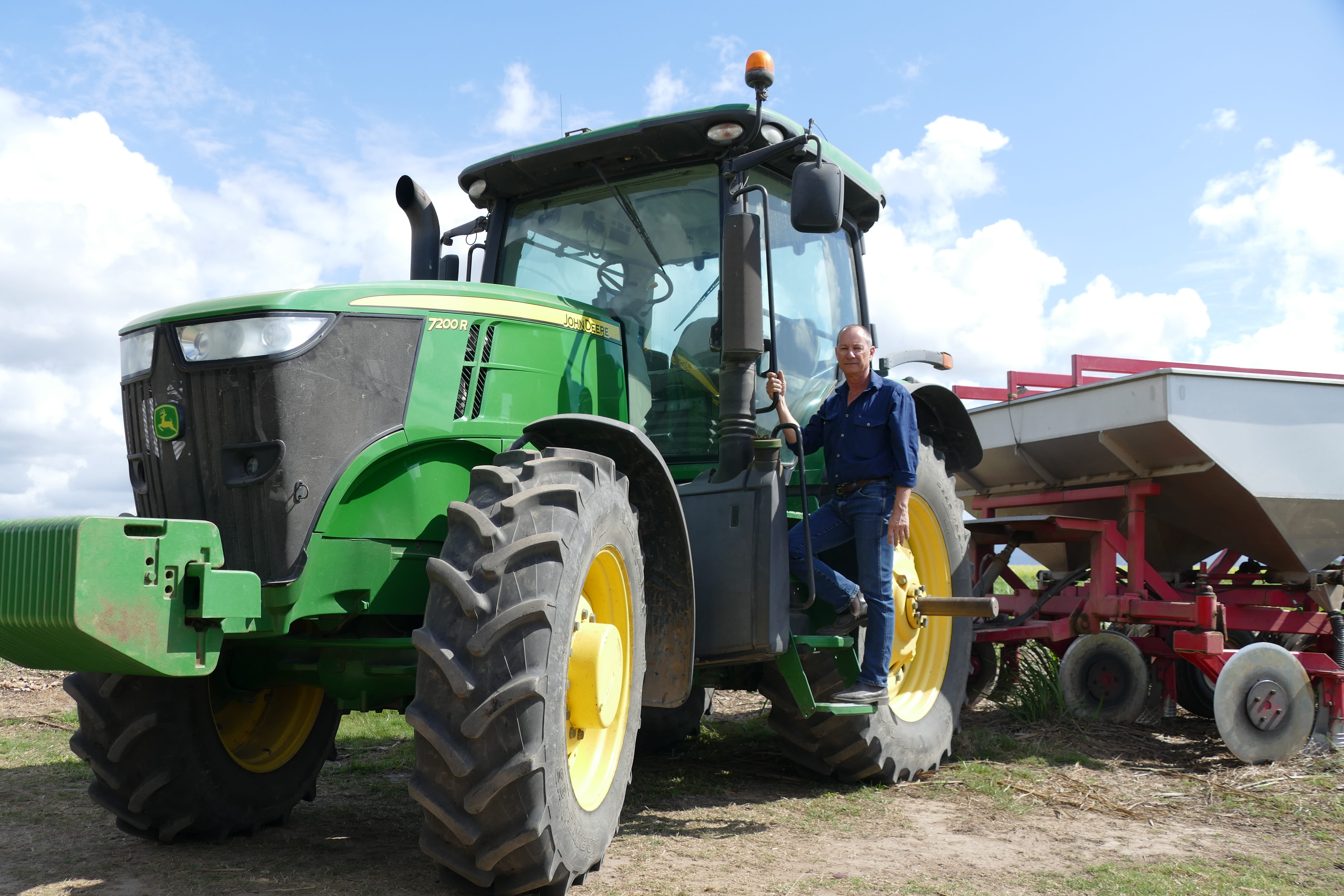
Photo credit: Victoria Velton
By Victoria Velton
Welcome to the Cutting The Cane, a column where we have a chat with those supporting the backbone of the local economy: the farmers behind the sugar. This week third generation grower Paul Marbelli answered our questions about the 2026 season.
What stage is your paddock at now?
I’m currently sitting at around 70 per cent harvested for this season. We had an early finish to planting this year and there’s still good moisture holding in our ratoon crops too.
How are you feeling about the crop this season?
At Macknade, the weather conditions have generally been favourable. Our crop has been a little down on the original estimate for yield. However, this has been offset by higher sugar results, so at the end of the day this will probably balance out to achieve close to estimate for overall tonnes of sugar.
How do you expect this year’s season will impact the next?
A big concern I’ve had this year has been the cost of inputs, particularly fuel and fertiliser. There was a lot of focus on this before the season started. We knew that those costs would be high and profits would take a hit as a result. I was also concerned about supply but a positive is that we haven’t seen that issue in our region. Fuel and fertilisers have been available when needed, so we could continue to operate as normal. Whether this continues to be a challenge next year as well, well time will tell. But costs overall remain a challenge.
What do people who aren’t from the cane industry probably not realise about harvest season?
There is often a lot of discussion about the start and length of the season and when the right time is for this to happen. It’s quite a complex issue as what might be right for one area, may not be right for another. Take this year for example: we’ve had a very extended period of wet that has impacted growers in the Western regions. Harvesting didn’t start in those areas until July, and some are still trying to finish planting. Whereas there are other areas where growers are needing to irrigate their crops because of how dry it is. It just goes to show the vast differences that we can experience in the Herbert.
Ultimately, everyone – growers, harvesting contractors and millers, want to get the crop harvested at the best time when sugar is at the highest. Right now, it looks like the season will wrap up in early November, which will be good to see provided everyone can get their crop harvested. We’ve seen solid performance in our two mills but some bottlenecks in transport which have impacted cane supply. It’s always something to keep a close eye on to ensure that we can end the season on a good note for the whole community.
Looking ahead to the rest of the season, what are the biggest factors that will determine how it finishes?
I’m feeling good about the rest of the season. If the weather can continue to hold and mill performance continues then we will remain on track to finish, before you typically see the CCS (sugar) drop away.
One of North Queensland’s largest renewable energy projects is moving into its construction phase, bringing hundreds of jobs, business opportunities and new community funding closer for the Hinchinbrook region.
Located about 65 kilometres south-west of Ingham on Gugu Badhun Country, the Gawara Baya project has reached financial close following more than six years of planning, development and community engagement.
The project comprises a 408MW wind farm and 104MW battery energy storage system and is expected to generate enough electricity to power about 240,000 Queensland homes once operational.
Copenhagen Infrastructure Partners has acquired full ownership of the project from Windlab, providing the investment required to move towards construction, while Windlab personnel will remain part of the delivery team.
Early works are expected to begin progressively from September, starting with preparation of the accommodation camp area. Access road upgrades are scheduled from October, followed by civil construction activities from November and accommodation camp construction from December.
At peak construction, more than 500 jobs are expected to be created, with the project anticipated to generate more than $200 million in regional economic activity through employment, procurement and supply-chain participation.
Hinchinbrook community groups will also have an opportunity to benefit directly, with a $200,000 annual Community Benefit Fund becoming available as construction gets underway.
The first funding round is anticipated to open in the final quarter of 2026, supporting community initiatives across the Hinchinbrook Shire and Charters Towers local government areas.
The project has also committed to employment, training and business opportunities for Gugu Badhun People and other First Nations communities.
As early works begin, locals may notice increased project vehicles, contractors and activity around the project area, with further community updates to be provided as construction progresses.
Hinchinbrook Shire Council will conduct an aerial shooting program to control feral pig populations across participating land parcels and properties between Forrest Beach and Crystal Creek.
Subject to suitable weather conditions, the operation is scheduled for Thursday 17th September and Friday 18th September, from 5am to 7pm each day.
For public safety, access to the National Parks Estate, Bronte Road and Halifax Bay Wetlands will be closed during the operation. Access to huts located on Bronte Road will be permitted outside the planned control hours.
The program is funded by the Department of Environment, Tourism, Science and Innovation; Department of Natural Resources, Mines, Manufacturing and Regional and Rural Development; Herbert Cane Productivity Services Limited; and HQ Plantation, in association with Hinchinbrook Shire Council.
For more information, or to report pig sightings contact Council on (07) 4776 4600 or email council@hinchinbrook.qld.gov.au
Publishers Indemnity. Any individual or entity that places advertising, supplies copy material, or submits editorial content to Life Publishing agrees and undertakes to ensure that all such material:- Does not infringe upon any copyright, trademark, or other intellectual property rights;- Is free from any content that could be considered defamatory, libelous, or slanderous;- Does not infringe upon any rights related to privacy or breach of confidence;- Contains no obscene, indecent, or otherwise unlawful material;- Complies fully with the Trade Practices Act and all other applicable laws, regulations, or statutes. Furthermore, by submitting or placing such material, these individuals or entities agree to indemnify and hold harmless the publisher, Life Publishing and Events Pty Ltd, and/or its agents from and against any and all investigations, claims, demands, liabilities, damages, costs, or judgments arising out of or in connection with the material provided. All material is believed to be accurate at the time of printing and remains the copyright of Life Publishing and Events Pty Ltd.
© 2026 Life Publishing Group Ltd.
