Independently Owned, Locally Grown, Community Loved

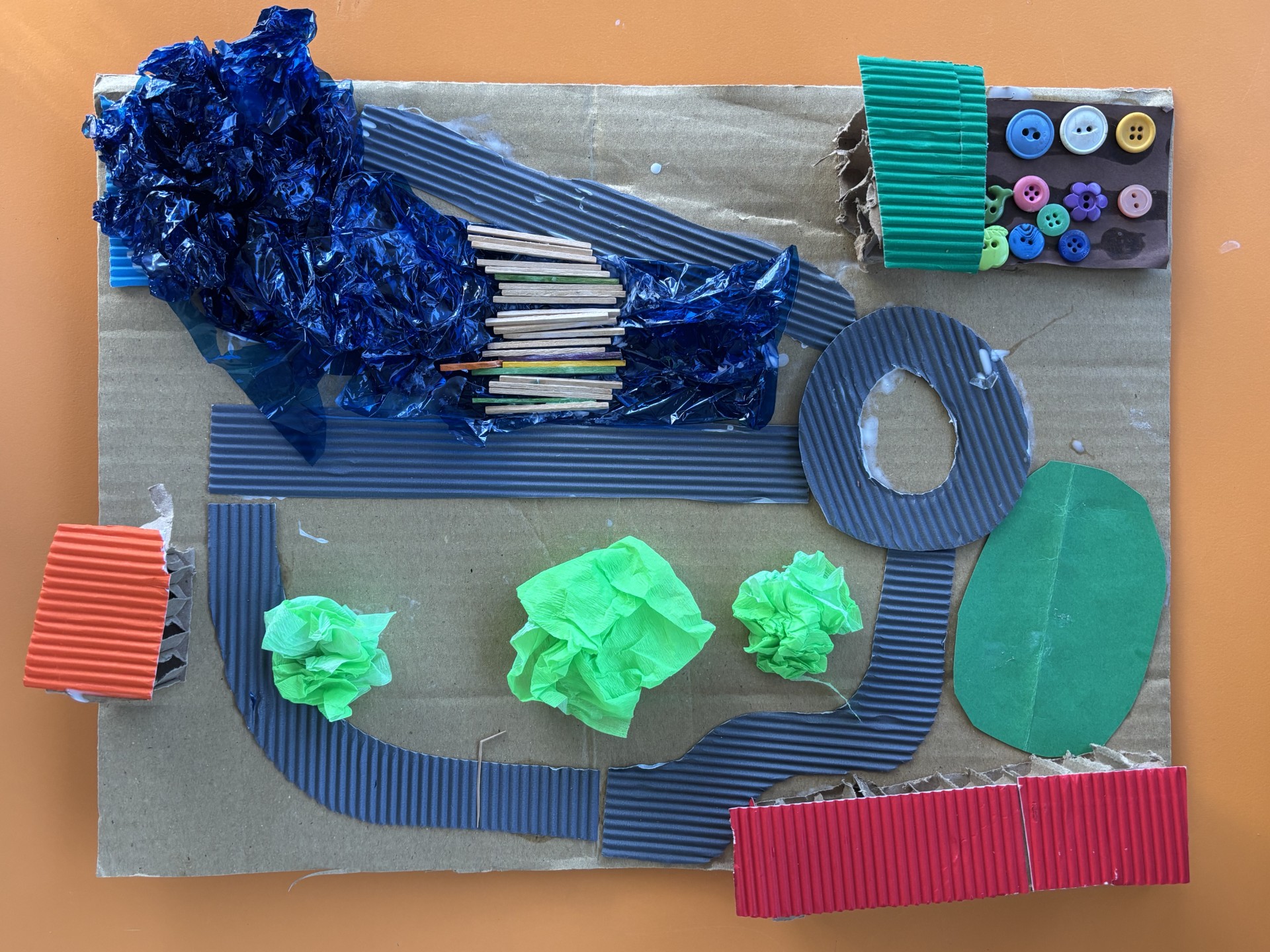
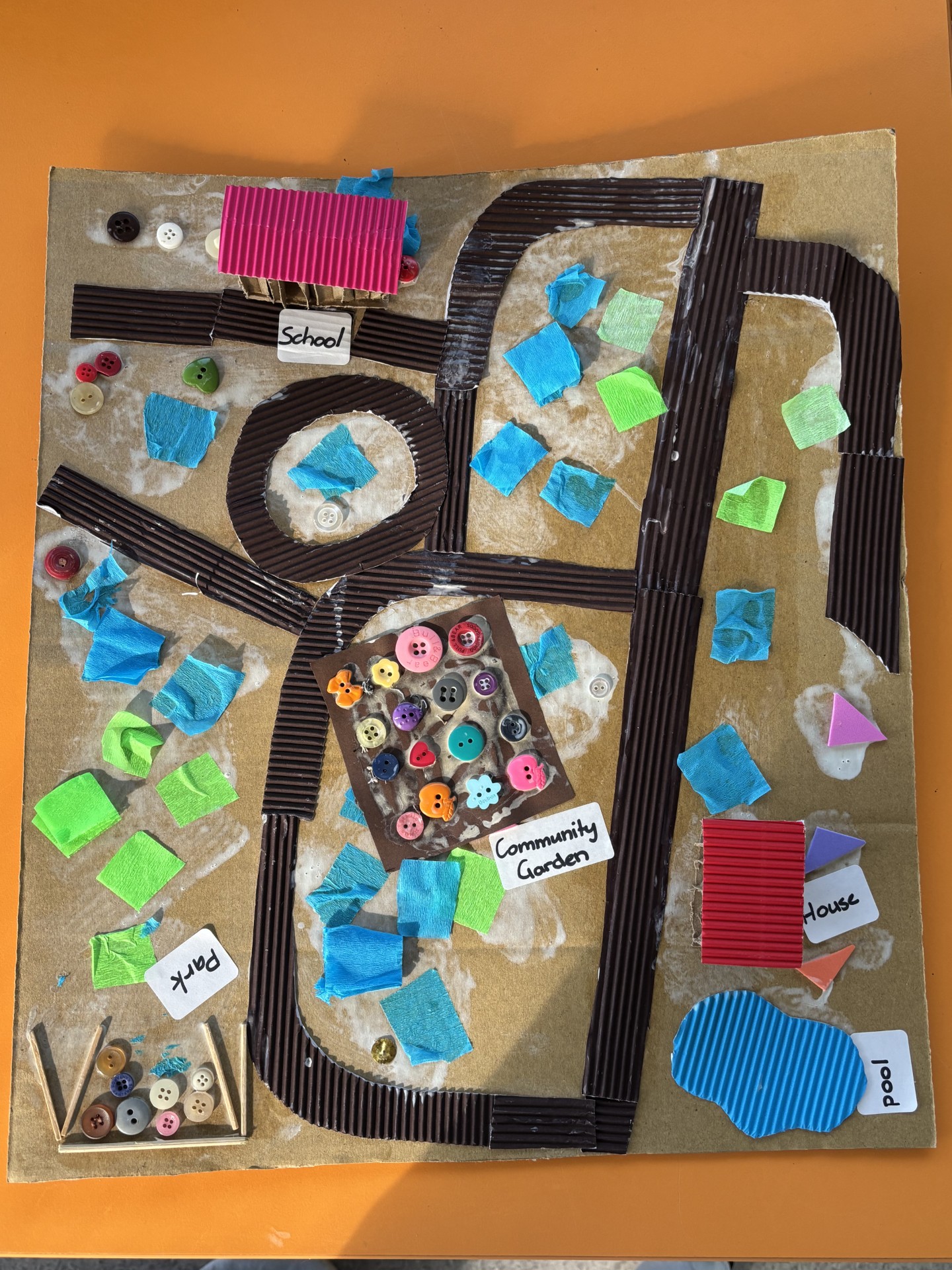
Arial views of communities made though crafts by the St Peters P-2 students. Examples see buttons used to show crops in gardens, and matchsticks to indicate a bridge over a blue cellophane waterway.
St Peter’s students in Years P–2 have been exploring what makes a community through an engaging hands-on learning project. Over recent weeks, classes have focused on understanding different types of communities, including rural areas such as Halifax, while identifying key features like schools, houses, parks, shops, libraries, churches, roads and water supplies.
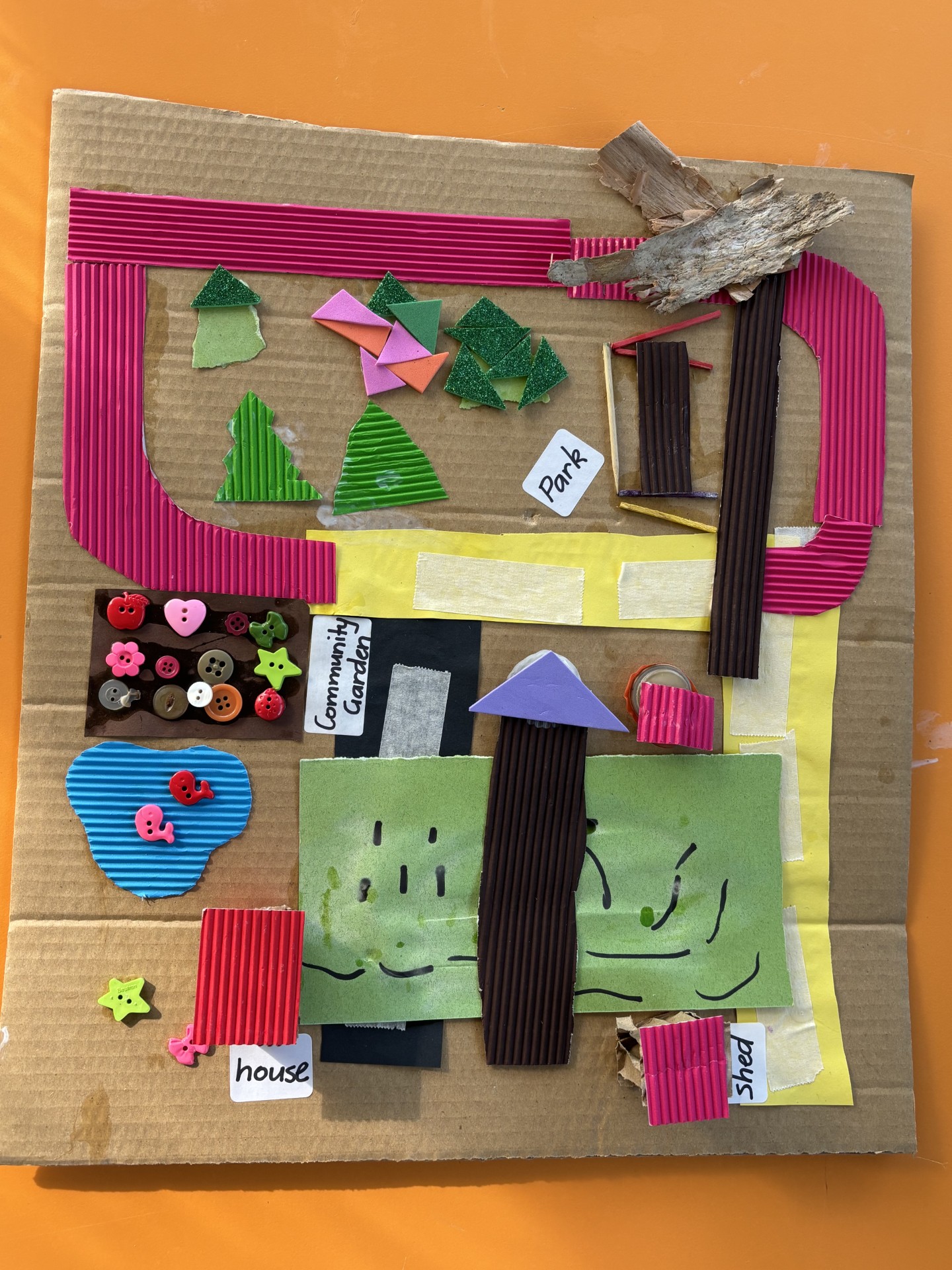
Using recyclables, craft materials and their imagination, students researched and designed their own bird’s-eye-view models of rural communities. The activity encouraged creativity while helping students recognise how important landmarks and spaces are organised within a community.
The project also supports early geography skills, as students learn to interpret maps, globes, and images. By locating where they live within Australia and connecting it to a broader global context, students are developing a deeper understanding of place and scale.
The project highlights how hands-on learning can bring geography to life in meaningful and memorable ways.
Publishers Indemnity. Any individual or entity that places advertising, supplies copy material, or submits editorial content to Life Publishing agrees and undertakes to ensure that all such material:- Does not infringe upon any copyright, trademark, or other intellectual property rights;- Is free from any content that could be considered defamatory, libelous, or slanderous;- Does not infringe upon any rights related to privacy or breach of confidence;- Contains no obscene, indecent, or otherwise unlawful material;- Complies fully with the Trade Practices Act and all other applicable laws, regulations, or statutes. Furthermore, by submitting or placing such material, these individuals or entities agree to indemnify and hold harmless the publisher, Life Publishing and Events Pty Ltd, and/or its agents from and against any and all investigations, claims, demands, liabilities, damages, costs, or judgments arising out of or in connection with the material provided. All material is believed to be accurate at the time of printing and remains the copyright of Life Publishing and Events Pty Ltd.
© 2026 Life Publishing Group Ltd.