Independently Owned, Locally Grown, Community Loved

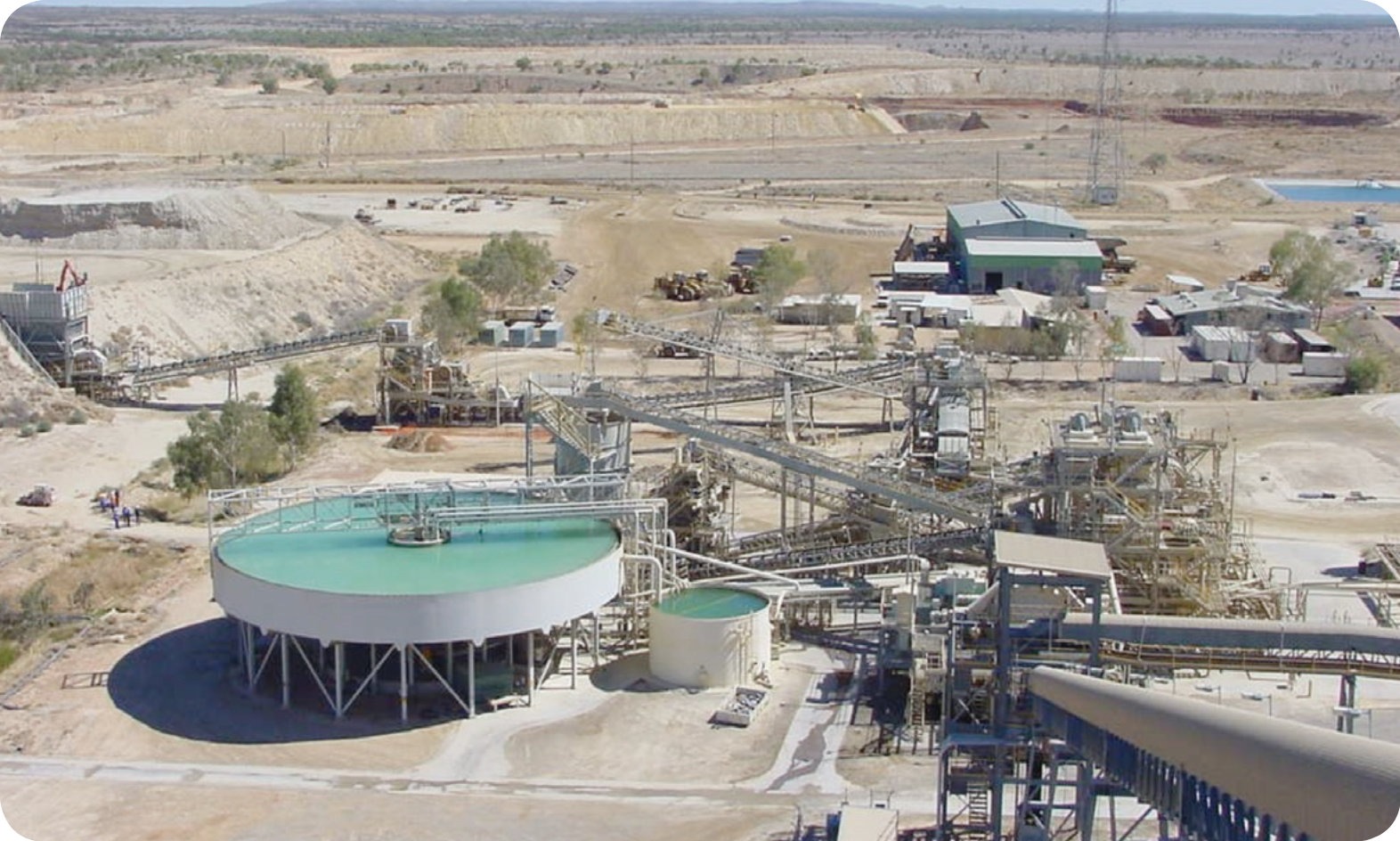
Phosphate Hill. Photo sourced: Incitec Pivot Fertilisers
The future of fertiliser supplies for Herbert cane growers has received a major boost after the Federal and State governments announced a jointly funded $160 million loan package to secure the ongoing operation of the Phosphate Hill fertiliser facility.
The agreement follows the sale of Phosphate Hill to Mayfair and is expected to safeguard the nation's only domestic ammonium fertiliser producer while protecting hundreds of regional jobs.
For Hinchinbrook, the announcement provides confidence that locally produced phosphate will continue supplying fertiliser blends used extensively across the district's cane farms.
Member for Hinchinbrook Wayde Chiesa welcomed the announcement.
"This is what securing the future looks like. The Crisafulli Government's $160 million commitment to secure Phosphate Hill is fantastic news for North and North West Queensland.
“It shows the Government is backing our communities, protecting regional jobs and investing in industries that matter. Phosphate Hill produces around one million tonnes of fertiliser each year and is a critical part of Australia's sovereign manufacturing capability. This is about securing industry, supporting regional development and providing confidence for our future."
Hinchinbrook Shire Mayor Ramon Jayo, who is also a local cane farmer, said the continued operation of Phosphate Hill was vital for the district because of its reliance on phosphate fertiliser.
"I am very pleased to see that Phosphate Hill will continue operating following considerable negotiations, as it plays an integral role in producing the phosphate component used in fertiliser blends that are applied extensively throughout our district due to the nature of our phosphate-deficient soils."
Mayor Jayo said fertiliser produced from the facility formed a key part of the local agricultural supply chain.
"Phosphate product from Phosphate Hill, as well as being exported overseas, is blended with urea at the Port of Townsville to create fertiliser blends used by our farmers."
He said retaining domestic production would help shield growers from volatile international markets.
"The fact that this product will continue to be sourced domestically, rather than imported from overseas, will help ensure costs to farmers remain lower and less volatile than what has been experienced with urea over recent years."
"The ability to continue sourcing phosphate from our wider region rather than overseas is a good gain for our district, and we look forward to governments continuing to work with the industry to further drive prices down through the reduction of energy costs, particularly gas, for the benefit of our regional industries."
Mayor Jayo said the importance of domestic fertiliser production had become increasingly apparent following the closure of Australian urea manufacturing and recent global supply disruptions.
"Many would remember that it was not that long ago that urea was produced in Brisbane until high energy costs led to those operations closing, forcing greater reliance on imports from overseas."
"More recently, global supply pressures and conflicts in the Middle East have contributed to significant price increases."
"Our country, let alone our region, needs to avoid this if farmers are to remain sustainable."
He said local representatives had been advocating for the facility since uncertainty emerged around the future of the Mount Isa operations last year.
"When concerns about the future of the Mount Isa operations first emerged last year, I joined a North West Queensland delegation in Canberra to highlight the impacts any closure could have on regional communities, industry and agriculture."
"One of the key issues raised was the importance of maintaining local fertiliser supply chains and protecting the industries that support them."
"This announcement not only secures an important facility for regional Queensland, it also provides greater certainty for farmers, local industry and the broader economy into the future."
The joint government package will support the modernisation of the Phosphate Hill facility and provide assistance to manage rising sulphur costs, which have increased sharply due to conflict in the Middle East. The agreement is expected to secure more than 500 direct jobs at Phosphate Hill while also supporting the ongoing operation of the Mount Isa Copper Smelter and Townsville Refinery, which rely on the facility as part of North West Queensland's interconnected industrial network.
Publishers Indemnity. Any individual or entity that places advertising, supplies copy material, or submits editorial content to Life Publishing agrees and undertakes to ensure that all such material:- Does not infringe upon any copyright, trademark, or other intellectual property rights;- Is free from any content that could be considered defamatory, libelous, or slanderous;- Does not infringe upon any rights related to privacy or breach of confidence;- Contains no obscene, indecent, or otherwise unlawful material;- Complies fully with the Trade Practices Act and all other applicable laws, regulations, or statutes. Furthermore, by submitting or placing such material, these individuals or entities agree to indemnify and hold harmless the publisher, Life Publishing and Events Pty Ltd, and/or its agents from and against any and all investigations, claims, demands, liabilities, damages, costs, or judgments arising out of or in connection with the material provided. All material is believed to be accurate at the time of printing and remains the copyright of Life Publishing and Events Pty Ltd.
© 2026 Life Publishing Group Ltd.