Independently Owned, Locally Grown, Community Loved

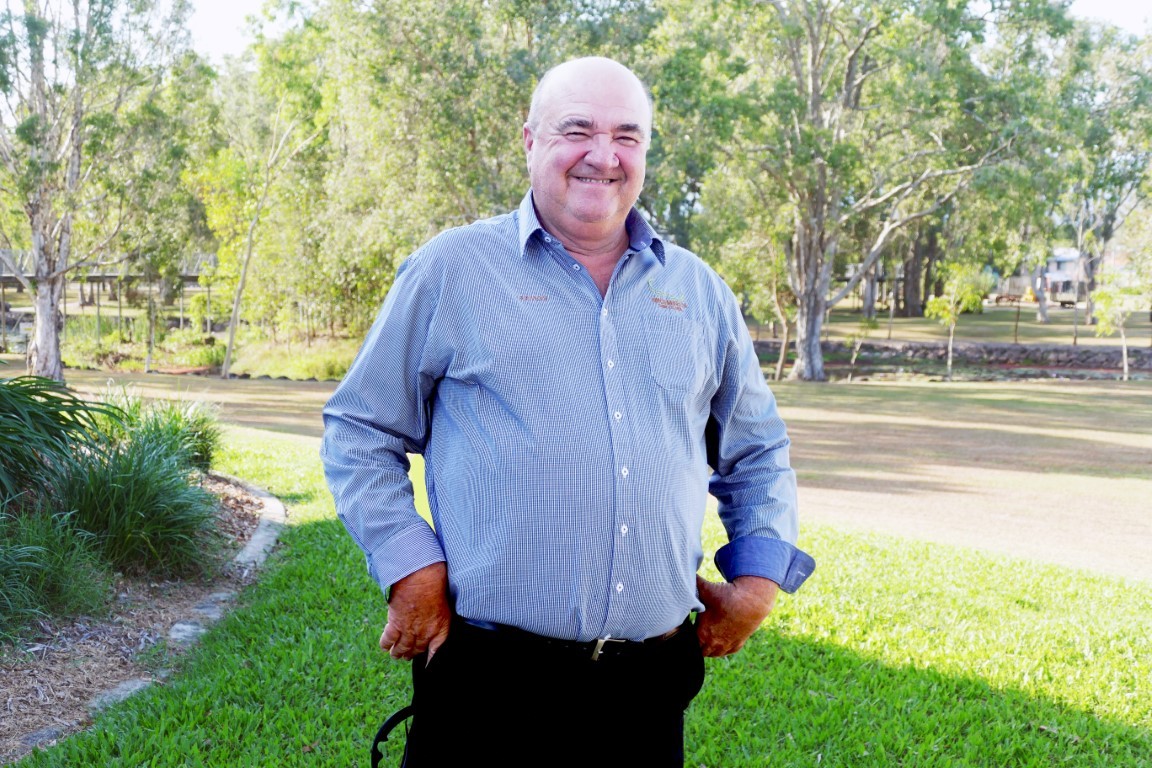
I recently attended the Queensland Local Government Annual Conference held in Cairns, a conference where all 77 Queensland councils come together for the purpose of discussing and determining policy and position on matters of interest to our collective communities. This year saw a total of 133 motions debated, ranging from the need to secure better funding from upper levels of government for road network improvements through to State law changes in animal, planning and building issues, to name a few.
Queensland local governments endeavour to make our communities great places to live and work for a good and sustainable future. That is why a lot of advocacy goes on with upper levels of government when we in local government think we are being shortchanged on many issues, including adequate resourcing. For instance, local government is once again at odds with the Australian Federal Government over the proposed Working Holiday Maker Programme second and third year caps due solely to the potential consequences for our North Queensland and Far North Queensland communities.
We are asking the Federal Government to carefully assess rural consequences before implementing nationally determined restrictions on Working Holiday Maker visas, particularly in regions where these workers support seasonal industries, tourism and local communities such as ours. The science is telling us that the numbers will drop because of the cap, making our businesses struggle for staff to service the communities.
What many do not realise is that the Working Holiday Maker program not only provides a mobile workforce for industries with seasonal or variable demand but also generates visitor spending within the communities, as it is well known the visitors do play within the communities in which they are situated for work, albeit for short periods of time.
This advocacy follows closely behind the campaign recently waged by local government over proposed funding cutbacks to disaster recovery arrangements in Queensland. Thankfully, the Federal Government finally acknowledged our concerns and withdrew the proposed changes.
And finally, it is very pleasing to see our Works for Queensland construction projects getting underway after what seems a very lengthy planning and procurement process. As many of you would be aware, securing skilled workers and essential construction materials is, for whatever reason, taking longer and becoming more difficult in the current environment we live in.
First cab off the rank is the Lynch Street pump track and half basketball court and I see that, as well as construction, the works are causing quite some discussion within the community as to location. The location was chosen due to flood resilience. Costs to repair or reinstate damaged community assets due to regular flooding are becoming unsustainable. Just like your own household insurance, Council is also experiencing rises in premiums that must be paid for through your rates. To mitigate against continuing increases, we must think smarter and establish future infrastructure in a more resilient manner into the future where possible.
The land adjacent to the Lynch Street development, previously owned by Queensland Rail, is and has always been zoned for recreational purposes and the establishment of the park for children's activities and sport is consistent with that zoning.
Stay tuned for more project releases coming out soon.
Publishers Indemnity. Any individual or entity that places advertising, supplies copy material, or submits editorial content to Life Publishing agrees and undertakes to ensure that all such material:- Does not infringe upon any copyright, trademark, or other intellectual property rights;- Is free from any content that could be considered defamatory, libelous, or slanderous;- Does not infringe upon any rights related to privacy or breach of confidence;- Contains no obscene, indecent, or otherwise unlawful material;- Complies fully with the Trade Practices Act and all other applicable laws, regulations, or statutes. Furthermore, by submitting or placing such material, these individuals or entities agree to indemnify and hold harmless the publisher, Life Publishing and Events Pty Ltd, and/or its agents from and against any and all investigations, claims, demands, liabilities, damages, costs, or judgments arising out of or in connection with the material provided. All material is believed to be accurate at the time of printing and remains the copyright of Life Publishing and Events Pty Ltd.
© 2026 Life Publishing Group Ltd.