Independently Owned, Locally Grown, Community Loved
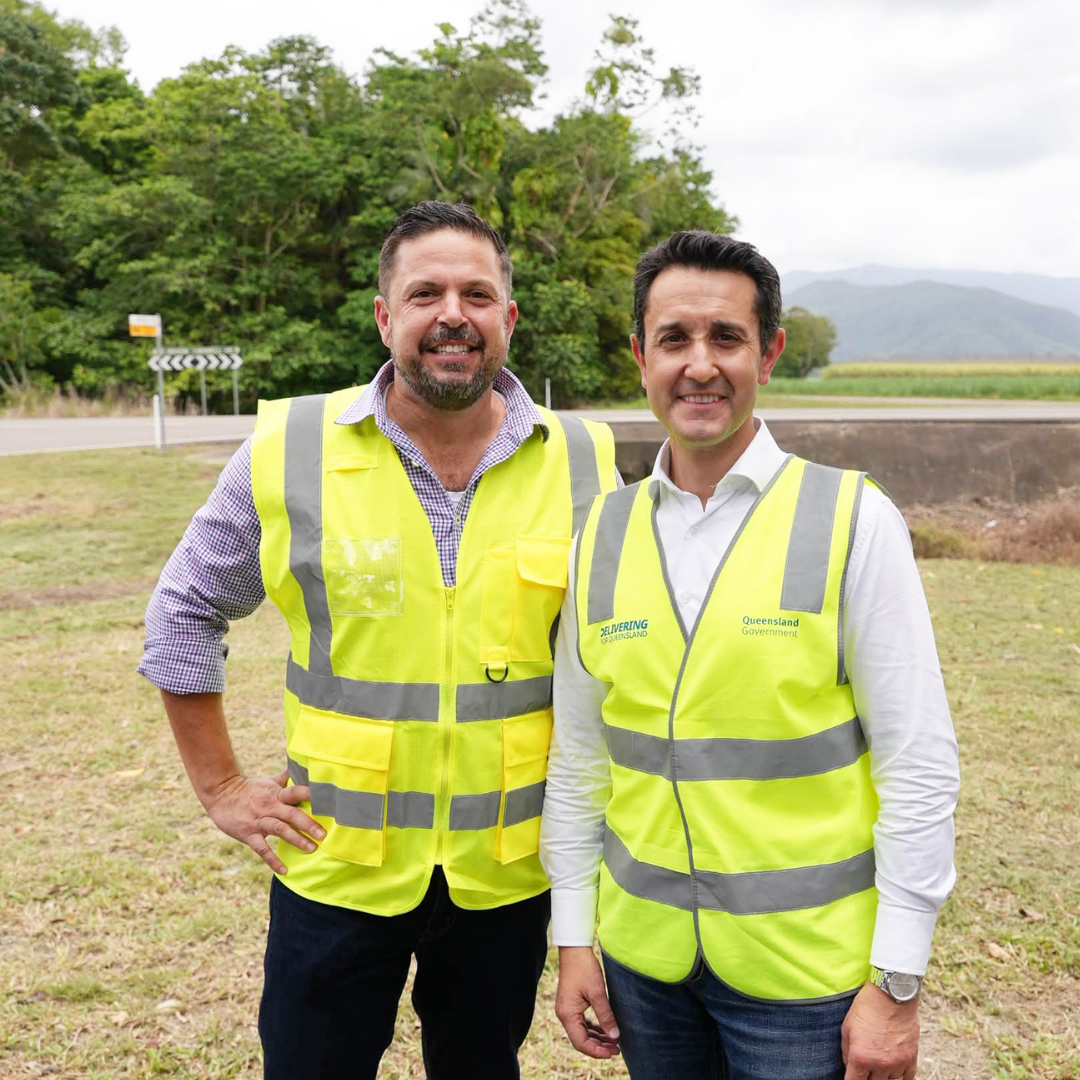

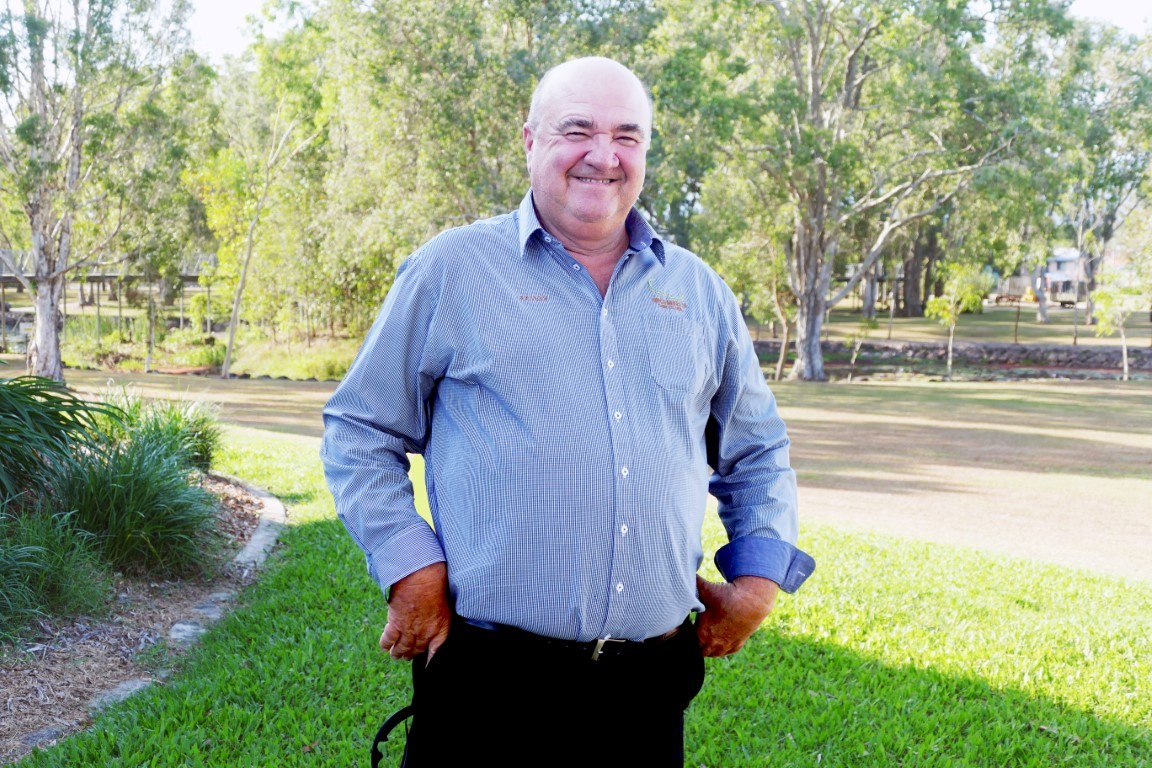
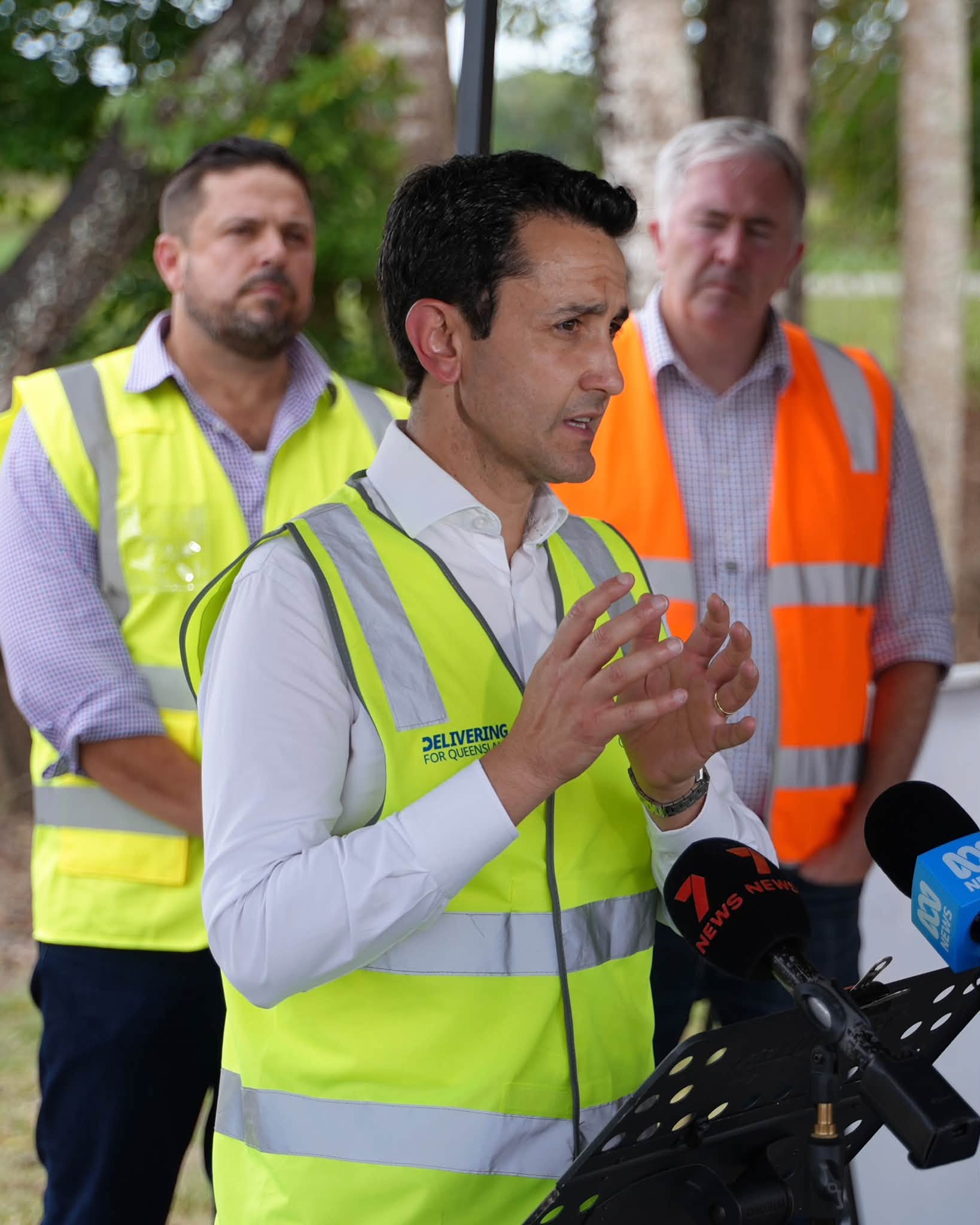
A very important piece of work being undertaken by the Queensland Government at the moment is the Review of the North Queensland Regional Plan.
A Regional Plan is essentially a suite of policies and statutory instruments intended to guide land use planning and development in a manner consistent with the State Government’s strategic intent. Local Government must have regard to the Regional Plan when developing, amending, or adopting local council planning schemes, which are the primary instruments dictating and enabling various land use practices within respective local government areas.
The renewal of the North Queensland Regional Plan is driven by a clear intent: to ensure that the region’s long-term planning framework remains contemporary, resilient, and responsive to the evolving needs of communities, industries, and the environment. This update reflects the State’s commitment to supporting sustainable growth while safeguarding the unique social, economic, and environmental values of North Queensland.
A very strong focus of the previous Regional Plan was the protection of Prime Agricultural Areas (PAAs) from non-agricultural activities. There is no doubt that agricultural land must be protected; however, provision needs to be made for non-agricultural activities to be established on prime agricultural land when good reason and pressing circumstances exist.
As you would appreciate, most of our district is classified as prime agricultural land, and the previous Plan enabled non-agricultural uses to proceed within PAAs only if the new use was complementary to agriculture and served to add value to agricultural activities (for example, a new sugar mill industrial development in the cane fields), and for no other reason.
We are advocating for this position to be changed to recognise the largely unique circumstances that exist in our community, namely flooding. We need to be able to offer choice in the establishment of uses such as housing and industrial development in more flood-resilient areas of our district, as circumstances beyond people’s control — such as insurance costs and the escalating expense of raised developments — are changing attitudes. Many people are no longer willing or prepared to operate in environments that may be susceptible to floodwater from even relatively minor events.
We need to be able to offer that choice to enable growth.
While we truly believe that agriculture in our district must be protected, we will pursue exemptions that enable non-agricultural uses, such as industrial and residential development, to be accommodated in appropriate, well-considered, and easily serviceable areas of our district.
Publishers Indemnity. Any individual or entity that places advertising, supplies copy material, or submits editorial content to Life Publishing agrees and undertakes to ensure that all such material:- Does not infringe upon any copyright, trademark, or other intellectual property rights;- Is free from any content that could be considered defamatory, libelous, or slanderous;- Does not infringe upon any rights related to privacy or breach of confidence;- Contains no obscene, indecent, or otherwise unlawful material;- Complies fully with the Trade Practices Act and all other applicable laws, regulations, or statutes. Furthermore, by submitting or placing such material, these individuals or entities agree to indemnify and hold harmless the publisher, Life Publishing and Events Pty Ltd, and/or its agents from and against any and all investigations, claims, demands, liabilities, damages, costs, or judgments arising out of or in connection with the material provided. All material is believed to be accurate at the time of printing and remains the copyright of Life Publishing and Events Pty Ltd.
© 2026 Life Publishing Group Ltd.