Independently Owned, Locally Grown, Community Loved
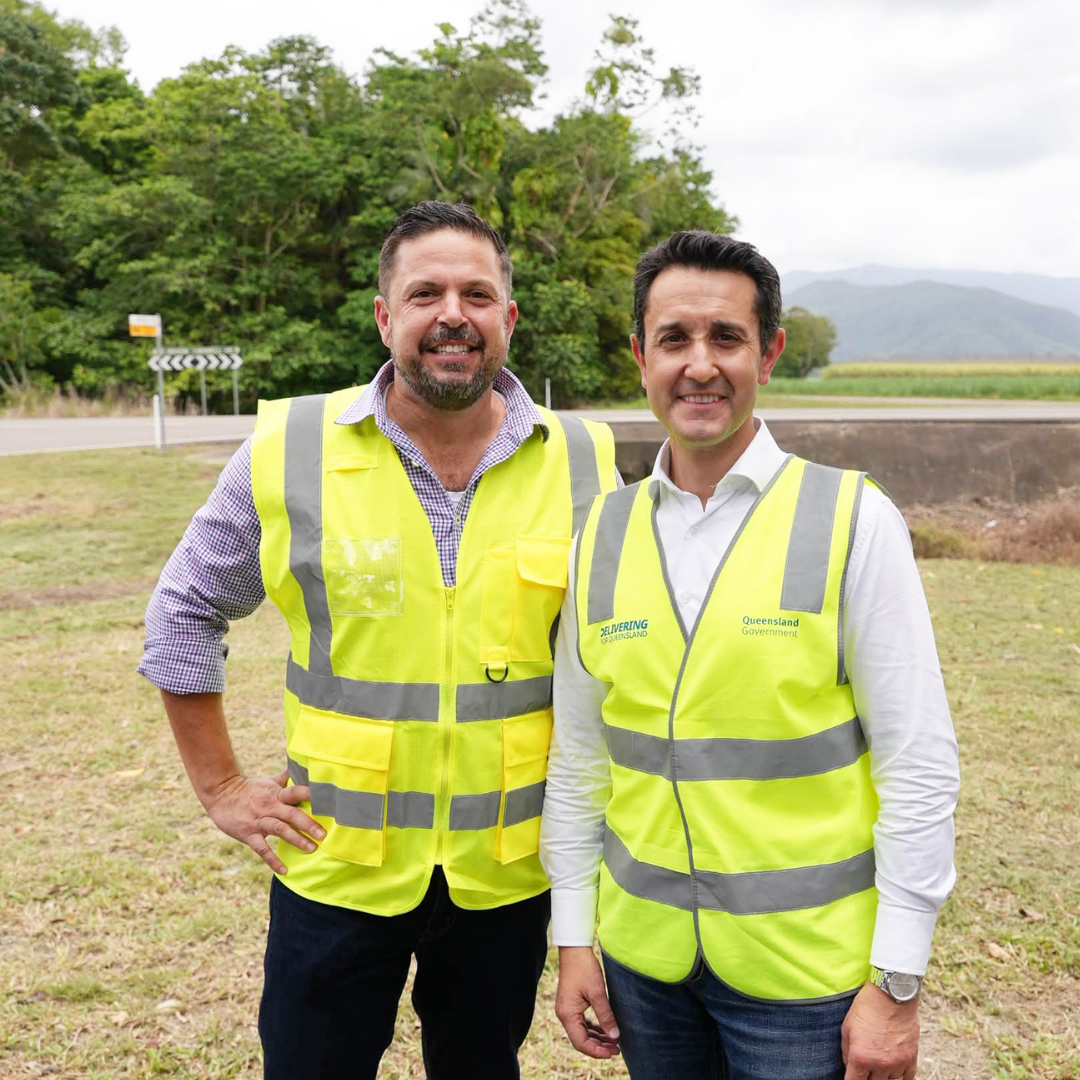


Concerns are mounting over the Federal Government’s proposed changes to disaster recovery funding, with Hinchinbrook Shire Mayor Ramon Jayo warning the move could have significant financial consequences for small regional councils already struggling to recover from natural disasters.
“Councils and communities are already grappling with the impacts of a high cost of living driven by inflation, high fuel prices and, for the farming sector, high fertiliser costs,” he said.
“Councils are being asked to do more with less. This is simply unstainable.”
The concerns come amid growing criticism of the Federal Government's proposed reforms to the Disaster Recovery Funding Arrangements, which would reduce the Commonwealth's contribution towards natural disaster recovery costs. Senator Susan McDonald said Queensland would be the "biggest loser" under the changes, warning communities could face delays to rebuilding roads, bridges and public infrastructure if additional costs are passed on to state governments, councils and ratepayers.
“Regional Queenslanders are once again being victimised by decisions made in Canberra,” Senator McDonald said.
“The Queensland LNP Government has confirmed Queensland is the worst off in the country under these changes, with hundreds of millions of dollars per year being cut from setting up evacuation centres and sandbagging, and disaster resilience works such as raising roads, bridges, and essential infrastructure.”
Senator McDonald warned that if the Federal Government proceeds with the proposed changes, Queenslanders could face higher taxes and increased council rates, while critical infrastructure projects may be delayed and disaster-damaged roads, bridges and community facilities left unrepaired for longer.
“That means roads, bridges, and community facilities will take longer to rebuild, leaving communities to live with the consequences of disasters for years,” she said.
“Regional Australians should not be left to carry the burden alone when disaster strikes.”
While the full impact of the proposal is yet to be determined, Mayor Jayo said Hinchinbrook could not afford to absorb further cost pressures following successive natural disasters and rising operational expenses.
“For a small local authority like ours, with a small rate base and small population, this is simply an additional cost imposition that we cannot afford. We will need to argue strenuously against it.”
Publishers Indemnity. Any individual or entity that places advertising, supplies copy material, or submits editorial content to Life Publishing agrees and undertakes to ensure that all such material:- Does not infringe upon any copyright, trademark, or other intellectual property rights;- Is free from any content that could be considered defamatory, libelous, or slanderous;- Does not infringe upon any rights related to privacy or breach of confidence;- Contains no obscene, indecent, or otherwise unlawful material;- Complies fully with the Trade Practices Act and all other applicable laws, regulations, or statutes. Furthermore, by submitting or placing such material, these individuals or entities agree to indemnify and hold harmless the publisher, Life Publishing and Events Pty Ltd, and/or its agents from and against any and all investigations, claims, demands, liabilities, damages, costs, or judgments arising out of or in connection with the material provided. All material is believed to be accurate at the time of printing and remains the copyright of Life Publishing and Events Pty Ltd.
© 2026 Life Publishing Group Ltd.