Independently Owned, Locally Grown, Community Loved

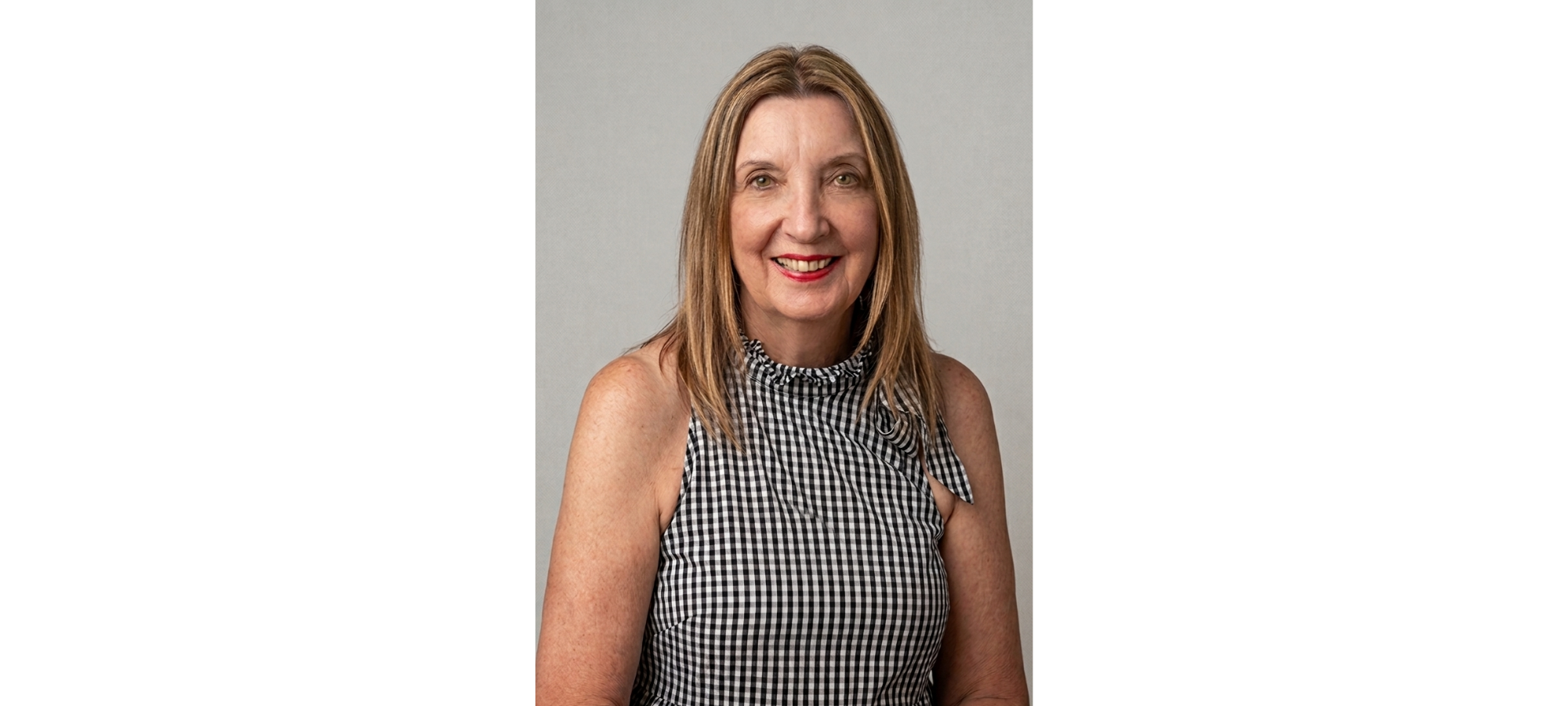
Dr. Bianka Vidonya Balanzategui brings Herbert River’s history to life through her work. Photo supplied
An Interview with Historian & Historical Consultant, Adjunct Lecturer JCU Townsville, Dr. Bianka Vidonja Balanzategui
By Victoria Velton
The Herbert River valley has a rich, deeply entwined Indigenous, Asian and European history, knit together by large-scale farming, migration and hard manual labour.
Dr. Bianka Vidonya Balanzategui brings this history to life through her work, sharing stories of boys and girls who went to school barefoot, and of indentured labourers and farmers who, tanned and tough as leather, worked in the searing sun to establish the vast canefields we see today.
Leaning into her deep connection to the 4850 region and the distinct character of the valley, Dr. Vidonja Balanzategui has spent years uncovering the stories hidden within the district’s past, developing historical accounts, and even sometimes filling in the gaps, researching the figures who shaped the Herbert River into the community it is today.
We spoke to Dr Vidonja Balanzategui about her process and passion for local history.
You have documented so much of the Herbert River district’s history. What is it about this region’s heritage that keeps inspiring you?
I’ve lived here for more than 40 years. I met my husband, came to teach here, married and never left.
What inspires me is the way the Herbert River brings together global sugar industry history and migration. It’s a perfect field for my research interests.
I constantly encounter fascinating stories. There are stories from the past, but there are stories being made today, which will be the stories of the past one day.
Is there a particular piece of local history you’ve uncovered that still fascinates you?
What fascinates me most are the unexpected connections. You might be researching one person and suddenly discover links between families, places and events that you never expected.
The humblest person can have the most fascinating story.
The 4850 area has such a rich multicultural history, how do you approach capturing those stories respectfully?
When I interview people for projects it is important to be upfront about what their stories will be used for and to make sure they are comfortable. Some people are happy to talk and be very frank, while others have had experiences they won’t share, and that’stheir right. You respect that.
It is also important to be non-judgemental and respectful of cultural sensitivities.
Oral history is an important part of preserving a community’s past. How do you balance personal memories with official records?
People’s memories are valuable but imperfect.
You respect what people remember while also checking records to verify against the broader historical context. Oral history gives you the colour and personal detail that official records cannot.
"It’s not my history, it's yours. I am the mouthpiece." Dr. Vidonja Balanzategui
You recently helped condense a century of agricultural history into a feature for the Canegrowers 100-year celebrations. How did you decide what moments to include?
I’m fortunate that I have researched sugar industry history deeply, so I knew the stories and milestones that were important.
I understand the industry not only academically, but personally. My father was a Displaced Person and cane cutter; my father-in-law was a sugar farmer and heavily involved with Canegrowers, and I married a cane farmer.
You’ve worked on academic publications, but you also write for local audiences. How does your approach change depending on who you are writing for?
You always have to think about your audience.
With academic writing you are under scrutiny from your peers for the rigour of your research. When writing for the community you need to make it accessible without “dumbing it down”.
People love seeing names they recognise because it makes them feel connected to the history.
Have you ever published something and then had a local reader provide a missing piece of the puzzle?
Absolutely. History as a story is always evolving.
People add information or provide a photograph or memories that change what we know.
I’ve been corrected and I have a responsibility to consider that new information and verify it. Our understanding grows with new information coming forward.
The story of Caterina Cordelia is an example. There have also been times where research has helped give recognition to people who were overlooked. Ensuring their stories are acknowledged can be incredibly meaningful.
Where should amateur historians start if they want to explore their family history or the history of their property?
Start with your local history collection at the library.
Local history groups and family history groups are full of knowledge, and resources. There are people in this district who have spent years collecting and preserving stories. I recommend resources like TROVE, and state and national archives which provide access to old newspapers, photographs and records.
In a world where everything moves so quickly, why is it important for communities to document and celebrate their local heritage?
I record history for posterity. Buildings disappear, memories fade, and people pass away. If we don’t the record stories of past people, places and artefacts, they vanish out of memory.
Keeping those stories alive pays tribute to the people who came before us, respecting and valuing their experiences.
Publishers Indemnity. Any individual or entity that places advertising, supplies copy material, or submits editorial content to Life Publishing agrees and undertakes to ensure that all such material:- Does not infringe upon any copyright, trademark, or other intellectual property rights;- Is free from any content that could be considered defamatory, libelous, or slanderous;- Does not infringe upon any rights related to privacy or breach of confidence;- Contains no obscene, indecent, or otherwise unlawful material;- Complies fully with the Trade Practices Act and all other applicable laws, regulations, or statutes. Furthermore, by submitting or placing such material, these individuals or entities agree to indemnify and hold harmless the publisher, Life Publishing and Events Pty Ltd, and/or its agents from and against any and all investigations, claims, demands, liabilities, damages, costs, or judgments arising out of or in connection with the material provided. All material is believed to be accurate at the time of printing and remains the copyright of Life Publishing and Events Pty Ltd.
© 2026 Life Publishing Group Ltd.