Independently Owned, Locally Grown, Community Loved

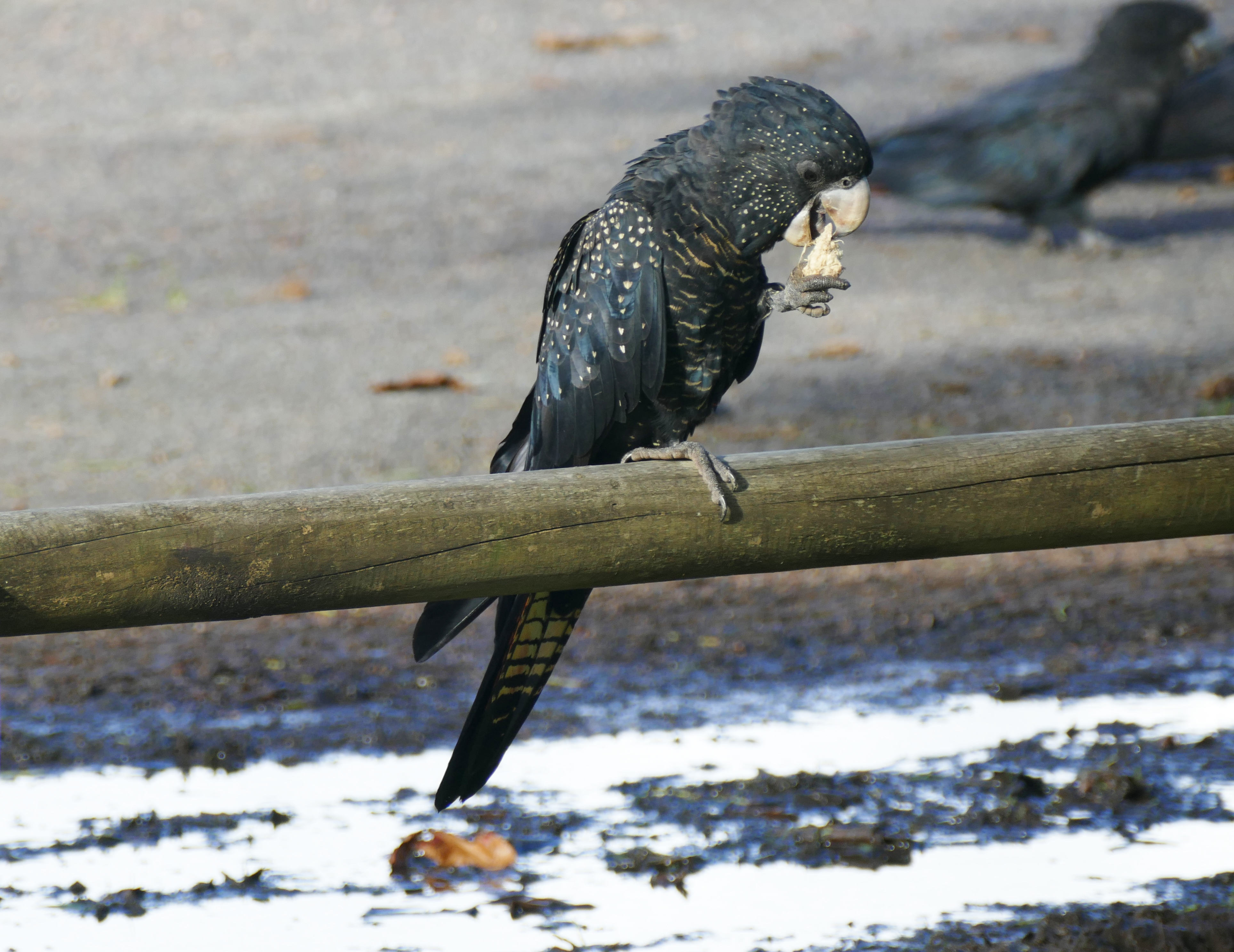
While the overall threatened status of the Red-tailed Black-Cockatoo is listed as “Least Concern” in the EPBC act, the South-eastern Red-tailed Black-Cockatoo is listed as ‘Endangered’ and the ‘Forest Red-tailed Black-Cockatoo’ of WA is listed as ‘Vulnerable’. A Red-tailed Black-Cockatoo feeding at Forrest Beach. Photo credit: Victoria Velton
Australia’s unique birdlife is facing a new challenge after the Federal Government confirmed the detection of H5N1 avian influenza, commonly known as bird flu, in a migratory Brown Skua found in south-west Western Australia. The detection marks the first confirmed arrival of this strain in Australia.
While the virus has not yet been detected in Queensland, local wildlife groups and authorities are reminding residents and visitors to be aware of the signs of illness in birds and avoid contact with sick or deceased wildlife.
Across the world, H5N1 has caused significant impacts, with millions of wild birds and tens of thousands of mammals affected. Australia is home to some of the world’s most distinctive bird species, many of which rely on healthy ecosystems to survive. Around one in six Australian bird species is already considered threatened with extinction, highlighting the importance of protecting habitats and supporting wildlife resilience.
Residents are reminded not to handle sick or dead birds or wildlife. If you spot affected animals, record what you observe where safe to do so, including the species, location, date, time and number of animals affected. Do not touch or collect the birds, report it.
Sightings of sick or deceased wildlife can be reported to the Emergency Animal Disease Hotline on 1800 675 888, available 24 hours a day, seven days a week.
Human infections from avian influenza remain rare in Australia. Overseas cases have generally occurred following close contact with infected birds, animals or contaminated environments. People who develop flu-like symptoms after handling birds or wildlife should seek medical advice.
Anyone who works with or is regularly in close contact with birds is encouraged to stay up to date with their influenza vaccination. While the seasonal flu vaccine does not protect against bird flu, it does help reduce the risk of becoming unwell with both viruses at the same time.
For more information, please visit the Australian Centre for Disease Control website.
(Information provided with thanks by the Hinchinbrook Local Disaster Management Group & BirdLife Australia)
Publishers Indemnity. Any individual or entity that places advertising, supplies copy material, or submits editorial content to Life Publishing agrees and undertakes to ensure that all such material:- Does not infringe upon any copyright, trademark, or other intellectual property rights;- Is free from any content that could be considered defamatory, libelous, or slanderous;- Does not infringe upon any rights related to privacy or breach of confidence;- Contains no obscene, indecent, or otherwise unlawful material;- Complies fully with the Trade Practices Act and all other applicable laws, regulations, or statutes. Furthermore, by submitting or placing such material, these individuals or entities agree to indemnify and hold harmless the publisher, Life Publishing and Events Pty Ltd, and/or its agents from and against any and all investigations, claims, demands, liabilities, damages, costs, or judgments arising out of or in connection with the material provided. All material is believed to be accurate at the time of printing and remains the copyright of Life Publishing and Events Pty Ltd.
© 2026 Life Publishing Group Ltd.