
Independently Owned, Locally Grown, Community Loved
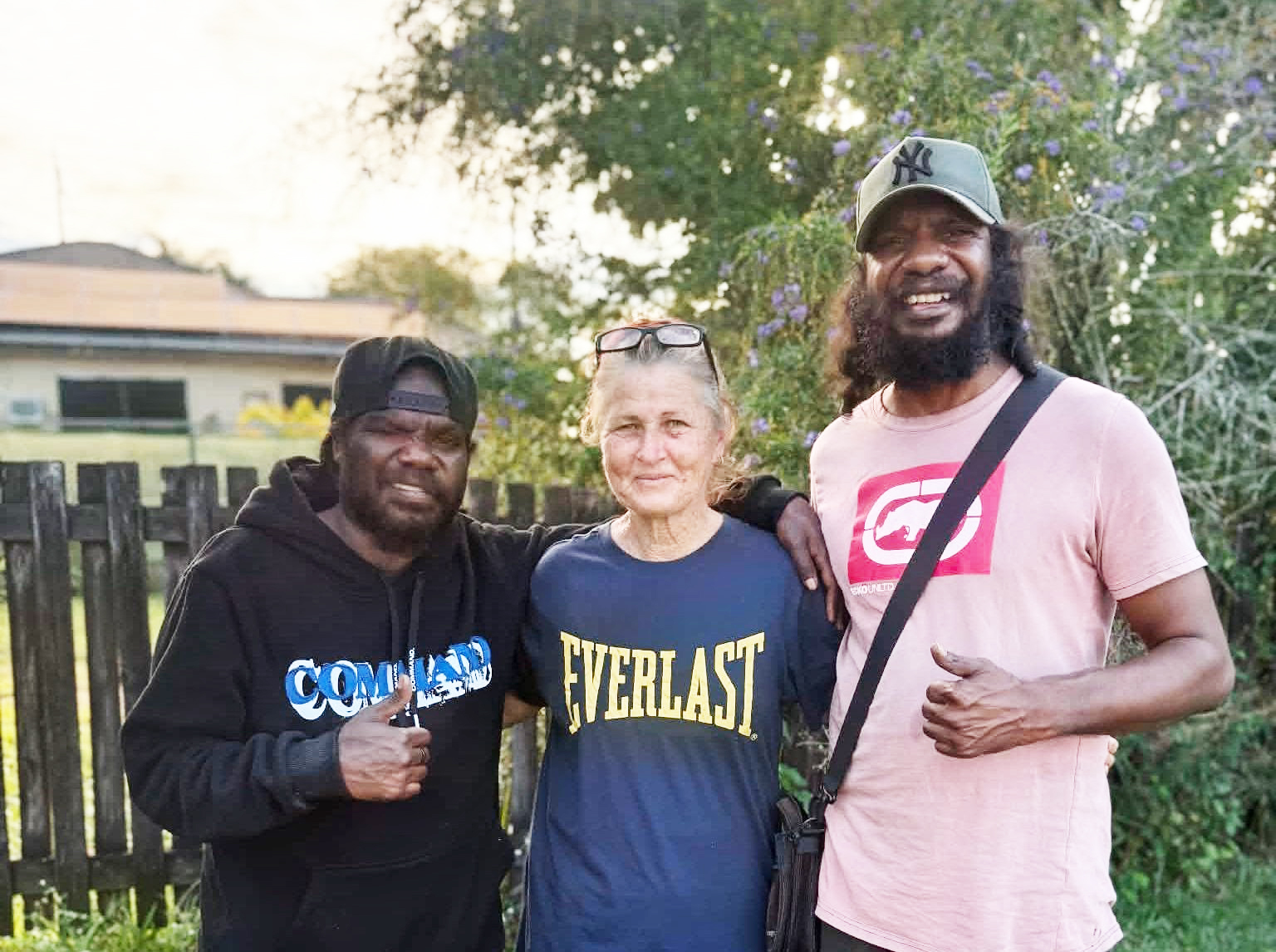
Two local women have been recognised with the Medal of the Order of Australia (OAM) for their outstanding dedication to community service, with one working in nursing and the other in foster care. Both recipients have spent years quietly supporting others, giving their time, care and compassion to those in need without expectation of recognition. Their awards acknowledge a lifetime of service that has made a lasting impact across the community.
Read the full story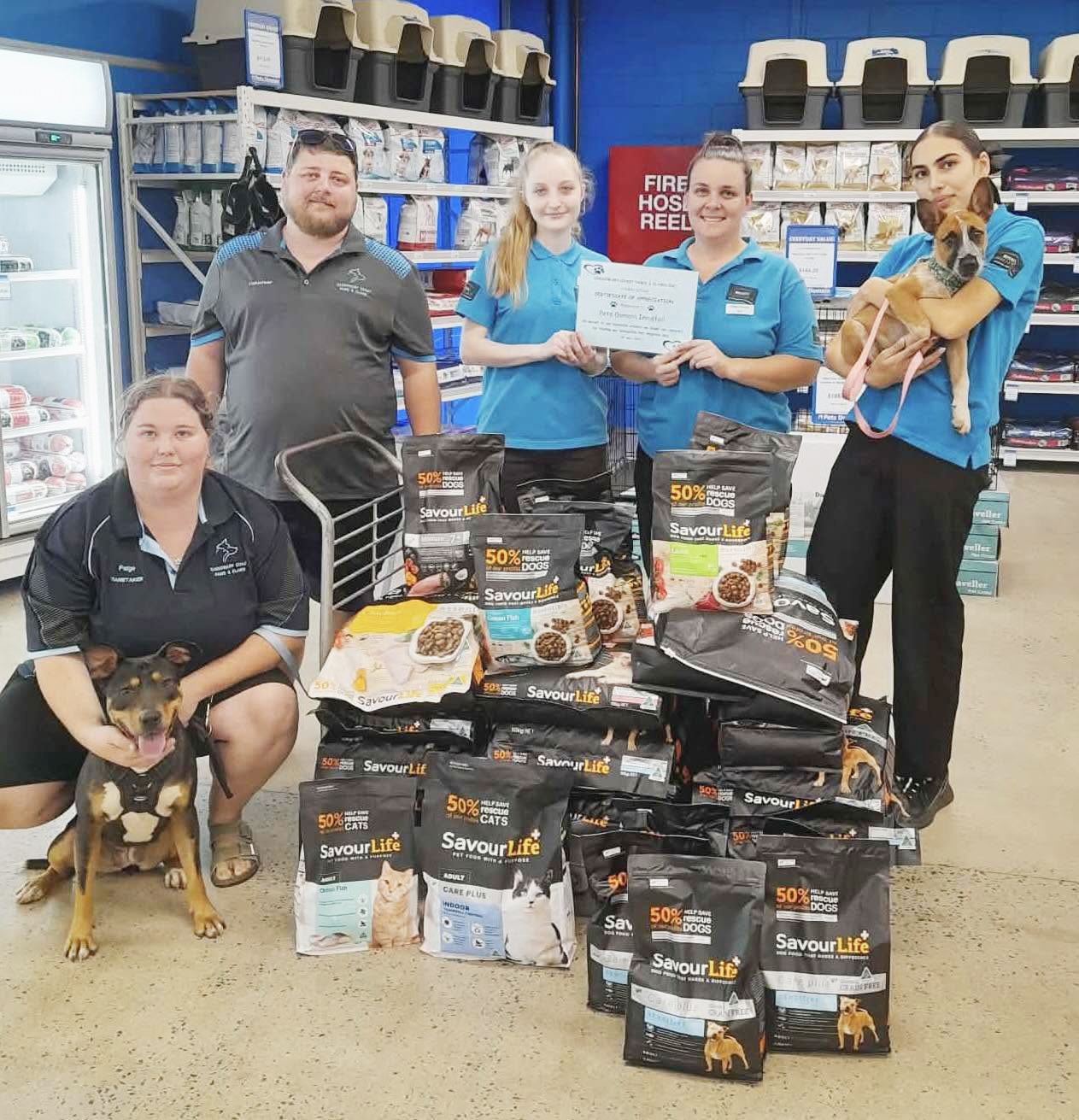
Cassowary Coast Paws and Claws Inc has thanked the community for helping make the SavourLife Pet Adoption Day a huge success, with local generosity translating into much-needed support for animals in care. The volunteer-run not-for-profit animal shelter joined Pets Domain Innisfail on 30th May for the special event, bringing together pet lovers and supporters of animal welfare. A big thank you goes to everyone who purchased a bag of SavourLife pet food on the day. For every bag purchased, SavourLife donated an additional bag of food, helping double the impact of the community’s support. The shelter also extended its gratitude to Pets Domain Innisfail for hosting the event and welcoming the organisation into the store, as well as SavourLife for its generous contribution of dog and cat food. These donations will help provide essential supplies for animals awaiting their forever homes and support the ongoing work of Cassowary Coast Paws and Claws Inc. As a volunteer-run organisation, the shelter relies heavily on the kindness and generosity of the local community to continue caring for animals in need. The team said they were incredibly grateful for everyone who attended, donated and helped support the cause, proving that small acts of kindness can make a big difference for local pets. Caption: The Cassowary Coast Paws and Claws volunteers alongside the Pets Domain Innisfail team and the donated SavourLife pet food. Photo source: Cassowary Coast Paws and Claws Inc
Read the full story
Finding the right vehicle close to home is important for local drivers, and FNQ Motor Group helps keep the process simple and accessible for customers across Tully, Innisfail and the wider Cassowary Coast region. With dealerships in Tully and Innisfail, FNQ Motor Group offers a wide range of new, demonstrator and pre-owned vehicles, along with finance options, servicing and parts support. The team understands the needs of regional drivers, from families searching for their next vehicle to locals needing a reliable work ute or a dependable run-around people mover for everyday life. With a focus on customer care and building long-term relationships, FNQ Motor Group has become a trusted name for drivers throughout the region. Whether you are upgrading, searching for your first vehicle or keeping your current car running smoothly, the team is ready to assist with local knowledge and a broad range of options. The dealerships regularly carry a diverse selection of vehicles to suit different lifestyles, including practical family cars, capable SUVs, work vehicles and models designed for weekend adventures. With a changing range of stock available, customers can explore options that match their needs, budget and driving habits. The FNQ Motor team can also help customers compare models, arrange test drives and find a vehicle that suits their day-to-day requirements. From busy family schedules to rural driving conditions, FNQ Motor Group understands what local motorists need. Supporting communities from Tully through to Innisfail, FNQ Motor Group continues to provide motorists with convenient access to quality vehicles and professional service close to home.
Read the full story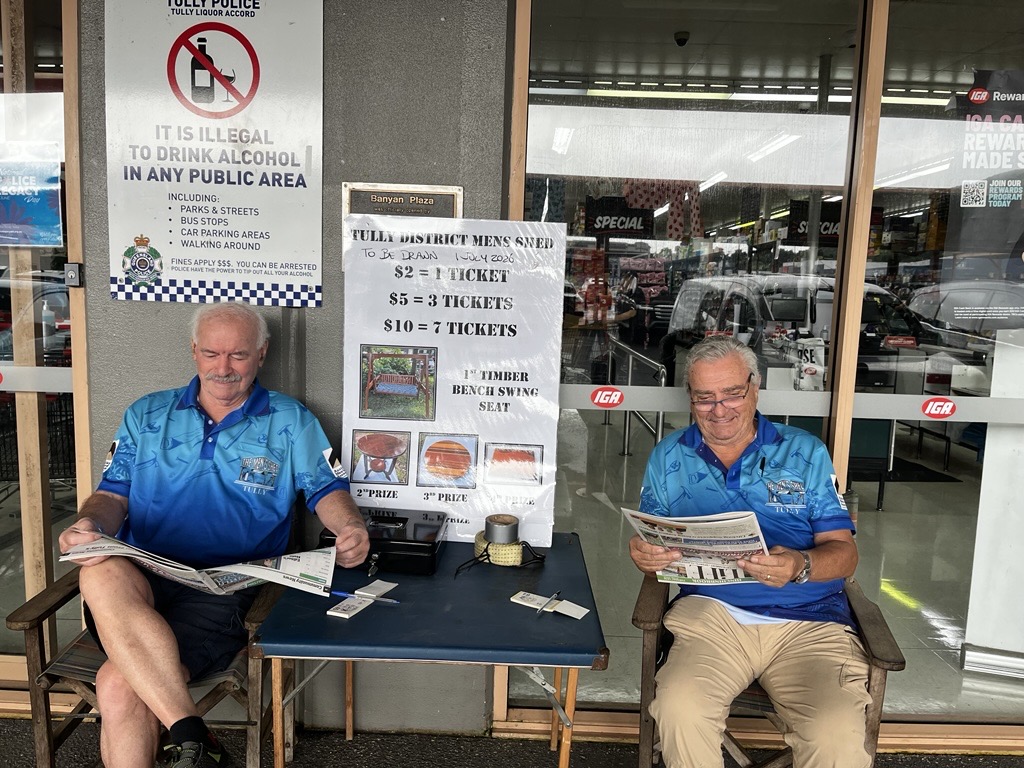
We were thrilled to see locals picking up a copy of our first edition of Cassowary Life. Pictured are our very first readers – two lovely gentlemen from the men’s shed in Tully Thanks for the warm welcome, Cassowary Coast!
Read the full story

Prep: 10min | Cook: 25min | Serves 4
Ingredients
600g cauliflower, cut into florets
2 zucchini, coarsely chopped
6 Medjool dates, pitted, quartered
1 tbsp olive oil
1 tbsp finely grated fresh ginger
2 tsp finely grated fresh turmeric
2 garlic cloves, crushed
2 tsp ground cumin
205g (1 cup) raw buckwheat
1/4 cup fresh mint sprigs
Lemon wedges, to serve
130g (1/2 cup) natural yoghurt
Method
Preheat oven to 200°C/180°C fan forced. Line a baking dish with non-stick baking paper. Scatter the cauliflower, zucchini and dates in the prepared dish. Drizzle with the oil. Add the ginger, turmeric, garlic and cumin. Toss well to coat. Season. Roast for 25 minutes or until golden and tender.
Meanwhile, cook the buckwheat in a saucepan of boiling water following the packet directions. Then drain. Note: You can add 1 tsp of vegetable stock powder to the buckwheat when cooking to enrich the flavour.
Serve the roasted vegetables sprinkled with buckwheat, mint and lemon wedges, and topped with yoghurt.
Great dish to serve at functions, accompanied with light meats like fish. You can even melt cheese over the top if you're feeling a bit naughty!

Kindness and community spirit are alive and well at Terry & Mamiko’s Cafe in Cardwell. Their 11th community tip jar has raised $122.35 for the Cardwell SES, a volunteer group dedicated to supporting the region in times of need.
Though it is a small jar, it continues to fill with the generosity of customers. Every coin and note collected goes towards helping local organisations that make a real difference in the community. The SES volunteers certainly appreciate this latest show of support.
The giving does not stop there. The cafe’s 12th community tip jar is now raising funds to support the Velocity Raptors from Gilroy Santa Maria College, Ingham. This talented team will soon head to Germany to compete in the world championships. One of their members is Nate, son of popular local educator Miss Suzette from Cardwell Early Learning.
There is also a donation jar in store to support the Cardwell Country Club’s Breast Cancer Awareness fundraiser, ahead of the Pink Party on Saturday 21st of June.
Next time you pop in, why not drop in some spare change? Every little bit goes towards an importand local cause!


The Ingham Show is back with a program packed full of entertainment, and once again the fan-favourite dog competitions are sure to draw big crowds.
If you have a pouncy pooch or a dashing dachshund, now is the time to get your fur-babies involved. On Friday, 27th June, the much-loved Wienerpalooza will take centre stage. The fun kicks off at 10:30am with the Sausage Dog Fancy Dress parade, followed by the famous Dachshund Derby big race at 11:00am.
There are two fun categories for these loveable long boys: Best Dressed and Fastest Dog of the Derby. Entry for sausage dogs is $10.
For those with high-energy pups, do not miss the Dog High Jump, taking place in the main arena on Thursday night, 26th June, from 6:30pm in the Centre Ring. Cattle dogs, Collies and other bouncy breeds always shine in this event. Entry is $15, so get your sky-flyers entries in!
To register for either event, message the Ingham Show Facebook page or text 0402 390 034. There are sashes, trophies and prize money up for grabs.
WHAT: Ingham Show Dog Competitions.
WHEN: Dog High Jump: Thursday, 26th June at 6:30pm & Wienerpalooza: Friday, 27th June from 10:30am.
WHERE: Ingham Showgrounds, Ingham.

Inka is a laid-back and easygoing lady who enjoys lounging around and observing the world around her. She thrives on playtime with her foster siblings and has a harmonious relationship with the variety of animals in her foster family's home.
Inka's friendly nature makes her a hit with kids, and she particularly loves splashing around in the water and trying out new games.
Being a young lady still, Inka is still working on her training but luckily, Inka comes equipt with the best set of listening ears, which makes her an A+ student. So, if you're looking for a playful companion who's ready to fill your days with laughter and love, then Inka is your girl! Let's start our forever adventure together.
Can't wait to meet you! To meet Inka, fill in an inquiry form at: www.angelpawsinc.com.au/forms.html
Included in the adoption fee is DESEXING, MICRO-CHIPPED, up-to-date VACCINATIONS, FLEA/TICK/INTESTINAL WORM treated & on PROHEART.
Adoption: $450
DOB: 3/07/2024 - age 10 months.
Sex: Female
Breed: Bullarab x
Kid friendly: Yes
Cat Friendly: Yes
Other dogs: Yes
Fences: 6ft

Winter is the perfect season to get planting in the garden. If you live in a wet and dry tropical region such as our spot here in Hinchinbrook, North Queensland, there is plenty you can sow now to fill your kitchen with fresh produce during the cooler months.
Many of these crops are exactly what you want on hand for hearty winter meals. Think soups, roasts, tray bakes and big bowls of greens to nourish you through the cold season. Growing your own not only saves money, but it also brings great satisfaction to the table.
Now is the time to plant herbs such as dill, garlic, marjoram, mint, oregano, parsley, rocket, sage, Thai coriander and thyme. They will add wonderful flavour to your dishes and are easy to grow in pots or garden beds.
For fruit and vegetables, sow beans, bok choy, pak choy, broccoli, cabbage, capsicum, carrots, cauliflower, cucumbers, eggplant, kale, lettuce, peas, potatoes, pumpkins, radish, silverbeet, spinach, sweet corn and tomatoes.
Do not forget to plant some colour too. Marigolds, kangaroo paw and sunflowers will brighten the garden and attract helpful pollinators to keep everything thriving.
A well-planted garden now will keep your belly full and your kitchen warm all season long.

Simon Hood, Wilmar Manager Grower Marketing
As factories across our regions ramp up operations for the production season, the global sugar price remains under pressure.
Recent figures from Brazil, the world's largest sugar producer, show a strong fortnight of crushing activity in the second half of May, according to UNICA. Brazil is now just 12% behind its 2024 crushing pace. Its sugar mix reached nearly 52% for the period, bringing the season-to-date balance to an even 50/50 split between sugar and ethanol. Brazil's CCS levels are finally improving after a slow start.
However, one key piece of the Brazil production puzzle remains uncertain: cane yield, or tonnes of cane per hectare. This figure is gathered from various sources, but the industry standard often relies on CTC data. The May report is due soon, and historically, May has marked the peak for yields. Over the past 23 years, average crop yields haven't surpassed the May benchmark, so this next report will be one to watch.
Ethanol parity is another factor influencing the #11 sugar price. There's talk the Brazilian government may raise its ethanol blending mandate from 27% to 30% a 10% increase that could support prices. At the same time, however, Brazil's booming corn ethanol industry continues to add supply, which may offset some of the support for sugar prices. Oil prices - which impact ethanol demand are on the rise, but they remain volatile due to global macroeconomic events.
In short, the price outlook remains uncertain. Some market commentators suggest most of Brazil's 2025 export sugar has been hedged at stronger prices, while much of the remaining production, including grower sugar, is still to be priced. For the first time, we're also hearing murmurs of demand softening, which is notable given sugar prices have fallen nearly 40% since their late 2023 highs.
With market pressure still weighing on prices, we're left hoping the old saying proves true - that low prices eventually cure low prices.
For those wanting to hear more about what is affecting the global sugar market, keep an eye out for our Global Traders Roadshow being held in July. Wilmar's senior sugar traders Peter Bingham and Neil Foo will be presenting on the current state of play and what will be influencing prices this year.

From the cane fields of Macknade to bookshelves across Australia, Angelina Mastrippolito’s debut memoir Le Seconde: Inheriting the Unspoken has made an inspiring impact. Her hometown launch, held at TYTO Conference Centre in Ingham, was a moving and memorable event, with more than seventy people gathering to celebrate her success.
Friends, family, childhood neighbours and past classmates filled the room to show their support, purchase a signed copy, and hear Angie speak about her journey. The warmth and love from the crowd was clear, as many connected personally to the story of growing up in what was fondly known as ‘Little Italy.’
Angie’s memoir explores life as a second-generation Italian woman, shaped by the complexities of migration, family loyalty and unspoken expectations. Her childhood in Far North Queensland’s cane fields was full of adventure, but also carried deep undercurrents. Her grandfather was an ardent fascist. Her father and grandfather wrestled with the shadows of an unspoken past. Her mother, caught between duty and defiance, quietly taught her young daughter a revolutionary song to irritate her father-in-law.
From these layered family experiences, Le Seconde paints a powerful portrait of identity, resilience and womanhood. Angie’s reflections, including vivid shared memories of tiptoeing through her mother’s kitchen, sparked both laughter and thoughtful discussion during the launch.
The event proved to be more than a book signing. It was a gathering of the Italian community, as many in the audience recognised their own stories in Angie’s words. A memoir of living between two worlds and unravelling family mysteries, Le Seconde clearly struck a heartfelt chord with everyone in attendance.


You've heard of true-blue Aussies who toil out in the heat.
They don't come any truer than Midway's Poet Pete.
Of all the dinkum farmers who breathe the Midway air -
hard yakka beef and cane men -
our Pete was called the Mayor.
Some years the bank was broken by cyclones, drought or rain.
Yet season after season - he'd up and go again.
Pete gifted me the magic - I use it all the time -
of painting Abergowrie by putting words in rhyme.
But waking up this morning - the earth began to shake.
My eyes were filled with water - I felt a gutting ache.
To think of Peter passing - I cannot contemplate.
I never thought I'd lose him, my rhyming bushy mate.
I can't believe it's happened. I can't believe he's gone.
It's hard to find a comfort in Peter passing on.
We've lost the Mayor of Midway, I've my old mate Pete -
I'm not so sure the frothies will ever be as sweet.
I'll see him at the river, and down at Midway Creek,
or way up in the mountains - at Abergowrie’s peak.
I'll see him in the canefields, or when my eyes are shut,
and where we crossed the Herbert - to fish at Brucey’s hut.
When mist descends on Gowrie, and morning light is pale,
I'll feel his spirit with me - where heaven spreads its vale.
We shared a love of Ireland - a place I'd never been.
But Peter’s tales inspired me to see that emerald green.
I'd give up all the poems - I'd give up all the rhymes,
to see him back at Midway - reliving happy times.
His sleep is now eternal, and just to Ingham's west,
by Midway’s rushing water - he'll take his final rest.
But loved ones never leave us - they never can depart
from what we hold inside us - the place we call the heart.
By Jonny Paul of Abergowrie.
Written 28/12/2024.
Author's Note: Peter Sheahan reached out to me when I moved to Abergowrie, took me under his wing - and gave me the gift of poetry.
Thanks for the laughs Pete, thanks for the beers, and thanks for the rhymes. You are dearly missed, though we’ll carry you with us always. Rest in peace my old mate. This poem is for you.
.jpg)
Hiya Hinchinbrook Shire! I was a very busy bee this past week, and I hope you all were too.
There were book signings, art exhibition opening nights (which I regret to have missed), and we all bid a fond farewell to one of our much-loved staff here at the Life Publishing Group as Ruby spreads her wings in the rewarding world of support work.
I nipped down to Airlie Beach to celebrate her new journey with my colleagues from the main office. We had some nibbles and drinks at Mulligan's, a delightful Irish sports bar, before sending her off the proper way with karaoke up on stage at Magnums, where we sang Don't Go Breaking My Heart by the wonderful Elton John.
With a future ahead of her as bright as those flashing club lights, I know Ruby will do well on the new path she has chosen. The only sad tidings come from Finn, the main office dog, who will sadly be losing a playmate as Ruby takes her fur-son Koa with her. All the best Ruby!
Victoria
Fun Fact: I first fell in love with Elton's music when he appeared on the Muppets Show and sang Crocodile Rock. He was colourful and dazzling in a mirrorball and rainbow feather suit and conducted singing crocodiles. He also sang a duet with Miss Piggy, and their performance, matching costumes and banter are core memories. Best VHS tape ever.

The latest art exhibit at TYTO Art Gallery opened on Friday and is open until the end of July.
This ‘n’ That by Sue Hollamby brings Sue’s art style to life, she shares a charming collection of heartfelt works that showcase her genuine passion for art and creativity.
In the new exhibit expect a lively blend of colour, imagination, and character in this wonderfully eclectic collection.
The exhibit’s opening night was an extraordinary success, and attendees said it was wonderful to see art back in the gallery.
Sue Hollamby’s This ’n’ That collection was showcased last Friday and the opening night was a fantastic night.
Councillor Donna Marbelli said it was great to see the TYTO Art Gallery back open after the floods in February.
“I was truly excited to be back in the TYTO Art Gallery, following the challenges our community faced during the significant weather event in February, which brought widespread stress and disruption across our beautiful Hinchinbrook,” said Cr Marbelli.
“Council is proud to reopen this special space restored and refreshed and how fitting it is to do so with an exhibition by the well-established artist Sue Hollamby. In her collection This ’n’ That, Sue shares a delightful mix of inspired pieces that reflect her pure love for art and creativity.
“What a wonderful way to welcome everyone back into gallery.”
On the opening night canapes were provided and attendees were greeted with the unexpected as as Sue presented a playful, diverse collection of artworks that capture her distinctive creative journey and expressive flair.
Sue’s This ‘n’ That exhibit is on display now at TYTO Art Gallery, it will be on display until Thursday 24th July 2025.
Since the reopening the TYTO Art Gallery is set to get busy.
The TYTO Regional Art Gallery proudly hosts two prestigious national art competitions each year, the Annual Birdlife Art Awards and the Hinchinbrook Art Awards.
These cornerstone events not only showcase exceptional artistic talent from across the Hinchinbrook region but also the country. It plays a vital role in nurturing creativity within the local community. By encouraging the continued practice of high-quality art-making, the gallery helps to energise the local arts scene and contributes to a vibrant cultural landscape that both inspires and enriches Ingham and the wider Hinchinbrook region.
Located within the scenic TYTO precinct, the gallery forms part of a broader cultural and environmental hub that includes the Hinchinbrook Library and Hinchinbrook Visitor Information Centre.
These facilities are seamlessly connected by an elevated boardwalk, which offers sweeping views of the stunning TYTO Wetlands is a haven for birdwatchers, photographers, and nature lovers alike.
This unique integration of art, education, tourism, and the natural environment makes TYTO a true destination of creativity, discovery, and connection.


This week is the final chance for the business community to complete their preparation for the end-of-financial-year planning. End of financial year is always a busy time for reflection on the year to date, reviewing how the business is tracking and working with your financial professionals to plan for how to best move the business forward.
In light of the very challenging start to this calendar year and backing up from two already difficult years in the agricultural sector, this planning process may be more crucial to many business owners this year than it historically has been for some time.
An important part of managing any size business operations is the constant review of all operations, from consumer demand and stock levels to economic trends, marketing strategies and budget considerations. Chamber encourages all businesses, regardless of their size, to put some time aside to prioritise this review process in their business at this time of year and to seek the guidance of their financial professionals to support owners to achieve the best business outcomes moving into the end of the financial year.
Last Saturday saw Chamber host the June Markets at the Mosaic in the Ingham CBD. This event was again exceptionally well attended, both by stallholders and the general public, both from locals and visitors. Surveys conducted on the day again record that more than 35% of visitors to the markets came from postcodes outside of 4850 and included state, national and international visitors.
With more stallholders than ever this month, the popularity of the markets continues to grow, with feedback reporting visitors are making a day trip or weekend visit to the shire to enjoy all that is on offer locally. Chamber continues to survey stallholders, visitors and the broader retail community to understand the impact of the markets, what is being done well and where there is room for improvement, as we constantly strive to deliver a product that will not only support businesses but will also bring visitation to the Shire.


The much-loved Vinnies charity shop in Ingham is excited to announce its full reopening from Monday, 16th June, with new trading hours of Monday to Friday, 9:00am to 3:30pm. After a period of closure due to the February floods, the store is ready to welcome back the Hinchinbrook community with great bargains, friendly faces, and the same dedicated community spirit that locals know and love.
Vinnies Ingham has been a cornerstone of the local area for years, offering affordable second-hand goods and much-needed support to those doing it tough. From quality clothing and kitchenware to books, furniture, and hidden treasures, the shop offers something for every shopper. More importantly, every sale helps to benefit people in need.
Please remember: donations are now accepted only during opening hours, from Monday to Friday between 9:00am and 3:30pm. This ensures that the hardworking volunteers can safely receive and sort items, keeping the shop organised and running smoothly.
Whether you are looking to donate, shop sustainably, or simply enjoy a chat with the lovely team, Vinnies is once again open and ready to serve. The volunteers are eager to welcome regulars and new visitors alike as they continue their mission of supporting the Ingham and Hinchinbrook community. Pop in, find a bargain, and make a difference. See you at Vinnies!


The temporary closure of Halifax Hotel marks the latest chapter in the community’s long recovery following February’s devastating events. Owners Joe Mikuletic and Luke Penning made the difficult decision to shut the doors after battling months of water ingress, structural damage, and electrical failures. With water having seeped in from the roof and compromised key infrastructure, the building was no longer safe nor financially viable to operate.
Many patrons were confused by the delayed closure, but the reality is simple: the bar alone couldn’t sustain operations. Without revenue from the hotel’s other facilities, costs quickly outpaced income. Like countless other local businesses, the owners are navigating a complex process involving insurance claims and construction assessments.
Despite the setback, this isn’t the end for Halifax Hotel. The team is actively planning repairs, aiming to reopen in the very near future. There’s even talk of improvements and upgrades to better serve the community.
"We're getting an opportunity to come back strong. To come back bigger and stronger and to open the doors again."
— Joe Mikuletic and Luke Penning
That message of resilience speaks volumes. Mikuletic and Penning aren’t just rebuilding a business—they’re preserving a local landmark and planning for its future. They’ve extended heartfelt thanks to the community for ongoing support and are determined to return better than before. Halifax Hotel may be closed for now, but its story is far from over.

Council is taking advantage of the beautiful weather we’ve been enjoying lately to bring our town back to life with our parks and gardens looking lovely and full of colour.
The Feral Pig Aerial Shoot of our coastal wetlands took place on Monday 2 June and Wednesday 3 June 2025. 86 feral pigs were controlled within our Shire’s sensitive coastal wetlands and national park areas that boundary nearby cane fields. The reason these areas are managed by aerial means is because of terrain that can’t easily be managed by normal control measures. This shoot is carried out biannually in May, June, November and December. The Hinchinbrook Community Feral Pig Management Program also continues to assist all landholders to manage feral pigs across the shire. Anyone requiring assistance is urged to contact Council’s Biosecurity Team on 4776 4088.
This week, the National weed eradication team from South Johnstone are in town assisting with the surveys for our eradication species, Mikania vine. Areas at 3 of our most recently active sites along the Herbert will be focused on.
Council’s Biosecurity team, in partnership with Terrain and local landholders, have commenced control of weed species in mahogany glider habitat south of Helens Hill. This project is funded through the Threatened Species Recovery Action Grant, funded by the Queensland Government’s Department of Environment, Science and Innovation.
Pond Apple control in the lower Herbert will continue from early July. Council Officers choose this time of year to control Pond Apple as it is easier to identify because of the emergence of the brightly coloured flower. Biosecurity Officers will be putting ant traps in Council assets of concern to look for Yellow Crazy Ants. We haven’t found any in the Shire yet, but if anyone is concerned about Yellow Crazy Ants in their area, please let us know so we can check it out.

The Herbert River cane crushing season has been a sweet tradition since the late 1800s, when sugarcane first took root in Ingham’s fertile soils. With mills like Macknade (Queensland’s oldest, established in 1874) and Victoria (since 1883), the region has been churning out the sweet stuff for generations. From June to November, it’s full steam ahead as the mills fire up and cane trains choo-choo-se their way through the fields. The sugar industry has long been the backbone of the community—providing jobs, boosting the economy, and stirring up a strong cultural legacy. It’s a grind during harvest, but worth it when things crystallise into success. Despite modern machinery, the local passion remains unrefined—just like the cane before processing. So, as the season kicked off last week, locals know it’s time to stick together, weather the sticky days, and celebrate the sugar rush that’s been part of Hinchinbrook for over a century with their cane train cap on.
Publishers Indemnity. Any individual or entity that places advertising, supplies copy material, or submits editorial content to Life Publishing agrees and undertakes to ensure that all such material:- Does not infringe upon any copyright, trademark, or other intellectual property rights;- Is free from any content that could be considered defamatory, libelous, or slanderous;- Does not infringe upon any rights related to privacy or breach of confidence;- Contains no obscene, indecent, or otherwise unlawful material;- Complies fully with the Trade Practices Act and all other applicable laws, regulations, or statutes. Furthermore, by submitting or placing such material, these individuals or entities agree to indemnify and hold harmless the publisher, Life Publishing and Events Pty Ltd, and/or its agents from and against any and all investigations, claims, demands, liabilities, damages, costs, or judgments arising out of or in connection with the material provided. All material is believed to be accurate at the time of printing and remains the copyright of Life Publishing and Events Pty Ltd.
© 2026 Life Publishing Group Ltd.
