
Independently Owned, Locally Grown, Community Loved
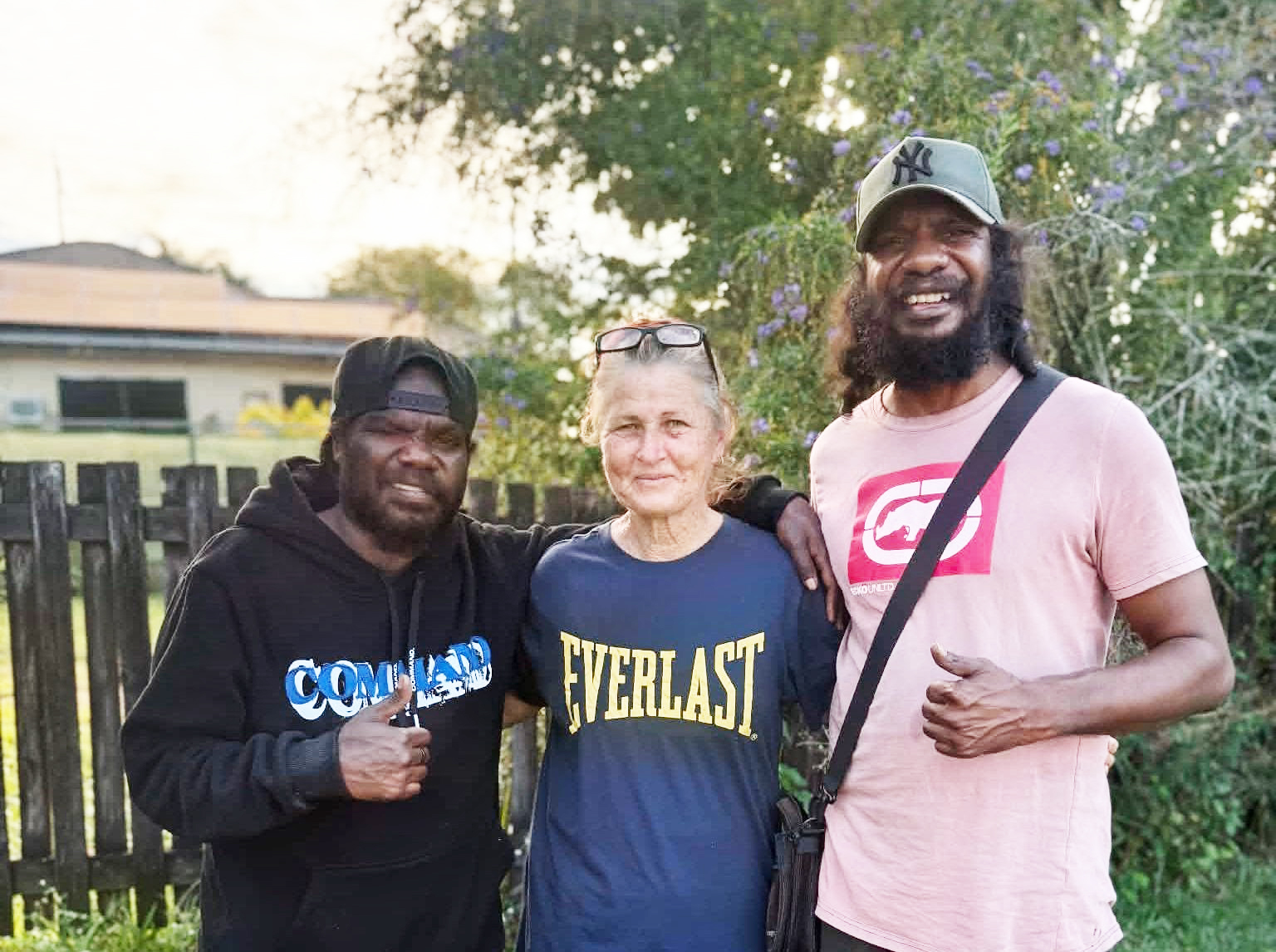
Two local women have been recognised with the Medal of the Order of Australia (OAM) for their outstanding dedication to community service, with one working in nursing and the other in foster care. Both recipients have spent years quietly supporting others, giving their time, care and compassion to those in need without expectation of recognition. Their awards acknowledge a lifetime of service that has made a lasting impact across the community.
Read the full story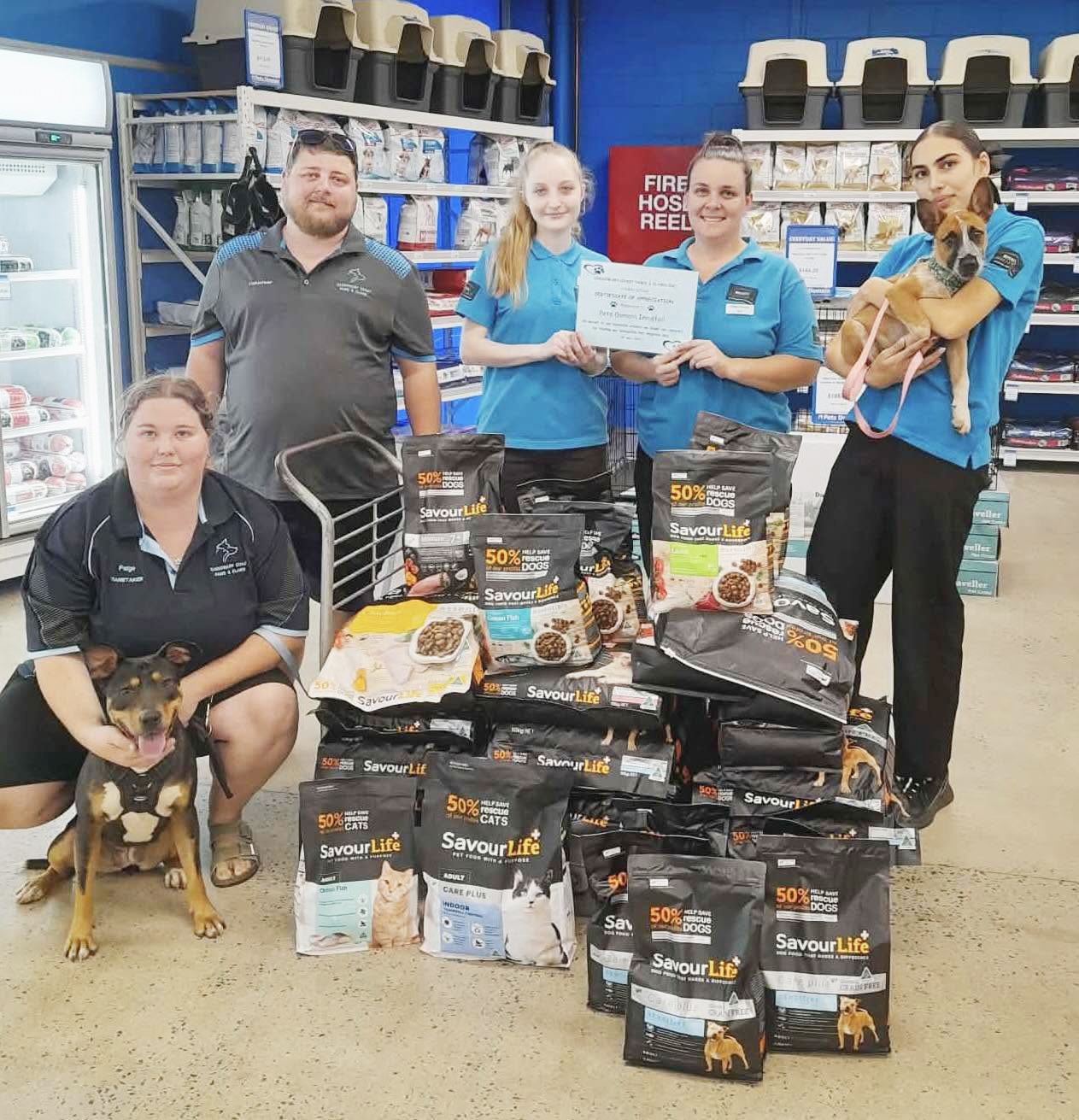
Cassowary Coast Paws and Claws Inc has thanked the community for helping make the SavourLife Pet Adoption Day a huge success, with local generosity translating into much-needed support for animals in care. The volunteer-run not-for-profit animal shelter joined Pets Domain Innisfail on 30th May for the special event, bringing together pet lovers and supporters of animal welfare. A big thank you goes to everyone who purchased a bag of SavourLife pet food on the day. For every bag purchased, SavourLife donated an additional bag of food, helping double the impact of the community’s support. The shelter also extended its gratitude to Pets Domain Innisfail for hosting the event and welcoming the organisation into the store, as well as SavourLife for its generous contribution of dog and cat food. These donations will help provide essential supplies for animals awaiting their forever homes and support the ongoing work of Cassowary Coast Paws and Claws Inc. As a volunteer-run organisation, the shelter relies heavily on the kindness and generosity of the local community to continue caring for animals in need. The team said they were incredibly grateful for everyone who attended, donated and helped support the cause, proving that small acts of kindness can make a big difference for local pets. Caption: The Cassowary Coast Paws and Claws volunteers alongside the Pets Domain Innisfail team and the donated SavourLife pet food. Photo source: Cassowary Coast Paws and Claws Inc
Read the full story
Finding the right vehicle close to home is important for local drivers, and FNQ Motor Group helps keep the process simple and accessible for customers across Tully, Innisfail and the wider Cassowary Coast region. With dealerships in Tully and Innisfail, FNQ Motor Group offers a wide range of new, demonstrator and pre-owned vehicles, along with finance options, servicing and parts support. The team understands the needs of regional drivers, from families searching for their next vehicle to locals needing a reliable work ute or a dependable run-around people mover for everyday life. With a focus on customer care and building long-term relationships, FNQ Motor Group has become a trusted name for drivers throughout the region. Whether you are upgrading, searching for your first vehicle or keeping your current car running smoothly, the team is ready to assist with local knowledge and a broad range of options. The dealerships regularly carry a diverse selection of vehicles to suit different lifestyles, including practical family cars, capable SUVs, work vehicles and models designed for weekend adventures. With a changing range of stock available, customers can explore options that match their needs, budget and driving habits. The FNQ Motor team can also help customers compare models, arrange test drives and find a vehicle that suits their day-to-day requirements. From busy family schedules to rural driving conditions, FNQ Motor Group understands what local motorists need. Supporting communities from Tully through to Innisfail, FNQ Motor Group continues to provide motorists with convenient access to quality vehicles and professional service close to home.
Read the full story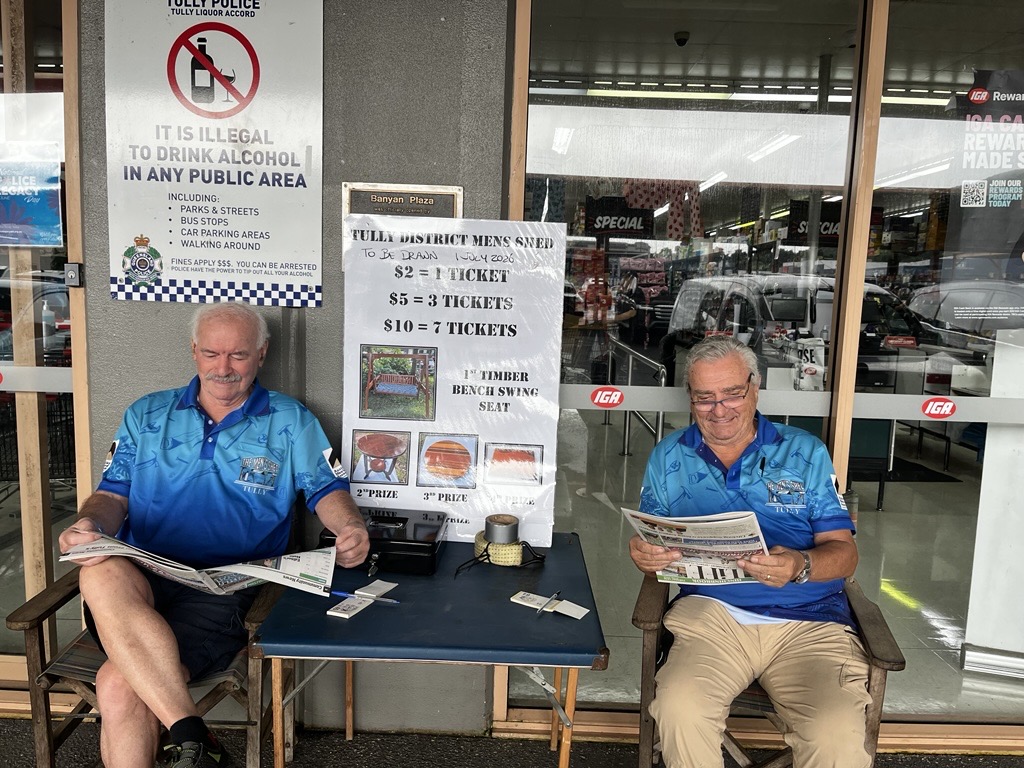
We were thrilled to see locals picking up a copy of our first edition of Cassowary Life. Pictured are our very first readers – two lovely gentlemen from the men’s shed in Tully Thanks for the warm welcome, Cassowary Coast!
Read the full story

Sugar cane remains Hinchinbrook’s main industry and a vital source of income for many locals. Economists estimate that every dollar generated locally from sugar is circulated around six times. In places like Ingham this means the local hairdresser, butcher, and dress store benefit on every stick of sugar cane produced and milled in the Herbert.
The Crisafulli Government recently announced that the Primary Industries and Resources Committee will conduct a Parliamentary Inquiry into the sugar cane industry. The Inquiry will explore value-adding opportunities and seek to overcome regulatory barriers currently holding growers back.
I firmly believe we should be doing more with our raw sugar product. While sugar is Queensland’s top agricultural export, it has far more potential than just being a food product. Multiple sources of income can come from a stick of sugar cane, but there is very little incentive for growers to become excited about this with the way farmers are currently paid for their crop and a lack of off take for some of these products.
Back in 2022, I introduced the KAP's Liquid Fuel Supply (Minimum Biobased Petrol Content) Amendment Bill 2022 which aimed to address issues that existed with the operation of Queensland’s bio-based petrol mandate, which despite in operation since 2017, has failed to drive a biofuels market. The Bill wasn’t supported by the government or the opposition at the time.
The sugar industry has already invested heavily in planning for biofuels production. Projects like the North Queensland Bio Energy Project in Hinchinbrook, the Pentland Bioenergy Project, and Burdekin’s Auscane Energy have all been proposed but gained no traction under the previous Labor Government.
The opportunity to turn cane into energy that powers everything from homes, cars and planes could mean more jobs in our regional towns, add value to our existing mills, and, most importantly, provide greater energy independence for Queensland.
The Committee is expected to hand down an interim issues paper within six months, and a final report is due to be tabled within a year. I look forward to following and contributing to the Inquiry to ensure Hinchinbrook has a strong voice at the table.

‘Early start, early finish’ for the harvest season is advocated for by Queensland Cane and Renewables (QCAR), and it is the only way to avoid harvesting in December and in some years, January. Longer crushes are stifling industry growth and significantly limiting cane productivity, while decreasing profits across the value chain and the wider community.
Contributing to the reduced throughputs at mills and extending the seasons are a multitude of factors, including the weather, factory reliability, shorter maintenance seasons, labour issues and high extraneous matter lowering bin weights in green cane harvested areas.
In some cane growing regions, there has been a reluctance to start the crush due to historical norms and arrangements, making it nearly impossible to harvest crops in a timely and profit-inducive manner.
Every sector of the sugarcane industry must take a cold, hard look at this situation, so collectively we can address the critical issues driving down our productivity and profitability; especially as profit margins get tighter.
As an obvious starting point, we must stop ignoring the sound, science-based knowledge base built up over the past 50 years from both Australian and overseas studies, about harvest scheduling and its effects on the sucrose and subsequent ratooning of a crop.
We know across most Australian sugar growing districts that high November and December rainfall (as was the case in 2024) causes havoc with getting the crops to the mills and adversely impacts crop productivity in the ensuing season.
We also know the disadvantages of starting the crush earlier far outweigh the disadvantages of finishing the harvest late because of loss of sugar yield, loss of cane yields in the subsequent ratoons, and the possibility of premature ploughing out of the crop due to ratoon failure.
QCAR Herbert Committee Chair- Matthew Pappin said, “we can’t control the weather, but we can ensure that we can do our best to get crops off as early as possible.”
He said QCAR had been in discussions for quite some time with Wilmar about turning the industry around by adopting the ‘Early start, early finish’ approach to getting the crop off in a timely manner.
“The 2025 Herbert harvest season commenced on 10 June, two weeks earlier than the previous year; this is a positive step in the right direction.
“An ‘Early start, early finish’ to the harvest season is a win-win for the whole industry and the wider community,” Mr Pappin said.

The Lucinda Coast Guard Depot has long served the community, not only in its primary role for marine safety but also as a local polling booth during State and Federal elections. However, with the original building constructed in the 1970s, the facility was not designed to accommodate wheelchairs or people with restricted mobility.
To bring the building in line with current Health and Safety Regulations, the team applied for funding through the Foundation for Rural and Regional Renewal. Thanks to a successful $10,000 grant, much-needed upgrades have now been completed. These include the installation of a wider front entrance door with digital security access, a new access ramp, and a sturdy handrail to provide extra stability. The work was proudly carried out by local tradespeople, helping support the wider Lucinda business community.
In other exciting news, the Lucinda Coast Guard is preparing to celebrate the official opening of their brand new vessel storage shed. The new structure is dedicated to the memory of a beloved former crew member, who tragically passed away at a young age. The dedication reflects the Coast Guard’s strong sense of camaraderie and respect for those who serve. The local community is warmly encouraged to attend this significant event.
WHAT: Official opening of the Lucinda Coast Guard Vessel Storage Shed.
WHEN: 11:00am, Sunday 13th July 2025.
WHERE: Lucinda Coast Guard Depot, 19 Patterson Parade, Lucinda.


Cardwell markets are teeming with spectacular finds for any market-goers looking for something a little different. Dangling dream catchers sparkle in the sunlight, painted sculptures gather 'ooo's' and 'aah's', and delicious local baked goods and home-grown fruit fly of the tables- its a market where you can take a stroll down the jetty or along the foreshore with your food truck bubble tea or hot coffee.
Relaxed and delightful, these markets often partner up with local events, the last being the Volksfest and the next being the UFO Festival on the 10th of August, to make for a market experience that brings smiles and entertainment too.
See the social pics here: https://tinyurl.com/23yxj9no

For over 70 years, Carey Group has been a trusted financial services provider in regional Queensland, offering a broad range of services including accounting, financial planning, business advisory and SMSF administration. With offices across Townsville, Cairns, Ingham, Malanda and Brisbane, the firm combines deep local knowledge with professional expertise and modern technology.
Carey Group’s SMSF services are designed to give you greater control over your retirement savings. Their experienced team works with you to establish a fund that aligns with your goals, helping to develop a suitable strategy, structure and investment mix tailored to your needs.
At the helm of the SMSF team are Senior SMSF Manager Sandra Kerber and SMSF Manager Tania Barnes. With decades of combined experience, Sandra and Tania bring exceptional technical knowledge, attention to detail and a strong focus on compliance. They take pride in providing personalised support and strategic guidance to help clients manage their funds with confidence.
Once your SMSF is established, Carey Group provides ongoing administration, real-time reporting and regular reviews to ensure your fund stays on track. Their use of automated systems streamlines annual audits and lodgements, making the process efficient and stress-free.
Whether you are setting up your first SMSF or optimising an existing one, Carey Group offers the expertise, tools and support to help you grow your retirement wealth, backed by a team who understands the unique needs of regional Australians. Visit www.careygroup.com.au or call 07 4760 5900 for more information on how Carey Group can help.

Australians are making a clear move away from carpet and embracing stylish, durable hard flooring throughout their homes. This shift in design preference was highlighted in the recent Great Flooring Debate survey, and now, with Beaumont Tiles' massive End of Financial Year Sale, you too can make the smart switch from carpet to tiles.
The survey found that while carpet still holds its place in bedrooms, other spaces like living rooms, kitchens, dining rooms and hallways are now dominated by new-generation hard flooring and tiles. In bathrooms, tiles remain the number one choice, with 94 per cent of Australians preferring their water resistance, longevity and variety of design options.
According to Darren Brittan, Strategic Designer at Beaumont Tiles, homeowners are choosing surfaces that offer both style and practicality.
“It’s no longer just about looks - homeowners want surfaces that can withstand life’s messiness without sacrificing style,” said Mr Brittan, “Tiles continue to reign supreme in bathrooms thanks to their longevity, water resistance and ever-expanding range of styles that let people personalise their space.”
The research also revealed that flooring is now considered the most important design choice when building or renovating. More than half of those surveyed admitted they had been discouraged from purchasing a home based on the existing flooring.
If you are considering an upgrade or currently repairing or renovating, now is the perfect time to refresh your home. Beaumont Tiles is holding its huge End of Financial Year Sale, with discounts of up to 50% on BT tiles. Every tile is reduced, with savings ranging from 10% to 50% on Super Specials, available while stocks last.
Explore the range at beaumont-tiles.com.au and take advantage of these savings before the sale ends.

Supporting local seniors is at the heart of the work being done at the Hinchinbrook Community Support Centre. Through dedicated programs and practical assistance, the Centre is helping older residents navigate the often complex world of aged care services, government support and essential paperwork.
Desley Di Bella, the Centre’s Elderly Inclusion Facilitator, plays a key role in delivering this support. Desley provides personalised, one-on-one advocacy for seniors across the community, with the aim of ensuring that every individual feels informed, supported and empowered to access the services they need.
This support covers a wide range of practical tasks, including assistance with completing and submitting various forms and documents, as well as liaising directly with agencies such as My Aged Care, Centrelink, medical clinics and specialist services on behalf of clients.
Desley also offers help with coordinating appointments, making phone calls and managing email communications to ensure nothing falls through the cracks. Justice of the Peace (JP) services are also available, including the certifying and witnessing of important documents.
No matter what kind of help is needed, the goal remains the same. With a caring desire for seniors in this region to feel supported, informed and confident in accessing the assistance they need.
Appointments can be made by contacting The Hub on 07 4776 1822. They also have many other supportive services, not just for seniors, and many community groups to participate in as well. Give the HUB a call or check out their website at www.hcsc.org.au and see what the Hinchinbrook Community Support Centre can help you with today!

Small changes are making a big difference across Queensland, and Hinchinbrook Shire is proudly playing its part.
Through a smart partnership with Containers for Change QLD (COEX), more than 600 outdoor recycling units have now been installed in parks and public spaces across 13 participating councils, including Hinchinbrook Shire Council.
The initiative, supported by the Local Government Association of Queensland (LGAQ), aims to make recycling more accessible while creating lasting social and environmental benefits. These specially designed units provide locals and visitors with a convenient way to recycle bottles and cans, helping reduce litter, support sustainability, and contribute to a cleaner community.
The Sunshine Coast Council first trialled the program, reporting up to 300 containers diverted from landfill daily. Following this success, other councils - including the City of Moreton Bay, Townsville, Burdekin, and Hinchinbrook —have joined the movement to scale the positive impact.
Hinchinbrook Shire Council’s involvement in the program highlights the region’s continued commitment to sustainability and innovative local solutions. The initiative not only reduces waste but also contributes to the circular economy by ensuring collected containers can be reused or repurposed.
As the program continues to roll out across the state, Hinchinbrook residents are encouraged to make use of the new outdoor recycling bins when enjoying local parks, playgrounds, and public spaces.

Community spaces across the Hinchinbrook region could soon receive much-needed repairs, with the opening of a $19.2 million flood recovery fund to support North and Far North Queensland councils affected by this year’s summer weather disaster.
Under the Community Recreational Assets Recovery Program, eligible councils—including Hinchinbrook Shire Council—can now apply for funding to help clean up and restore vital recreational assets damaged during the North and Far North Tropical Low disaster event, which occurred between the 29th of January and the 28th of February.
Funded under the jointly funded Disaster Recovery Funding Arrangements (DRFA) by the Australian and Queensland Governments, the program is being administered by the Queensland Reconstruction Authority (QRA).
The funding will assist in repairing community centres, clubhouses, walkways, bikeways, parks, playgrounds, picnic areas, and beach access points—assets that form the social and recreational heart of many communities.
Federal Minister for Emergency Management Kristy McBain said investing in community infrastructure was a proven way to lift community spirits.
“Programs like this deliver tangible outcomes and stand as visible reminders that no matter the scale and breadth of a disaster, we will overcome it,” Minister McBain said.
“By restoring community recreational assets we are helping return life to normal for residents affected, providing places for people to make positive memories once more.”
Queensland Minister for Disaster Recovery Ann Leahy said the Crisafulli Government would support councils through the program from application to project completion.
“We are stronger when we work together, and I’m pleased all levels of government are partnering working to rebuild recreational assets in their communities,” Minister Leahy said.
“Just as flooding events evolve over time, our recovery does as well, and tailored funding channels like this reaffirm our unwavering support for disaster hit regions.”
Hinchinbrook is among 30 eligible council areas that can submit applications until the 11th of July, 2025, with all funded projects to be completed by the 30th of June, 2027.
More information and application details are available on the Queensland Reconstruction Authority website.

The government’s Reconstruction Monitoring operation is now underway across Queensland, with Hinchinbrook among the regions where disaster-impacted homes and businesses will receive in-person visits from Queensland Reconstruction Authority (QRA) officers this month.
Running from Monday the 9th of June to Friday the 27th of June, the three-week state-wide operation will see QRA officers door-knocking more than 3,400 properties across 21 local government areas, including the Hinchinbrook Shire, to check on recovery progress and the wellbeing of residents following recent severe weather events.
The Hinchinbrook visits were scheduled for the week of Monday the 16th of June to Friday the 20th of June, focusing on areas affected by the North and Far North Tropical Low floods of early 2025.
The monitoring program also covers recovery assessments from other major events including Tropical Cyclones Jasper, Kirrily and Alfred, as well as the 2023 South East Queensland Christmas storms.
Minister for Disaster Recovery Ann Leahy said the government is determined to ensure that no Queenslander is forgotten after a disaster.
“This Government stands shoulder to shoulder with every Queenslander impacted by our recent natural disasters,” Minister Leahy said.
“The intel we gather from our Reconstruction Monitoring operations is unmatched and will make sure recovery reaches every corner of the State and this is an unprecedented Reconstruction Monitoring operation for Queensland, capturing insights from five separate disasters, but we are determined to leave no stone unturned with our recovery efforts.”
QRA CEO Major General Jake Ellwood (Retd) encouraged Hinchinbrook residents to speak with officers when they visit.
“These operations are crucial to inform QRA’s recovery work and where we need to focus our attention,” Major General Ellwood said.
“Our June assessments are going to be particularly valuable for understanding the support needed for communities impacted by multiple major disasters in a short period and if you need disaster recovery support and see a QRA officer in your area, please stop and chat. We are here for Queenslanders.”
During each visit, QRA officers will gather information about property repairs, insurance claims, and the overall wellbeing of residents. This data will help coordinate additional recovery efforts between councils, state agencies, and other support organisations.
For more information on the Reconstruction Monitoring program, visit www.qra.qld.gov.au/reconstruction-monitoring.

Over the last few weeks, there have been more welcome announcements from the Queensland and Australian Governments, with extra support measures for small businesses and primary producers.
The Small Business Recovery Assistance Grant provides financial assistance of up to $15,000 to eligible small businesses in Ingham and other affected areas in North Queensland, to help them re-establish operations and maintain employment after the 2025 North and Far North Tropical Low event. The grant is available to small businesses within the defined disaster areas that experienced significant trading disruptions, including ceasing trade or suffering a revenue loss of 60% or more for at least two consecutive weeks due to the disaster.
The other major announcement is something that many stakeholders have been advocating for a long time — the change in the definition of a primary producer. In a statement released by the Federal and State Governments, it was announced that more Queensland producers will now be able to access support under changes to the joint Commonwealth-State Disaster Recovery Funding Arrangements.
A primary producer whose income includes agricultural support services, such as cane harvesting, is now eligible for primary producer DRFA grants, as this is considered primary production income. This means disaster-affected farmers who may have previously been ineligible for assistance in Queensland can now apply for support measures like Disaster Recovery Grants and Loans.
Whilst this is very welcome news, I believe there is room to further improve this definition. In my opinion, it should include that any loss of agricultural land — food production land — damaged or lost due to a severe weather event should be eligible to be restored to its pre-event condition with assistance from Disaster Recovery Funding, regardless of where the owner’s income comes from.
After all, it’s about protecting agricultural and food-producing land and supporting those who farm it.
Please pop into the Hinchinbrook Information and Referral Centre at 73-81 Lannercost Street, Ingham, if you require any assistance.
Until next time Hinchinbrook residents — take care, stay safe, and be kind.
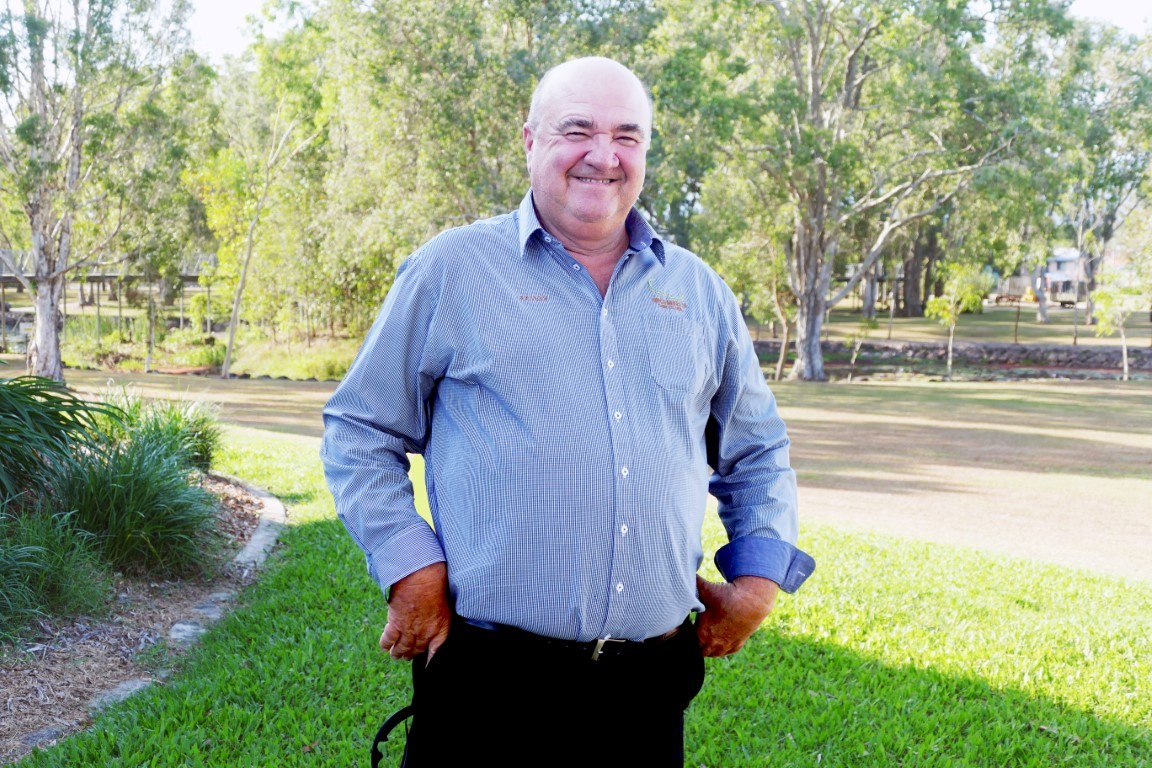
There’s something special about the people of Ingham — and the recent recognition of Carina Chesson, Felix Reitano and Patrick Brown just proves it.
Too often, we fall into the trap of tall poppy syndrome — the idea that success should be cut down rather than celebrated. But not here, not now. It’s time we turn that thinking on its head. Let’s be loud and proud about the incredible people who are shaping and lifting up our community.
Take Carina Chesson — a beloved teacher at Ingham State High School and now officially a “Local Legend.” When we faced devastating floods in February, Carina didn’t wait to be asked. She became a lifeline — conducting welfare checks, distributing supplies, and working with emergency services to make sure help reached those in need. She acted with courage, compassion and the kind of quiet leadership that inspires a community. That’s the Hinchinbrook way.
Then there’s Felix Reitano — local real estate agent, lifelong volunteer, and now a recipient of the Medal of the Order of Australia (OAM).
From his decades-long service to the Chamber of Commerce to his military background, JP duties, and tireless community involvement, Felix’s humility says it all: “You do these things because you like helping others.” In his late 70s, he’s still hard at work — and still making his town proud.
And Patrick Brown — our Ingham Ambulance Station Officer-in-Charge — has earned one of the highest honours in the country. With 46 years of service under his belt, Patrick has shown unwavering commitment to caring for others in some of the toughest situations imaginable. His legacy stretches far beyond emergency callouts — he’s a peer support leader, a chaplain, and a rock within our Local Disaster Management Group.
So, let’s do away with modesty for a moment. These individuals represent the best of us, and they deserve to be celebrated. To Carina, Felix, and Patrick — and to all those quietly making a difference — we see you, value you, and stand proud beside you.

Local residents still navigating the complex challenges of recovery and rebuilding after recent disasters are invited to attend an important Rebuilding Information Session hosted by Centacare at the Cardwell RSL Sub Branch.
At previous sessions, attendees walked away with renewed motivation after their confusion and uncertainty were replaced with clear, practical steps forward. This upcoming evening aims to deliver the same outcome, offering vital information, guidance and one-on-one advice.
A strong line-up of expert speakers will cover key areas such as building and construction processes, insurance, financial support, mental health and community recovery.
Speakers on the night will include:
This is a great opportunity for residents to connect directly with professionals who can help them take the next steps in their rebuilding journey.
Thanks go to Rob and Jeff from Cardwell RSL for generously hosting the event and providing afternoon tea and light refreshments. All residents are welcome. For more information, contact Centacare FNQ or Cardwell RSL.
WHAT: Rebuilding Information Session
WHEN: Thursday, 10 July 2025, 4:00pm to 6:00pm
WHERE: Cardwell RSL, 36 Roma Street, Cardwell

As the cooler months settle in, rats and mice may start seeking warmth and shelter inside your home. While these warm-blooded pests can survive outdoors, they are opportunistic and will not hesitate to sneak inside when given the chance.
Once indoors, rodents can quickly become a serious problem. They often chew through books, papers, and insulation to build nests, and can also gnaw on electrical cables hidden behind walls and cabinets, creating fire hazards. In addition to property damage, rodents can pose significant health risks to you and your family through the spread of bacteria and disease.
That is where local expert Michael Slater, The Pest Control Guy, comes in. Michael offers professional, reliable rodent control services designed to protect your home from unwanted invaders. Michael understands that pest issues can arise at any time, which is why he offers flexible scheduling to help tackle the problem as soon as possible, with appointments available six days a week.
If you suspect rats or mice have made themselves at home, do not delay. Taking swift action is the best way to prevent further damage and health concerns.
Call Michael Slater today on 0409 065 069 or 0439 722 311, or email appc147@gmail.com and let The Pest Control Guy help keep your home rodent-free this winter.

For anyone heading to the Dungeness boat ramp, the Channel Inn Shop has quickly become the go-to destination for fishing and boating supplies, and for good reason.
Located just metres from the boat ramp, the shop caters directly to the needs of fishers, boaties, and holidaymakers preparing for a day on the water. It is well stocked with essentials such as life jackets, flares, winch handles, ropes, bait, crab pots and a solid selection of tackle. This makes it a highly convenient one-stop shop with a broad range of supplies.
Fuel and ice are ready to go 24/7, and with the shop opening at 6:00am, you can grab what you need for an early start. And it is not just about the fishing gear, as plenty of locals and visitors stop in simply for the great coffee and fresh food. One recent customer shared her experience:
“We decided on a spontaneous fishing trip over the weekend with nothing prepared — not even a coffee! We stopped into the Channel Inn Shop, and I was blown away. We picked up bacon and egg toasties, antipasto, snacks, and great coffee (with our special milk — a rare find). It saved our trip.”
In addition to grab-and-go options, the store offers BBQ meats, frozen seafood, house-made pizzas, deli items and a well-stocked walk-in bottleshop fridge. This is particularly handy for those staying in local accommodation, with everything you need for a comfortable stay available in one place.
The Channel Inn Shop combines practicality with convenience, offering quality marine supplies, great food and drinks, and all the travel essentials you could need. Whether you are topping up on tackle, refuelling, or grabbing a coffee before hitting the water, this is the only stop you need to make.
For anyone launching from Dungeness or staying nearby, the message is clear: visit the Channel Inn Shop and you will find it all!

Publishers Indemnity. Any individual or entity that places advertising, supplies copy material, or submits editorial content to Life Publishing agrees and undertakes to ensure that all such material:- Does not infringe upon any copyright, trademark, or other intellectual property rights;- Is free from any content that could be considered defamatory, libelous, or slanderous;- Does not infringe upon any rights related to privacy or breach of confidence;- Contains no obscene, indecent, or otherwise unlawful material;- Complies fully with the Trade Practices Act and all other applicable laws, regulations, or statutes. Furthermore, by submitting or placing such material, these individuals or entities agree to indemnify and hold harmless the publisher, Life Publishing and Events Pty Ltd, and/or its agents from and against any and all investigations, claims, demands, liabilities, damages, costs, or judgments arising out of or in connection with the material provided. All material is believed to be accurate at the time of printing and remains the copyright of Life Publishing and Events Pty Ltd.
© 2026 Life Publishing Group Ltd.
