
Independently Owned, Locally Grown, Community Loved
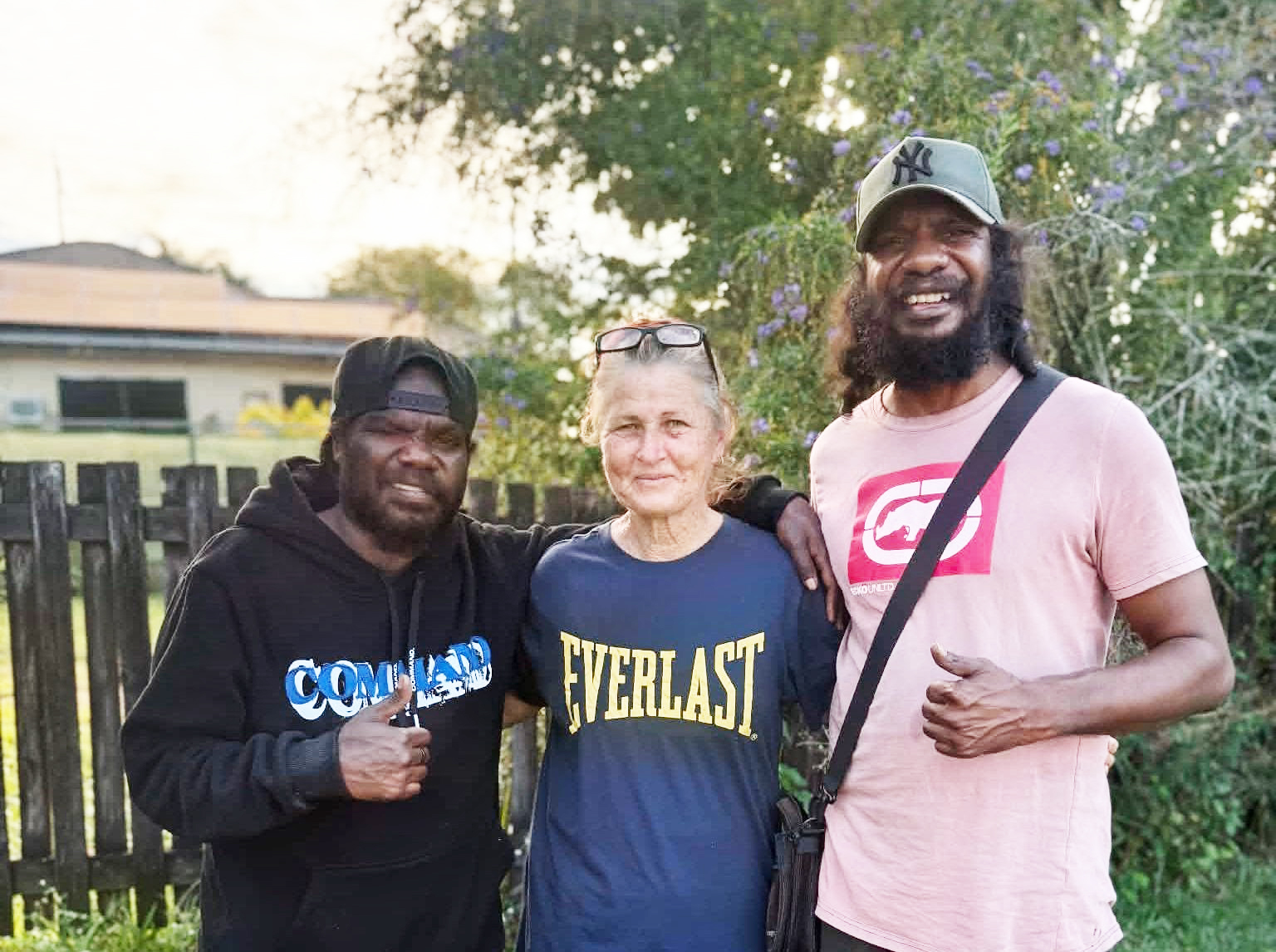
Two local women have been recognised with the Medal of the Order of Australia (OAM) for their outstanding dedication to community service, with one working in nursing and the other in foster care. Both recipients have spent years quietly supporting others, giving their time, care and compassion to those in need without expectation of recognition. Their awards acknowledge a lifetime of service that has made a lasting impact across the community.
Read the full story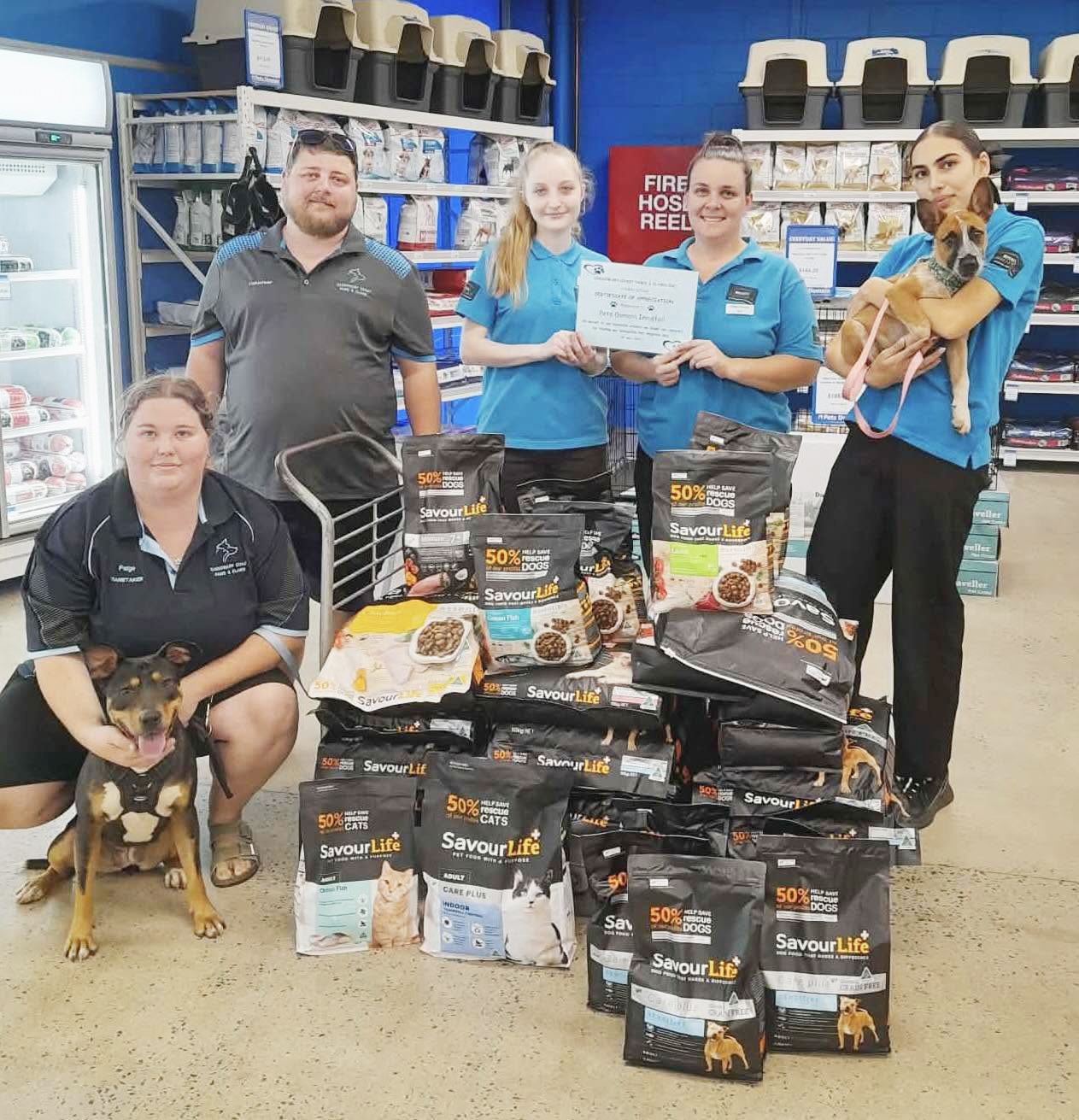
Cassowary Coast Paws and Claws Inc has thanked the community for helping make the SavourLife Pet Adoption Day a huge success, with local generosity translating into much-needed support for animals in care. The volunteer-run not-for-profit animal shelter joined Pets Domain Innisfail on 30th May for the special event, bringing together pet lovers and supporters of animal welfare. A big thank you goes to everyone who purchased a bag of SavourLife pet food on the day. For every bag purchased, SavourLife donated an additional bag of food, helping double the impact of the community’s support. The shelter also extended its gratitude to Pets Domain Innisfail for hosting the event and welcoming the organisation into the store, as well as SavourLife for its generous contribution of dog and cat food. These donations will help provide essential supplies for animals awaiting their forever homes and support the ongoing work of Cassowary Coast Paws and Claws Inc. As a volunteer-run organisation, the shelter relies heavily on the kindness and generosity of the local community to continue caring for animals in need. The team said they were incredibly grateful for everyone who attended, donated and helped support the cause, proving that small acts of kindness can make a big difference for local pets. Caption: The Cassowary Coast Paws and Claws volunteers alongside the Pets Domain Innisfail team and the donated SavourLife pet food. Photo source: Cassowary Coast Paws and Claws Inc
Read the full story
Finding the right vehicle close to home is important for local drivers, and FNQ Motor Group helps keep the process simple and accessible for customers across Tully, Innisfail and the wider Cassowary Coast region. With dealerships in Tully and Innisfail, FNQ Motor Group offers a wide range of new, demonstrator and pre-owned vehicles, along with finance options, servicing and parts support. The team understands the needs of regional drivers, from families searching for their next vehicle to locals needing a reliable work ute or a dependable run-around people mover for everyday life. With a focus on customer care and building long-term relationships, FNQ Motor Group has become a trusted name for drivers throughout the region. Whether you are upgrading, searching for your first vehicle or keeping your current car running smoothly, the team is ready to assist with local knowledge and a broad range of options. The dealerships regularly carry a diverse selection of vehicles to suit different lifestyles, including practical family cars, capable SUVs, work vehicles and models designed for weekend adventures. With a changing range of stock available, customers can explore options that match their needs, budget and driving habits. The FNQ Motor team can also help customers compare models, arrange test drives and find a vehicle that suits their day-to-day requirements. From busy family schedules to rural driving conditions, FNQ Motor Group understands what local motorists need. Supporting communities from Tully through to Innisfail, FNQ Motor Group continues to provide motorists with convenient access to quality vehicles and professional service close to home.
Read the full story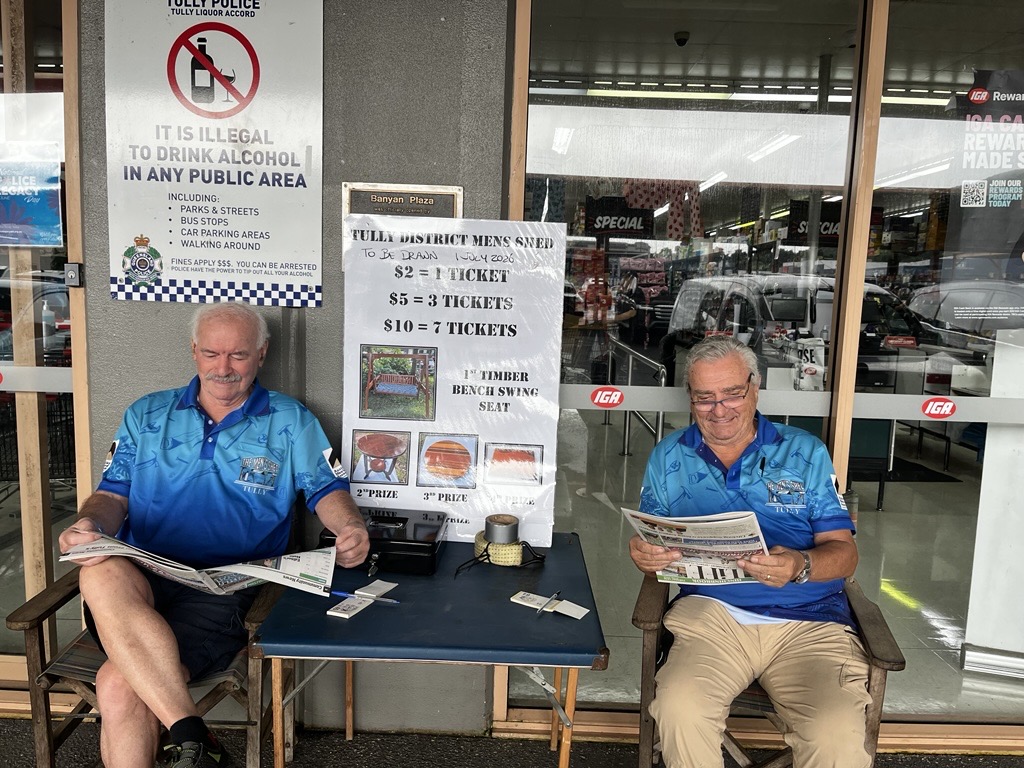
We were thrilled to see locals picking up a copy of our first edition of Cassowary Life. Pictured are our very first readers – two lovely gentlemen from the men’s shed in Tully Thanks for the warm welcome, Cassowary Coast!
Read the full story

The Federal Government has taken serious steps to implement a gas reservation policy (RRP) on the east coast of Australia. However, the details of the plan will determine whether Mount Isa and North West Minerals Province survive or collapse.
Mayor Ramon Jayo commented, “I’m becoming increasingly concerned about what’s happening in Mount Isa, particularly with talk of the smelter shutting down and Glencore ceasing operations there,” he said. “While it’s undeniably tragic for the region in terms of employment and long-term viability, there’s also a broader issue that could directly impact our cane-growing district.”
“Phosphate Hill relies heavily on sulphuric acid from the Mount Isa smelter. It’s a byproduct of their operations and a critical ingredient in manufacturing phosphate-based fertilisers, which our local cane growers use extensively. If that acid supply is disrupted, it’s going to put serious pressure on fertiliser production.”
He continued, “Even now, they’re already facing rising gas costs to keep things running, and we’re starting to worry about what that means for phosphate prices and, in turn, fertiliser costs. Cane growers are already copping increased fuel prices, and if fertiliser costs go up too, that’s going to hurt.”
“It’s something we need to keep a very close eye on, because any further cost inflation will have a knock-on effect across our whole industry. Hopefully, the government can step in and help resolve some of the issues with Glencore, so we can keep something going — to support our farmers and ensure there’s reliable continuity in the production of phosphate fertilisers.”
Bob Katter, the Federal Member for Kennedy, also voiced his concerns on the issue: "The complete collapse of Mount Isa's industrial base was imminent last week. The dominoes were already falling. Mount Isa pulls 3,000 jobs directly out of Townsville and fuels billions in industrial exports. If it goes under, it's not just a local issue – it's a national one."
Katter compared the situation to Western Australia, where a long-standing gas reservation policy is helping power the construction of a giant fertiliser plant by saying: "Here, we've got a fertiliser plant in Mount Isa that alone can bring in a thousand million dollars in a good year. And we're hanging by a thread."
While the Federal Government’s move toward an east coast gas reservation policy is a step in the right direction, its effectiveness will hinge on swift and strategic implementation. Local leaders and industry voices warn that without decisive action to secure an affordable gas supply and stabilise operations at key industrial hubs like Mount Isa, the ripple effects will be felt far beyond the region, from fertiliser production to jobs, and exports across northern Queensland.

Heidi is a gentle soul with a heart of gold and a love for the simple things in life, like belly-up naps and chin scratches.
Though she might seem a little shy at first, all it takes is a bit of patience and a lot of love to win her over. Once she feels safe, Heidi blossoms into a loving companion who will happily claim your bed as her own snooze spot (preferably paws in the air, of course).
She’s got impeccable manners — this sweet girl will sit politely and wait while dinner is being served. Her favourite game? Hide and seek with her foster dad… and yes, she always wins. Heidi’s soft, affectionate nature makes her the perfect match for a calm, quiet home where she can relax, feel secure, and soak up the affection she adores.
If you're ready to welcome a lovely little lady who will repay your kindness tenfold, Heidi might just be your perfect match.
To meet Heidi, just fill out an enquiry form at: www.angelpawsinc.com.au/forms.html
Adoption fee: $210
DOB: 1/03/24 - 1yr 4mths.
Sex: Female
Breed: Domestic Short Hair (DSH)
Colour: Tuxedo (Black and White)
Kid friendly: Yes – with soft hands
Cat friendly: Untested
Dog friendly: Untested
Indoors/Outdoors: Indoors only
Included in the adoption fee: desexing, microchipping, up-to-date vaccinations, flea/tick/intestinal worm treatment.

Young people in Ingham aged 15 and over now have the chance to gain practical skills and recognised qualifications — with no out-of-pocket costs — through two new training programs under the Queensland Government’s Skilling Queenslanders for Work initiative.
Certificate I in Hospitality (SIT10222)
This 15-week course is perfect for those looking to enter the hospitality industry. This course includes four days a week of online learning (four hours per day), supported by a mentor, plus three weeks of real-world work experience at the end.
Certificate III in Community Services (CHC32015)
Ideal for those wanting to support others and work in the community sector. This nine-week program, also delivered online and supported by a mentor. The course focuses on building real-world skills to support people in need.
Places are limited, and applications are now open! Food and transport are provided at no cost to the student. Eligibility can be sourced after an enquiry has been made here at: https://www.selectability.com.au/careers-training/selectability-training/

Flu and COVID-19 case numbers continue to climb across Queensland, with health authorities urging residents to practise good hygiene and get vaccinated to help curb the spread of respiratory illnesses.
In the last week of June alone, over 2,800 flu cases were recorded — the highest weekly number this year. Queensland Chief Health Officer Dr Heidi Carroll said hospital admissions remain high, with nearly 300 beds occupied daily by flu and COVID-19 patients.
“Around half of all flu hospitalisations and 65 per cent of COVID hospitalisations are among people aged 65 and over,” Dr Carroll said.
She noted that more than 90 per cent of hospitalised patients are not up to date with their vaccinations.
“Vaccination is especially important for anyone aged 65 years or older and people at higher risk of severe COVID-19. I encourage people to discuss their COVID vaccine and booster options with their vaccine provider,” she said.
“For influenza, nearly 3,000 people have been hospitalised this year, with almost all of these hospitalisations (92 per cent) among people who were not vaccinated.”
Children are also vulnerable, with nearly 450 hospitalised for flu so far in 2025.
“Children are more likely to catch and spread influenza, contributing to transmission in the community, but also young children are vulnerable to serious illness from the flu,” Dr Carroll said.
Queenslanders are encouraged to wash their hands, cover coughs, stay home when sick, and stay up to date with flu, COVID-19, and RSV vaccinations.
For more details, visit www.health.qld.gov.au.

An elusive and endangered species, the mahogany glider is receiving new hope thanks to a collaborative conservation effort underway in North Queensland. The project, centred south of Ingham, is helping to link critical glider habitat while also delivering rare sightings of the species in the wild.
Indigenous ranger Chris Muriata is one of the few people lucky enough to see a mahogany glider in its natural habitat.
“To finally see one – it made me happy,” he says.
“It was in vegetation at the southern end of a glider pole array we were monitoring at Lily Creek near Cardwell. We’ve been working on mahogany glider projects for years – since Cyclone Yasi in 2011 when we put den boxes and cameras in trees. More recently, we’ve been part of monitoring programs. Still, to actually see one of these gliders is rare.”
Chris and his fellow Girringun Indigenous Rangers are now working alongside Terrain NRM on a new glider initiative, which focuses on removing invasive vines and woody weeds from forested corridors along creeks in cane-growing areas. This habitat restoration work is designed to support small, vulnerable populations of mahogany gliders living on the fringes of farmland near Yuruga and Bambaroo.
The project also builds on four years of monitoring, with the installation of new wildlife cameras helping to track the presence of gliders and assess habitat use.
Terrain NRM’s Evizel Seymour says the goal is to create a functional corridor between coastal glider habitats and the foothills of nearby national parks.
“We want this to be a functional corridor for mahogany gliders,” she explains.
“This is a new project in amongst a tapestry of projects that have helped mahogany gliders by increasing woodland habitat and bridging gaps in habitat through tree-planting projects, installing glider poles at roads, and replacing the top two strands of barbed wire in farm fences with barbless wire so gliders don’t get caught up in them.
“There has also been monitoring work and research to learn more about this species — to better understand the boundaries of mahogany glider habitat, where the remaining small populations live, how their genetic health is going, and how we can best help them to survive.”
Mahogany gliders are listed as endangered and are only found in a narrow range between Tully and Ollera Creek, north of Townsville. The last population estimate — between 1,500 and 2,000 individuals — dates back to surveys conducted in the 1990s, before much of their habitat was damaged by Cyclone Yasi in 2011.
So far, the project’s motion-sensing cameras have captured two mahogany gliders in the early morning hours — a promising sign.
“The cameras were up for six weeks,” Evizel said.
“We saw one mahogany glider at about 3 a.m. on four or five nights. It was active in a thin corridor of trees bordering a creek and cane land, a place where they haven’t been recorded on camera before. We saw another mahogany glider once, at a creekside area further north.”
The project, titled Keeping Country Connected for Mahogany Gliders, is funded through the Queensland Government’s Threatened Species Recovery Action Grants program.
The work is a partnership between Terrain NRM, Girringun and Nywaigi Indigenous Rangers, Hinchinbrook Shire Council, and the Queensland Parks and Wildlife Service. The next stage of weed removal and habitat improvement will begin in the coming months, and further camera monitoring is planned for later this year.


The Hinchinbrook Way Walk is a scenic 1.9 km trail that offers a perfect introduction to tropical Ingham. Beginning at the Hinchinbrook Visitor Information Centre, the walk takes you across an elevated walkway above tranquil wetlands, through the canopies of towering raintrees, and into the heart of the TYTO Precinct.
Along the way, spot native birdlife, marvel at public art, and uncover Ingham’s rich sugar cane history in the vibrant Mercer Lane Mosaic. This immersive trail leads you into the town centre, where you can explore boutique stores and gourmet delights, before looping back through the peaceful TYTO Parklands.
Just steps from the CBD, it’s an easy, engaging experience suitable for all visitors — whether you're chasing adventure or seeking relaxation. With a mix of nature, culture, and local charm, the Hinchinbrook Way Walk is a must-do for anyone wanting to connect with the essence of the Hinchinbrook region.
.jpeg)
Hello Hinchinbrook,
Snap Send Solve is a free app that makes it quick and easy to report issues to your local council using your iPhone or Android device. You can also use it to submit general requests or feedback.
Whether it’s illegal rubbish dumping, a damaged street sign, or another local concern, Snap Send Solve lets you capture and report the issue straight from your smartphone.
How it works:
The app uses your phone’s GPS to identify your local council and provide relevant contact details. When you send a report, your email and phone number are included so Hinchinbrook Shire Council can follow up with you directly.
You know your neighbourhood best, so if something doesn’t look right, let us know. We rely on your reports to help keep our Shire safe, clean, and running smoothly.
Use the app to report:
• Street lights not working
• Dumped rubbish
• Wandering or aggressive dogs
• Graffiti or vandalism
• Footpath damage or potholes
• Road safety issues
• Or anything else needing attention
Just Snap, Send, and Solve — take a photo and submit your report in a few simple steps.
Free to download from the App Store and Google Play, Snap Send Solve removes the guesswork from reporting local issues. It helps councils and other authorities respond more efficiently, and empowers the whole community to help look after our shared spaces.
Need help in person? Visit our Customer Service Centre at 25 Lannercost Street, Ingham, for assistance with enquiries, requests, applications, registrations, permits, or rates payments.
You can also report issues online via the Customer Service section at www.hinchinbrook.qld.gov.au. For urgent matters, please call 07 4776 4600.
It’s always a pleasure to pick up a copy of Hinchinbrook Life and see everything that’s been happening — and what’s coming up — in our beautiful Shire. Thanks again for the opportunity to connect.

As the Hinchinbrook Shire continues to recover and adapt following the 2025 severe weather season, the importance of reflective, community-driven planning cannot be overstated.
In support of ongoing preparedness and resilience-building, the Hinchinbrook Local Disaster Management Group (LDMG), in partnership with Council, has released a survey for community feedback — a purposeful step toward capturing local insights and experiences following this year’s major weather events.
The survey seeks to understand how residents across the region prepared for, responded to, and recovered from recent severe weather. This information will directly inform future disaster planning and decision-making, helping to shape emergency messaging, preparedness campaigns, support accessibility, and service delivery moving forward.
Recognising that each household and circumstance is different, the survey captures a wide range of lived experiences — including those of carers, people with disabilities, families, and individuals living in remote or isolated areas.
By doing so, Council and the LDMG aim to ensure that emergency planning and response measures reflect the unique needs and challenges of the Hinchinbrook community.
The survey also offers residents an opportunity to contribute beyond feedback, with the option to express interest in future disaster preparedness training or planning initiatives.
While the path to recovery continues, so too does Council’s commitment to improving safety, preparedness, and community resilience through meaningful engagement and informed planning.
Council strongly encourages all residents to participate — either by clicking the link on the Hinchinbrook Disaster Information Facebook page, scanning the QR code on the front page of the paper, or visiting Council for a hard copy.
We welcome all feedback by 6:00 pm on Sunday, 20 July 2025, and thank everyone who takes the time to provide this important insight.
Each response helps strengthen our collective ability to face future events — together, and with greater confidence.

Brazil remains front and centre in global sugar market movements. The latest UNICA report for the first half of June shows sugar production continuing to outpace ethanol. While sugar output dipped slightly in the fortnight, it still accounted for 51.5% of cane crushed, nudging the year-to-date figure to 50.5%—up from 48.3% in the previous season. However, cane quality remains a concern.
The ATR is hovering below 12%, prompting analysts to downgrade forecasts. Year-to-date, sugar production is trailing 15% behind last season, with a lack of yield data from Brazil—now about 30% into its harvest—keeping markets guessing.
Closer to home, local interest in the 2026 Managed Pool Plus continues to build. A strong response from both returning and new growers led to an extension of the nomination window through to the end of July, allowing more time for growers to finalise their nomination.
Amid softer global prices, growers are finding value in shared-risk pricing models. The Managed Pool Plus for 2025, for example, has a price forecast on June 30 at $45 per tonne above the 2025 season Target Price. While this will fluctuate with the market, it underlines the potential benefits of diversifying pricing strategies.
Another product we have introduced to growers is assistance with input costs, particularly fertiliser. Our grower survey indicated inflation of costs was a major concern. By leveraging the buying power of the Wilmar Farms business, we link growers into a secure supply of fertiliser with price certainty for the next couple of months. With Urea and Potash prices remaining volatile, this is proving popular with growers who are marketing their GEI with us. If you're interested to see what kind of savings you could receive, please reach out to the team.
In the regions, the annual show season has been in full swing, with our team on the ground sponsoring cane-growing competitions and presenting awards—further strengthening ties with our growers and the local communities.
Operationally, the mills have made a solid start to the season. Provided weather conditions hold, we remain on track to meet the forecast harvest timelines.
The 2028 season officially opened on 1 July, alongside increased forward pricing exposure limits for the 2026 and 2027 seasons. With sugar prices currently in a contango structure (future prices higher than current), it may be timely for growers to consider setting foundation pricing orders for 2028.
Finally, our Global Trader roadshow with Peter Bingham has unfortunately been rescheduled to September due to changing commitments. With any luck, the market will have found more solid ground by then.


CANEGROWERS Australia Chairman Owen Menkens has been elected President of the World Association of Beet and Cane Growers (WABCG), marking a proud moment for the Australian sugarcane industry on the final day of the WABCG Conference in Cairns.
The appointment was confirmed during official proceedings last Wednesday, with delegates from around the world endorsing Mr Menkens to lead the peak global body representing sugarcane and beet growers from 38 countries.
“It’s a great honour to be elected to this position and to represent growers from around the world,” Mr Menkens said.
“Sugar producers globally are facing many shared challenges – from trade access and climate change to sustainability and pricing. The WABCG plays an important role in ensuring that growers’ voices are heard and that we learn from one another.”
Last week's gathering in Cairns marked the long-awaited return of the annual WABCG conference to Australia after more than 15 years.
Over three dynamic days, delegates from around the world explored the challenges and opportunities facing the global sugar industry, toured sugarcane farms across Far North Queensland, and experienced the region’s rich culture and warm hospitality.
CANEGROWERS CEO Dan Galligan said Mr Menkens’ election was a strong endorsement of Australia’s leadership in sustainable, innovative and grower-led sugarcane production.
“Owen is a passionate advocate for farmers and for the future of our industry,” Mr Galligan said.
“His election as WABCG President is a recognition of both his leadership and the role Australian growers play on the world stage.”
The conference wrapped up with a field tour through the Tableland and Gordonvale areas, providing international delegates with a firsthand look at Queensland’s cane farming regions and innovation in the paddock.

The cost of living is front and centre for Australian women. Principally still the primary shopper for family provisions. However increasing costs are not accurately reflected by the published inflation figures. Manufacturers of food items are contributing to hidden inflation our shoppers are faced with every day and week.
To protect profit margins and sales volume, manufacturers down size those prepacked bottled and canned goods. Its marketing mantra to hold a price rather than increase it, reducing contents by size weight and volume. Of course all our shoppers are extremely aware that a Sao biscuit is now a small wafer, Deodorant sticks once 75g are now 50g samples. Potato chips are contained in ever reducing fly weights in the same large bag size and so on.
Personally I would like to see manufacturers simply hold product size and quality, and increase the price. If you must supply for the real budget stressed, have half packs. And yes that means shelf space in the Supermarkets. But the current down sizing is simply disguising inflation. Your not fooling Australian shoppers. Only letting atrocious Governments of all persuasion off the hook. Food manufacturers are running an unintended protection racket, for bad Government by disguising just how bad inflation really is, where it hurts most and really unavoidable.
Bob Ford
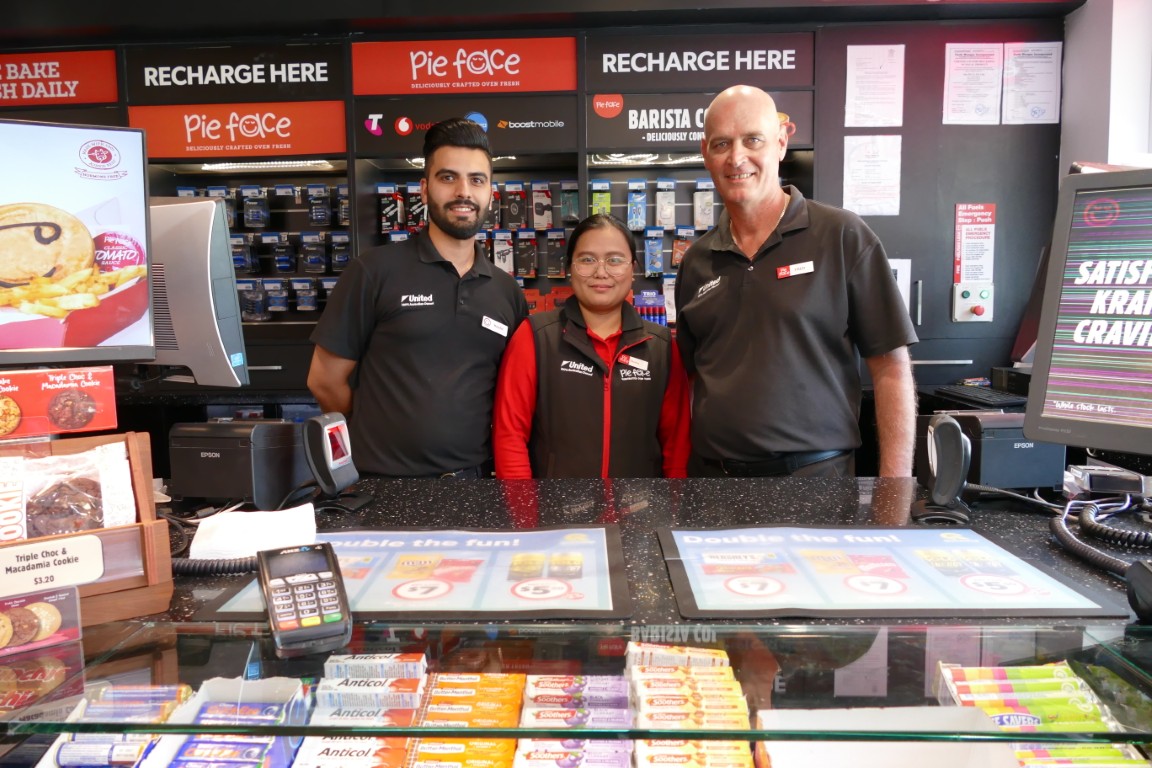
There was a real sense of celebration in the air as United Petroleum Ingham officially reopened its doors this week, a welcome sight for many a traveller and local alike.
United Petroleum’s General Manager of Retail, Grant McGregor, said, “We have eagerly reopened the doors of our Ingham site and extend a warm invitation to the community to experience the unparalleled quality and convenience we offer. As one of Australia's fastest-growing fuel and convenience brands, United Petroleum is excited to deepen our ties with the local community.”
He added, “With our dedicated team of locals committed to delivering great service, our Ingham location is poised to become the go-to destination for fuel, refreshments, and freshly made barista coffee again.”
Councillor Donna Marbelli joined the celebrations, noting, “After the devastation in February, it’s heartening to see our local businesses bouncing back and reopening their doors. It’s wonderful to be here today celebrating yet another business returning to the heart of our community.”
Store representative Fred Noack spoke warmly at the reopening, reflecting on the difficult road back, “We’ve had two closures in the last few years... but as soon as access was allowed, the SES were the first people here to help us clean up. We had community help us with removing and storing our pumps and different pieces of equipment, so today is just about giving back to the community in a little way.”
He also took a moment to recognise a key team member, “We’ve got some new staff here, including Sheila, who's been here for three years and has been through both of those big flood events. She can tell a lot of stories about what it was like, how quickly the floodwaters rose this year compared to the previous time. We didn’t get enough time to do what we needed to do. It rose that quickly. It’s great to see her back.”
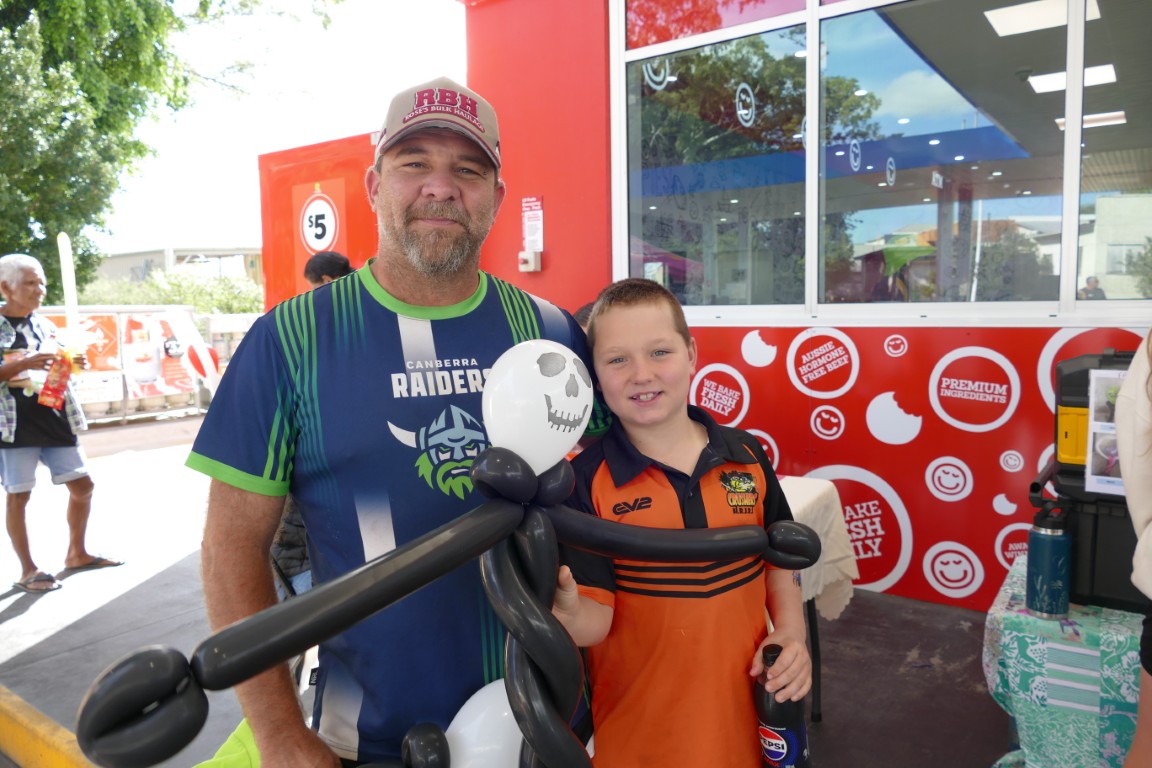
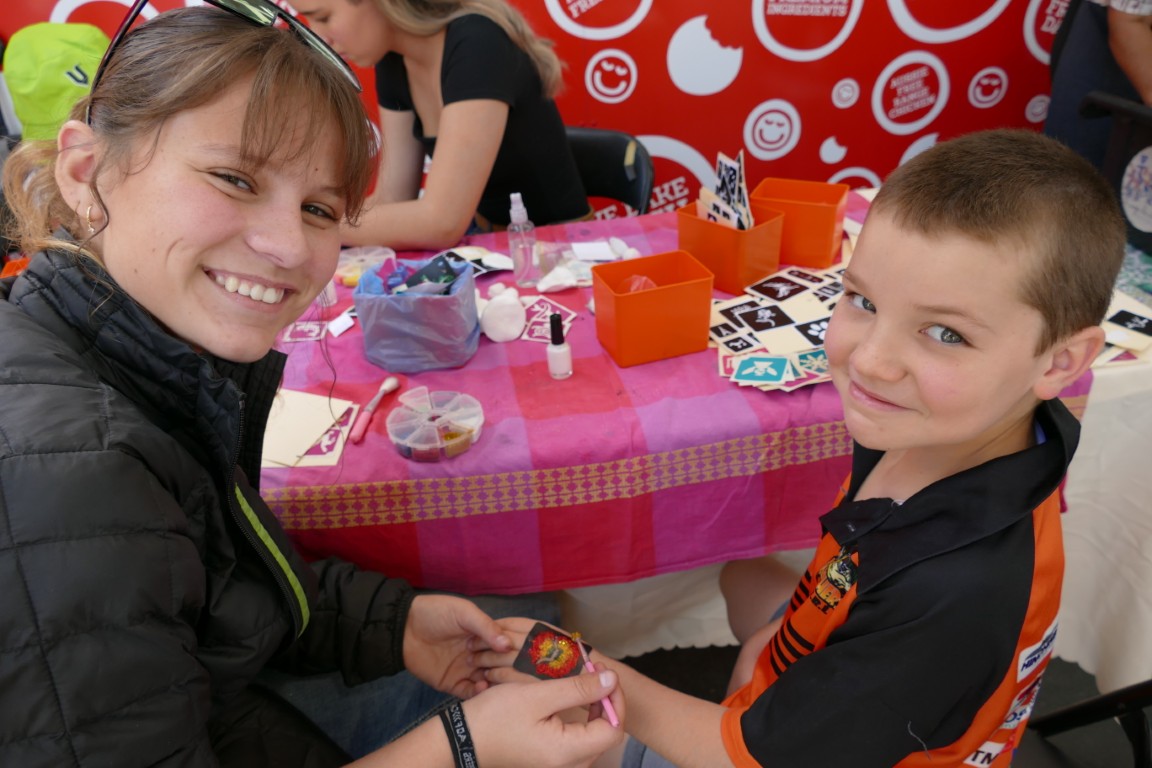
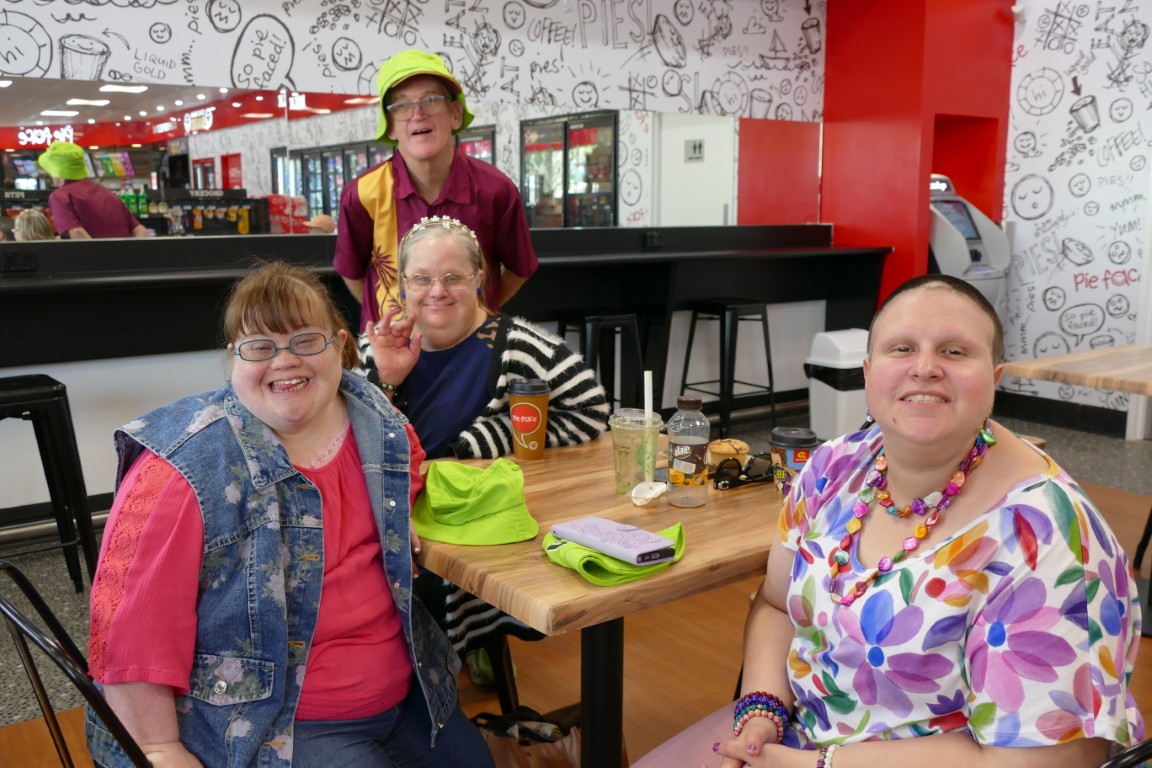
The United Petroleum Ingham site is home to a Quickstop convenience store and beloved Aussie brand Pie Face, which continues to serve up its iconic oven-baked pies, sausage rolls, barista coffee and sweet treats to customers across Australia. The turnout for the re-opening exceeded expectations, and many visitors left with a pie or dounut in hand, a car full of fuel and with little ones happily carrying balloons. The day was a powerful show of resilience, gratitude, and community pride.



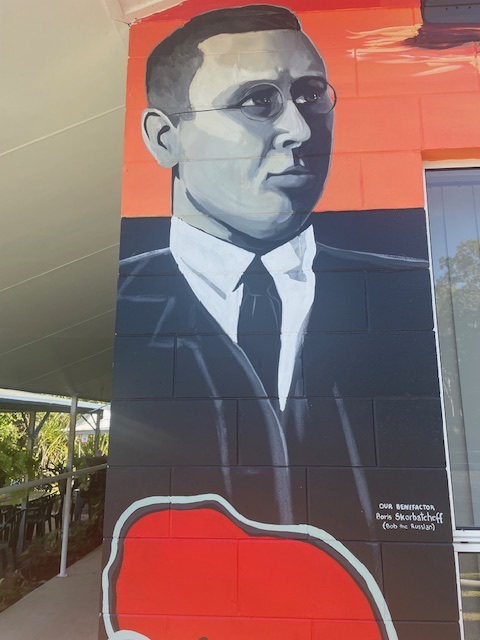
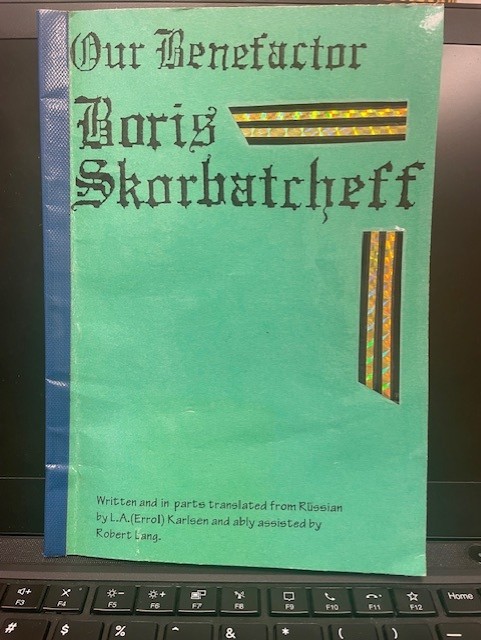
Boris Skorbatcheff passed away in Cardwell in 1987 and left his estate to the Cardwell RSL Sub-Branch, which was his workshop on a block of land on the Cardwell Esplanade. Boris was known locally as “Bob the Russian”. Without this generous donation from this World War One Russian Army veteran, there is little chance Cardwell would have its own Sub-Branch building here at 36 Roma Street.
As the RSL Committee plans future entertainment area extensions and plans a Greenco dinner at the Beachcomber Restaurant for those wonderful “Mud Army” volunteers. Our ability to fundraise, particularly through our Sunday BBQ/Buffet lunches and donations to the various local schools, and many other not-for-profit organisations, it’s important to remember that without the generosity of “Bob the Russian” none of this would be possible.
Appropriately, the bar in the RSL is proudly named “Bob the Russians, Bar”. Bob also has his portrait painted on our large mural. Anyone who reads our booklet on the life and times of Boris Skorbatcheff would think that the Russian story of Dr Zhivago was a very tame affair.
After being promoted to the rank of Sergeant-Major on the 1st of October 1917 when he served with the 100 Black Sea Division, he was invested with the “Order of St George the Martyr, Class 2” for his service to the Empire, above and beyond his call of duty.
We are very proud of our history, our country and our flag, and thanks to our benefactor, we can keep his story alive.
Lest we forget.
Contributed with thanks by Robert Lang, Cardwell RSL Sub-Branch President.

On 24th March 1890, a cyclone struck Cardwell, destroying the jetty and schoolhouse while badly damaging the Courthouse. In 1892, a building costing £228 was constructed to house the Cardwell Divisional Board offices. When Walter Scott died at the Valley of Lagoons in 1890, a memorial Celtic Cross was sent from England, which was erected in Cardwell as it proved too heavy to carry up the mountain; the cross now stands in the grounds of the Anglican Church. On Hinchinbrook Island, the Diehm brothers carried out the grinding and processing of shells to produce lime.
In 1894, Hubinger’s Hut was built at the Five Mile Meatworks to serve as a tongue house, and the meatworks supplied tinned beef to soldiers during the Boer War. From 1902, Hubinger’s Hut served as a room for the sons of John Christian Hubinger (senior). In 1920, it was relocated to Sunbeam Creek, its current location approximately 5 km north of Cardwell. In 1895, a twice-monthly mail service was established by coastal steamers. In the same year, John Murray secured a two-year mail contract to carry mail weekly by packhorse from Cardwell to remote locations for a fee of £80 per annum.
In 1900, in an unusual experiment to provide food for shipwreck survivors, two red deer stags and two hinds were shipped to the Haven on Hinchinbrook Island. In the early 1900s, William Watkins cultivated citrus trees and ran cattle south of Hecate Point on Hinchinbrook Island. By 1902, the Cardwell Divisional Board evolved into the Cardwell Shire Council with Johann Hubinger becoming its first Chairman. In 1911, the Cardwell Shire Council area, covering 2,901 square kilometres, had 440 residents, and by 1921 this number was recorded as 370.

Joey Bugelli, founder of the newly launched Hinchinbrook Island Tours (HI Tours), is quickly becoming a standout name in North Queensland’s tourism industry. Driven by a passion for adventure and a love for the Hinchinbrook area he calls home, Joey has created a tourism experience that blends local knowledge, history, unforgettable scenery, and genuine hospitality.
Hinchinbrook Island, Australia’s largest island national park, is known for its rugged mountains, remote beaches, and rich marine life. Joey saw an opportunity to give visitors more than a standard sightseeing trip. His vision? Personalised, group tours that explore the island’s hidden gems while offering a true sense of connection to the landscape.
A key part of Hi Tours' experience is the purpose-built 24-seater vessel designed for comfort, safety, and maximum viewing. Whether it’s a full-day journey through the winding Hinchinbrook Island Channel, a private boat charter, or a relaxed sunset cruise, Joey ensures every tour is rich in stories, scenery, and local insight. His friendly, hands-on approach means guests aren’t just along for the ride, they’re part of the experience.
Joey’s background in Eco vessel tourism, his deep familiarity with the region, and his approachable style have all helped build trust with travellers looking for something real. He’s not a corporate operator, he’s a local who’s passionate about sharing what makes this island so special. That authenticity is what guests remember.
Still in its early days, Hi Tours (Hinchinbrook Island Tours) is already gaining a loyal following and glowing word-of-mouth. For Joey, it’s not just about showcasing the island; it’s about creating lasting memories for every guest who comes aboard.
With Joey Bugelli at the helm, Hinchinbrook Island Tours is more than a business, it’s a fresh and exciting gateway to one of Australia’s most remarkable natural destinations.

Publishers Indemnity. Any individual or entity that places advertising, supplies copy material, or submits editorial content to Life Publishing agrees and undertakes to ensure that all such material:- Does not infringe upon any copyright, trademark, or other intellectual property rights;- Is free from any content that could be considered defamatory, libelous, or slanderous;- Does not infringe upon any rights related to privacy or breach of confidence;- Contains no obscene, indecent, or otherwise unlawful material;- Complies fully with the Trade Practices Act and all other applicable laws, regulations, or statutes. Furthermore, by submitting or placing such material, these individuals or entities agree to indemnify and hold harmless the publisher, Life Publishing and Events Pty Ltd, and/or its agents from and against any and all investigations, claims, demands, liabilities, damages, costs, or judgments arising out of or in connection with the material provided. All material is believed to be accurate at the time of printing and remains the copyright of Life Publishing and Events Pty Ltd.
© 2026 Life Publishing Group Ltd.
