
Independently Owned, Locally Grown, Community Loved
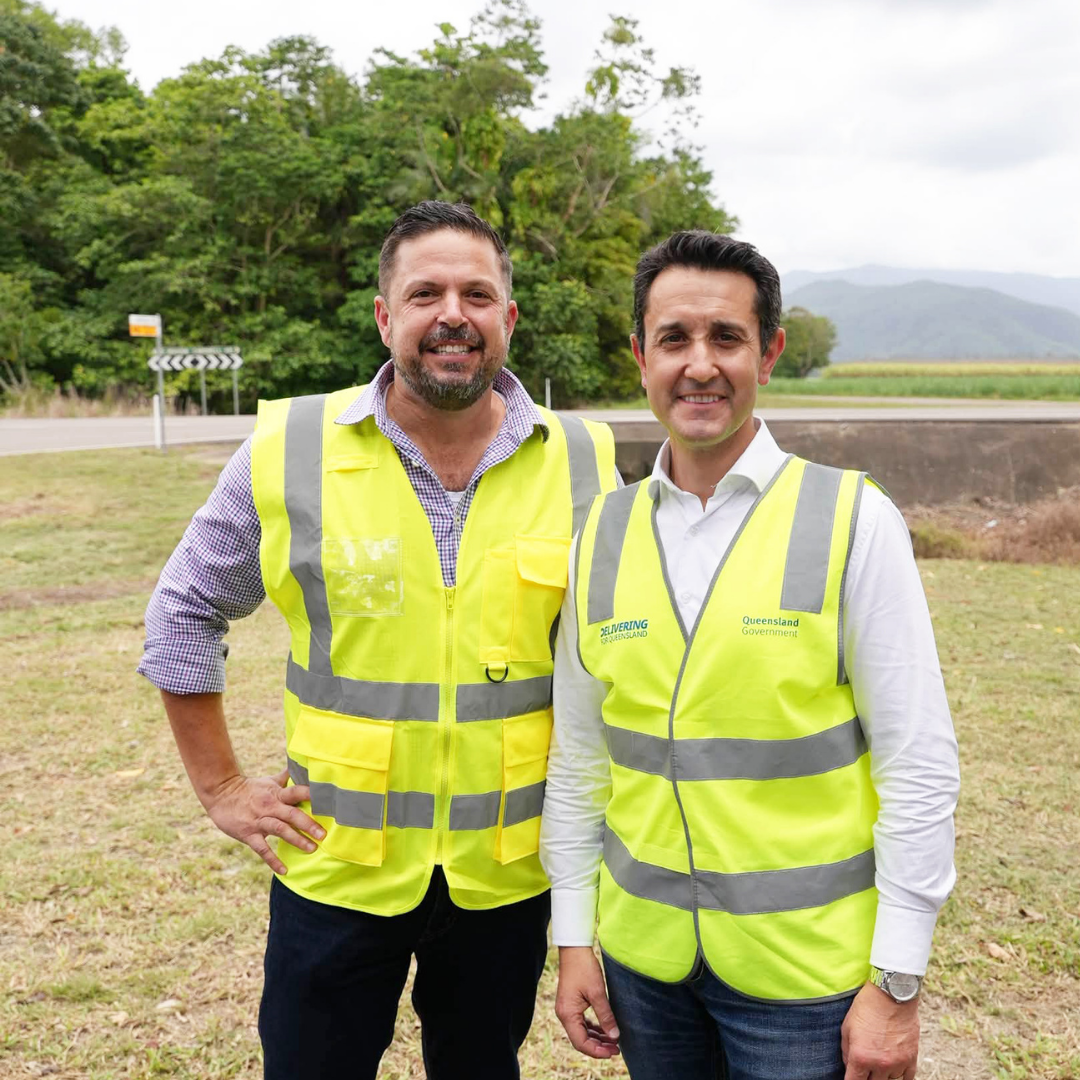
A major Bruce Highway upgrade is underway, with works at Gairloch, Ripple Creek, Ingham-Halifax-Bemerside Road and the Cardwell Range targeting safer travel and improved flood resilience. The long-awaited improvements aim to reduce the severity of flooding across key sections of highway and help prevent head-on crashes, addressing challenges that can disrupt communities and isolate motorists during the wet season.
Read the full story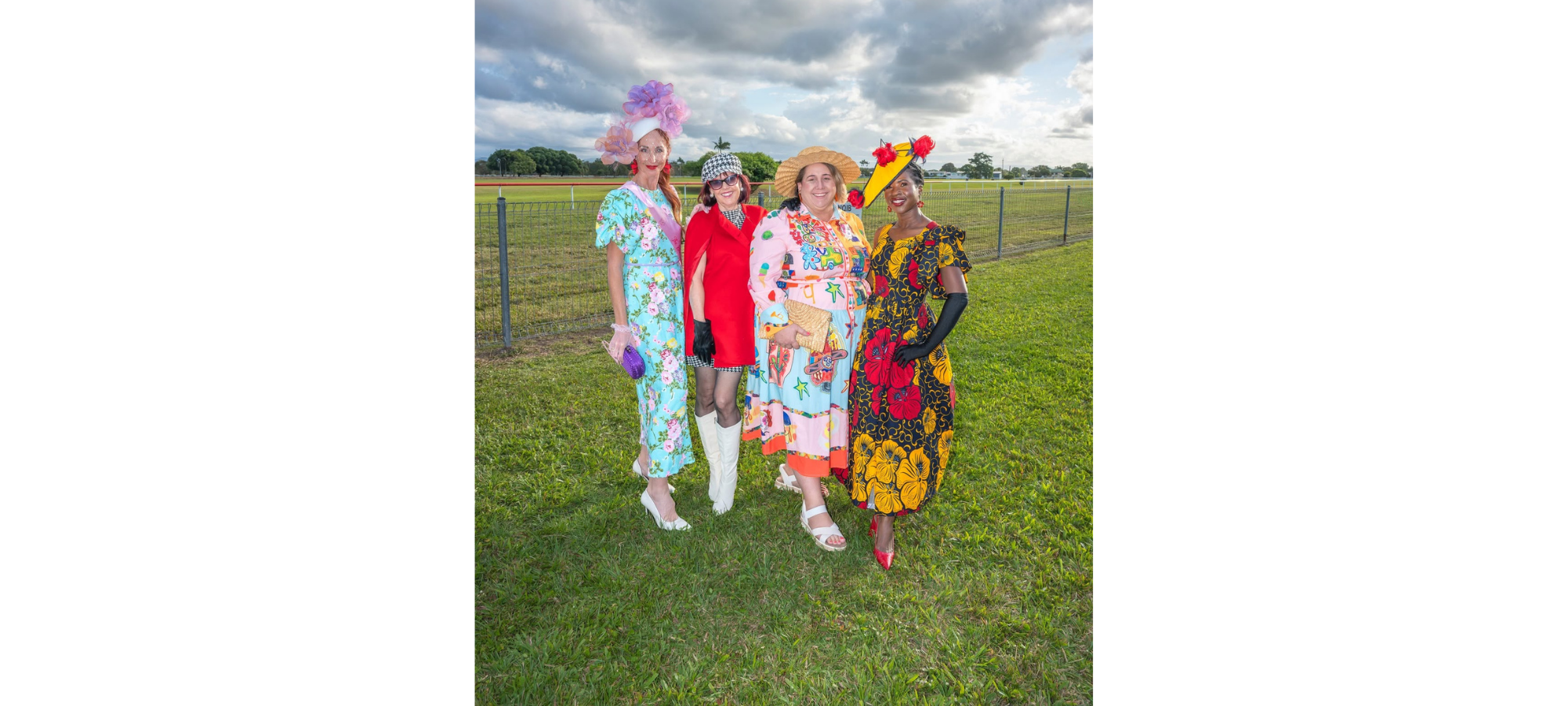
This NQIB Country Cups Challenge Qualifier Race Day, racegoers are invited to embrace this year’s theme, Country Glamour. The Herbert River Jockey Club event will feature 10 Fashions on the Field categories, catering to everyone from junior entrants to experienced fashionistas. Categories include Forrest Beach Realty Fashions on the Field, Ingham Mazda Contemporary Lady of the Track, NQ Travel & Cruise Classic Lady of the Track, The Bloom Room Townsville Millinery and Lifelong Supports Best Dressed Man of the Track. Junior and youth categories, alongside Spotter’s Choice, will offer further opportunities to take part. Three judges will bring their individual fashion and racing experience to the competition. Amy Byrnes grew up immersed in racing, travelling to meetings with her family and making memories at Cluden Park. Now a racehorse owner herself, she enjoys attending meets across Queensland and internationally. Amy will be looking for confidence, personality and the joy an outfit brings to its wearer, with an appreciation for thoughtful accessories and finishing touches. Milliner Cat Murphy brings more than a decade of experience creating headwear worn at race meetings across Australia and in London. A passionate racing enthusiast, she values outfits that work cohesively with the theme, combining comfort, confidence and attention to detail. Millinery will naturally be a particular focus, whether a bold statement piece or a classic, understated design. Marnie Davidson brings a competitive edge, having collected 27 sashes during three years of Fashions on the Field competitions around Australia. Her achievements include finalist positions at Flemington’s Melbourne Cup Derby Day and Turnbull Stakes, as well as qualifying for several major fashion events. A self-confessed lover of coordinated looks, Marnie will be keeping an eye out for the little details that bring an outfit together. With experienced judges and a Country Glamour theme, racegoers are encouraged to bring their own interpretation of raceday style to the track. For event information and the full list of categories, visit hrjc.com.au. Dress to impress at the Country Cups this November. Photo sourced: Herbert Rivr Jockey Club
Read the full story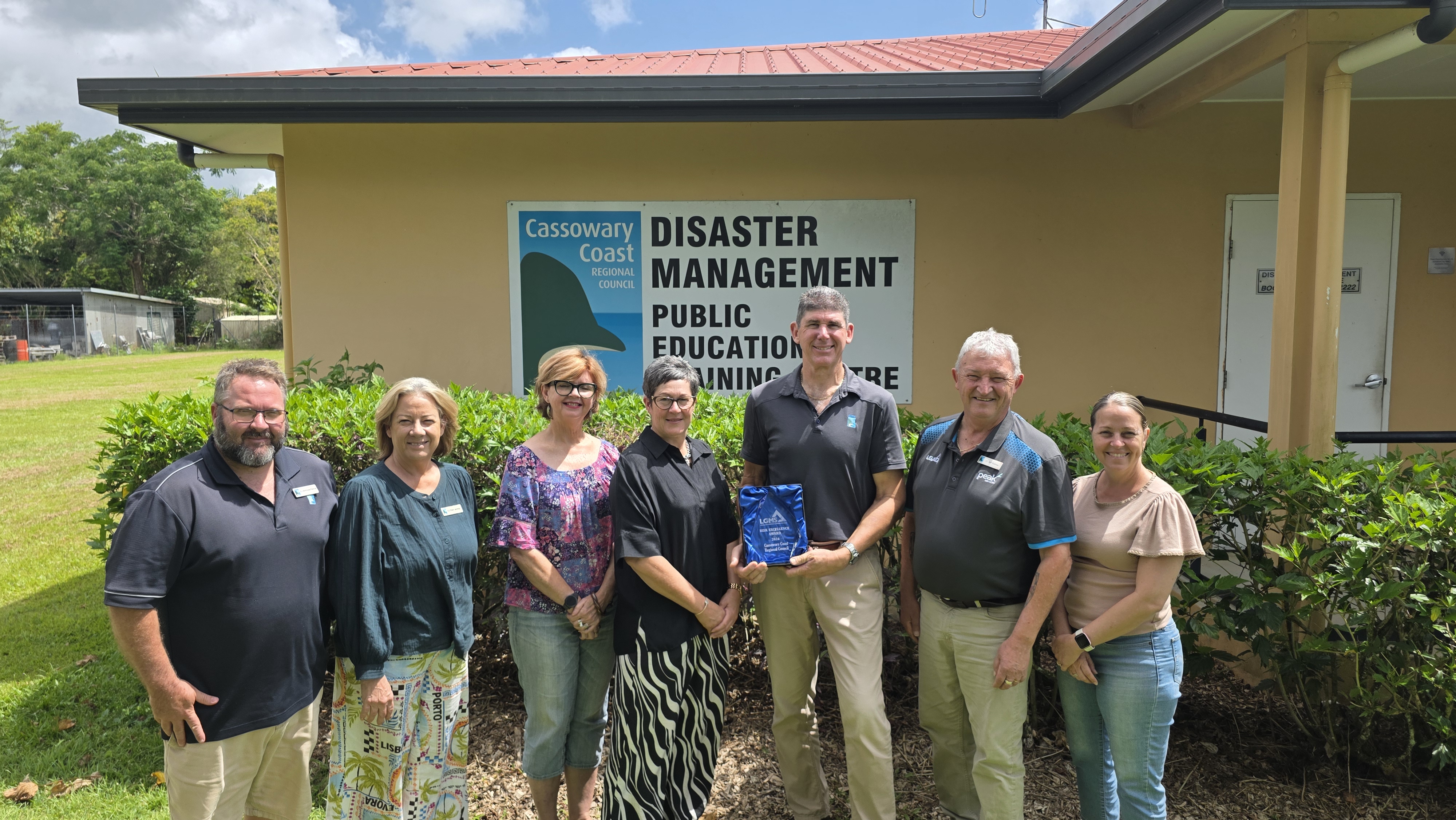
Cassowary Coast Regional Council has been recognised for its innovative approach to flood monitoring, taking home the Local Government Mutual Services (LGMS) Risk Excellence Award at the Local Government Association of Queensland (LGAQ) Conference on Tuesday evening. The award recognises Council's Flash Flood Sensor Network project, which uses radar technology to monitor water levels at known flood-prone locations across the region. The information from the flood sensors is integrated into Council’s Disaster Dashboard, giving residents, emergency services and Council access to local conditions as they change. Cassowary Coast Mayor Teresa Millwood said the recognition highlighted Council's commitment to finding practical ways to improve community safety and disaster preparedness. "Living on the Cassowary Coast, we know how quickly heavy rainfall can turn into dangerous flooding, particularly in areas where water levels can rise with very little warning," Mayor Millwood said. "These sensors give us another set of eyes on some of our known flood trouble spots, providing real time information without having to send staff out into potentially dangerous conditions. "What's particularly important is that this information isn't just for Council. Our residents in flood prone areas can also access this information on the Disaster Dashboard to help them asses their risk, get prepared and make plans in case flooding looks likely." The network has already supported information sharing with local police and State Emergency Service personnel around Mission Beach, helping emergency services monitor conditions at known flood-prone locations. Previously, monitoring these locations relied heavily on weather forecasts, community reports and staff inspecting conditions on the ground. The technology provides another source of information to support earlier identification of rising water levels, planning for potential road closures and coordinating responses during heavy rainfall. Council is continuing to assess the network through a three-year trial, using observations from residents and emergency services to verify sensor readings and evaluate its effectiveness. Residents can access flood monitoring information, road updates and other important disaster information on Council’s Disaster Dashboard by ticking *New Water Levels Visit: www.disaster.cassowarycoast.qld.gov.au Caption: Cassowary Coast Regional Council has been recognised for its innovative approach to flood monitoring. Photo supplied
Read the full story
I have spent sleepless nights since last Monday, praying for my long-term and good friend in the Parliament, Helen Haines, along with her family, staff and the first responders to an inexcusable act on a beautiful human being inside and out, who has brought much sparkling joy and enlightenment to the centre of the crossbench. Whilst we are at opposite ends of the country and representing significantly different electorates, my tremendous respect of Helen’s tenacious advocacy for what she believes in, matches my great appreciation of our genuine friendship. We don’t represent a political party based in Melbourne or Sydney or Brisbane – we represent the people who sent us to parliament: the people of our electorate. And there’s no doubt that a terrible blow has been struck against democracy and the people of Australia. A lady in every sense of the word, Helen is a true moderate of the highest regard across the political spectrum – with the ability to get on with people with very definite views like the teals on one hand, and people like himself on the other. And I cannot help but think of her smiling face, whenever I leave the Chamber and tap her on the shoulder to ask, “You right if I leave this all under your control, Helen?” and her cheerful reply, “Yes Bob,” both of us laughing. Not to mention her culinary skills in constructing the most delicate of sponge cakes. Though I react quite frankly with rage and fury at this evil that can have no exculpatory explanations, may we all pray that God’s blessings are with Helen and her family, staff and friends as we all rally around them to provide the support they need during this extremely difficult time. Hon. Bob Katter MP, Federal Member for Kennedy Federal Kennedy MP Bob Katter at Australian Parliament House with his independent crossbench colleague Helen Haines MP, the Member for Indi. Photo supplied
Read the full story

Residents across the Hinchinbrook region are being encouraged to have their say on the future of the Bruce Highway, with Expressions of Interest now open for regional representatives to join the Bruce Highway Advisory Council.
The Crisafulli Government has opened applications for the next intake of council members, including a representative position for North Queensland, which covers communities throughout the Hinchinbrook region and surrounds.
The Bruce Highway Advisory Council plays a key role in shaping priorities for safety upgrades and long-term improvements along Queensland’s primary transport corridor. The council has helped inform the $9 billion Bruce Highway Targeted Safety Program and the development of a statewide Fatigue Management Strategy.
Chaired by the Minister for Transport and Main Roads, the council brings together regional representatives and industry stakeholders from Pine River to Far North Queensland to identify problem areas and guide where investment should be prioritised.
Minister for Transport and Main Roads Brent Mickelberg said the government was committed to listening to the people who rely on the Bruce Highway every day.
“The Bruce Highway is the lifeline of regional Queensland, and we’re committed to making it safer, more reliable, and fit for the future. Unlike Labor, who cut the Advisory Council after it met only a handful of times, we brought it back 12 months ago - and it’s delivering real results,” Minister Mickelberg said.
“Since re-establishing the BHAC, we’ve made huge strides in improving safety and reliability, guided by the voices of those who know this highway best. With more than 40 projects already fast-tracked as part of the Bruce Highway Target Safety Program and more projects rolling out next year – we’re building on the strong foundations we’ve laid this year.
“I want to thank our regional representatives for their invaluable contribution over the past year. Their local knowledge has been instrumental in shaping priorities for one of Queensland’s most important transport corridors.”
Successful regional representatives will join five peak industry organisations on the council, including the Royal Automobile Club of Queensland, Queensland Trucking Association, Queensland Farmers' Federation, Queensland Tourism Industry Council and the Local Government Association of Queensland.
Regional representatives are appointed to a voluntary 12-month term and may reapply to continue. The government said the council’s structure ensures regional communities like Hinchinbrook have a direct voice in decisions affecting road safety, freight movement and connectivity.
Expressions of Interest are open for representatives from six regions across Queensland, including Far North Queensland, North Queensland, Mackay Whitsunday, Fitzroy, Wide Bay Burnett and North Coast.
Applications for the Bruce Highway Advisory Council close on the 23rd of January.

The Government is delivering record investment into crisis accommodation and frontline homelessness services to help more vulnerable Queenslanders. Support is available, with Queenslanders in need encouraged to reach out for help when they need it most.
The Government is assuring Queenslanders that homelessness services will be available for those in need throughout the Christmas–New Year period.
Christmas can be a difficult and isolating time for people doing it tough, particularly those experiencing or at risk of homelessness.
Support is available, and Queenslanders are encouraged to reach out to state-funded Specialist Homeless Services, the 24-hour Homelessness Hotline and 13 QGOV, which will be operating during the holiday period to provide urgent support.
Minister for Housing and Public Works Sam O’Connor said the Government was investing more than ever before in frontline housing and homelessness support to ensure help is available.
“Christmas can be incredibly challenging for Queenslanders without a safe and secure place to call home, and that’s why it’s so important people know they’re not alone and that help is available right through the holiday period,” Minister O’Connor said.
Support Services Available
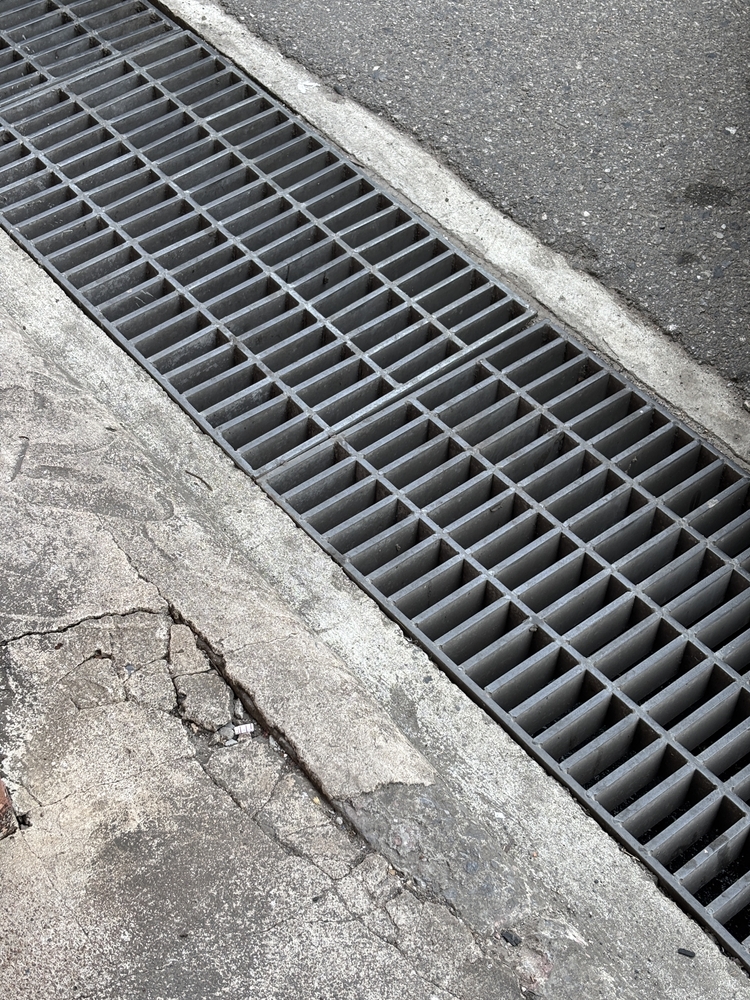
Following the 2025 flood event, key industry stakeholders and government partners have united to establish the Hinchinbrook Drainage Advisory Group — a collaborative initiative focused on enhancing drainage systems and safeguarding our region against future flooding.
This is a stakeholder-driven effort, with Hinchinbrook Shire Council serving a dual role: both as an active stakeholder and as a facilitator. The Council is committed to bringing the right people together and ensuring productive, ongoing dialogue.
Cr Andrew Carr, who chairs the group, said the collaborative role is to work together to keep water moving, reduce flood risk, and maintain healthy waterways across the Shire.
“Over time, many drainage systems have become overgrown, slowing water flow and increasing flood impacts,” Cr Carr said.
“By creating a consistent process for maintenance and permits, the group aims to deliver practical solutions that benefit residents, farmers, and the environment.
“This is a true team effort, with representatives from Hinchinbrook Shire Council, State Government departments, Queensland Rail, Wilmar Sugar, Canegrowers Herbert River,
Landcare, Queensland Cane Agriculture and Renewables (QCAR), Lower Herbert Water Management Authority, Herbert River Improvement Trust, and James Cook University all working together to share knowledge and resources.”
The initial focus is on four priority trial sites in mangrove interface areas — Mandam SIP Drainage Scheme, Swampy Creek, Alligator Ponds, and Rifle Range Creek.
These sites represent different types of drainage systems and land tenure, helping the group develop a framework that can be applied across the Shire.
The group has been working closely with State Government agencies to secure permits and funding for maintenance works, including clearing overgrown drains and restoring access tracks. With strong support now in place, the aim is to begin works in early 2026.
Cleaner, healthier drains and waterways, reduced flood risk, and a clear process for future projects are the ultimate goals. This collaborative approach ensures solutions are sustainable and supported by all stakeholders.

Queenslanders are being reminded to practise good hygiene this summer as health authorities warn of the risk of cryptosporidiosis, a highly contagious gastrointestinal illness that spreads easily from person to person.
With many residents cooling off at swimming pools, splash parks and water attractions, preventing illness relies on simple hygiene measures and responsible behaviour in and around water.
Cryptosporidiosis — commonly known as crypto — is caused by a parasite called Cryptosporidium and is a frequent cause of acute diarrhoea. The illness can be contracted by swallowing contaminated water and spreads through close contact in households and childcare settings, contaminated food and water, and handling infected pets or farm animals.
Recreational water, including swimming pools and splash parks, is a known transmission risk, particularly during the warmer months when water use increases.
Queensland Health’s Communicable Diseases Branch Executive Director Dr Heidi Carroll said good hygiene practices are essential to protect both individuals and the wider community.
“Make sure you wash your hands thoroughly after using the toilet and changing nappies. Also, clean your toddler’s or baby’s hands after a nappy change,” Dr Carroll said.
“Children who have had diarrhoea should not return to school or childcare until at least 24 hours after their symptoms have stopped, and food handlers and health care workers should stay away from work for at least 48 hours after the last episode of diarrhoea and maintain strict hand hygiene.
“Because people with cryptosporidiosis can remain infectious even after symptoms settle, they should avoid swimming while they have diarrhoea and for two weeks after it has stopped,” Dr Carroll said.
Symptoms include watery diarrhoea, abdominal pain, nausea, vomiting, fever, headache and loss of appetite. Dr Carroll advised anyone experiencing severe or worsening symptoms to seek medical advice.
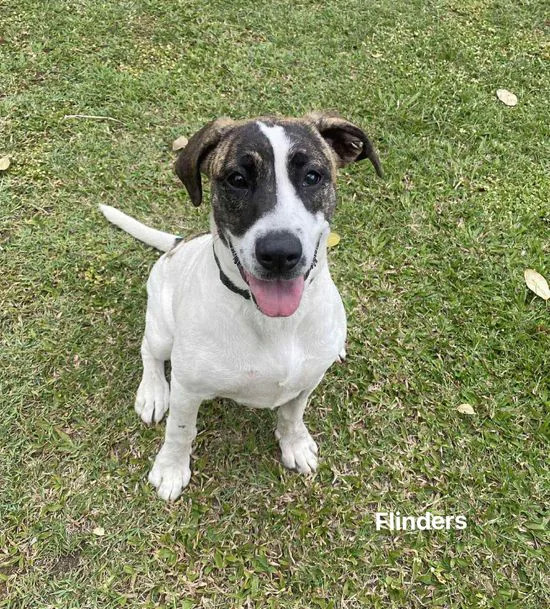
Flinders is a loveable goofball who’s ready to find her forever home! She’s a happy, playful girl who loves nothing more than chewing on her favourite toys or bones, having a good run around, and “helping” out in the garden. After a day of fun, she’s always up for a cuddle and a cosy snooze right by your side.
Flinders gets along beautifully with other dogs, but she’d also be just as happy being the centre of attention as an only dog. She’s clever, too — she already knows sit, shake, drop, and roll over, and she’s always eager to learn more (especially if treats are involved!).
If you’re looking for a loyal, affectionate, and slightly goofy best friend who’ll fill your days with laughter and love, Flinders might just be the perfect match.
If you’re interested in meeting Flinders please complete an animal enquiry form at https://www.angelpawsinc.com.au/forms.html
Included in adoption fee of $495: Desexed, Micro-chipped, Up to date vaccinations, Flea, tick, and intestinal worm treated, and on ProHeart.
DOB: 19/03/2025
Sex: Female
Breed: bull Arab x
Colour: Brindle & white
Kid friendly: Yes
Cat Friendly: Yes
Other dogs: Yes
Fences: 6ft

Australian farmers have welcomed a major reform that will give them greater control over the repair of agricultural machinery, with the Federal Albanese Labor Government extending Right to Repair laws to the farming sector.
The reform will require manufacturers to share critical repair information with farmers and independent mechanics, ending long-standing frustrations caused by costly delays when machinery breaks down during peak periods such as harvest.
For many producers, downtime can mean significant financial losses. By allowing farmers to choose who repairs their equipment, the changes are expected to improve productivity, reduce costs and strengthen competition across the sector.
According to the Productivity Commission, extending Right to Repair to agriculture could increase annual GDP by $97 million through improved grain output alone, largely by reducing harvest delays. The announcement also comes as new figures show Australia’s agriculture industry is on track to reach a record value of almost $100 billion this financial year.
Farm groups have strongly backed the reform, with leaders describing it as landmark and game-changing for the industry. The changes are also expected to benefit regional communities by supporting local repair businesses and keeping money circulating in rural towns.
Treasury will work alongside the Department of Agriculture, Fisheries and Forestry to consult farmers, manufacturers and repairers as the framework is expanded, building on the success of existing Right to Repair laws in the motor vehicle sector.
Minister for Agriculture, Fisheries and Forestry Julie Collins said the reform was about fairness and practical support for farmers.
“The Albanese Labor Government has listened to our farmers and worked with them to deliver these reforms, they’re a matter of fairness for farmers and will make a big difference,” Ms Collins said.
“Farmers are backing this change because they know it will save time and money.
“The Albanese Labor Government will keep backing our farmers to succeed.”
Assistant Minister for Productivity, Competition, Charities and Treasury Andrew Leigh said the reform would strengthen both competition and regional economies.
“Farmers have been clear, they want the freedom to choose who repairs their machinery. This reform delivers that choice, strengthens regional economies and ensures technology works for the people who rely on it most,” Dr Leigh said.
“This is a win for farmers and a win for competition. When markets are open, businesses thrive, and consumers benefit. Right to Repair is about giving farmers control and creating a level playing field for independent repairers.
“Every independent workshop is a small business that employs apprentices, sponsors local clubs and keeps money circulating locally. By unlocking repair information, we’re supporting those businesses and the communities they serve.”
The Right to Repair reform is expected to improve resilience, reduce waste and ensure valuable farming equipment stays in use for longer, delivering long-term benefits for Australia’s agricultural sector and regional communities.

As disaster season approaches, it is essential for cane growers to take proactive steps to protect their operations and ensure they are well prepared for any challenges that may arise. The Queensland Rural and Industry Development Authority’s (QRIDA) shares some tips on how cane farmers can get ready for potential disasters, make informed decisions, and access support if they need it.
“Having an emergency fund available should a disaster event occur will help your business continue servicing repayments and bills while you’re out of action and before you can access disaster recovery support,” QRIDA said.
“Walk through your property regularly to identify and address risks such as overgrown vegetation, loose roofing, or unsecured equipment that could become dangerous during high winds, heavy rain, or fire,” QRIDA said.
“To apply for disaster assistance when it becomes available, you will need to have several documents on hand to submit with your application. Things like proof of identity, financial statements and insurance policies are all important documents you’ll need to have access to.”
“Staying informed will help you be aware of the assistance available following a disaster event.
“Make sure you share this information with your neighbours, friends and family to ensure they also stay connected (...) this disaster season.”
“Invest in backup power sources such as generators or solar battery systems to ensure essential equipment, water pumps, and refrigeration can continue operating. Keep extra fuel safely stored and test your backup systems regularly to confirm they’re ready when needed,” QRIDA said.
For more disaster preparedness tips or to subscribe to QRIDA’s disaster updates, visit qrida.qld.gov.au/disaster-preparedness
(Supplied by Queensland Rural and Industry Development Authority (QRIDA), through QCAR)
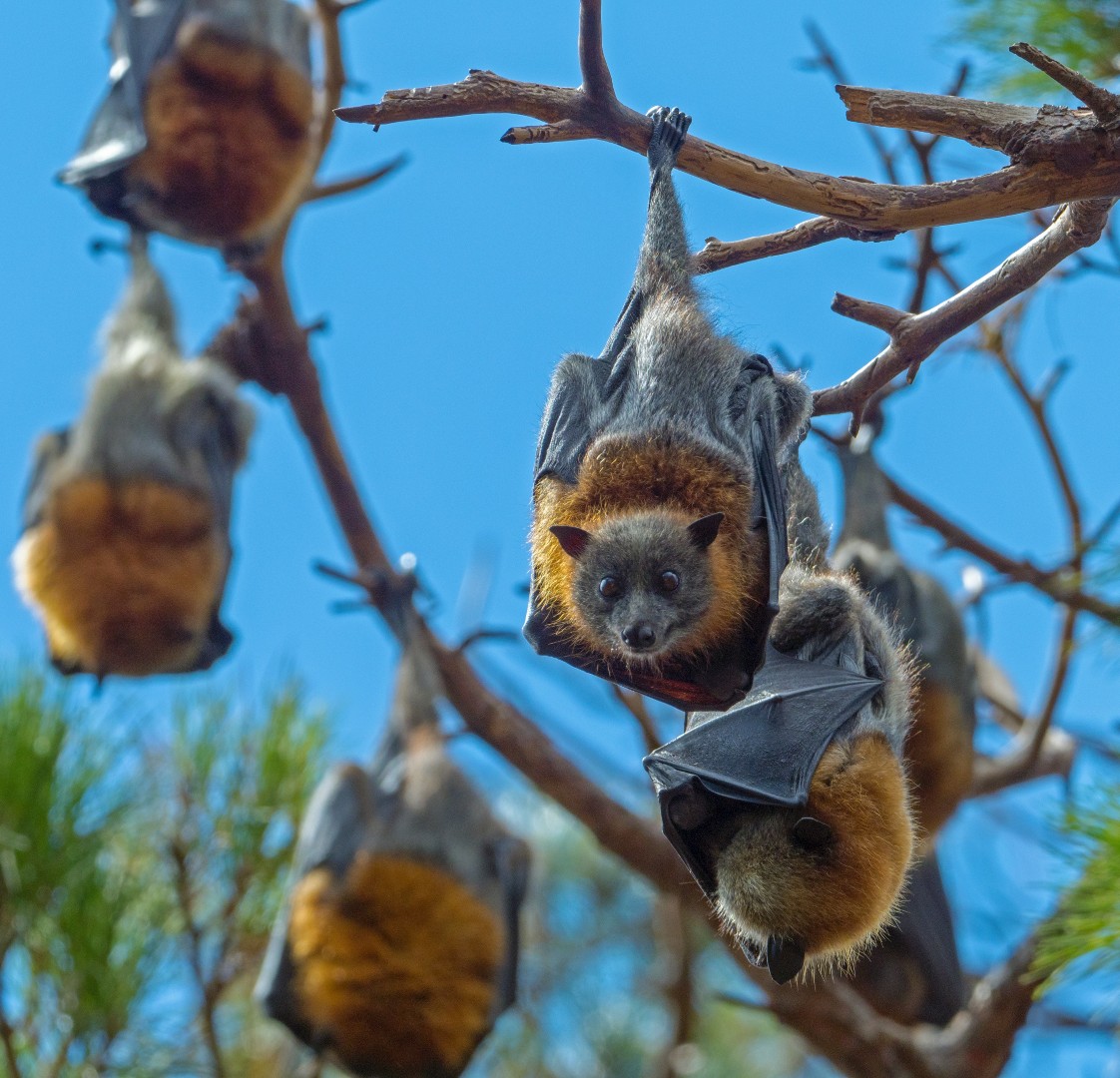
As Queensland faces another hot summer and storm season, health authorities are warning residents to avoid handling bats found on the ground. Distressed or dead bats may be encountered more frequently during extreme heat or severe weather, and Queensland Health reminds the community that contact can be dangerous.
Bats can carry Australian bat lyssavirus (ABLV), a virus closely related to rabies. While human infection is rare, it is almost always fatal once symptoms develop.
Very hot temperatures or a mix of heat and humidity can cause bats to become heat-stressed and fall to the ground. Storms and strong winds can also disrupt their normal behaviour, causing bats to fall from trees or seek shelter closer to the ground.
Queensland Health advises people not to attempt rescuing or handling distressed or dead bats and to instead contact a trained wildlife rescuer.
Chief Health Officer Dr Catherine McDougall said ABLV can be transmitted to humans through bites, scratches, or saliva, and avoiding contact is the safest approach.
“All bats have the potential to carry ABLV. While transmission to humans is rare, unfortunately, once symptoms appear, there is no known effective treatment,” Dr McDougall said.
“Prevention is key. The safest thing Queenslanders can do is assume any bat they come across could be carrying ABLV and avoid any contact.
“Even if the bat looks dead, do not touch it.
“If the bat appears to need help, call the local wildlife rescue, RSPCA or Queensland’s Bat Conservation and Rescue team.
“I’d also encourage parents to remind their children to never touch a bat they find on the ground.”
Dr McDougall said the safest action for people who come across a bat is to keep children and pets away, and, if safe to do so, place a box or washing basket over the bat until a trained and vaccinated handler arrives.
“If you are bitten, scratched, or have contact with bat saliva, wash the area thoroughly with soap and water for at least 15 minutes,” she added.
“Then apply an antiseptic if available and seek medical care as soon as possible for assessment and post-exposure treatment.”
Residents are urged to report injured or distressed bats to:
For medical advice on bites and exposure, call 13 HEALTH (13 43 25 84) for 24/7 guidance from registered nurses. For further information, visit the Queensland Government websites on living with bats and Australian bat lyssavirus.

As the Hinchinbrook Shire begins to gear up for another disaster season, residents may once again face the familiar sight of fallen trees, broken branches, and damaged green spaces. Living on the coast, local residents understand cyclones are an annual challenge, with recent storms such as Jasper, Kirrily, and Tiffany serving as reminders, while major events like Cyclone Yasi have taught important lessons about how our landscapes cope and that choosing the right species is critical for reducing future damage.
One key question emerges: are some trees better equipped to survive cyclones than others?
Lessons from Cyclone Yasi
Following Cyclone Yasi in 2011, Greening Australia and local partners surveyed trees in Townsville to understand which species were most wind-resistant. Several natives stood out:
These species share key traits: deep roots, strong central trunks, flexibility, and adaptation to northern Queensland conditions.
What Makes a Tree Cyclone-Resistant?
Tree survival isn’t just about species. Age, structure, root development, and site exposure all matter. Healthy trees with balanced canopies and deep roots are far more likely to withstand high winds. Traits that increase resilience include:
Species That Struggled
Exotic or ornamental trees often suffered heavy damage:
Maintenance Matters Too: No garden is completely cyclone-proof, but proper care makes a difference. Encouraging deep root growth through deep, infrequent watering and reducing excess foliage through pruning helps trees remain upright during storms.
Planning for the Future
In preparation for disaster seasons to come, planting wind-resilient native species can reduce risk, support biodiversity, and help landscapes recover stronger. Landholders and councils are encouraged to:
Building Resilient Landscapes: By learning from past cyclones and choosing the right species, communities and green spaces can survive and thrive in the face of future storms.
For the next generation of sugarcane industry leaders, bringing the Next Gen program back into the spotlight.
QCAR and Aglantis are joining forces to relaunch the Next Gen initiative — supporting, mentoring and sharing innovation with emerging and early-career members of the sugarcane industry. The program is generally aimed at those under 45, but the event is open and welcoming to anyone who sees value in being involved.
You're to be part of an exciting two-day event that brings together young farmers, harvesting operators, contractors, millers, mill workers, and staff from research, development, extension, productivity and other support sectors.
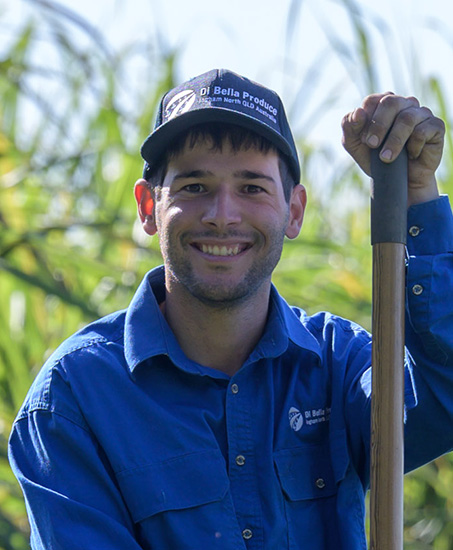
Herbert District next-generation sugarcane farmer Hayden Di Bella is inviting other young people (under 45 yrs) to the Next Gen 2026 Cane Forum in March.
The QCAR & Aglantis Next Gen 2026 Cane Forum is shaping up to be an event not to miss, featuring:
We aim to bring together like-minded people in an open and collaborative setting where ideas, experiences and future visions for the industry can be shared. This year’s event will take place across the Burdekin and Herbert regions, with plans to rotate the forum through other cane supply areas in future years.
Farmer-to-farmer, we’ll take participants on-farm to see first-hand what other growers are doing, and to explore the latest innovations and technologies being used now and into the future. More updates will be released early next year. Expressions of Interest now open
Wherever you are, we encourage you to put your name down to receive updates. If you’re located in another cane supply area — including the Central District — please note that if there is enough interest, we may organise a subsidised bus. To register your interest, email, phone, or text the following details to the contacts below: I would like to register my interest in attending - Name: Region: Phone: Email:
For more information or to register, please contact: Lawrence Di Bella 0448 084 252, email lawrence.dibella@qcar.org.au, or Anna Di Bella 0419 673 000, email anna.dibella@qcar.org.au
WHAT: 2026 Next Gen Cane Forum
WHEN: Tuesday 3 – Wednesday 4 March 2026
WHERE: Burdekin And Herbert Cane Regions

Australia’s agriculture industry is on track to reach a record value of almost $100 billion this financial year, according to new figures released in December 2025. The latest ABARES Agricultural Commodities Report forecasts the gross value of agricultural production to rise to $99.5 billion in 2025-26, with fisheries and forestry included, pushing the total to over $106.4 billion.
Exports are also expected to reach a record $83.9 billion, reflecting strong international demand for Australian produce. Industry leaders credit this milestone to the skill, resilience, and hard work of farmers, alongside ongoing support from the Government.
Minister for Agriculture, Fisheries and Forestry Julie Collins said: “It’s been a significant year for our farmers and producers, and thanks to their hard work, innovation and commitment to excellence, the value of our agriculture industry is on track to reach almost $100 billion this financial year.
“Our Government is backing our farmers and producers to reach this record result by expanding trade opportunities, supporting them to boost their climate resilience, and by strengthening our biosecurity system.
“This is supporting our farmers to supply their world-class products to communities across Australia and around the globe, to employ more people in our regions, and to strengthen our local economies.
“Our commitment to working with farmers to progress their priorities and to deliver support when they are facing challenges, particularly during drought conditions, never stops.”
The growth comes amid ongoing efforts to diversify markets, remove red tape, and strengthen biosecurity, while $1 billion in new concessional loan funding through the Regional Investment Corporation aims to support farmers facing financial pressures.

By Dr Bianka Vidonja Balanzategui
Since its opening on 4 November 1891 the Gairloch Bridge, on the old Bruce Highway, has been crossed by countless vehicles, buggies, bicycles, tractors, cars and pedestrians. Bull sharks and crocodiles have been spied from the safety of its span. It has been fished and dived off, and sadly, people have lost their lives crossing it.
When in June 1903, Mrs Norah Judge and her four-year-old son James approached the bridge in their buggy, the horse baulked at the kerb, sending horse, buggy and occupants into the river. This tragedy devastated the lower Herbert community; Norah was made a widow a year before and now left three children aged between one and eight years, parentless. A contributing factor to their deaths was that the bridge chains and uprights were removed at the time of the previous flood and not replaced, and the bridge was out of repair and dangerous. Despite the bridge’s unique construction and design to withstand floods, a Herbert River on rampage is a formidable force to be reckoned with.
The sugar industry of the Herbert River district had its beginnings in the lower Herbert with the Gairloch Plantation Mill, which crushed for the first time in 1872. But by 1885, sugar cultivation had spread north of the Herbert River and a bridge was required to access that cane. The Divisional Board raised the money to build the bridge after a petition to Government for funds was unsuccessful. A Government architect, Alfred Barton Brady, was engaged to design the bridge. It was his first road bridge and James Graham was contracted to build it.
A small township of tents and a boarding house sprung up alongside the construction site to house the workers who, because of frequent flooding which delayed the construction, were on the site for nearly two years. While the bridge did not save the Gairloch Plantation Mill, its history is preserved in the bricks (salvaged from the dismantlement of the mill) shoring up the steepest approach to the bridge.
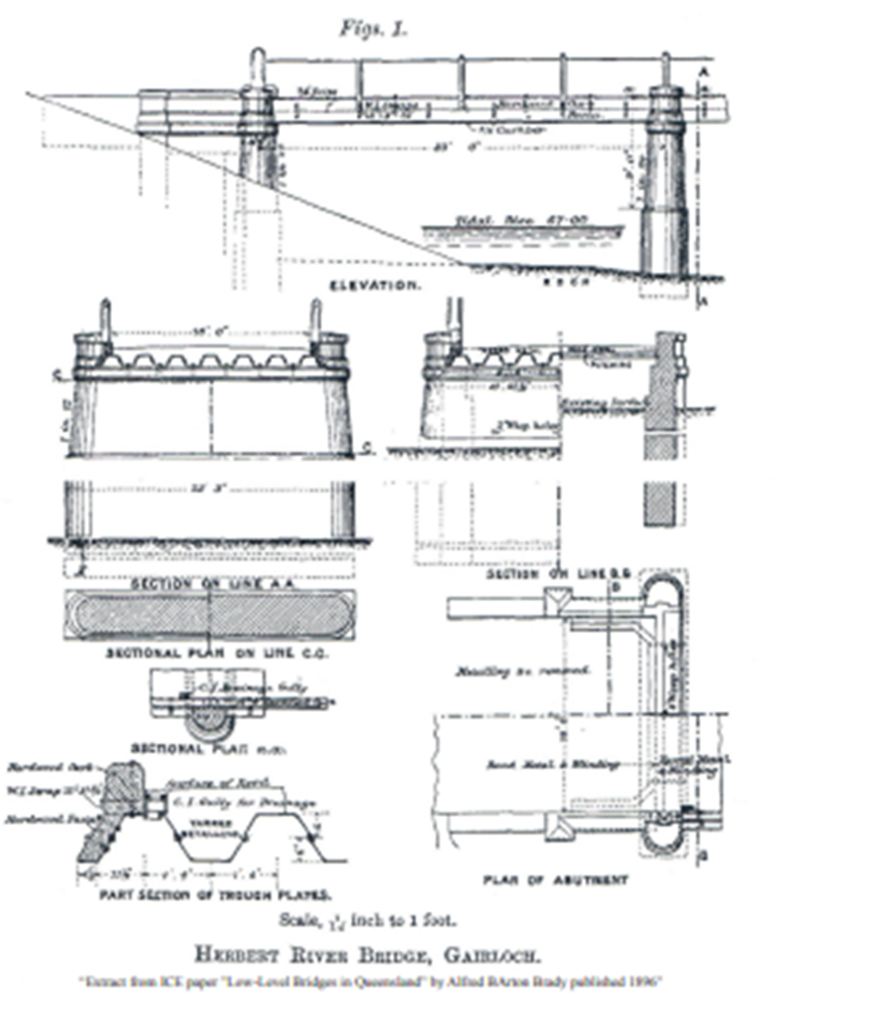
The 14-span bridge stood a comfortable 11 feet (3 metres) above the usual summer level of the river and a frightening 28 feet (8.5 metres) below the highest flood level. Though the submersible bridge was designed to provide the least possible obstruction to the flow of flood waters and the debris they carry, historically major floods have always caused damage. The first were those of 1892 and then 1894. Now in 2025, the bridge is closed to even foot traffic because of the damage caused by the latest flood.
It is the only known road bridge of this design built in the 19th century in Australia and has a number of features that were innovative for its time. Rather than timber decking, mild steel trough plate filled with tarred metal, placed longitudinally, were used. These dispensed with girders. And though this was a more costly design, it meant that the bridge offered little resistance to coursing flood waters.
However, long term, its construction was more cost effective because being low level and submersible. The construction of the bridge is also significant for the use of Portland cement in the piers, abutments and string courses. After the 1894 flood the original asphalt filling of the steel troughs was replaced by Portland cement concrete which also provided improved resistance to degradation. This use of concrete in the deck is the earliest type of this form of construction in Australia.
The deep approaches cut through the sandbanks were shored by bricks or logs on the approaches, and washaways at those points impacted the bridge and surrounding land significantly over the years. It is recorded that “an evident engineering mistake was made in not consolidating the cutting on the North side similar to that on the Eastern bank. With the big flood of 1894, the river broke through on the north side and caused the big washaway, which successive floods attack with unabated fury. In that memorable landslide of 1894, Mr. E. Farr had a store and residence on the top of the bank and it was completely engulfed on the night of April 9th. 1894, the occupants being removed to safety only a few hours previously. A bullock waggon loaded with provisions was tethered to a big tree by a stout chain, near the scene of the wash-away, but tree and waggon completely disappeared, and only a few years ago a yoke was fished up many miles away, this being all that has been found.”
The costs of maintaining the bridge were high, and once the John Row Bridge was built in 1967, the Gairloch Bridge became redundant to all but local traffic, with an Engineering Heritage Marker and interpretative board being placed on the approach to Gairloch Bridge in 18 March 2014. Though untrafficable now, it is vital that this bridge is maintained at least for foot traffic because of its heratige status.

The government is driving down power bills for Queensland renters, with applications for the Supercharged Solar for Renters program now open. The program is expected to deliver immediate benefits, helping 6,500 households save around $700 a year.
The $26.3 million Supercharged Solar for Renters program will provide rebates of up to $3,500 to eligible landlords who install rooftop solar on their rental properties. The initiative has been designed in consultation with industry and tenant groups to ensure the best outcome for Queenslanders.
Treasurer, Minister for Energy and Minister for Home Ownership David Janetzki said this was another step the government was taking to support Queenslanders, whether they rent or own a home.
“It’s a win-win-win, easing costs for renters, enhancing property values for landlords, all while supporting renewable energy adoption in Queensland.
Treasurer Janetzki said while the number of Queensland homes and businesses using solar PV systems soared past 900,000, many renters had been missing out.
“Queenslanders’ love of rooftop solar is evident, with 40 per cent of the State’s households adopting it. This program ensures the strong take-up continues and renters also reap the benefits,” he said.
“The government is committed to a diversified energy mix. As outlined in our Energy Roadmap, solar will play an integral role in long-term stability in the network and to help meet future demand.”
In North Queensland, locals know better than anyone the power of the sun, and solar provides a reliable, practical option for households preparing for the wet season. With rooftop solar, families can be assured of electricity and less reliant on petrol generators during storms or floods, giving peace of mind and energy security when power disruptions occur.
The Supercharged Solar for Renters program applies to eligible landlords with detached dwellings, townhouses, and duplexes. It will initially be available for properties rented at $1,000 per week or less.
For more information on eligibility requirements and the application process, visit www.treasury.qld.gov.au/policies-and-programs/energy/supercharged-solar-for-renters/
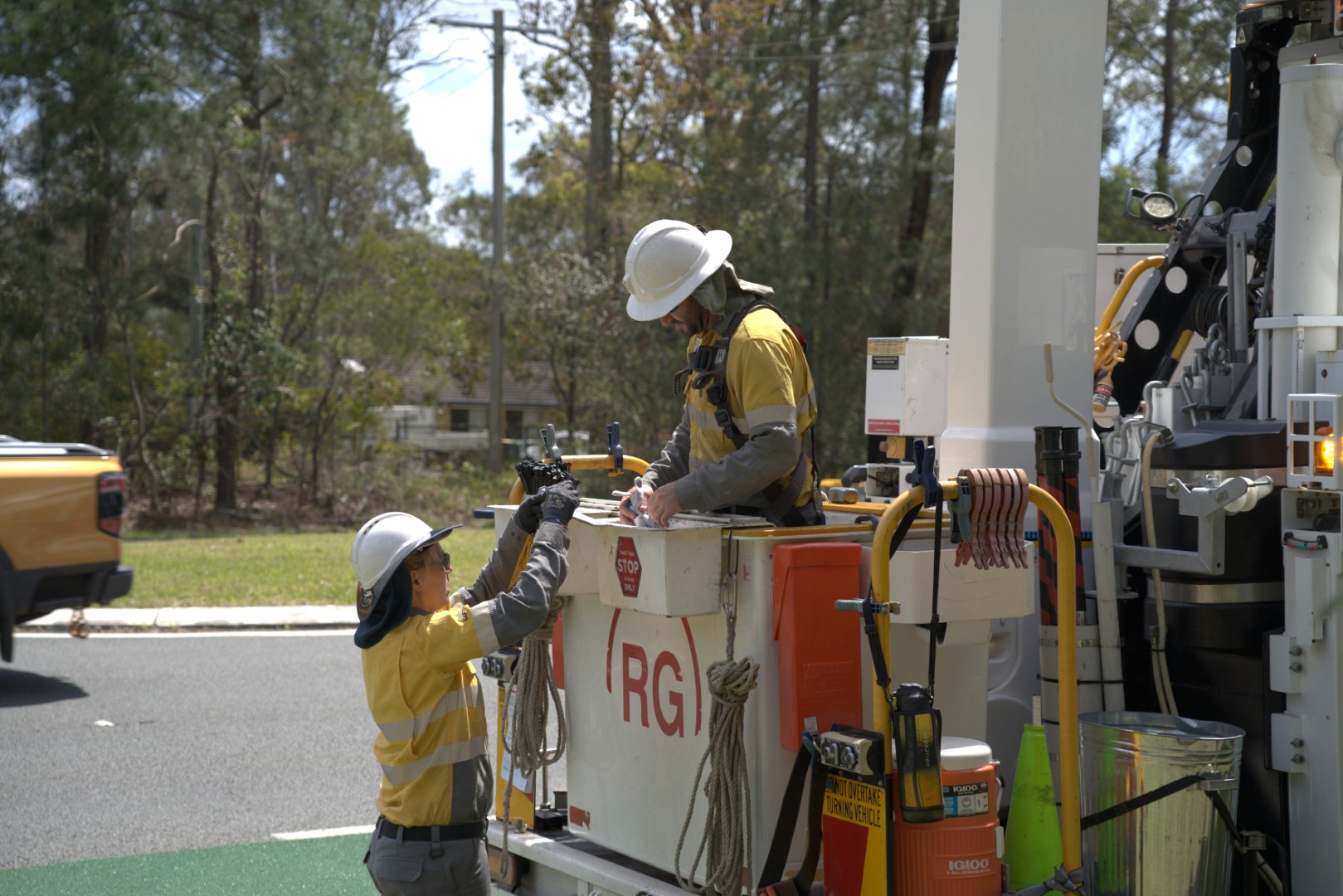
Ergon Energy Network and Energex had a busy start to the year with major flooding in North Queensland and Cyclone Alfred in South-east Queensland, but outside of disaster response they have been even busier.
Chief Operating Officer Jeff Green said the everyday work of crews and the people who support them is often forgotten, even though almost $2 billion was invested last financial year to maintain, design and build new sections on Queensland’s electricity distribution networks.
“The big events always attract a lot of attention because they lead to a lot of outages and damage, but the reality is the same crews are doing much the same work every day as part of business as usual,” Mr Green said.
“It’s just that the work is spread out over the rest of the year when they’re not responding to floods, fires, storms or cyclones.
“Last financial year we replaced more than 14,500 poles and extended the life of another 13,000 - that’s on top of nearly 19,000 new crossarms, 500km of new powerline, 338 substation and lines projects.
On top of that effort, crews also inspected 402,000 poles and 225,000 electrical assets across 38 programs of work and rectified 74,000 lines defects.
“That’s why so much focus is on checking our poles and wires and other equipment to make sure that not only are we providing reliable power to customers, but it’s being delivered safely.”
Mr Green said another $2 billion would be invested across the state’s electricity distribution networks in the 2025-26 financial year, with similar targets set as the previous year.
“We’re always ready for extreme weather events, but we are continually planning for all the things we need to deliver every day.”

As the original pub with no beer, Lee’s Hotel continues to prove it is anything but short on atmosphere, flavour and community spirit this January. The bistro is now open seven days a week for both lunch and dinner, giving locals even more reason to make Lee’s a regular stop for a good meal and a relaxed catch-up.
This January, lunch your way into the new year with their Early Bird Eats available every day until 6pm. Diners can enjoy classic pub meals for just $20, making it an ideal option for a hearty lunch or an early dinner before evening plans. It is good value, good food and a great way to beat the rush by enjoying your traditional favourites at great prices.
Australia Day celebrations on 26 January will add to the buzz this month, with banging Aussie tunes, competitions, giveaways and food specials setting the scene for a laid-back and lively day at the pub. It is the kind of atmosphere Lee’s has become known for, welcoming, social and full of local character.
Getting there is easy too, thanks to the Lee’s Hotel Courtesy Bus operating Thursday to Saturday from 5pm until late. The service offers safe pick-up and drop-off, taking the stress out of parking and letting guests focus on enjoying their night. Bookings can be made by calling 0482 189 123.
Friday afternoons also bring a local tradition, with the meat tray raffle running from 4pm to 6pm, always a crowd-pleaser and a great excuse to finish the week at the pub. You never know, you could win and take home a great tray of barbecue-ready meats.
With more opening hours, great-value specials and a full calendar of events, Lee’s Hotel is kicking off the new year in style. Tables can be booked via the Lee’s Hotel Ingham website at www.leeshotelingham.com.au, and as always, bring your mates and make the most of what January has to offer.

Publishers Indemnity. Any individual or entity that places advertising, supplies copy material, or submits editorial content to Life Publishing agrees and undertakes to ensure that all such material:- Does not infringe upon any copyright, trademark, or other intellectual property rights;- Is free from any content that could be considered defamatory, libelous, or slanderous;- Does not infringe upon any rights related to privacy or breach of confidence;- Contains no obscene, indecent, or otherwise unlawful material;- Complies fully with the Trade Practices Act and all other applicable laws, regulations, or statutes. Furthermore, by submitting or placing such material, these individuals or entities agree to indemnify and hold harmless the publisher, Life Publishing and Events Pty Ltd, and/or its agents from and against any and all investigations, claims, demands, liabilities, damages, costs, or judgments arising out of or in connection with the material provided. All material is believed to be accurate at the time of printing and remains the copyright of Life Publishing and Events Pty Ltd.
© 2026 Life Publishing Group Ltd.
