
Independently Owned, Locally Grown, Community Loved
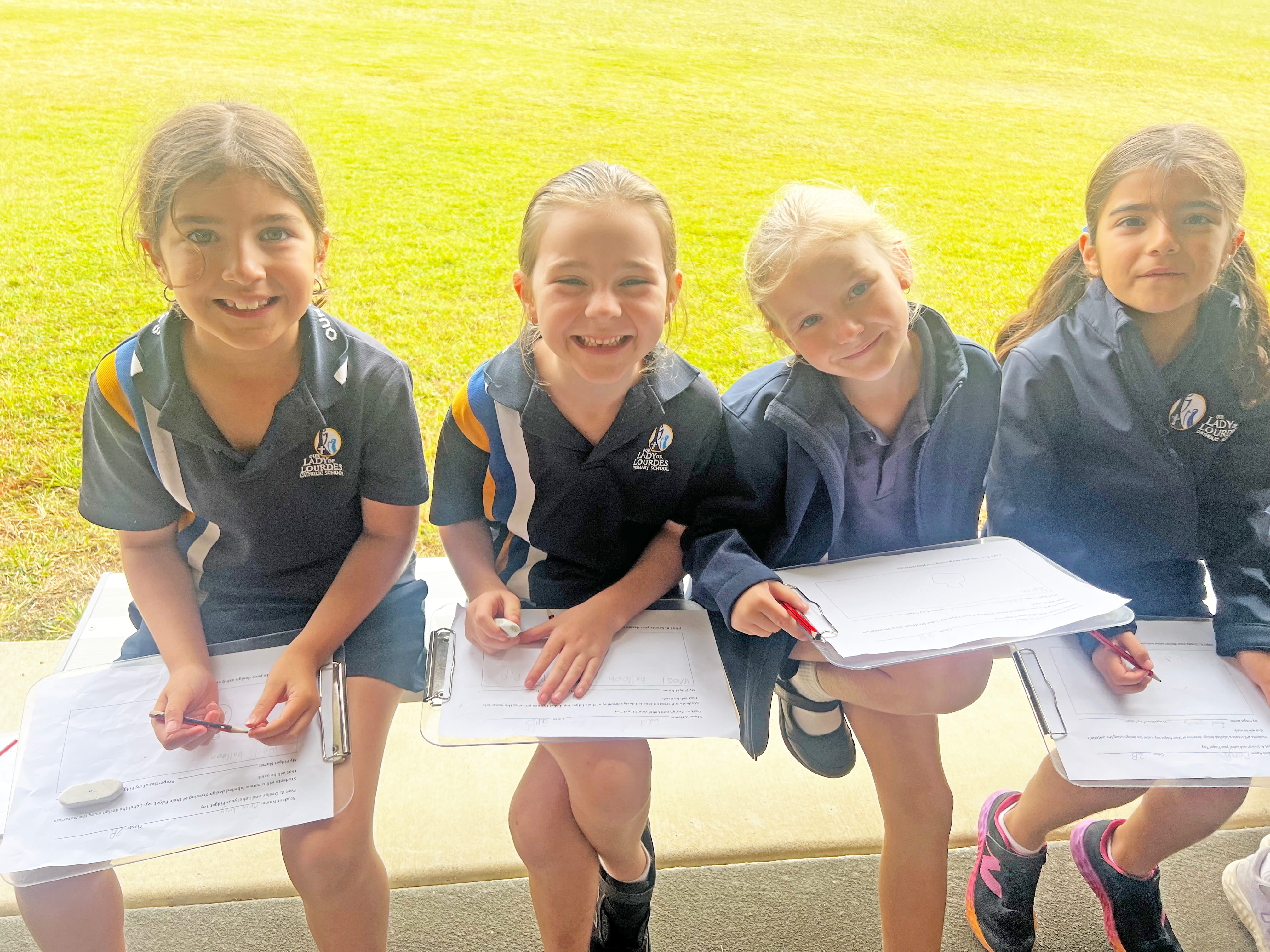
2026 has marked an exciting new chapter for Science at Our Lady of Lourdes with the introduction of Science as a specialist subject across the school. Aligned with the Australian Curriculum Version 9, our science program provides students with opportunities to investigate real-world phenomena through hands-on learning, creativity, inquiry and play. At Lourdes, we believe that students learn best when they are actively engaged in meaningful experiences that allow them to question, explore, design, test and create. Across every year level, students have been immersed in learning that encourages curiosity while developing important skills such as collaboration, critical thinking, problem-solving and resilience. Our Year 2 students have stepped into the role of designers and inventors by creating their own fidget toys. Students investigated how materials can be changed and selected for specific purposes, using the design process to create products that are both practical and engaging. They have loved seeing how different products can be made, especially their favourite toys. Students at Our Lady of Lourdes have had lots of fun being inventors. Photos supplied
Read the full story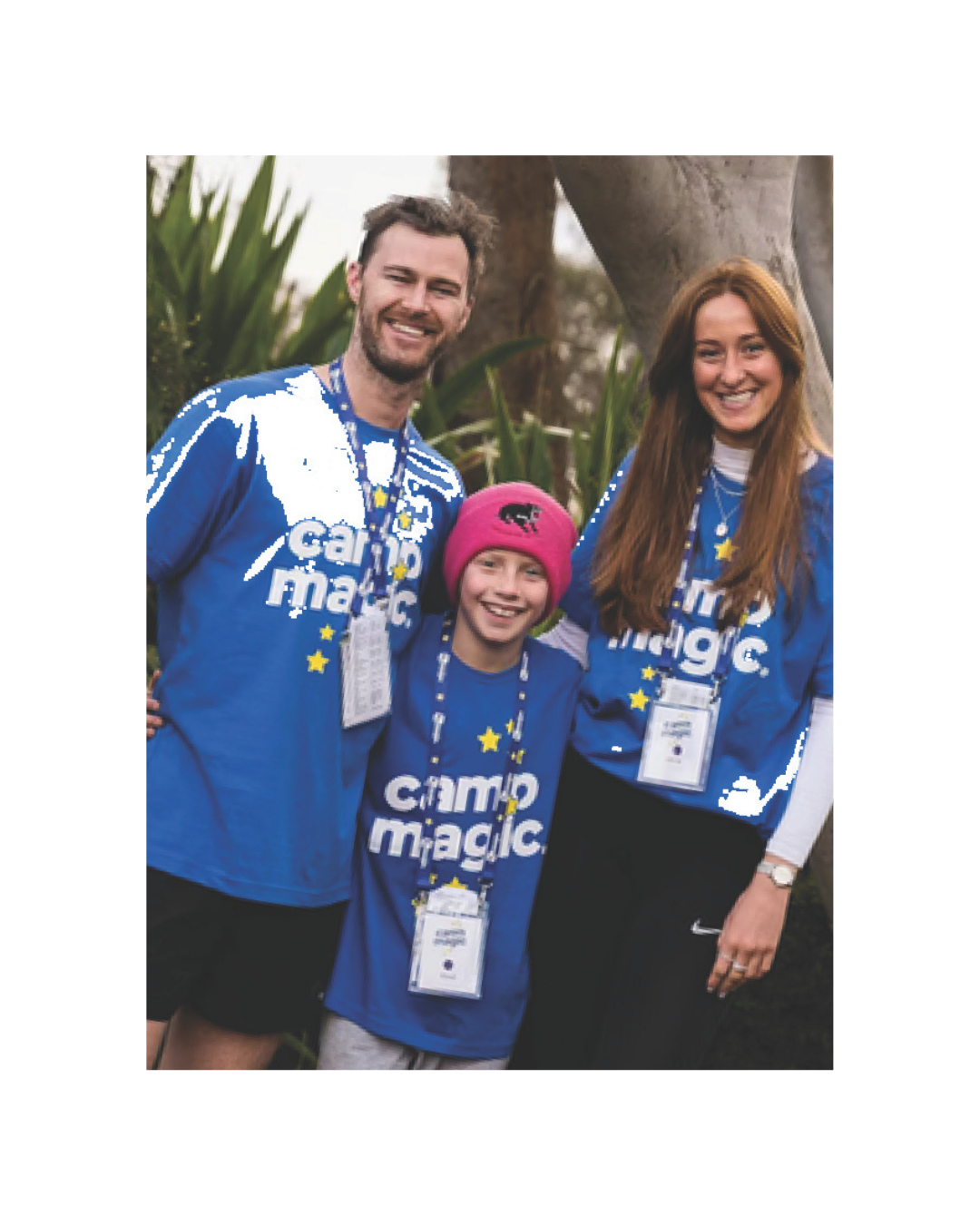
Feel the Magic is providing vital support to children and families across Australia who are navigating the pain of grief, offering a range of free early intervention programs designed to help young people “face, feel and heal” after the death of a parent, guardian or sibling. At the heart of the organisation is a belief that no child should face grief alone. Its programs create a nurturing, supportive environment where children aged 7 to 18 can express their emotions, learn coping strategies, and connect with others who understand their experience. Through its virtual camp programs, Feel the Magic is able to reach families regardless of location. These online sessions bring together grieving children to learn a shared “grief language”, build practical emotional tools, and reduce feelings of isolation through connection with other families. The organisation also offers specialised programs for those impacted by suicide bereavement. These include virtual camps, a one-day face-to-face “Let’s Talk Suicide Family Day Camp”, and the signature Camp Magic experience—an intensive 2.5-day overnight program where children are paired with trained volunteer mentors who provide one-on-one support throughout the camp. Camp Magic focuses on helping children understand grief, regulate difficult emotions and develop healthy coping strategies in a safe and structured environment. A concurrent emotional literacy workshop is also available for parents and guardians, helping families better understand grief responses and strengthen communication at home. For older participants, Grad Camp supports young people aged 16 to 19 as they transition into adulthood while continuing to process their grief experience. Across all programs, Feel the Magic emphasises connection, understanding and hope, with the organisation noting that even a single day can make a meaningful difference in a child’s journey through grief. To learn more about how you can get involved email lauren.galbraith@feelthemagic.org.au. WHAT: Family Day Camp WHEN: 26th July WHERE: The Cathedral School, Townsville
Read the full story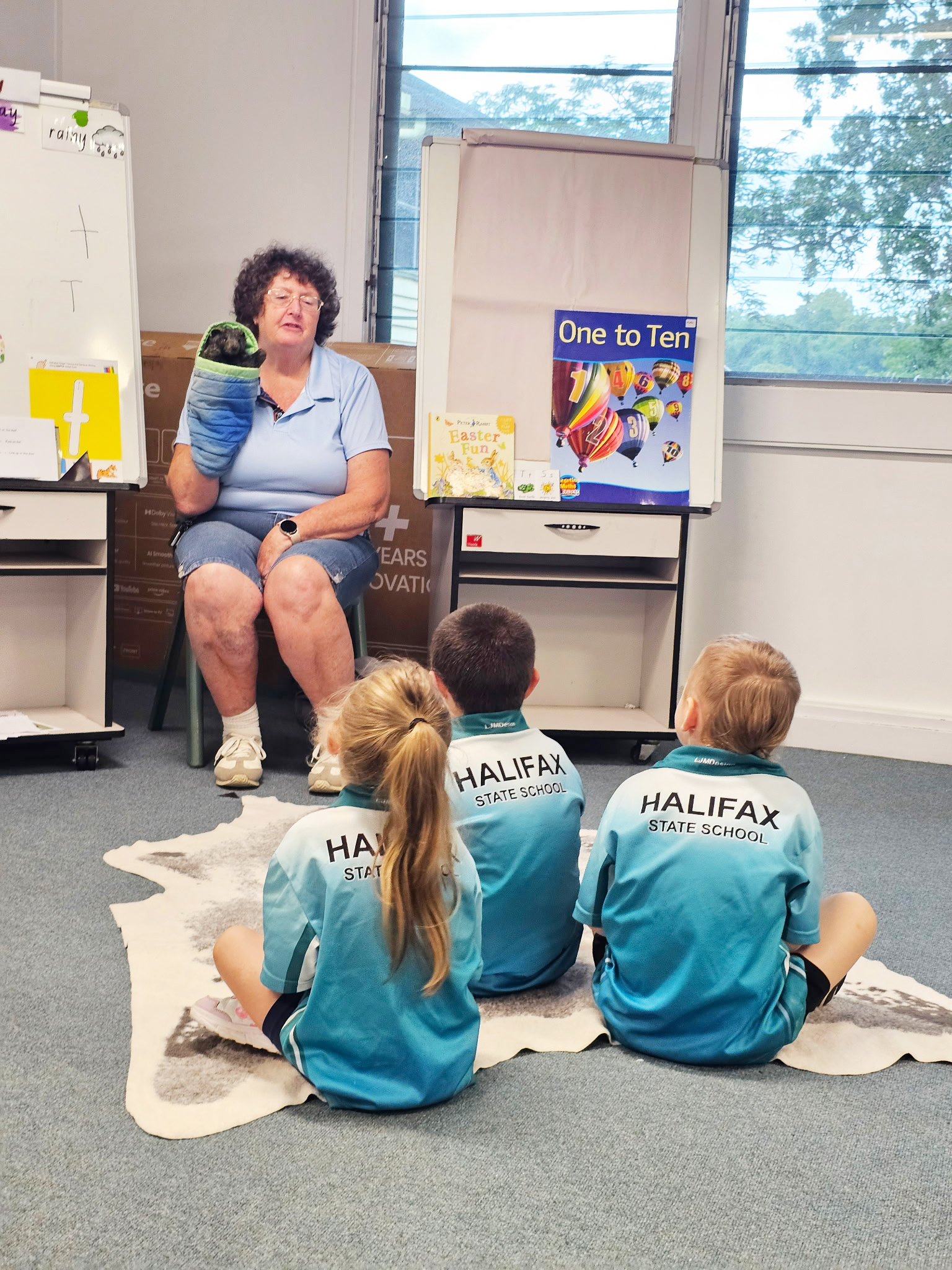
A strong school community is built on the dedication of its people. At the heart of Halifax SS are highly experienced and caring learning support staff who ensure every student feels included, supported, and capable of success. Their work, alongside experienced and innovative teachers, creates engaging classrooms where creativity and curiosity thrive. Play-based learning is one example of this approach in action, helping students develop confidence, independence, and a love of learning from an early age. Bringing these strengths together is exceptional leadership. This has been recognised through the awarding of the prestigious Bill McClintock Medal, introduced in 2016 to honour individuals who contribute to the advocacy and service of the Queensland Association of State School Principals (QASSP), particularly through supporting colleagues across regional and remote communities. “We are all very proud of Michael for receiving this award,” a spokesperson said. “It reflects a commitment not only to school excellence, but to strengthening education across Queensland. “Together, caring support staff, innovative teaching, and award-winning leadership create an environment where students and communities thrive.” Caption: 1. Teacher aide Jenny Genrich incorporates play-based learning to actively engage students and support early skill development in the classroom. 2. Presentation of the Bill McClintock Medal, recognising outstanding leadership and service to education across Queensland.
Read the full story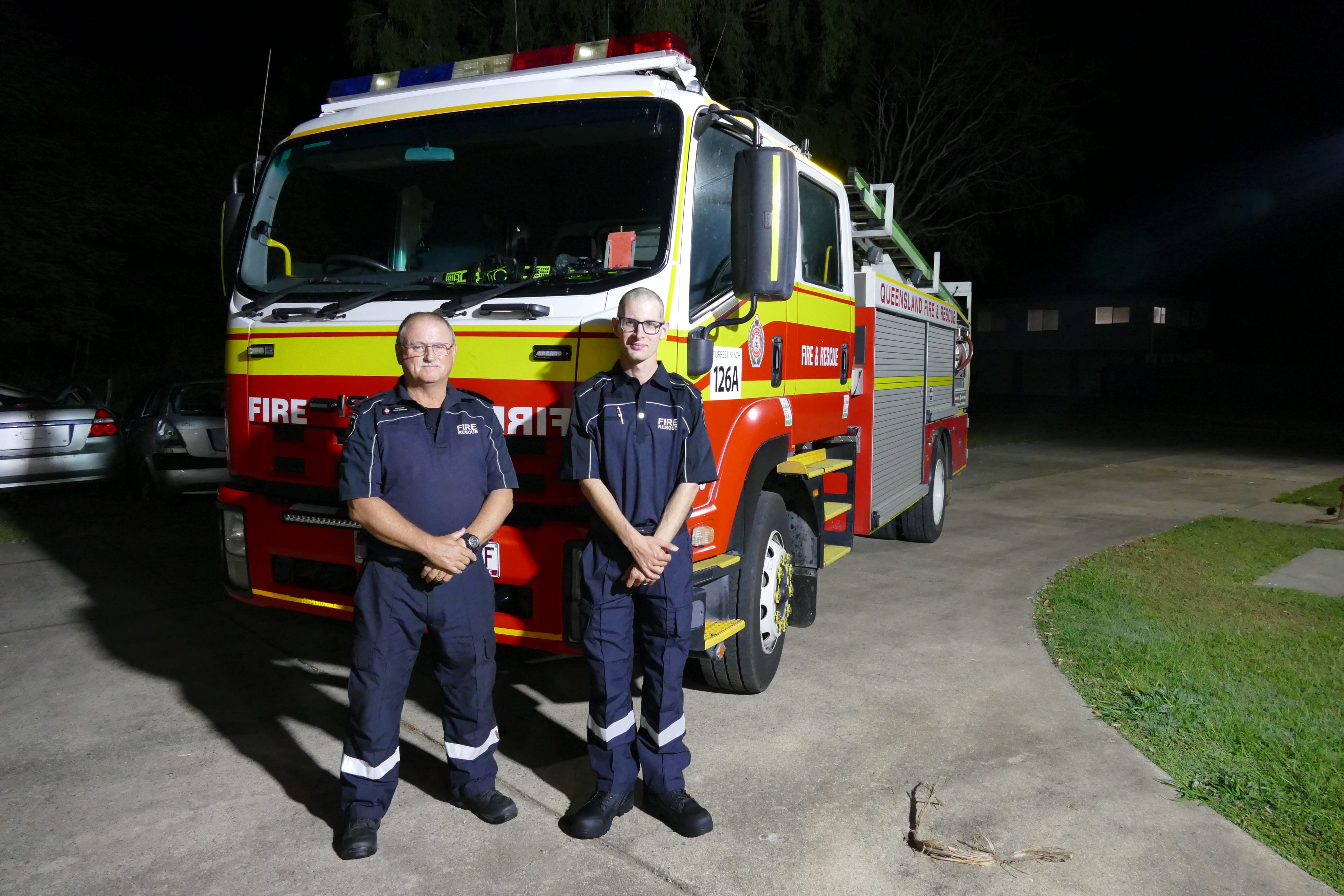
When disaster strikes, firefighters are often the first people the community turns to. But behind every emergency response is a team of locals who give their time, train regularly and step up when their neighbours need them most. Forrest Beach Fire and Rescue is encouraging more community members, particularly younger residents, to consider joining the station and becoming part of the team. "It's a good thing to get people back in from the community, especially for the station here; because we're an elderly community. Getting the younger people in is really, really important,” said Acting Lieutenant Keith Amos. Keith highlighted that being part of the station is a chance to make a tangible impact on the community- and not just in cases of fire. During the major flooding event of 2025 that isolated Forrest Beach and surrounding areas, firefighters assisted residents, with rescues, but also delivering meals and helping secure damaged homes. "The floods, when we were cut off, the way we were seen by the community and how we helped people really made an impact," Keith said. The crew’s role is diverse, and potential recruits are reminded that it’s not all flashing lights and sirens. Beyond the emergencies, auxiliary firefighters have an important role in the everyday community; regularly attending markets, school safety days and events to teach fire safety and engage with local families. During the recent Tasman Turtle Picnic Day, a popular community event for children, countless young attendees were proudly sporting the station’s bright, colourful Blazer the Koala firefighting mascot stickers. "We try and get into the community, showing what we do," Auxiliary Firefighter Michael Monbelli said. Michael also explained that for him, the biggest obstacle is balancing service with everyday life – though this factor he feels is understood and well-supported by the crew. Michael balances his firefighting role with full time work at the mill, and a busy family life with young children. On his team, there is a schoolteacher, two ex-servicemen, and another millworker. Auxiliary firefighters also commit significant time to weekly training. As for emergency response, call-outs can occur at any hour of the day or night. "Being an auxiliary is that we're on call.” Acting Lieutenant Keith Amos explained. “So even on our Wednesday night training we can get a call." Keith described the role as ‘drop everything and jump into action’. Despite the demands, Former Army serviceman Mark McEwen believes many people underestimate how manageable the role can be. "It doesn't take too much out of your normal week. Give up your three hours of training on a Wednesday, and you're on call." At the same time, emergency work can be unpredictable. "Things can change in a heartbeat," Mark said. He recalled a 4:00am call-out to a possible house fire. "Eight hours later, we get home. Us older fellas feel it a bit more, but it was worthwhile. That's what we're here for." The crew also works closely with volunteer organisations including the SES and Forrest Beach Surf Life Saving Club. During the February 2025 flood event, firefighters and surf lifesavers combined resources to rescue elderly residents trapped by rising floodwaters. According to the firefighters, the biggest motivation to get involved is that it feels good to make a difference in your community. "It's that sense of pride," Keith said, "I take pride in this job and I love doing it." "Even if you've never thought about becoming a firefighter, come down and have a chat to us," Keith said. "It's that simple.” Caption: Members of the Forrest Beach Auxiliary Firefighters: Glyn Morgan, former Air Force serviceman, and Braydon Fratus, local mill worker and the brigade's newest recruit, standing by the Forrest Beach Brigade’s fire engine.
Read the full story

The Hinchinbrook community is among those set to benefit from three new flood recovery funding packages totalling over $77 million, delivered by the Albanese and Crisafulli Governments to support North and Far North Queensland’s ongoing recovery from this year’s devastating monsoonal floods.
The latest funding, announced under the Disaster Recovery Funding Arrangements (DRFA), includes environmental restoration projects and legal assistance for flood-affected residents in the Hinchinbrook region.
The three new support packages are:
These packages bring the total disaster recovery support provided across North and Far North Queensland to more than $507 million, following the North and Far North Tropical Low disaster event in January and February 2025.
Federal Minister for Emergency Management Kirsty McBain said the scale of flooding called for a long-term, comprehensive recovery plan.
“From the get-go we have stressed our unwavering support to all north Queenslanders impacted by this disaster,” Minister McBain said.
“We are committed to ongoing recovery efforts in the region and determined to see this work through - actions such as stabilising erosion, revegetating waterways, controlling weeds and pests, and biodiversity conservation will ensure we not only recover but are ready for the future.”
The Environmental Recovery Program will be available across 40 local government areas, including Hinchinbrook, with a focus on protecting and restoring ecosystems, natural waterways, and coastlines.
Queensland Minister for Disaster Recovery Ann Leahy highlighted the important connection between strong infrastructure and resilient communities.
“Having safe and reliable water supply improves health and economic outcomes. It gives residents peace of mind, and businesses confidence,” Minister Leahy said.
The Legal Assistance Relief will be particularly important for Hinchinbrook residents navigating the aftermath of the floods, helping locals deal with legal issues that may otherwise hinder recovery.
“It is a well-known fact that sport and recreation plays a vital role in the community by providing much needed extracurricular activity through sport and social activities," Minister Leahy said.
“Restoring the operations of impacted facilities contributes significantly to community recovery.”
Residents and business owners in Hinchinbrook seeking assistance or more information on these programs can visit www.qra.qld.gov.au.

The Bruce Highway Advisory Council (BHAC) met in Gin Gin last week to progress safety upgrades across Queensland’s most vital transport corridor — with Ingham already experiencing the benefits of early action.
As part of the $9 billion Bruce Highway Targeted Safety Package, announced by the Crisafulli Government and secured in partnership with the Federal Government, one of the first completed safety upgrades is located between Ingham and Townsville. The project was part of the initial rollout of safety works now underway across the state.
Ingham residents who regularly use the Bruce Highway are among the first to see on-the-ground results from the largest investment in the highway in over a decade. The upgrades aim to reduce risk for local drivers and long-haul travellers alike.
The Bruce Highway Advisory Council, chaired by Minister for Transport and Main Roads Brent Mickelberg, includes regional voices and industry experts. It was reinstated by the Crisafulli Government to ensure real community input into the future of the highway.
“The Bruce Highway is the spine of Queensland’s road network. That’s why we re-established the Bruce Highway Advisory Council – to ensure the people who live and work along the corridor have a real say in how it’s improved,” Minister Mickelberg said.
“We’ve already seen the impact of this Council’s advice, with more overtaking lanes, intersection upgrades, and rest areas being prioritised in response to what members told us.”
Construction is now underway on six of the 16 early works projects, with Ingham included in this crucial first stage. These works form part of a $300 million fast-tracked rollout, enabled by an 80:20 funding deal struck earlier this year.
A key focus of the latest BHAC meeting was on developing a fatigue management strategy—a priority raised repeatedly by regional members, including those from the north.
“Tragically, 158 people have lost their lives on Queensland roads so far this year,” Minister Mickelberg said.
“We know fatigue can be a silent killer on our roads, and that’s why we’re working with the Council to develop a best-practice fatigue management strategy that will save lives.”
The advisory council’s visit to regional Queensland is not only helping shape a safer highway for the future, but also ensures communities like Ingham are represented when decisions are made.
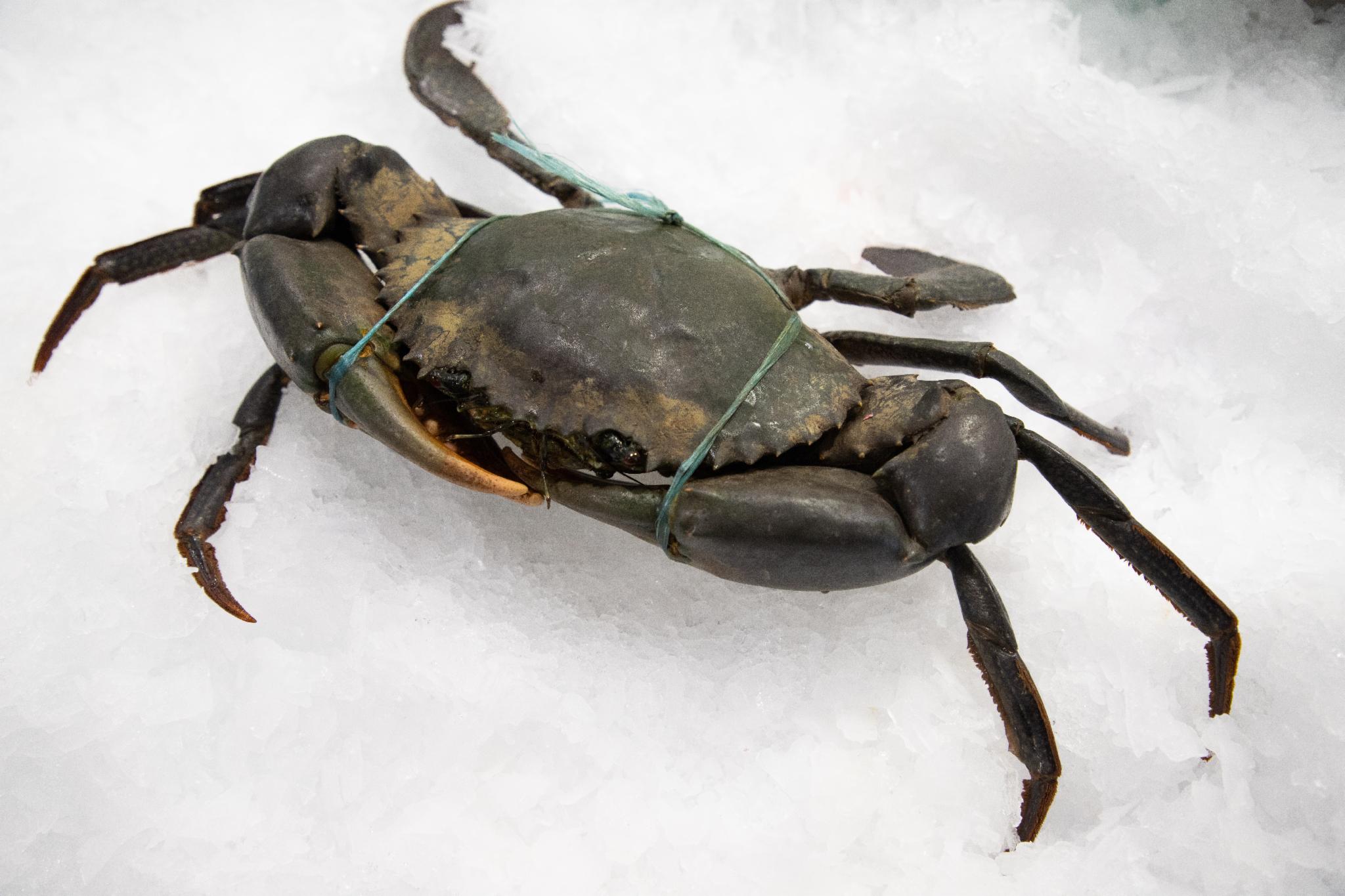
Catching a crab that appears healthy but contains little to no meat can be both disappointing and wasteful. Crabs that have recently moulted are often empty or contain soft flesh that has not yet fully developed and identifying and returning these crabs to the water allows them time to harden and grow, ultimately contributing to a more sustainable crab population.
There are several indicators that a crab may not be full:
Crabs should always be properly restrained or tied before any manual inspection is carried out to avoid injury.
Returning soft-shelled or underdeveloped crabs to the water is not only best practice for ethical fishing but also ensures they may be recaught later when they are fully formed and suitable for consumption.
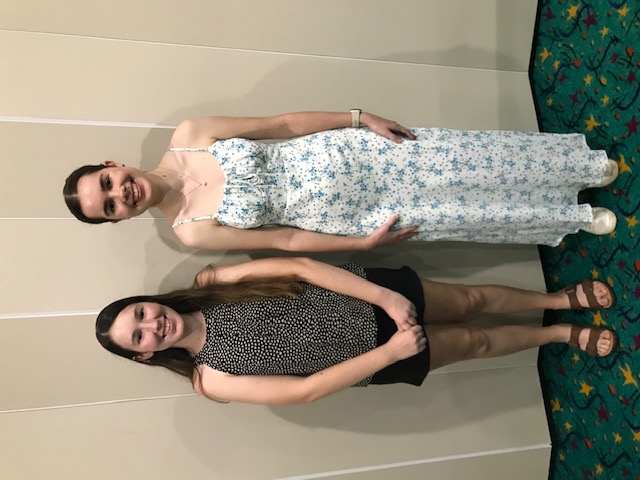
Annually, the charitable Herbert River Farmer’s League presents generous bursaries to celebrated youths of the Herbert Valley who are enrolled at tertiary institutions, and just last month, the club awarded its 2025 bursaries to three fortunate students.
At an event held at the Ingham RSL on the 5th of July, James Cook University (JCU) Occupational Therapist student Isabella Hemmett (formerly of Ingham State High School), JCU Physiotherapy student Emily Scott (formerly of Gilroy Santa Maria College) and JCU Veterinary Science student Cooper Morley were each presented with one of the Herbert River Farmer’s League bursaries in celebration of their academic excellence and commitment.
First established in 1897, the Herbert River Farmer’s League is comprised of delegates from various groups within the Halifax Planters Club and all have associations with the region’s rich agricultural and sugar cane farming practices. In its earlier years, the Herbert River Farmer’s League worked closely with the Australian Sugar Producers Association, the Australian Cane Growers Association and the Queensland Canegrowers Association.
In 1977, the club began its educational efforts to support students from the district who wished to attend the Queensland Agricultural College in the Burdekin Shire, and overtime, the League has invested just under $400,000 into the education of local students, awarding over 100 bursaries.
For more information on the bursaries and the work of the Herbert River Farmer’s League, email Chairman, Maurice Filei at filei36@bigpond.net.au.

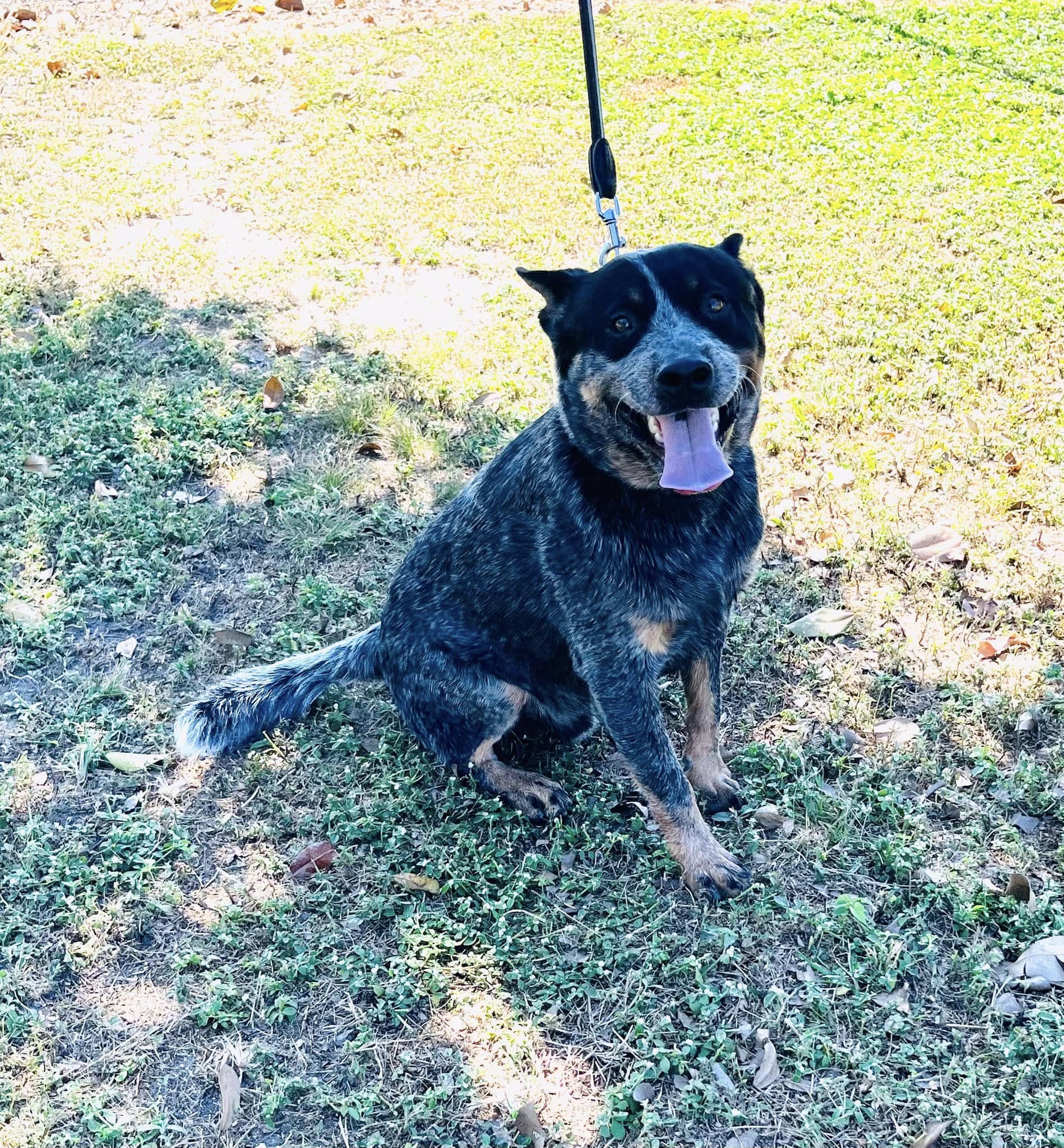
Meet Storm, a truly magnificent Australian Blue Heeler with stunning looks, a sharp mind, and energy to match. This 18-month-old dynamo is the complete package — smart, loyal, and bursting with enthusiasm for life.
Storm is already well on his way to being the perfect companion. Most of his training has been expertly handled, and he walks beautifully on lead. Whether it’s a jog through the bush, a game of fetch, or a backyard run, Storm is ready to go. He thrives with daily exercise and loves being mentally stimulated, making him ideal for an active home that can match his adventurous spirit.
But it’s not all go-go-go. Storm is deeply loyal and will form a strong bond with his humans. If you’re looking for a best mate to stick by your side through every outing and adventure, Storm’s your boy.
Think Storm sounds like the perfect match? Fill out an enquiry form at: www.angelpawsinc.com.au/forms.html
Adoption fee includes his desexing, microchipping, up-to-date vaccinations, flea/tick and intestinal worm treatment, and ProHeart injection.
Adoption Fee: $650
DOB: 08/11/2023
Sex: Male
Breed: Australian Blue Heeler
Kid Friendly: Yes
Cat Friendly: No
Dog Friendly: Yes
Fencing Requirements: 6ft secure fencing

by Jonny Pearce, Abergowrie
I get my beef from Bullock Creek.
They drop it to me every week.
It comes from cattle plumply fed
on Abergowrie's emerald bed.
By crashing waterfalls and streams,
where poets want to paint their dreams,
in Herbert River Valley's heart -
as God displays his misty art.
Just drive as far as you can go -
‘til mountains meet and life is slow.
Inside this station’s rustic gates -
the beef is reared to fill our plates.
Bulls spangle every shade of green
with black and white to dot the scene.
From dawning sparks to mellow fades -
this bovine munch on leafy blades.
The water here is mountain-pure -
no beast could want for any more.
They roam around and gently graze
in paradise throughout their days.
Then from this paddock to the plate,
at sixteen bucks per kilo weight,
it comes in fillet, mince and snags -
all vacuum-packed in plastic bags.
There's t-bones, rump and tender ribs.
You'd think that I was telling fibs -
but that's delivered to your door.
And once it's gone - you order more.
To feed an army at a feast -
I'd go for half a tender beast.
Just add some salt - no need for spice.
You couldn't find a better price.
So if you haven't phoned before,
and had this beef dropped to your door,
then call the number on the card,
and fry it up - or have it charred.
On Abergowrie's final flat,
where grass is thick and bulls are fat,
inside the range’s silver peak -
there's dinkum beef at Bullock Creek.
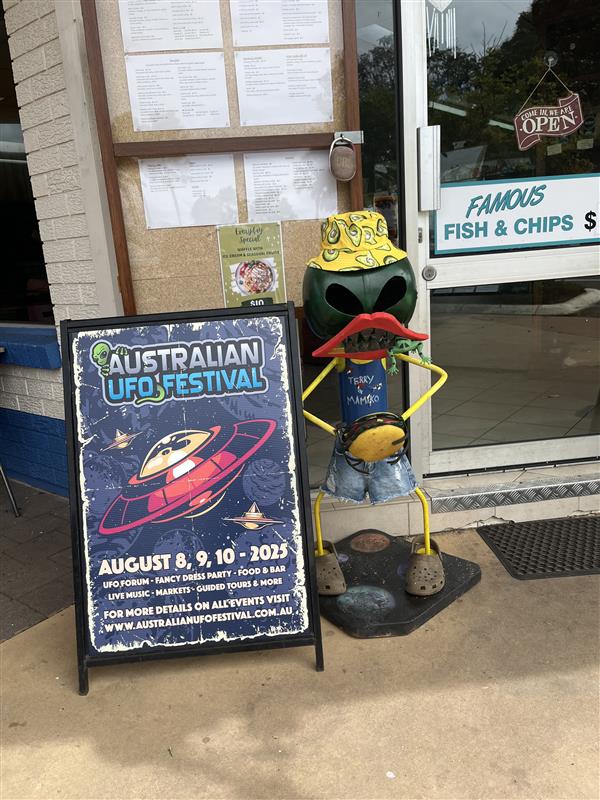
Strange sightings, cosmic conversations, and plenty of community fun as the Australian UFO Festival returns to Cardwell this August with an action-packed program that’s as educational as it is out-of-this-world.
Running from Friday, 8th August to Sunday, 10th August 2025, this annual event is one of the region’s quirkiest and most beloved gatherings. With something for believers, sceptics, families and fun-seekers alike, it’s no wonder people from across the country are circling this date on their calendars.
The weekend kicks off with free events on Friday, including a Planetarium experience and the storytelling evening Stories in the Stars, both held at the Cardwell Community and Sports Halls. These events set the tone for a weekend that blends scientific curiosity with wonder and entertainment.
At the centre of the festival is the C-Files Forum, a two-day speaker series delving into UFOs, personal encounters, and cosmic mysteries. Hear from researchers, contactees, authors, spiritual and scientific leaders as they delve into the ancient and modern mysteries surrounding the alien unknown
For those wanting to explore Cardwell’s UFO connections firsthand, C-Files Tours run throughout the weekend, guiding curious minds through the local sites and stories that put this seaside town on the paranormal map.
The festival also celebrates local talent and creativity, with events like the Hinchinbrook Regional Arts Mosaic Workshop and the Star People & Ancestral Connections Workshop delving into spiritual and cultural interpretations of the cosmos.
Families are especially well catered for. Saturday night’s Alien Invasion Fancy Dress Party on the foreshore promises fun for all ages, with costume competitions (judging at 6.30pm for kids and 7.30pm for adults), food vans, and live music by Six Rocco. If you’re planning to stay late, a courtesy bus will shuttle partygoers home from 5pm to midnight.
Sunday keeps the energy high with the Monster Market Day, Cosmic Kids activities, Crab Races, and a classic Aussie BBQ at the RSL. Even practical minds have something to explore, with a Moon Phases Workshop, a car boot sale and many galactic tour options rounding out the festival’s many offerings.
Whether you’re stargazing, shopping, learning, or just soaking in the quirky atmosphere, the Australian UFO Festival in Cardwell proves that community spirit and cosmic curiosity can be a perfect match.
For tickets and bookings, head to www.australianufofestival.com.au or check out the event’s social media pages.

There’s something truly special about knowing your next holiday is already taken care of, and now is the perfect time to book it.
NQ Travel & Cruise is proud to partner with Collette to bring you exclusive earlybird savings on over 170 premium guided tours worldwide. Whether you’re dreaming of meandering through Tuscany’s countryside, cruising the canals of Venice, or learning to cook like a local in the Italian Riviera, Collette’s “Italy’s Treasures” tour is just the beginning.
Book by 31 August 2025 and enjoy 15% off select departures, it's generous savings on truly unforgettable journeys. With handcrafted itineraries, experienced tour managers, and immersive local experiences, Collette tours offer the perfect balance of comfort, culture, and connection.
Let us take care of the details while you focus on what really matters: seeing the world, your way. Pop into our office at 73-81 Lannercost Street, give us a call on 07 4440 3310, or visit our website www.nqtravelandcruise.com.au to start planning your next great adventure.
Your dream holiday is calling, and with Collette, it’s closer (and more affordable) than ever.



Each silky spoonful of this speedy Chinese soup is laden with fresh corn and shallots.
Ingredients
4 corncobs, husks and silk removed
1.5L (6 cups) chicken stock
2 tsp finely grated fresh ginger
2 tbsp light soy sauce
2 tsp cornflour
60ml (1/4 cup) cold water
2 egg whites
1 x 227g ctn fresh crab meat, drained
4 green shallots, ends trimmed, thinly sliced diagonally
1/2 cup fresh coriander leaves
Step 1. Use a sharp knife to cut down the length of the corn, close to the core, to remove the kernels.
Step 2. Place the corn, stock and ginger in a large saucepan. Cover and bring to the boil over high heat.
Step 3. Reduce heat to medium and simmer, uncovered, for 5 minutes or until the corn softens slightly.
Step 4. Meanwhile, whisk together the soy sauce, cornflour and 1 tablespoon of water in a small bowl until smooth. Whisk together the egg whites and remaining water in a bowl.
Step 5. Add the cornflour mixture to the corn mixture and stir until well combined. Cook for 1 minute or until the soup thickens slightly. Gradually add the egg mixture in a thin, steady stream, stirring constantly until combined.
Step 6. Stir in the crab meat and shallot. Season with pepper. Ladle among serving bowls and sprinkle with the coriander. Chilli to Serve.

Everybody knows them for their smashing fish and chips and scrumptious burgers, but did you know Forrest Beach Takeaway serves up so much more? Just look at some of the incredible meals they cook fresh to order every weeknight!
Follow their Facebook page for daily specials and updates on what’s on the menu. With comforting home-style meals and generous portions, it’s the perfect excuse to take the night off cooking. Feed yourself or the whole family, the Forrest Beach Takeaway has you covered. Meals available from 5:30 pm and start from $20, call ahead to order on (07) 4777 8918.
MONDAY NIGHT MEAL SPECIALS
Roast Pork or Roast Lamb with Potato Bake and Vegetables
Crumbed Chicken with Creamy Garlic Tortellini
Rogan Josh Curry with Rice and Roti (Lamb or Chicken)
TUESDAY NIGHT MEAL SPECIALS
Corned Beef Silverside with Mash and Vegetables
Drunken Noodle Stir-fry (Chicken)
Curried Sausages with Mash and Vegetables
WEDNESDAY NIGHT MEAL SPECIALS
Creamy Garlic Prawns with Rice
Penang Chicken Curry with Coconut Rice
Shepherd’s Pie with Vegetables
THURSDAY NIGHT MEAL SPECIALS
Honey Chicken with Fried Rice
Chow Mein Noodle Stir-fry (Chicken or Vegetarian)
Lemongrass Beef Stir-fry with Coconut Rice
And of course, they have PIZZA FRIDAYS! One happy customer summed it up best: “Thank you for cooking such superb meals – each dish we’ve tried since moving here has been freshly made with beautiful ingredients, served piping hot. We are so lucky to have you in Forrest Beach. If you’re passing through, this venue is a must for any travelling campers.” Alex Mini



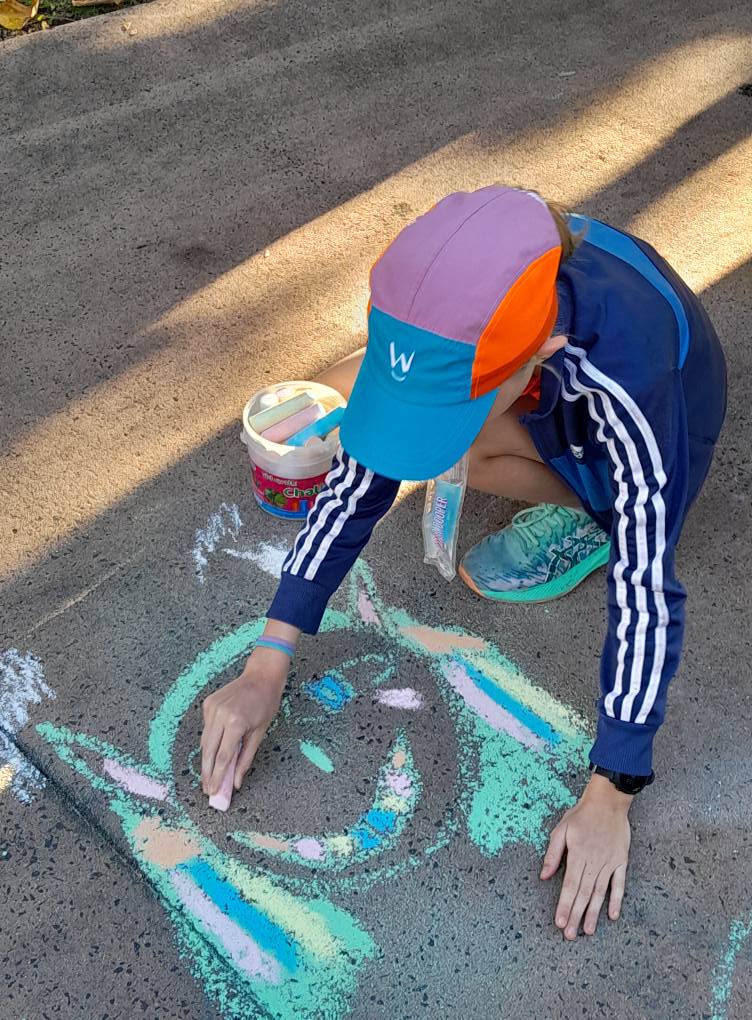
by Victoria Velton
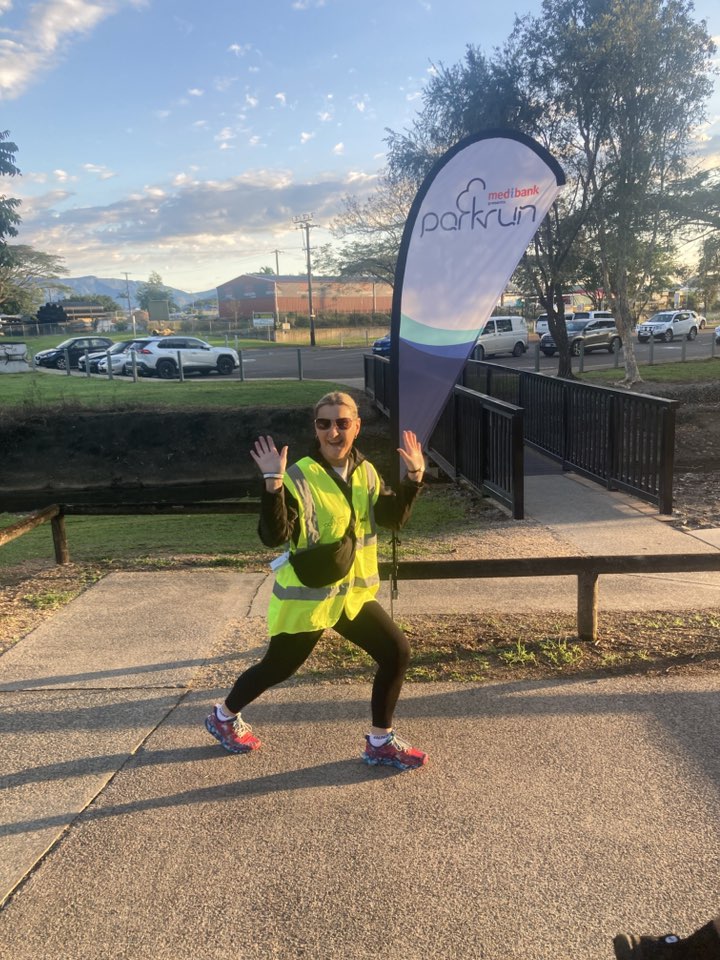
At Palm Creek, it was a fresh start to the morning. Our 17 parkrunners enjoyed the cool change and the chill breeze that kept us all comfortable while we ran. There were five new faces, with a first-timer taking out the top spot this week. Two personal bests were recorded, one after the other, including my own! I nearly cracked the top ten but finished just outside in eleventh place. I know it’s not a race, but I’m so happy with my progress and truly grateful for the encouragement from all my fellow parkrunners and volunteers. You make getting out of bed on a Saturday morning absolutely worth it.
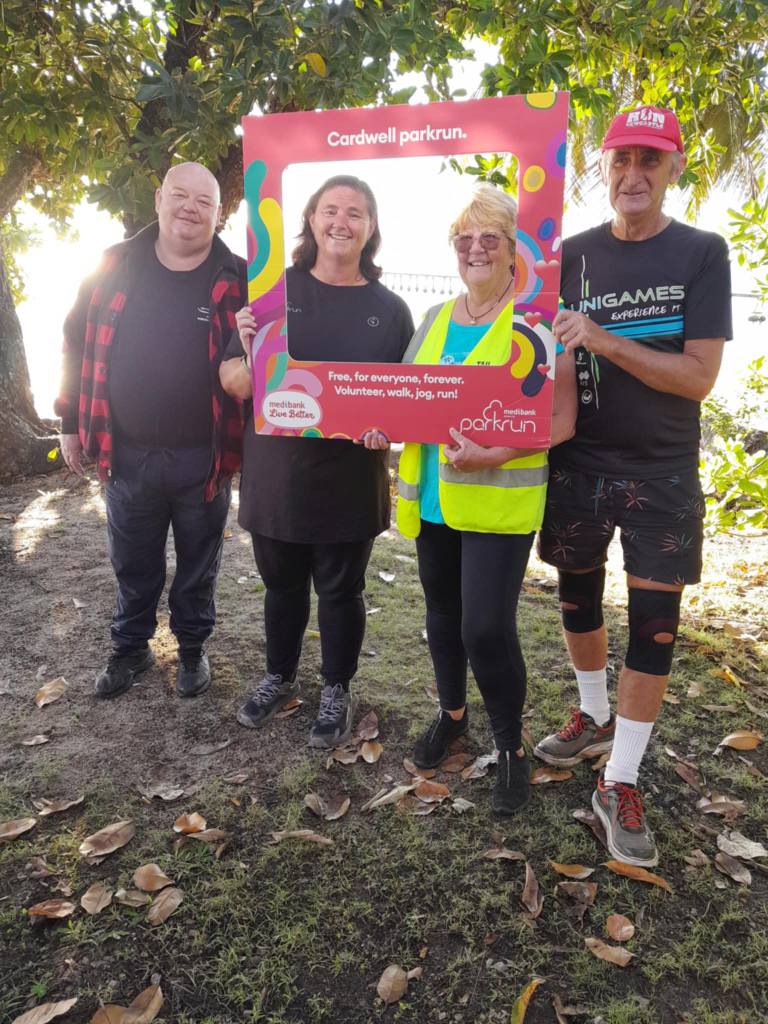
In Cardwell, a big well done to the 12 participants who took to the foreshore path that morning on a pleasantly cool day. The local Red Earth Running group claimed all three top spots, and three lovely newcomers strolled across the finish line to wrap up the morning on a cheerful note.
Remember, you can grab a coffee or post-parkrun brekkie with friends afterwards. Warm up at a local cafe and dig into a plate of energising eggs and bacon, perhaps!
Park Run Results: 2nd August 2025
Palm Creek #84 – 17 participants
Fastest time: 23:24 | Finisher time: 54:45
Volunteers: Erin Cerutti, Helen Digger, Bridgette Duffy, Matteo Mancuso, Donna Marbelli, Steven Veltmeyer
Cardwell #346 – 12 participants
Fastest time: 29:40 | Finishers' time: 52:42
Volunteers: Kellie Ball, Neil Bland, Terry Curtin, Deborah Eschebach, Jan Ferguson, Kerry Snell
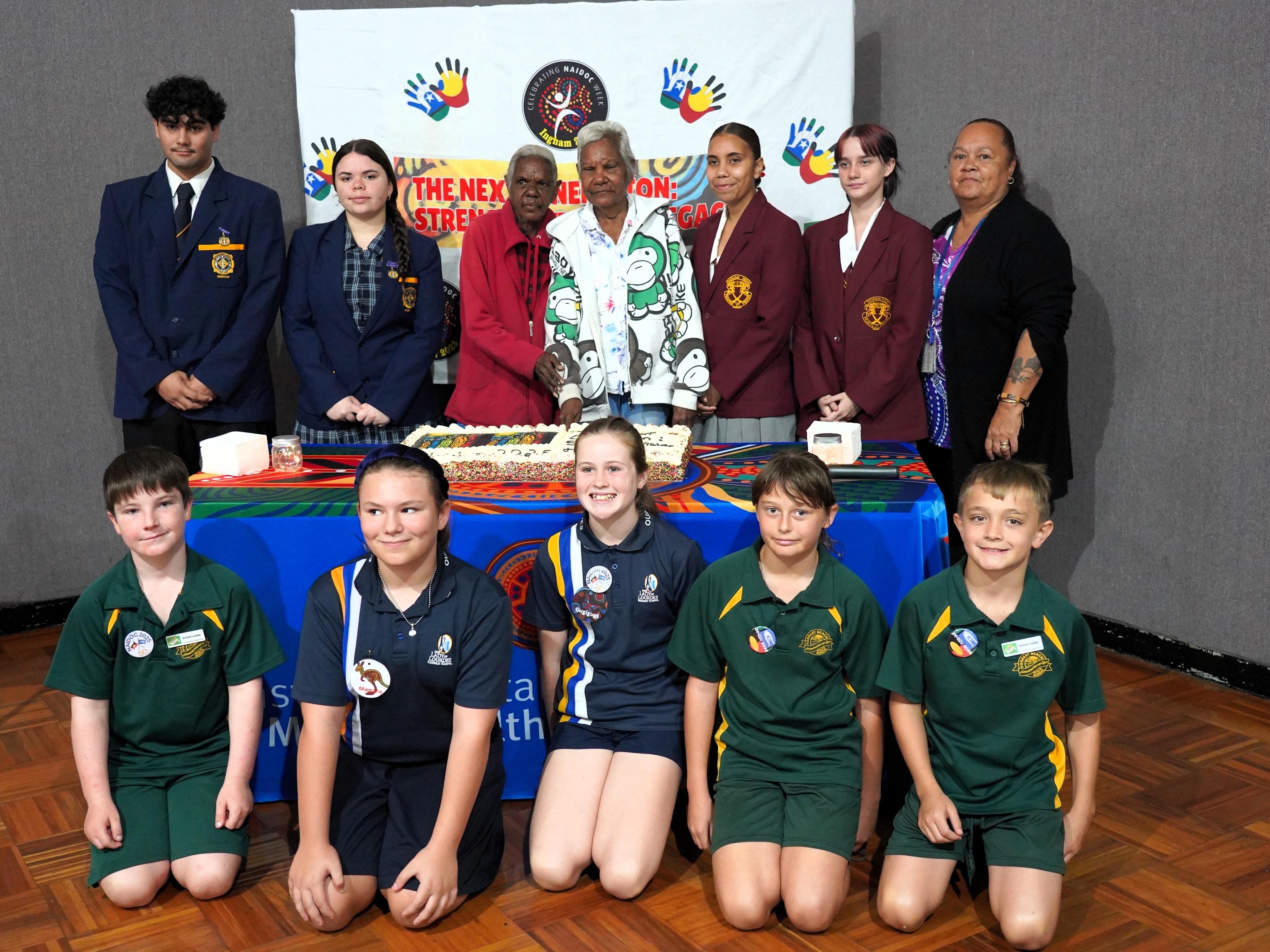
On 22 July 2025, a flag-raising ceremony marked a meaningful NAIDOC Week in Hinchinbrook. Community members gathered at the Hinchinbrook Shire Hall in Ingham, led by Deputy Mayor Mary Brown and Traditional Owners, together, they proudly raised the flags in recognition of the Warrgamay, Nywaigi and Bandjin peoples — Traditional Custodians of the Hinchinbrook region. With around 70 people in attendance, the event offered a moment to reflect on this year’s NAIDOC theme, “The Next Generation: Strength, Vision and Legacy”. As Deputy Mayor Brown said, “Today was an opportunity to honour the strength, resilience, and wisdom that have carried communities through generations of challenge and change.”
“In Hinchinbrook, we are privileged to live in a region rich with Aboriginal and Torres Strait Islander culture, language, and knowledge, with many local families contributing to our community across generations,” Cr Brown said.
Cr Brown emphasised the power of intergenerational connection, saying, “Their legacy is visible in stories passed down, art that speaks across generations, and the deep care for Country that continues to guide community life.”
Importantly, she added, “Let this flag-raising be more than a symbol. Let it be a commitment — to truth, to justice, and to a future built on shared strength, vision, and legacy.”
Council extended sincere thanks to everyone who attended and those who worked behind the scenes, recognising that “these efforts represent more than logistics; they are a collective act of respect and recognition.” She concluded that, "The theme reminds us that the next generation is already here — watching, learning, and leading."
Photo Credit: Victoria Velton.
To see all the photos taken at this event, go to Hinchinbrooklife.com and click the 'Social Pics' tab!
.jpeg)
This past week brought some wonky weather for sure – and while the rain was enough to bring the mills to a halt, it didn’t stop locals from getting out and doing their part for the community. From coastline clean-ups to cycling for cures, and recognising those who’ve put in the work to grow and achieve great things, it’s been a week worth celebrating.
From those who came to the flag-raising ceremony and popped in for a yarn and cake afterwards, to Forrest Beach SLSC being recognised for their efforts during the floods, to the youngsters of the Ingham Community Theatre Group bravely stepping on stage for the first time, you should all be incredibly proud.
I must say, the bakeries have been working overtime this week, making event-themed cakes! So many lovely, well-decorated delights to celebrate all the achievements. The joy of cutting a cake and seeing a child absolutely cover their face in frosting as they devour sponge and sprinkles - at a speed that makes you think they’ve never eaten cake before - is just one of the little things in life one has to appreciate.
Victoria
Fun Fact: Fairy bread is the name given to the children’s treat of “hundreds and thousands” on buttered white bread. Fairy bread is commonly served at children’s parties in Australia and New Zealand. The Netherlands has a version called chocoladehagelslag, made exclusively with chocolate sprinkles.

Ensuring that all of Hinchinbrook has access to a doctor when they need it most is a priority of mine. Over two years, the former Cardwell Family Practice’s future has been in limbo with NQPHN, Cassowary Coast Regional Council, Federal Government and State Government working collaboratively to keep the doors open.
Finally, a long-term solution has been reached. I recently joined the Cardwell community to celebrate the transition of Cardwell Medical Practice back to a privately run service. The practice will now be supported by Ingham Family Medical Practice and staffed by a locally based team.
This achievement is the result of strong advocacy and collaboration among NQPHN, Townsville Hospital and Health Service, the Cassowary Coast Regional Council, the Hon. Bob Katter, and myself. These efforts began in 2023, following the announcement that the Cardwell Family Practice intended to close.
Now, with support from the Department of Health, Disability and Ageing’s Thin Markets initiative, Cardwell Medical Practice (formerly Cardwell Family Practice) officially transitioned to a private practice on 1 July 2025.
A sincere thank you goes to Dr. Brett Scott and his team for their dedication and efforts in making this transition possible, ensuring that local patients continue to have access to GP services in Cardwell.
This is a clear example of what can be achieved when all three levels of government work collaboratively for the benefit of the people they represent.
While this milestone is a celebration for Cardwell, the broader battle is not over. Patients across the electorate are still reporting wait times of over three weeks to see a GP. The current wave of winter illnesses is undoubtedly adding further pressure to the ongoing General Practitioner (GP) shortage being felt in Hinchinbrook and across the state.
GPs are facing challenges in recruiting doctors to regional areas, so we will continue working with the Federal Government, NQPHN, and other key stakeholders to focus on recruitment.
.jpg)
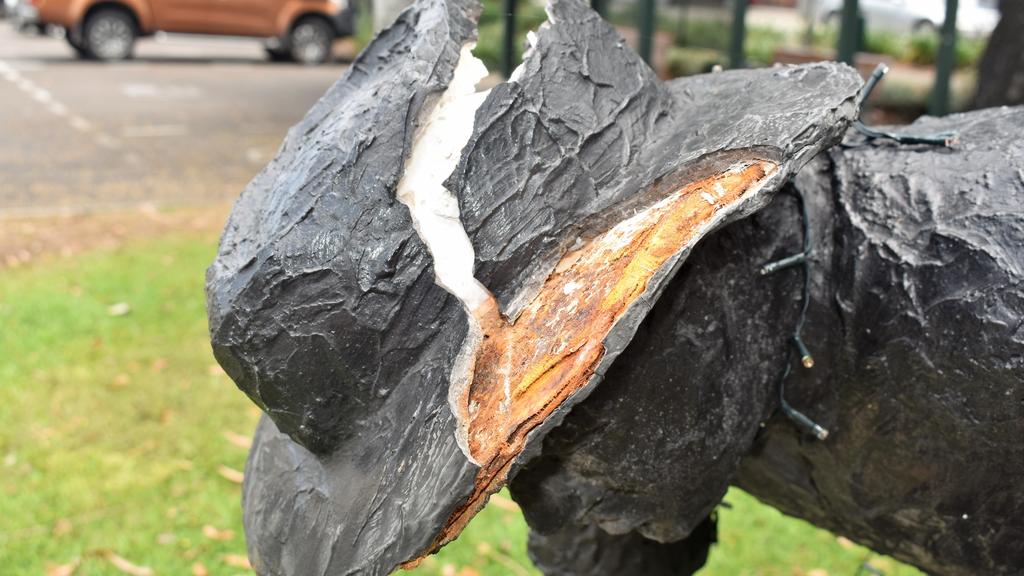
A wave of sadness swept through the Hinchinbrook community last week after locals discovered the Canecutter Statue on Lannercost Street had been vandalised for a second time since its 2018 unveiling.
The statue was the vision of Mario Torrisi, who championed the idea of creating a tribute to the region’s proud sugar cane heritage more than seven years ago. Brought to life by Ingham Potters Club artists Fay Morris and Bob Britton, the statue has become a powerful symbol of a bygone era and a beloved landmark within the community.
“Ingham’s Canecutter’s Monument represents the blood, sweat and tears of many Australians and new immigrants who gave back-breaking labour to the Herbert Valley district to ensure the cane industry flourished,” wrote Mario’s daughter, Yolanda Torrisi.
The first incident of vandalism occurred in December 2020, when the statue’s hat was severely cracked—locals believed the damage was caused by a hammer or metal bar.
On 22 July this year, the monument was again senselessly damaged, prompting Yolanda to voice her heartbreak: “Vandalism chips away at the sense of pride and ownership that people feel about where they live… It sends a message not of power, but of disregard.”
Hundreds of locals rallied online to express their outrage and sadness, calling the act deeply disrespectful—not only to the history of the Hinchinbrook Shire, but to Mario’s legacy, the artists, and the many people who helped bring the statue to life.
Publishers Indemnity. Any individual or entity that places advertising, supplies copy material, or submits editorial content to Life Publishing agrees and undertakes to ensure that all such material:- Does not infringe upon any copyright, trademark, or other intellectual property rights;- Is free from any content that could be considered defamatory, libelous, or slanderous;- Does not infringe upon any rights related to privacy or breach of confidence;- Contains no obscene, indecent, or otherwise unlawful material;- Complies fully with the Trade Practices Act and all other applicable laws, regulations, or statutes. Furthermore, by submitting or placing such material, these individuals or entities agree to indemnify and hold harmless the publisher, Life Publishing and Events Pty Ltd, and/or its agents from and against any and all investigations, claims, demands, liabilities, damages, costs, or judgments arising out of or in connection with the material provided. All material is believed to be accurate at the time of printing and remains the copyright of Life Publishing and Events Pty Ltd.
© 2026 Life Publishing Group Ltd.
