
Independently Owned, Locally Grown, Community Loved
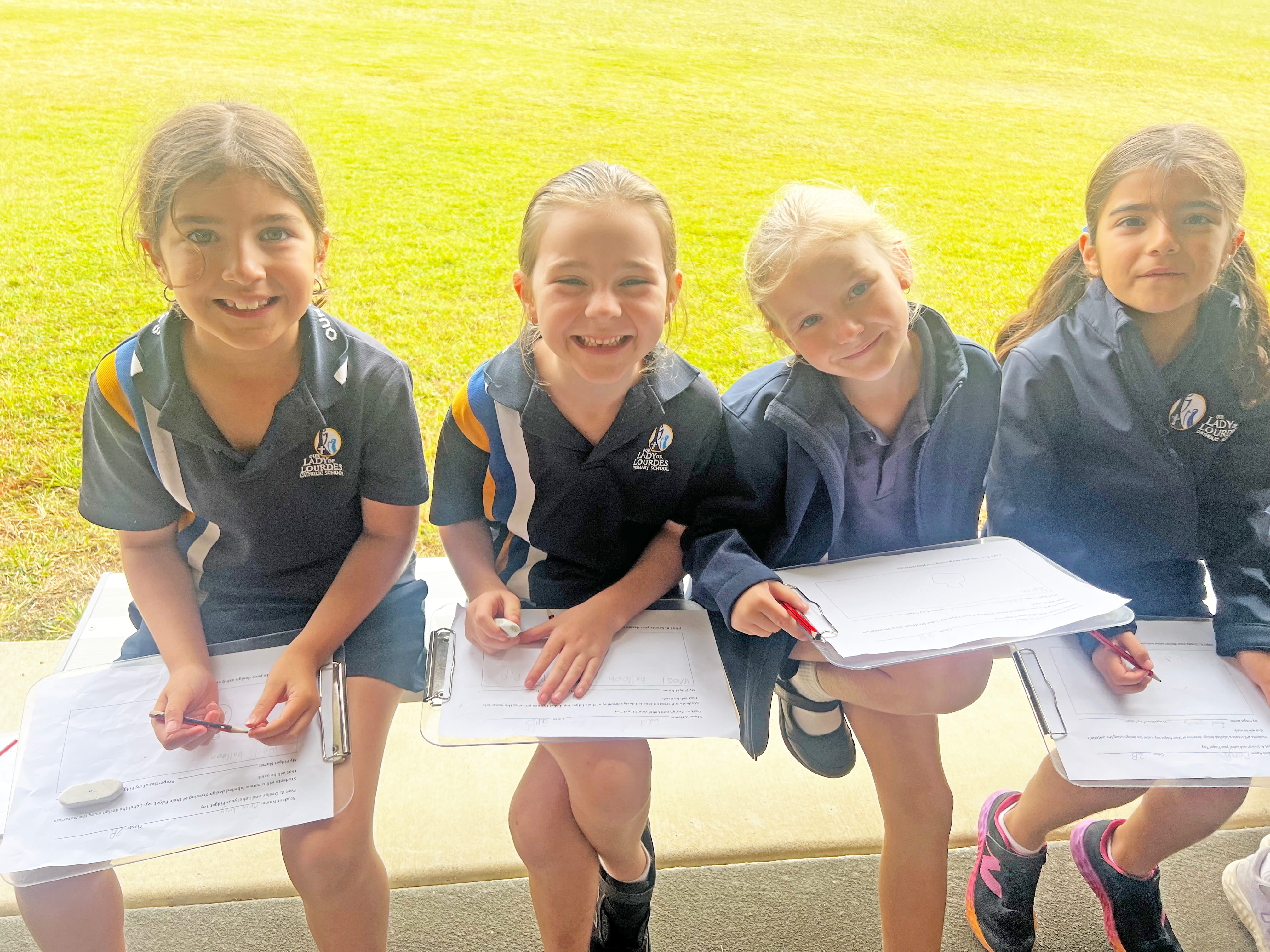
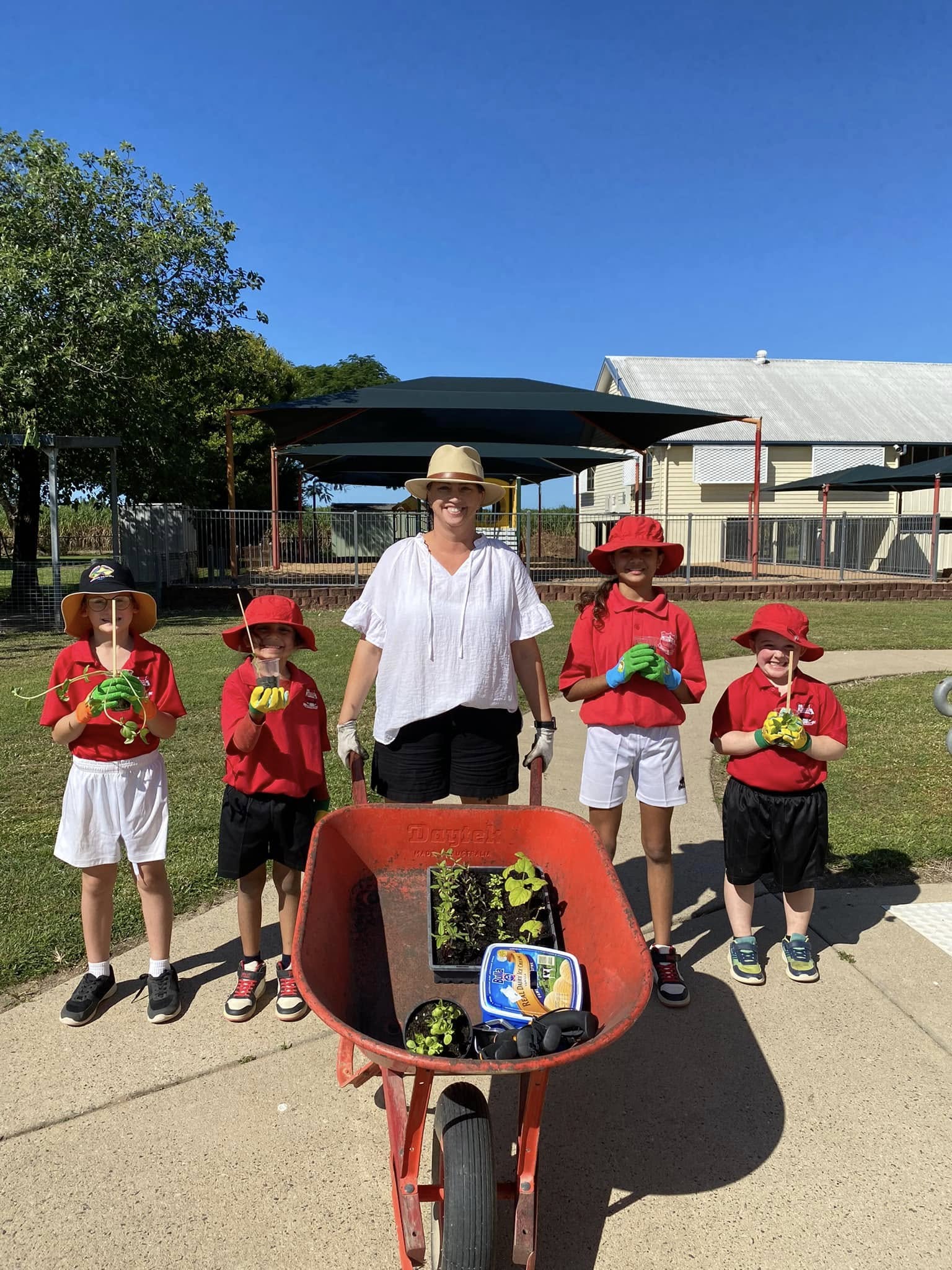
2026 has marked an exciting new chapter for Science at Our Lady of Lourdes with the introduction of Science as a specialist subject across the school. Aligned with the Australian Curriculum Version 9, our science program provides students with opportunities to investigate real-world phenomena through hands-on learning, creativity, inquiry and play. At Lourdes, we believe that students learn best when they are actively engaged in meaningful experiences that allow them to question, explore, design, test and create. Across every year level, students have been immersed in learning that encourages curiosity while developing important skills such as collaboration, critical thinking, problem-solving and resilience. Our Year 2 students have stepped into the role of designers and inventors by creating their own fidget toys. Students investigated how materials can be changed and selected for specific purposes, using the design process to create products that are both practical and engaging. They have loved seeing how different products can be made, especially their favourite toys. Students at Our Lady of Lourdes have had lots of fun being inventors. Photos supplied
Read the full story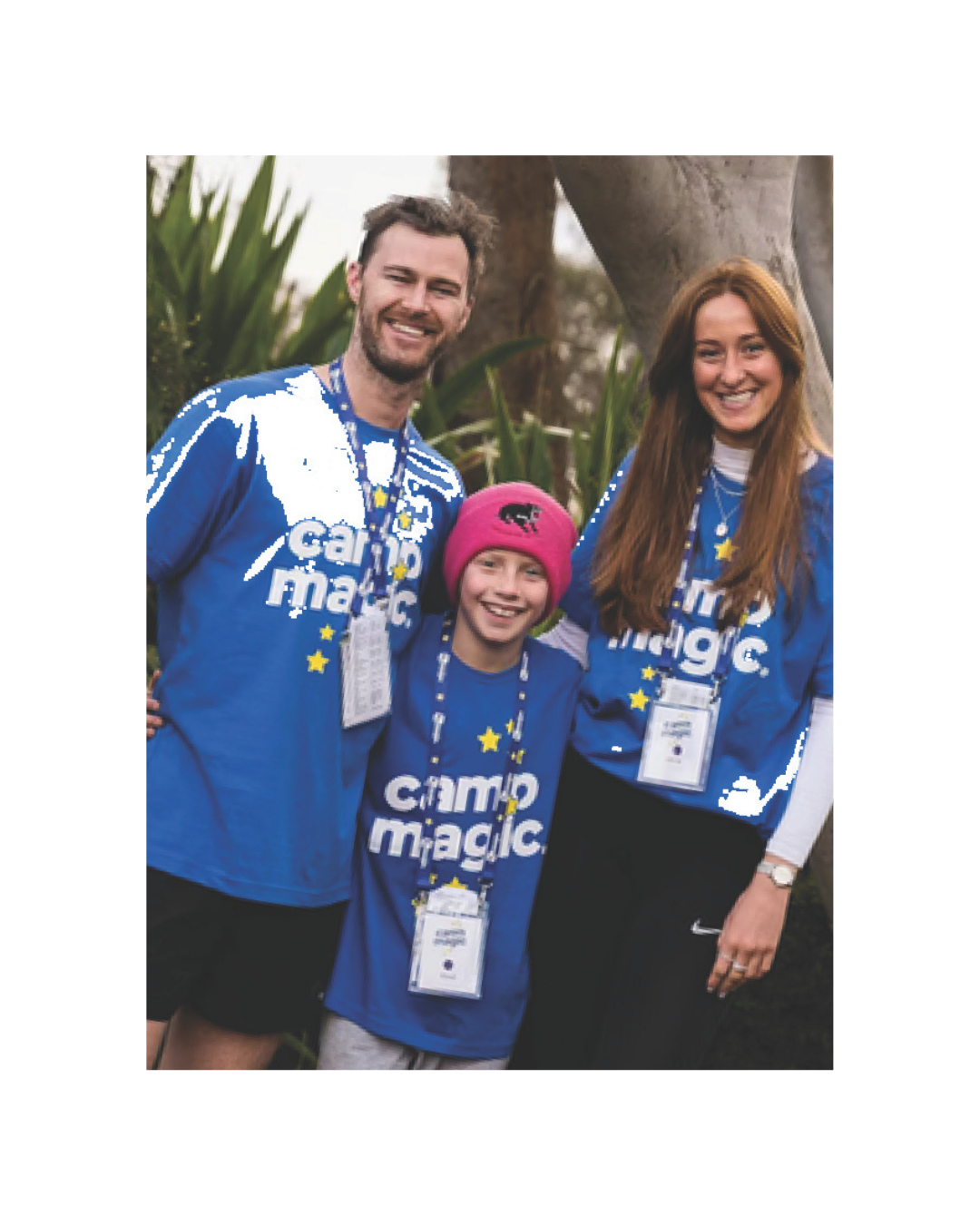
Feel the Magic is providing vital support to children and families across Australia who are navigating the pain of grief, offering a range of free early intervention programs designed to help young people “face, feel and heal” after the death of a parent, guardian or sibling. At the heart of the organisation is a belief that no child should face grief alone. Its programs create a nurturing, supportive environment where children aged 7 to 18 can express their emotions, learn coping strategies, and connect with others who understand their experience. Through its virtual camp programs, Feel the Magic is able to reach families regardless of location. These online sessions bring together grieving children to learn a shared “grief language”, build practical emotional tools, and reduce feelings of isolation through connection with other families. The organisation also offers specialised programs for those impacted by suicide bereavement. These include virtual camps, a one-day face-to-face “Let’s Talk Suicide Family Day Camp”, and the signature Camp Magic experience—an intensive 2.5-day overnight program where children are paired with trained volunteer mentors who provide one-on-one support throughout the camp. Camp Magic focuses on helping children understand grief, regulate difficult emotions and develop healthy coping strategies in a safe and structured environment. A concurrent emotional literacy workshop is also available for parents and guardians, helping families better understand grief responses and strengthen communication at home. For older participants, Grad Camp supports young people aged 16 to 19 as they transition into adulthood while continuing to process their grief experience. Across all programs, Feel the Magic emphasises connection, understanding and hope, with the organisation noting that even a single day can make a meaningful difference in a child’s journey through grief. To learn more about how you can get involved email lauren.galbraith@feelthemagic.org.au. WHAT: Family Day Camp WHEN: 26th July WHERE: The Cathedral School, Townsville
Read the full story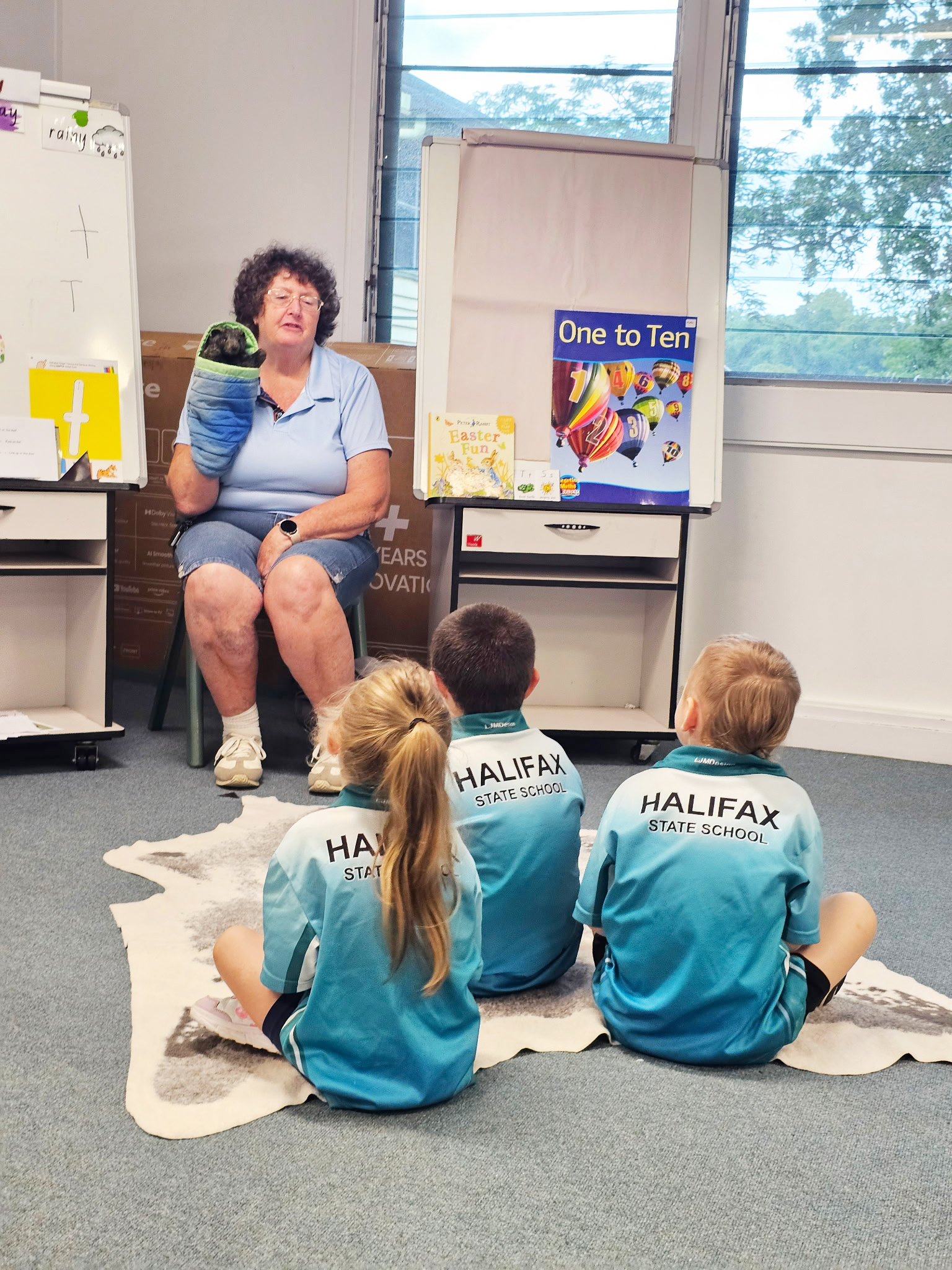
A strong school community is built on the dedication of its people. At the heart of Halifax SS are highly experienced and caring learning support staff who ensure every student feels included, supported, and capable of success. Their work, alongside experienced and innovative teachers, creates engaging classrooms where creativity and curiosity thrive. Play-based learning is one example of this approach in action, helping students develop confidence, independence, and a love of learning from an early age. Bringing these strengths together is exceptional leadership. This has been recognised through the awarding of the prestigious Bill McClintock Medal, introduced in 2016 to honour individuals who contribute to the advocacy and service of the Queensland Association of State School Principals (QASSP), particularly through supporting colleagues across regional and remote communities. “We are all very proud of Michael for receiving this award,” a spokesperson said. “It reflects a commitment not only to school excellence, but to strengthening education across Queensland. “Together, caring support staff, innovative teaching, and award-winning leadership create an environment where students and communities thrive.” Caption: 1. Teacher aide Jenny Genrich incorporates play-based learning to actively engage students and support early skill development in the classroom. 2. Presentation of the Bill McClintock Medal, recognising outstanding leadership and service to education across Queensland.
Read the full story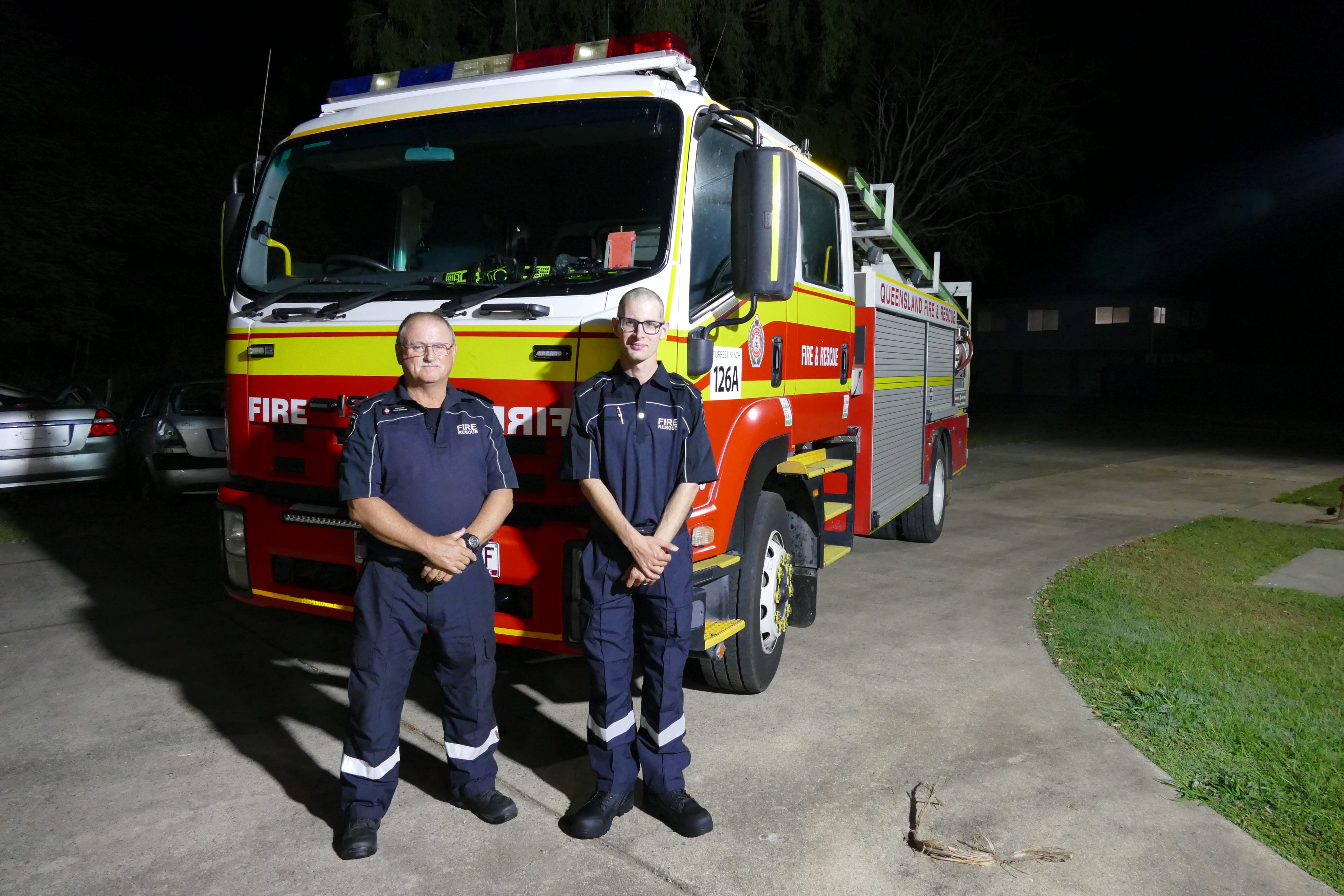
When disaster strikes, firefighters are often the first people the community turns to. But behind every emergency response is a team of locals who give their time, train regularly and step up when their neighbours need them most. Forrest Beach Fire and Rescue is encouraging more community members, particularly younger residents, to consider joining the station and becoming part of the team. "It's a good thing to get people back in from the community, especially for the station here; because we're an elderly community. Getting the younger people in is really, really important,” said Acting Lieutenant Keith Amos. Keith highlighted that being part of the station is a chance to make a tangible impact on the community- and not just in cases of fire. During the major flooding event of 2025 that isolated Forrest Beach and surrounding areas, firefighters assisted residents, with rescues, but also delivering meals and helping secure damaged homes. "The floods, when we were cut off, the way we were seen by the community and how we helped people really made an impact," Keith said. The crew’s role is diverse, and potential recruits are reminded that it’s not all flashing lights and sirens. Beyond the emergencies, auxiliary firefighters have an important role in the everyday community; regularly attending markets, school safety days and events to teach fire safety and engage with local families. During the recent Tasman Turtle Picnic Day, a popular community event for children, countless young attendees were proudly sporting the station’s bright, colourful Blazer the Koala firefighting mascot stickers. "We try and get into the community, showing what we do," Auxiliary Firefighter Michael Monbelli said. Michael also explained that for him, the biggest obstacle is balancing service with everyday life – though this factor he feels is understood and well-supported by the crew. Michael balances his firefighting role with full time work at the mill, and a busy family life with young children. On his team, there is a schoolteacher, two ex-servicemen, and another millworker. Auxiliary firefighters also commit significant time to weekly training. As for emergency response, call-outs can occur at any hour of the day or night. "Being an auxiliary is that we're on call.” Acting Lieutenant Keith Amos explained. “So even on our Wednesday night training we can get a call." Keith described the role as ‘drop everything and jump into action’. Despite the demands, Former Army serviceman Mark McEwen believes many people underestimate how manageable the role can be. "It doesn't take too much out of your normal week. Give up your three hours of training on a Wednesday, and you're on call." At the same time, emergency work can be unpredictable. "Things can change in a heartbeat," Mark said. He recalled a 4:00am call-out to a possible house fire. "Eight hours later, we get home. Us older fellas feel it a bit more, but it was worthwhile. That's what we're here for." The crew also works closely with volunteer organisations including the SES and Forrest Beach Surf Life Saving Club. During the February 2025 flood event, firefighters and surf lifesavers combined resources to rescue elderly residents trapped by rising floodwaters. According to the firefighters, the biggest motivation to get involved is that it feels good to make a difference in your community. "It's that sense of pride," Keith said, "I take pride in this job and I love doing it." "Even if you've never thought about becoming a firefighter, come down and have a chat to us," Keith said. "It's that simple.” Caption: Members of the Forrest Beach Auxiliary Firefighters: Glyn Morgan, former Air Force serviceman, and Braydon Fratus, local mill worker and the brigade's newest recruit, standing by the Forrest Beach Brigade’s fire engine.
Read the full story

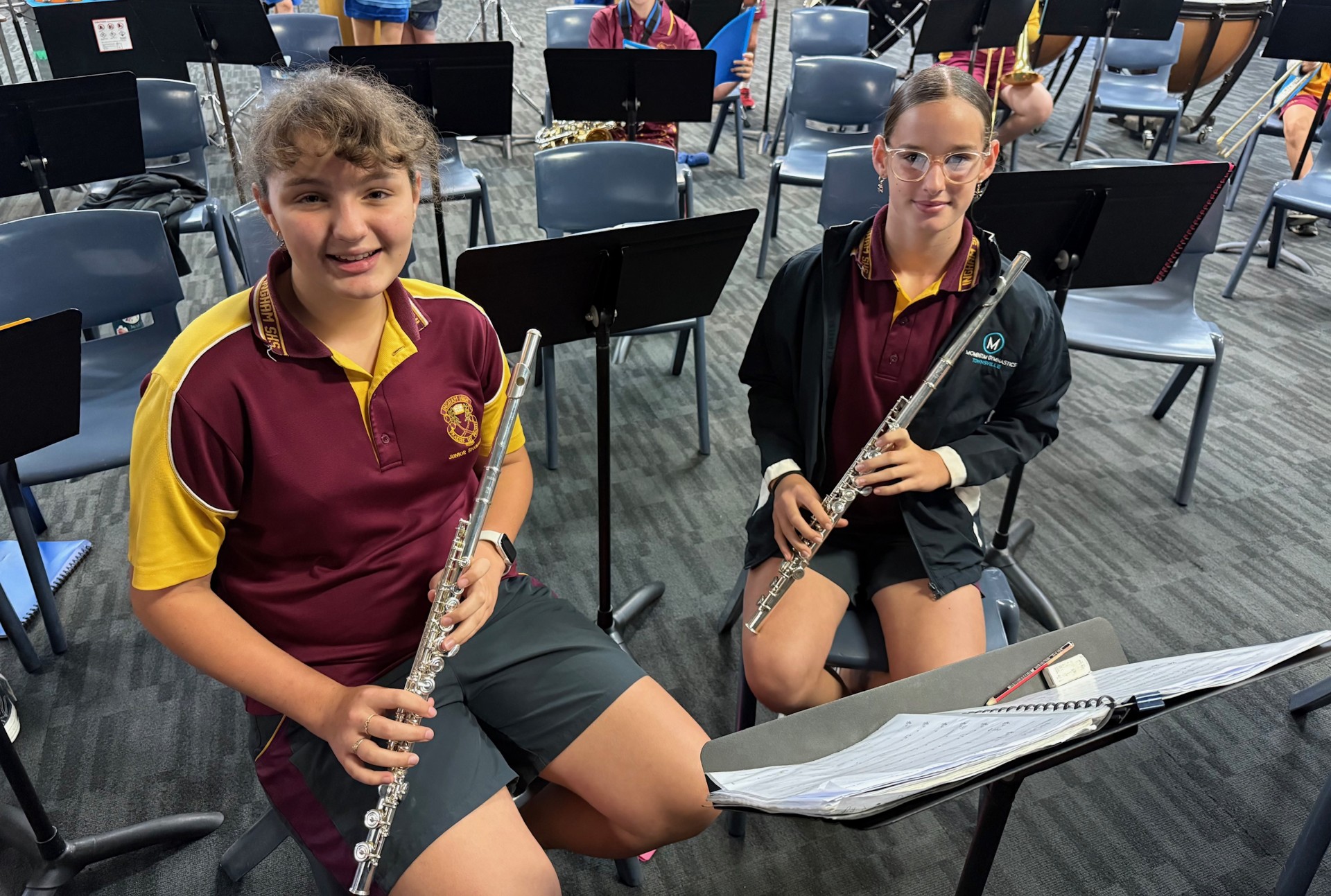
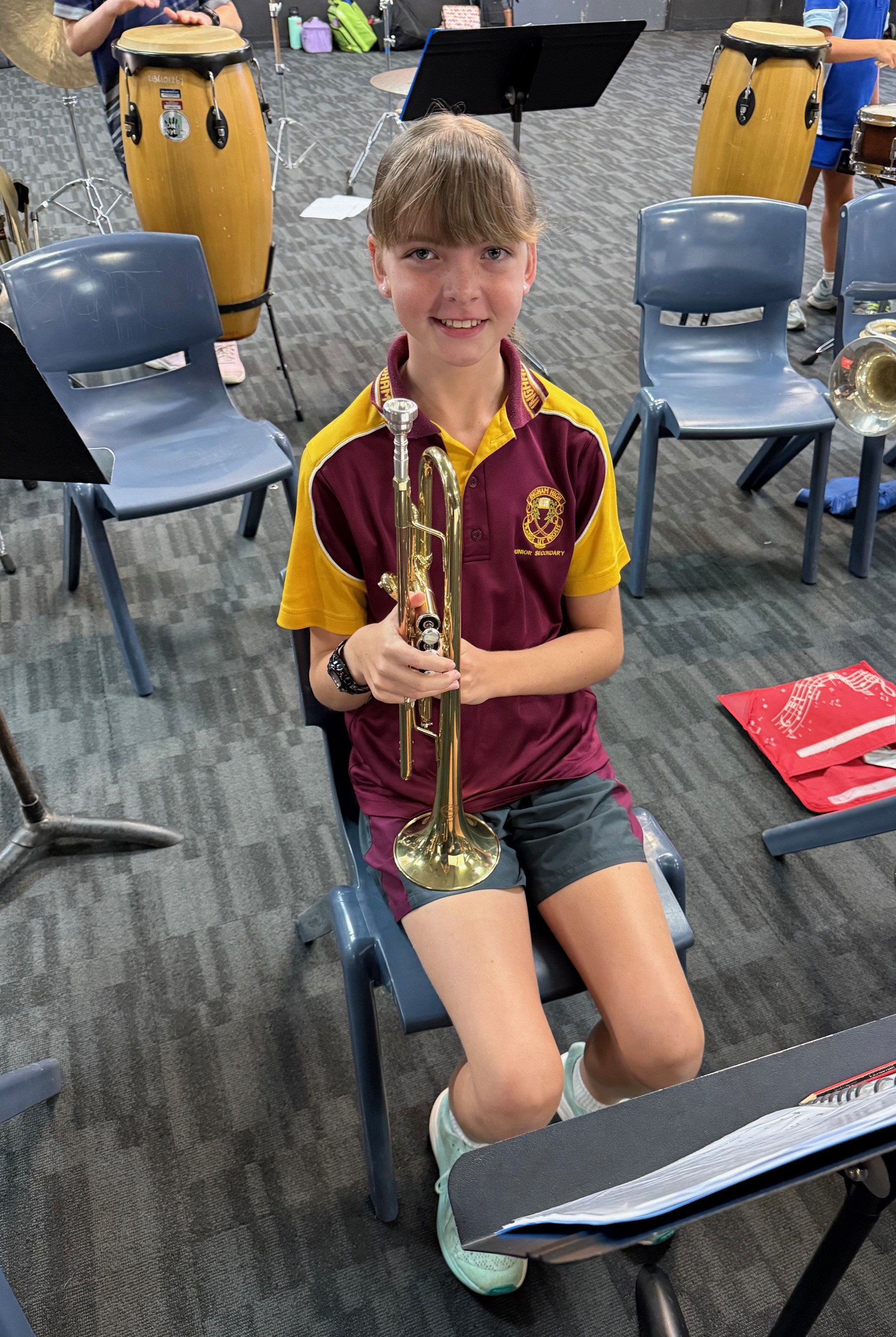
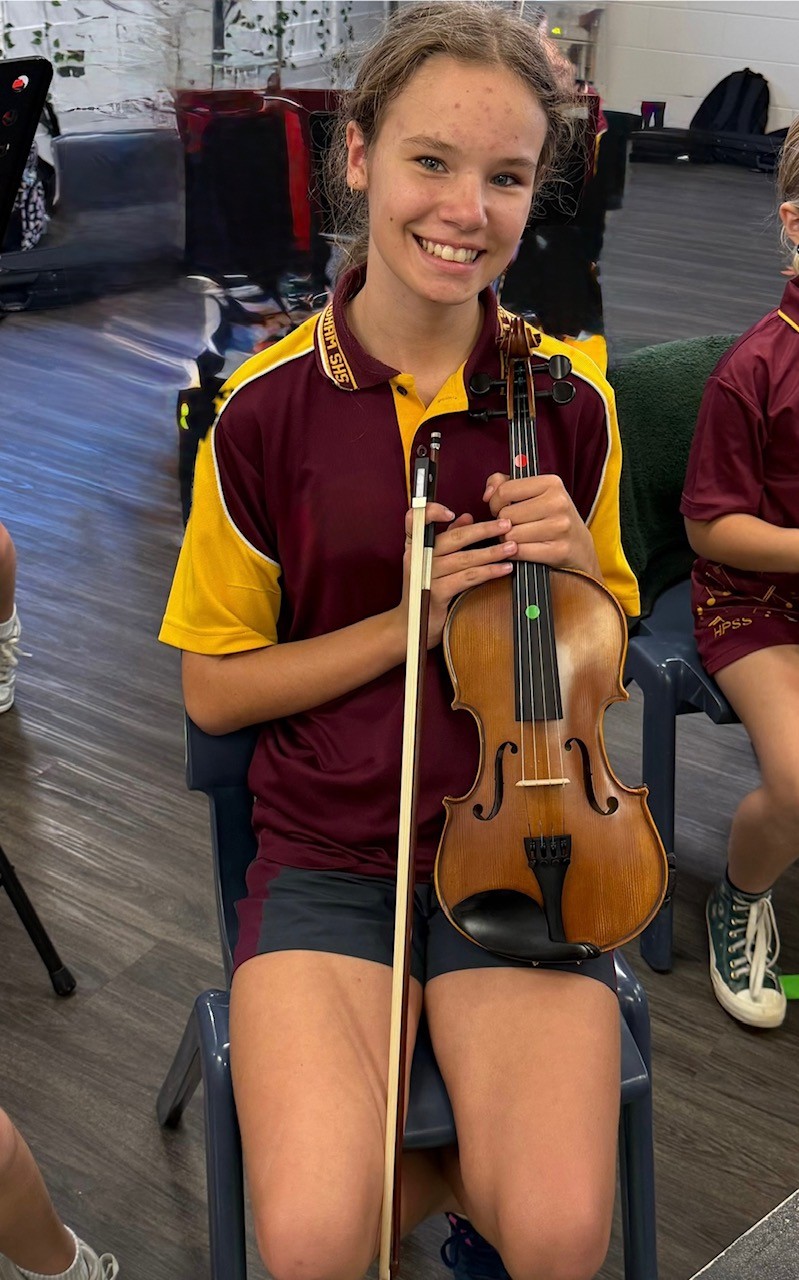
Students at Ingham State High School are thriving through a comprehensive arts program that brings together drama, visual art, and instrumental music. Guided by highly experienced teachers, students are encouraged to explore their creativity, develop technical skills, and express themselves through a range of artistic disciplines.
The program also offers unique opportunities for students to connect with key professionals in the arts industry, providing real-world insights and inspiration. Whether performing on stage, showcasing artwork, or playing as part of an ensemble, students are gaining experiences that build confidence and open pathways for future study and careers.
At the end of Term 2, a group of our String and Multi Instrumental students from both Ingham SS and Ingham SHS had the opportunity to attend one of two workshops in Townsville, which were led by experienced band clinicians from both Townsville and Brisbane. Our students participated alongside other instrumental students from the Townsville region. All students worked extremely hard during the workshops, and it was wonderful to hear an improvement in the students' playing throughout the day.
Ingham SHS would like to acknowledge both North Queensland Instrumental Music and the Ingham Community RREAP for providing funding to cover the bus travel to and from Townsville each day.
Contributed with thanks by ISHS IM teachers Carolyn Gunston (Multi) and Yvonne Moore (Strings)
.jpg)
.jpg)

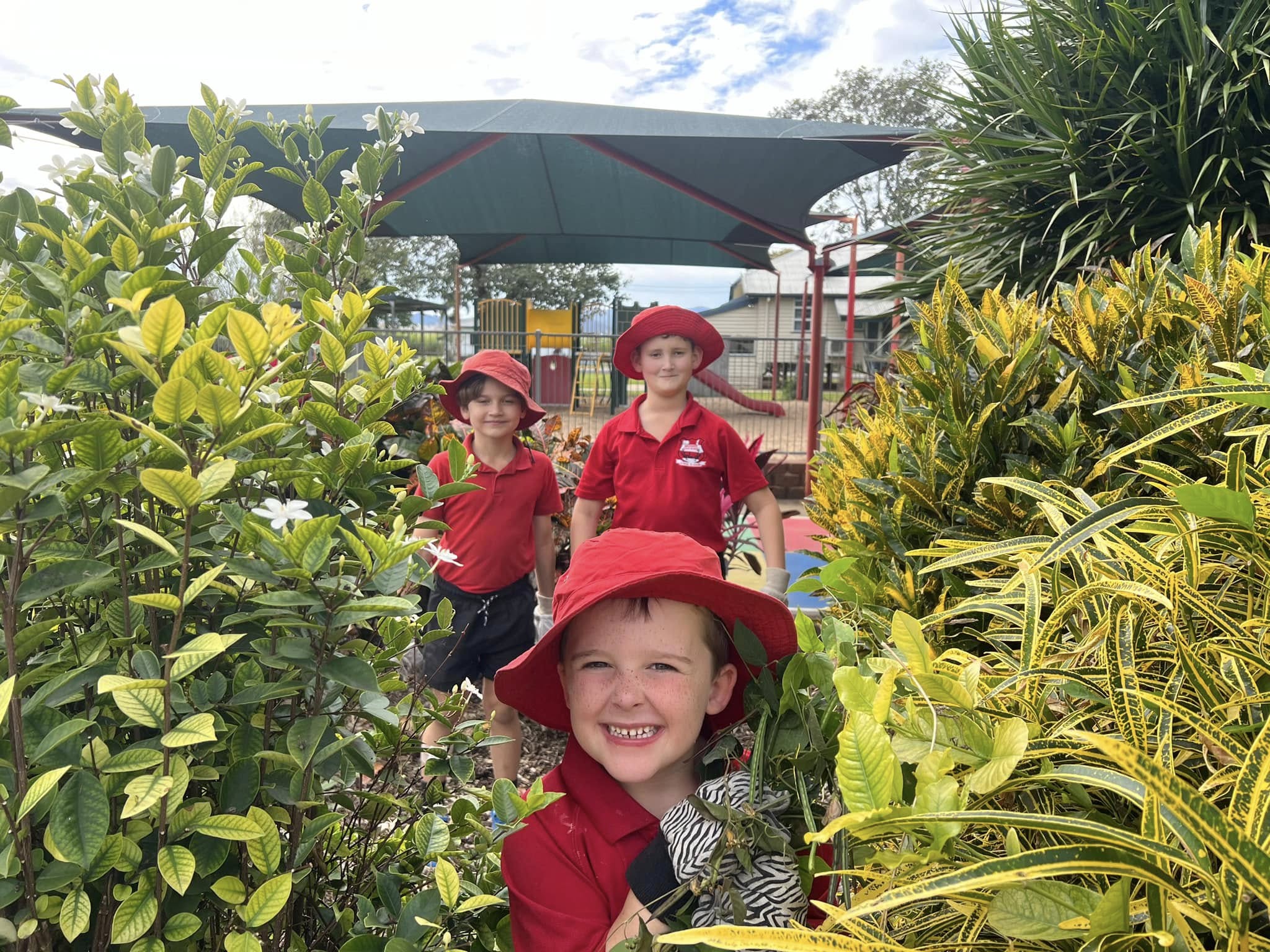
Tucked among the cane fields just north of Ingham, Macknade State School offers more than quality education—it’s a warm and welcoming hub where children are known by name, encouraged to thrive, and celebrated for who they are.
With a current enrolment size of just 12 students from Prep to Year 6, the school operates as one multi-age classroom where every child receives personalised attention. This small size creates a quiet, relaxed and happy atmosphere, and helps maintain a safe, respectful learning environment where students feel supported and confident to take on new challenges.
Teachers work closely with each child to understand their starting point, set achievable goals, and guide them forward. This personalised approach means students are never lost in the crowd, and every success—big or small—is acknowledged and shared.
Macknade embraces its role at the heart of the community, often inviting families and neighbours to join in school events, performances, and celebrations. These moments strengthen the bonds between students, staff, and the wider community, creating a sense of pride that extends beyond the school gates.
For prospective families, Macknade State School welcomes enquiries and is happy to provide a tour of the facilities before enrolment. At Macknade, children don’t just receive an education, they grow up in a caring, connected environment that prepares them for life with confidence and heart.

The first time you push open the doors of the Hinchinbrook Shire Library, you feel the hum of possibilities. You’re in a space built not just for books, but for connection, discovery, and community.
You could begin your visit in the friendly foyer, greeted by staff who ask, “How can I help you today?” Maybe you’re here to borrow a book, or maybe you’ve come in to explore the digital collection.
The Library makes its eResources — ebooks, audiobooks — easy to access from home or in the building. That’s how you library, through both physical and virtual shelves.
When First 5 Forever Storytime arrives, toddlers and kids take over a carpeted corner. They dance between puppets, giggle at rhymes, and listen to tales of far-off lands. Parents and carers join in, sharing in the magic. That’s how you library, by nurturing imagination and literacy from the earliest years.
Later in the day, the study nooks are occupied. A student is deep into local history, scrolling through digitised council archives.
Another patron comes in for the Tech Help Desk: “Can you show me how to use the library’s WiFi? Or how to access online learning tools?” Staff lead the way, patient and kind. That’s how you library, by bridging gaps, making technology accessible.
You might see the local book club gathered in a bright corner, discussing last month’s pick. Or an author workshop unfolding, the walls alive with creativity. Sometimes there’s craft, other times music, sometimes community meetings.
That’s how you library, by being the gathering place for voices and stories.
At Hinchinbrook Shire Library, “library” isn’t just where you go. It’s something you experience. Because “how do you library” is: however, you want.
Join us these September school holidays, from Monday 22 September to Saturday 4 October 2025, for a range of fun, free activities for all ages.
And the best thing about all of this? It’s free! Why not join up today at 73-75 McIlwraith Street, Ingham?
For more information about How Do You Library, call Council’s customer service centre on 4776 4600 or visit www.library.hinchinbrook.qld.gov.au to become a member of Hinchinbrook Shire Library

Gilroy Santa Maria College is preparing to mark a major milestone, celebrating 75 years of excellence in education with a special event on Wednesday, 30 October 2025.
Originally scheduled for last year but postponed due to severe weather events, this long-awaited celebration will bring together current and former students, staff, and members of the wider community to reflect on the College’s rich history and look ahead to an exciting future. It is a wonderful opportunity to honour the generations who have shaped Gilroy Santa Maria College into the vibrant learning community it is today.
The morning will begin with a liturgy led by Bishop Tim Harris, Bishop of Townsville, providing a meaningful start to the celebrations. Following the liturgy, guests are invited to enjoy light refreshments and take part in guided tours of the College grounds, offering a chance to revisit familiar spaces, see how the campus has evolved, and appreciate the College’s ongoing commitment to education.
We particularly encourage the community to reach out to any family members who attended or taught at the College in its early days. Their presence will make this morning of reflection and celebration even more special, highlighting the enduring connections and achievements that have defined Gilroy Santa Maria College over the past seven and a half decades.
Whether you have fond memories as a student, were part of the teaching staff, or simply wish to celebrate this milestone with the College community, everyone is welcome to join.
To be part of this historic event, please email events@gilroysm.catholic.edu.au
WHAT: Gilroy Santa Maria College 75-Year Celebration
WHEN: 9:15am-11:00am Wednesday, 30 October 2025
WHERE: Santa Maria Centre at the College, Ingham


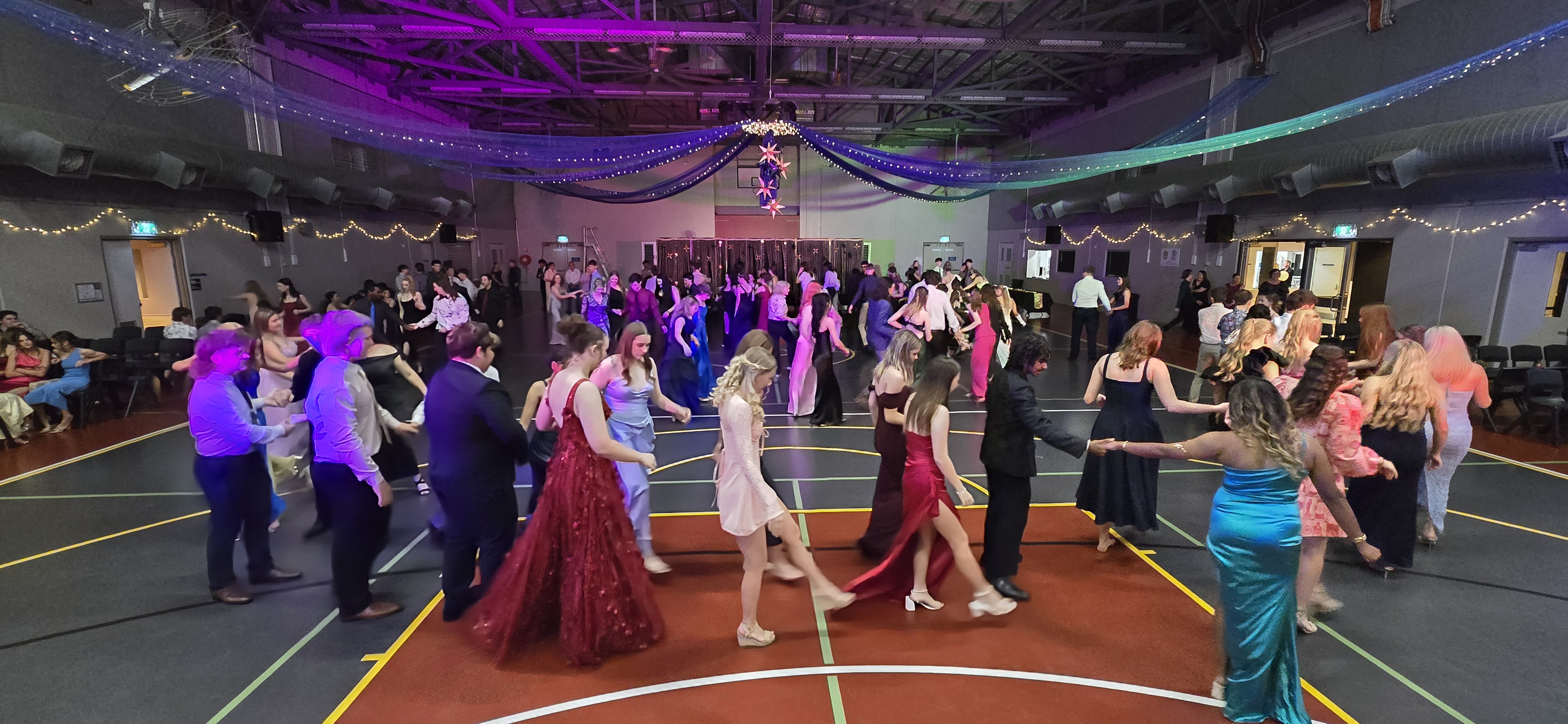
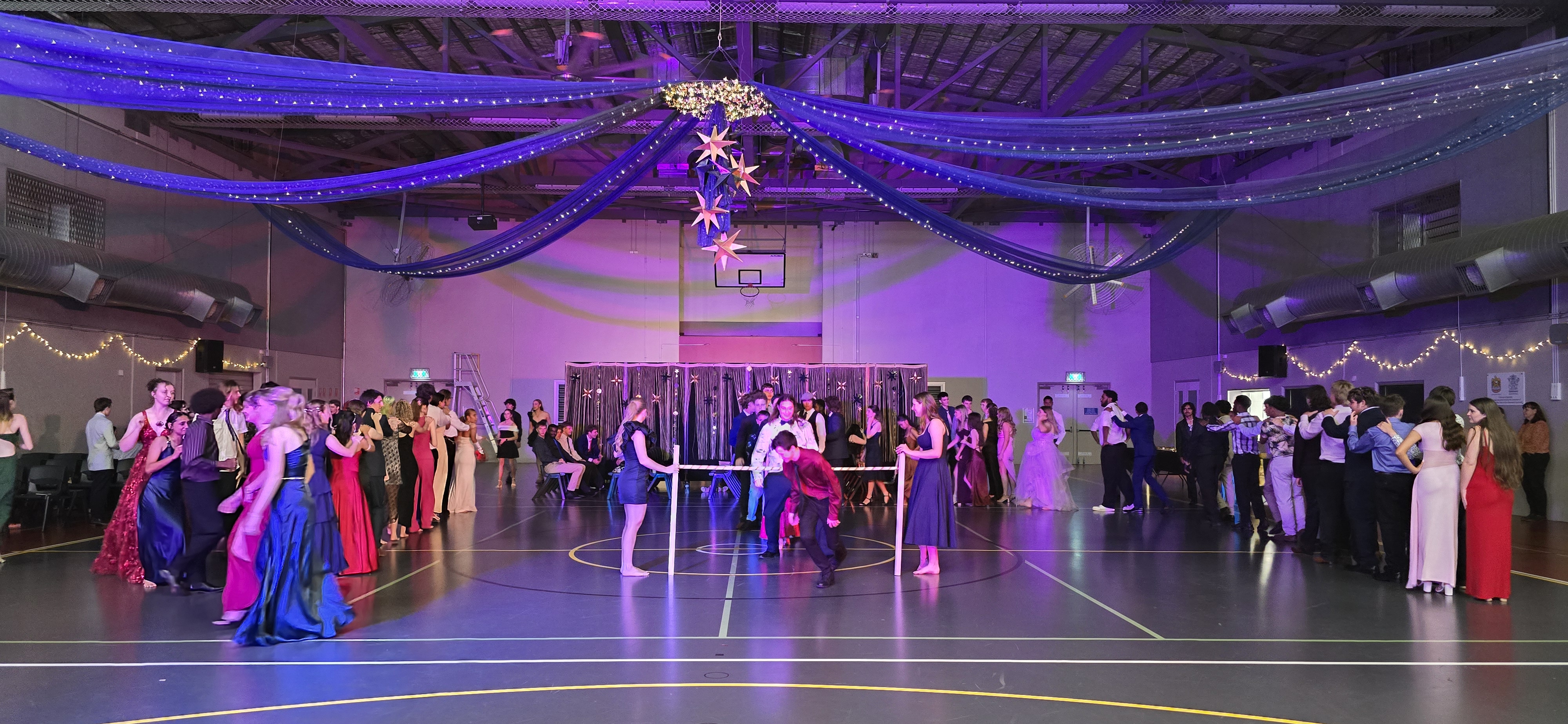
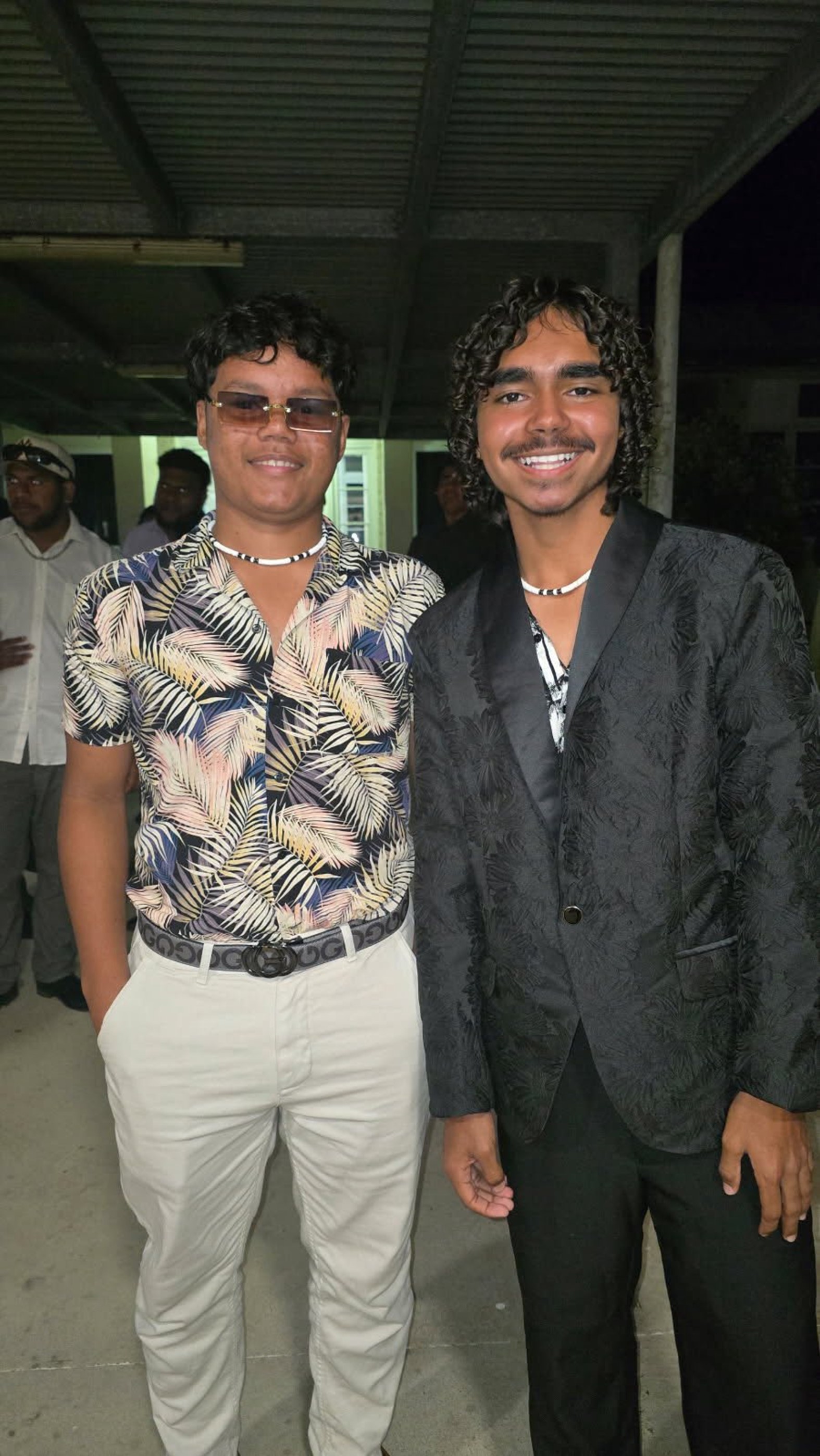
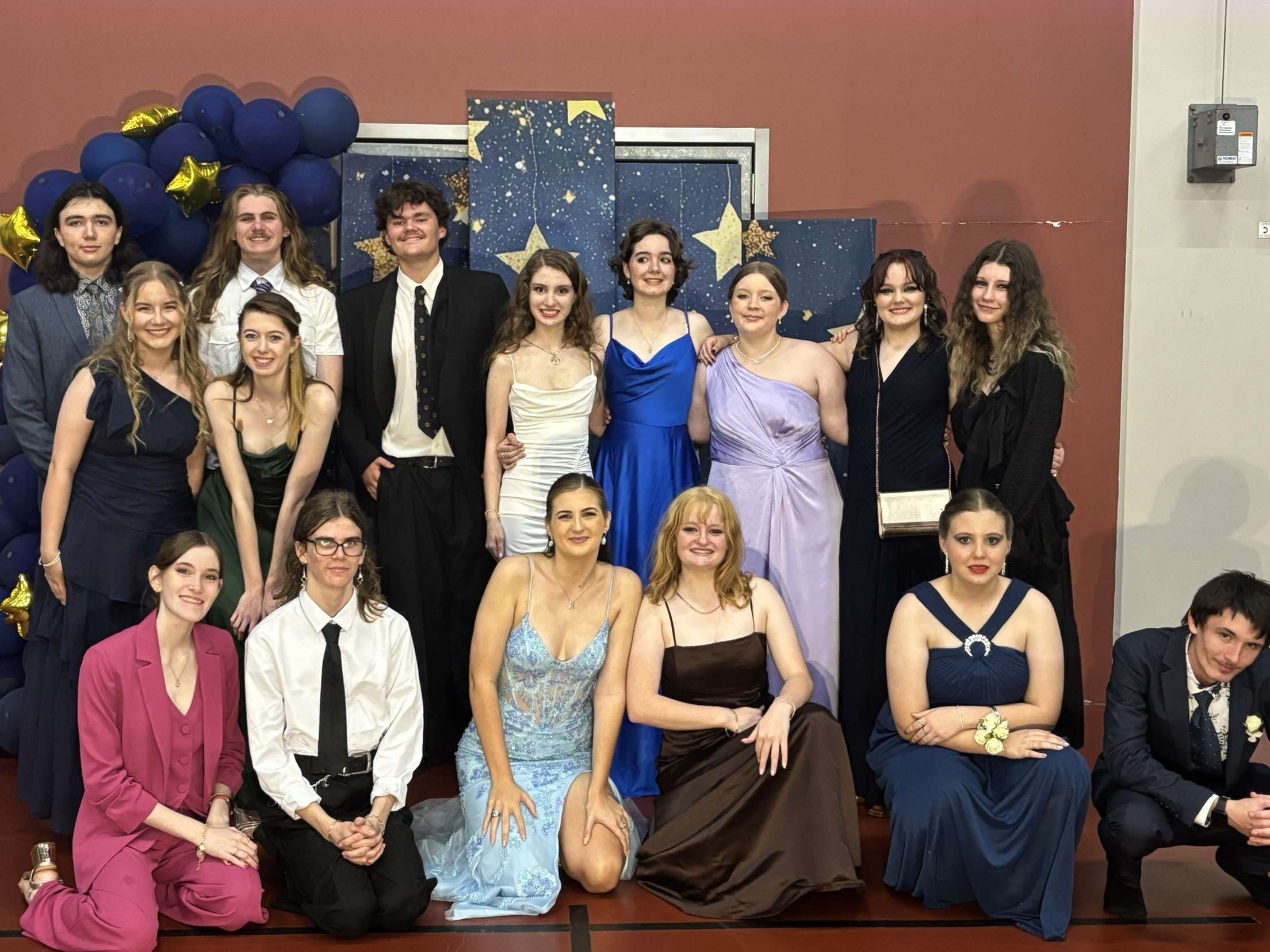
On Saturday, 6 September, the Ingham State High School auditorium shimmered with elegance and excitement, as almost 200 students from all secondary schools across the district gathered for the annual Combined Secondary Schools’ Ball.
Students from Ingham State High School, Gilroy Santa Maria College, and St Teresa’s College, Abergowrie, came together for a night of celebration, friendship, and unforgettable memories. Representing Years 10, 11, and 12, attendees arrived dressed to impress in an array of dazzling gowns, sharp suits, and radiant smiles.
Keeping the energy high and the dance floor full was ‘Nev the One Man Band’, whose infectious performances had the students dancing all night.
A special thank you goes out to the Ingham High P&C Association, whose tireless dedication and eye for detail turned the auditorium into a venue fit for the occasion. Their behind-the-scenes efforts, together with staff, parents and caregivers, ensured that the evening ran seamlessly from start to finish.
The evening wasn’t just about dancing, it was a celebration of unity and a valuable opportunity for students from different schools to forge meaningful connections.
Congratulations to all involved for making the 2025 Combined Secondary Schools’ Ball a night to remember. Here's to the memories made, the milestones celebrated, and the promise of bright futures ahead!

On Thursday, 11th September, Our Lady of Lourdes Catholic School hosted their Family Dance Showcase! It was fantastic to see so many families come together to enjoy the evening. Our family BBQ was a hit, and the night was topped off with an incredible showcase of vibrant dances performed by our students.
Over the past 8 weeks, students have worked so hard in their Dance lessons, and it truly shone through on stage. From classics like Footloose and YMCA, to Baker Boy and even the traditional Tarantella, the variety of music and styles had everyone smiling, clapping and dancing along.
One of the highlights of the evening was the surprise performance from our school staff, which launched straight into the disco and kept the energy high! A huge thank you to everyone involved, from the choreography and cooking, to setup and pack down – your efforts made the night such a success. A big thank you to our families for supporting this wonderful evening


When it comes to protecting your family, a few simple precautions can make all the difference. That’s where Safehome, a free initiative by the Queensland Fire Department (QFD), comes in. Designed to help householders identify and eliminate fire and general safety hazards, Safehome offers personalised advice right where it matters most – in your own home.
Upon request, firefighters will visit your property at a time that suits you, inspecting for potential hazards and offering practical solutions. They can also advise on the correct placement of smoke alarms and discuss broader fire safety concerns. The aim is simple but powerful: to reduce house fires, prevent injury, and protect property.
Safehome is available to all Queenslanders, though in regions serviced by volunteer brigades, in-person visits may not be possible. Instead, residents can request a Safehome Kit and a Bushfire Preparedness package through 13 QGOV (13 74 68), providing the tools needed to create a safer home environment.
Tenants are encouraged to book their own visits, as the person living in the property must make the call. If firefighters recommend changes such as installing a smoke alarm, tenants can raise these suggestions with their landlord or agent to ensure compliance and safety.
Booking a visit is easy and FREE – simply complete the online form at www.qld.gov.au/emergency/safety/safehome-booking or call 13 QGOV (13 74 68).
Technology is changing the way we live and work, opening new opportunities for small and medium businesses right here in North Queensland. From streamlining everyday operations to reaching new customers, the benefits are endless. But alongside these advances comes a growing challenge: cybersecurity.
Cybercrime is no longer just a big-city issue. Local businesses are now prime targets, with email scams, data breaches, and ransomware attacks on the rise. The truth is, it can take just one weak password or outdated system to put an entire business—and its reputation—at risk.
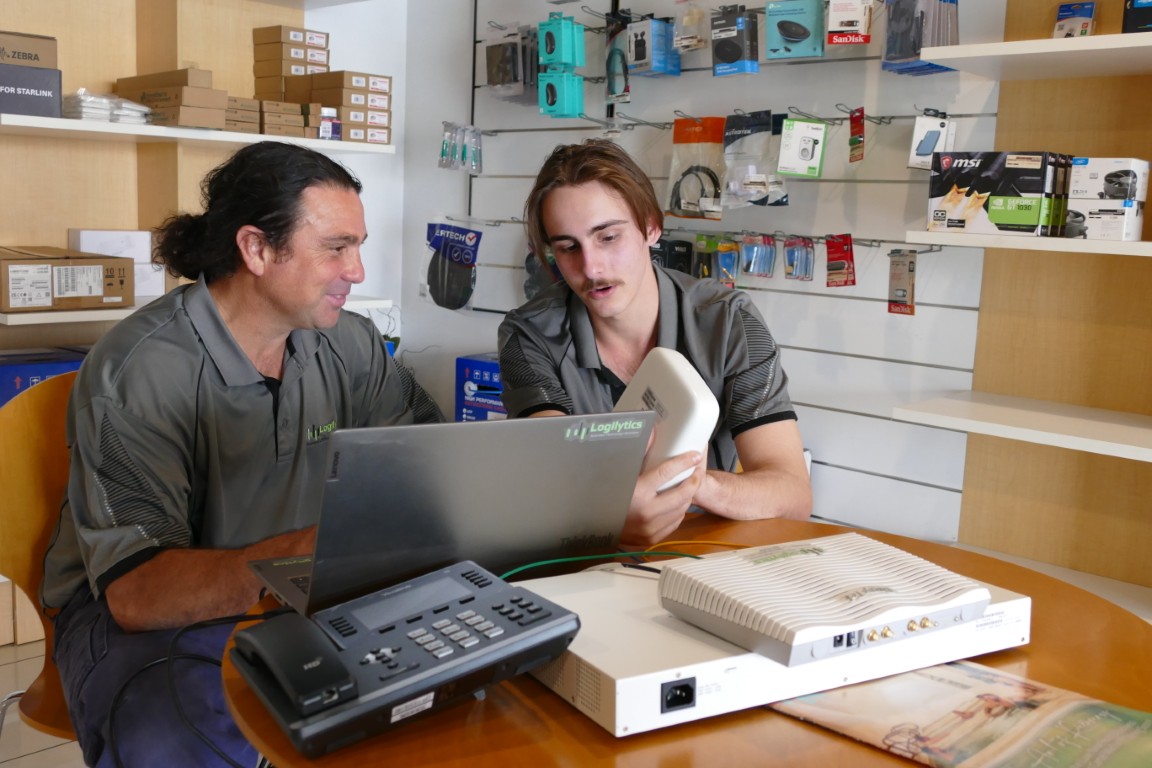
That’s where Logilytics comes in. As a family-owned business based in Ingham, they're passionate about supporting our region with practical, community-focused IT solutions. For Logilytics, it’s not about creating fear—it’s about building resilience. Every business, no matter its size, deserves peace of mind when it comes to protecting their data, their customers, and their future.
The team, led by owners Ben and Jess Barbi, combines expertise with a personal approach. From managed IT services and cyber protection to communications and networking, they're here to keep North Queensland businesses connected and secure, and with trainees like Seth Morton and Cameron Giuffrida joining the team, they're investing in the next generation of local tech support too.
At Logilytics, they believe technology should empower, not overwhelm. With the right tools, strong security practices, and the right people beside you, communities can thrive in an increasingly digital world.

Barn doors have come a long way from their rural roots. Today, they’re celebrated for their ability to marry form and function, offering a striking design feature that adds both character and utility to a modern home. The Frontier Barn Doors by Hume Doors & Timber are a perfect example. They present a versatile balance of modern elegance and rustic charm; with clean lines and customizable finishes, the Frontier range works beautifully in everything from loungerooms and bedrooms to wardrobes or home offices.
What makes these doors especially appealing is their adaptability. While the door panel comes ready, the track and fittings are sold separately, giving homeowners the flexibility to choose hardware that matches their décor or spatial layout. For those seeking to personalise their interiors with style, it’s a smart way to ensure coherence across colour, material, and finish.
If you’re in North Queensland and want to see and feel one of these in person, Ingham Mitre10 is your go-to. They stock Hume Doors ranges, so you can explore the Frontier Barn Doors up close; admire the various styles, see how the panels could fit in your space, and imagine the sliding track in action. The staff there can help you order the door panel, recommend the compatible hardware, and give you guidance on measuring and installation.
Whether you're renovating a room, converting a space, or simply wanting to freshen your décor, the Frontier Barn Doors offer both style and substance, and getting started is as easy as stopping by Ingham Mitre10 at 100 Herbert Street.


Meet Bowtie an adorable tuxedo kitten who is always dressed to the nines. He’s playful, affectionate, and full of personality, bringing joy and energy into every room he enters.
He loves romping around with his foster sister and brother and is food-driven, making the cutest happy chomping sounds at mealtime. A natural entertainer, Bowtie expertly weaves figure eights around your legs and follows you from room to room like a tiny shadow—always ready for a cuddle just in case you need one.
At night, he’ll curl up beside you and happily cuddle you to sleep. During the day, he enjoys bird-watching by the window and going on epic indoor gecko hunts, bringing out his adventurous side in the comfort of home.
Bowtie is currently waiting to find his forever family. He adores the company of other cats and thrives with feline friends. If you're looking for a kitten who’s equal parts sweet, spirited and snugly, Bowtie is ready to fill your home with cuddles, giggles, and the soft patter of tiny paws.
Fill in an inquiry/adoption form at: https://www.angelpawsinc.com.au/forms.html.
Bowtie is DESEXED, MICRO-CHIPPED, with up-to-date VACCINATIONS, FLEA/TICK/INTESTINAL WORM treated.
Adoption Fee: $240
DOB: 01/01/2025
Sex: Male
Breed: DSH (Tuxedo)
Kid friendly: Slow introduction
Cat Friendly: Yes
Dog Friendly: Untested
Indoors/outdoors: Indoors

Maraka Festival 2025 Itinerary
Afternoon Tea
Sunday 19th October
Herbert River RSL, Hawkins Street, Ingham
From 2:00pm (doors open at 1 pm), enjoy sweet and savoury treats as this year’s Maraka Queen and Princess entrants are officially presented.
Fun Family Run Swim Run
Saturday 18th October
Hinchinbrook Aquatic Centre, 31 McIlwraith Street, Ingham
From 9:00am, a brand-new fitness event encouraging families to get active with a fun and challenging Run Swim Run course. Ages 9+.
Wine And Cheese Night
Saturday 18 October
Station Hotel, Cartwright Street, Ingham
6:00pm – 11:00pm, an elegant evening of wine, cocktails and finger food, hosted by Nick Dametto and former Maraka Queen Maddyn White.
Kids Big Day Out
Saturday 25 October
Ingham Showgrounds, Cooper Street, Ingham
From 9:00am, a family favourite with pet parade, face painting, balloon twisting and the exciting new addition of Laser Tag.
Street Parade And Mardi Gras
Saturday 25 October
Lannercost Street and Rotary Park, Ingham
From 4:00pm, a vibrant parade themed Music Thru The Ages, followed by live music, rides, food stalls, fireworks and the crowning of Maraka royalty.
As the President of the Ingham Maraka Festival, a member of the Lions Club of Ingham, together with the Committee that consists of members of Rotary, Lions and Apex, as well as our dedicated volunteers, Friends of Maraka - We are thrilled to announce that this year's festival will embrace the vibrant theme, Music Thru the Ages!
Set against the backdrop of our beloved Hinchinbrook Shire, the festival promises to be a spectacular celebration of community spirit, history, and creativity. With a packed event schedule for everyone with our Run Swim Run, Wine and Cheese Night, and Maraka Afternoon Tea. We're celebrating our youngsters with a Fence Painting event, Pet Parade and Laser Tag.
Join us for a dazzling Street Parade bursting with colour, energy, and sound! Expect floats that will be bigger, brighter, and louder than ever, along with participants dressed as their favourite musicians and iconic bands from every era. This year’s parade is shaping up to be a true showstopper—so let’s bring the music to life together!
We also invite all interested candidates to participate in our Queen and Princess competition or to apply for a spot in the parade or Mardi Gras. If you’re eager to get involved, please reach out via email at inghammarakafestival@gmail.com for nomination forms and more information.
Since its inception in 1959, the Maraka Festival has been a cherished tradition, celebrating the essence of our community. Let’s make this year’s festival unforgettable, honouring our heritage through the universal language of music!
A family favourite featuring the Pet Parade, Fence Painting, Face Painting, Balloon Twisting and plenty of activities to keep the kids entertained. New this year, Laser Tag will add even more excitement to the day.
Contributed with thanks by Pat Lynch, President of the Ingham Maraka Festival


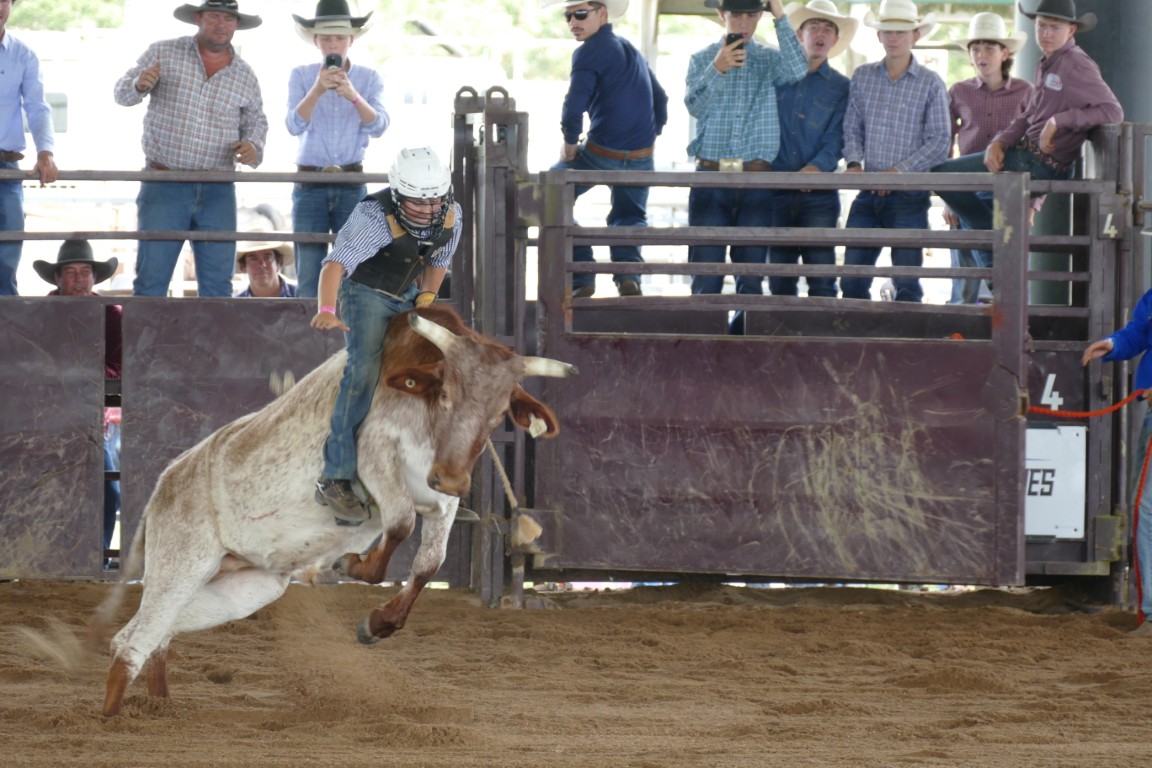
From the moment the gates opened, the air buzzed with the sound of hooves, cheering crowds, and the anticipation of more than 25 rodeo events. Tiny riders on ponies, fearless juniors, seasoned stock professionals, and the ever-popular charity bull ride had the crowd on their feet. With daring competitors and non-stop entertainment, this year’s rodeo once again proved why it is one of the most exciting events on the northern calendar. Cowboys and cowgirls showcased their skills, teamwork, and fearless spirit in the competitive arena, with local talent going head-to-head against strong contenders from across Queensland.
The Ingham Sugar City Rodeo bucked into life on Saturday, September 6th 2025, transforming the Ingham Showgrounds into a hub of thrills, skill, and cowboy spirit. Spectators were treated to a full day of action across 25 different rodeo events, ranging from junior bending races and dummy roping to the dramatic open bull rides and the wild saddle bronc events.
The diversity of events ensured there was something for everyone. Young competitors, some as little as under eight years of age, showcased their horsemanship in the barrel and bending races, guiding ponies with precision and determination (and a little help from mums). Novice and junior riders took their place in the steer wrestling and mini bull rides, proving that courage knows no age limit. As the sun climbed higher, the stakes rose with the open-level events, where seasoned professionals faced off against powerful stock provided by local contractors. The atmosphere electrified with each high-flying cowboy, twisting rope, and sharp turns around the barrels, spraying cheering audiences with arena sand.
What stood out most was the balance of competition and camaraderie. Rodeo clowns, arena hands, and stock handlers worked tirelessly to protect riders and animals alike, ensuring the day ran smoothly and safely. Between events and into the evening, the crowd enjoyed live music, hearty food from local vendors, and market stalls celebrating the region’s rodeo culture.
Nick Dametto said, "The Ingham Sugar City Rodeo Committee did an incredible job to pull this event together after rain forced the cancellation of last year’s event. We all owe President Josh Lannen, the rodeo committee and the many volunteers a big thank you for all they did to make this year a roaring success."
Since its beginnings in 1995, the Ingham Sugar City Rodeo has grown into one of North Queensland’s most anticipated annual events.
See the full spread of social pics at https://tinyurl.com/2328svgf

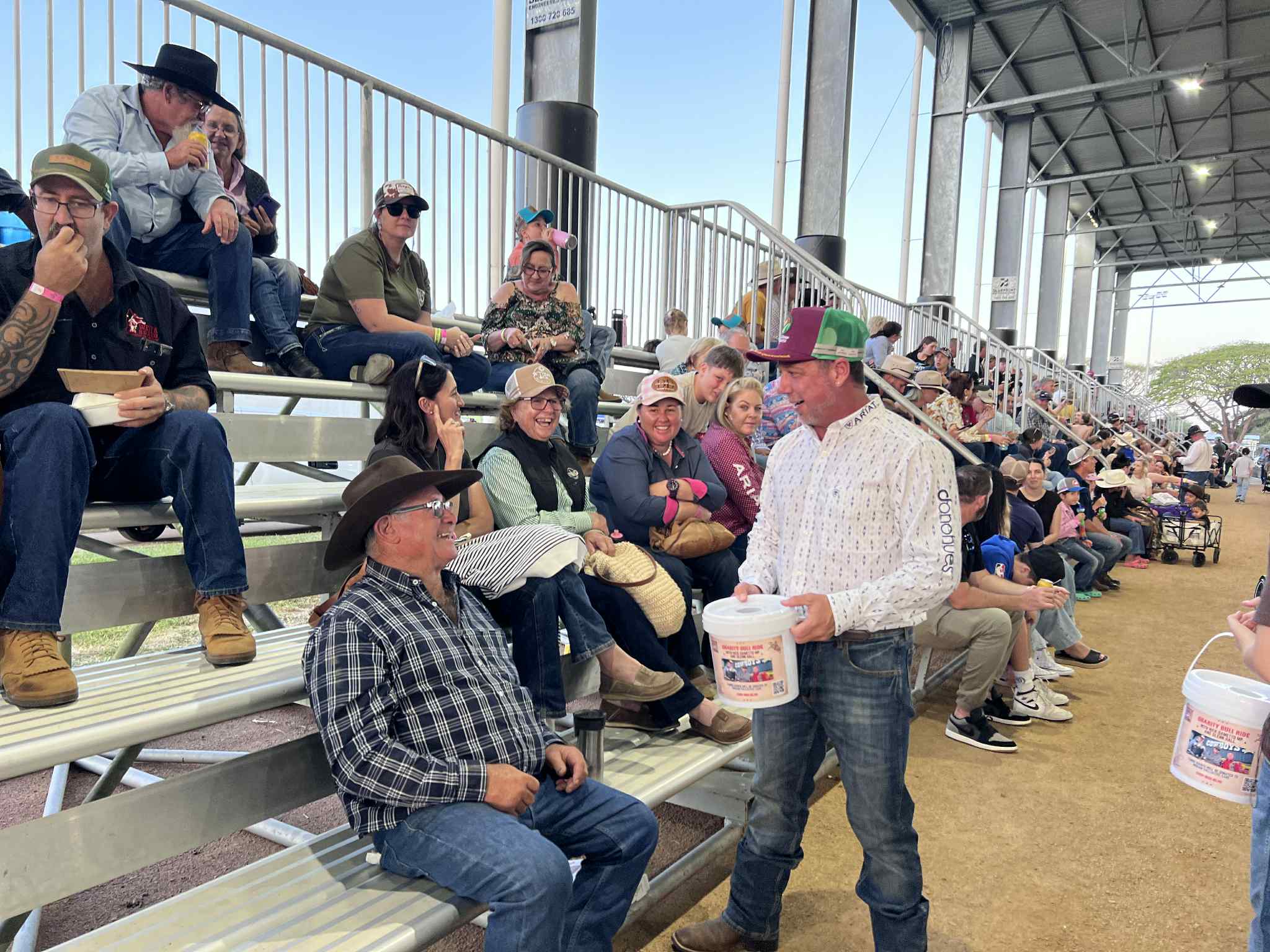
Hinchinbrook MP Nick Dametto and NRL Cowboys Team Manager Glenn Hall went head-to-head in a friendly yet daring showdown, all to raise funds for Ingham Palliative Care.
Ingham Palliative Care provides compassionate, end-of-life care and support to patients and families during some of life’s most challenging moments. Funds raised from the Charity Bull Ride will help purchase essential equipment, ensuring this vital service can continue supporting the community with care and dignity.
Glenn Hall, a former North Queensland Cowboys forward with a stellar 14-year career, brought star power to the ride, but it’s the generosity of participants and the community that truly made this event special.
After seeing first-hand and experiencing the compassionate work performed by the Ingham Palliative Care Unit during the passing of my Nonna Rose (Grandmother) last year I felt compelled to do what I could to raise much-needed help support this vital not-for-profit organisation." - Nick Dametto.
This event would not be possible without the dedication of the Ingham Sugar City Rodeo Committee and the local community. Everyone has the chance to contribute and make a tangible difference. They're only halfway to their $10,000 goal, so step up, donate, and be part of the rodeo spirit.
Scan the QR code to donate to the GoFundMe or via: https://tinyurl.com/2arg4ryz.
.jpeg)
Hiya Hinchinbrookshire!
What a weekend for sports and events it’s been! I was absolutely stoked to cheer on all our local cowboys and riders at the rodeo. Seeing the skill on the arena sands was incredible. I swear some of those horses were almost parallel to the ground as they sped around the barrels. Watching them race and bend makes me want to improve my own riding skills; it looked like so much fun.
My favourite events were the saddle bronc and steer wrestling. Some of those cowboys were thrown even higher than the bulls off those bucking broncos! And watching a skilled rider leap from his horse, tackle a steer, flip it, and truss it up — just amazing. Truly outstanding displays of skill.
Now, as the Maraka Festival draws closer, I’m excited to share that I’ve put my name in the ring for Maraka Queen! Many friends and locals encouraged me, so I thought I’d give it a go; besides, who doesn’t look good in a crown?
If you’d be interested in being a sponsor, please reach out! Shoot me an email. The Hinchinbrook Life team is proud to have me as an entrant, and I want to do this for the town and the festival itself. I hope having your local journo participating and not just on the sidelines gets everybody hyped for Maraka!
Victoria
Fun Fact: A rodeo clown's job is to protect the rider from the bull after he dismounts or is bucked off by distracting the bull and providing alternative targets for the bull to chase.
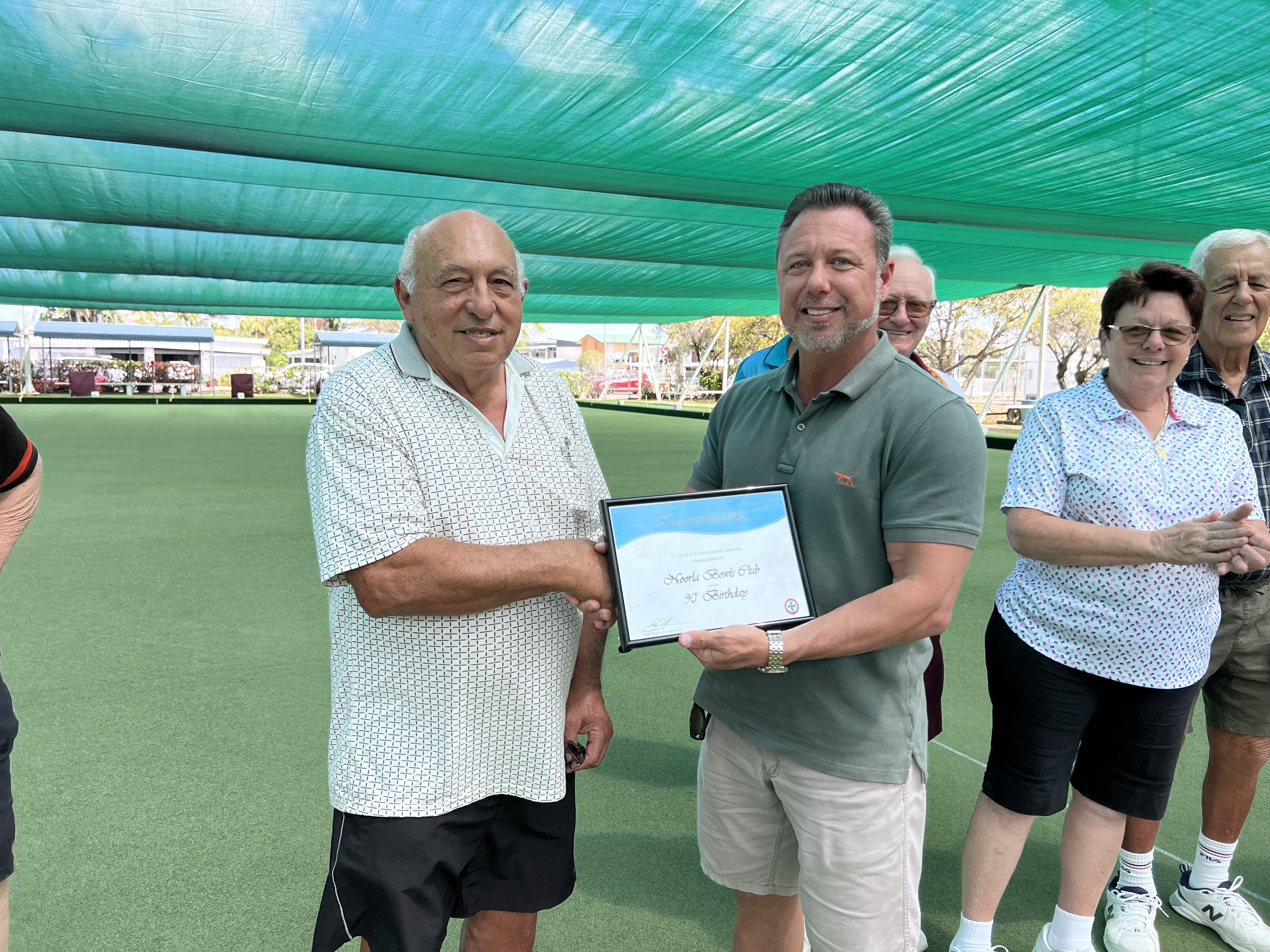
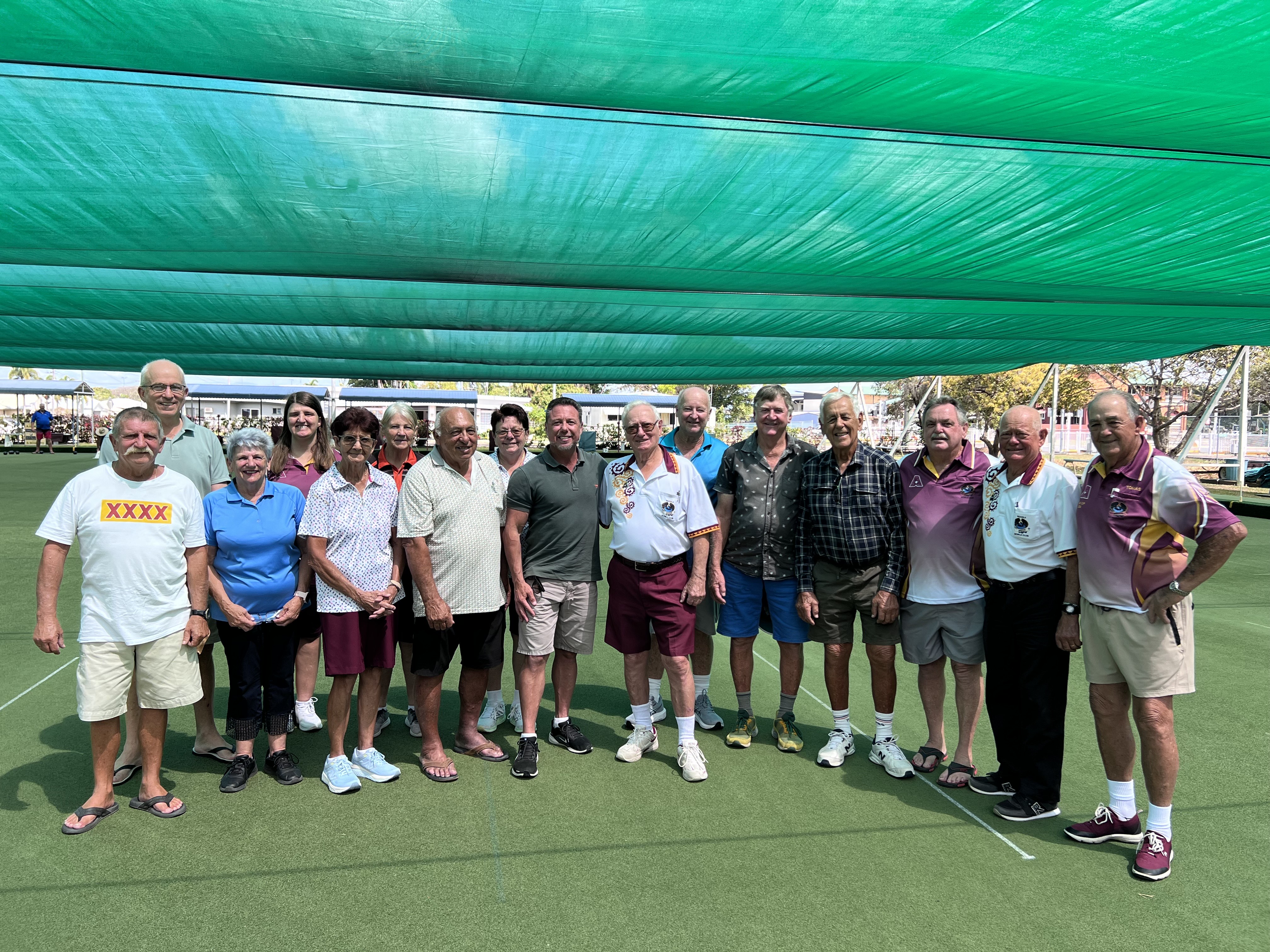
Since opening its doors in 1935, the Noorla Bowls Club has welcomed generations of locals to enjoy a game of bowls. This year, the Noorla Bowls Club officially turned 90 and has recently received an upgrade of a new retractable shade cover, funded through the Gambling Community Benefit Fund.
Celebrating 90 years is an incredible milestone that highlights the dedication, passion, and commitment of committee members, volunteers, and supporters who have helped keep the club alive and thriving across the decades.
It was a pleasure to visit the Noorla Bowls Club last week to present a congratulatory certificate, catch up with the members and check out the completion of the club’s retractable shade cover that has transformed the
greens.
Back in 2024, the Noorla Bowls Club was successful in securing $42,971 through the Gambling Community Benefit Fund, which made this project possible. The timing couldn’t be better, with summer just around the corner, bowlers will now be able to enjoy the game in much cooler conditions. Well done to the committee, members, and contractors on delivering this great upgrade.
From hosting competitive matches and friendly games, to facilitating community functions, fundraising activities, and hiring out the venue for special occasions, the club has always found ways to bring locals together through this sport.
I would like to extend my thanks to the many committees, members, and supporters who have contributed to the club’s success for the past 90 years.
Shifting to another celebration of sport in our region, I’d also like to congratulate the recipients and nominees of the 2025 Sportstar of the Year Awards proudly presented by the Lions Club of Ingham. Each of you has made a significant impact on sport in the Hinchinbrook Shire, whether through athletic excellence, dedication, or community spirit.
A big thank you must go to the judges, organisers, sponsors and guest speaker Suzy Batkovic for facilitating a fantastic awards ceremony on Tuesday, 2 September where the winners were announced.
These celebrations highlight just how important our sporting community is, and how much sporting talent there is across Hinchinbrook.
Contributed with thanks by Nick Dametto MP, Member for Hinchinbrook
Publishers Indemnity. Any individual or entity that places advertising, supplies copy material, or submits editorial content to Life Publishing agrees and undertakes to ensure that all such material:- Does not infringe upon any copyright, trademark, or other intellectual property rights;- Is free from any content that could be considered defamatory, libelous, or slanderous;- Does not infringe upon any rights related to privacy or breach of confidence;- Contains no obscene, indecent, or otherwise unlawful material;- Complies fully with the Trade Practices Act and all other applicable laws, regulations, or statutes. Furthermore, by submitting or placing such material, these individuals or entities agree to indemnify and hold harmless the publisher, Life Publishing and Events Pty Ltd, and/or its agents from and against any and all investigations, claims, demands, liabilities, damages, costs, or judgments arising out of or in connection with the material provided. All material is believed to be accurate at the time of printing and remains the copyright of Life Publishing and Events Pty Ltd.
© 2026 Life Publishing Group Ltd.
