
Independently Owned, Locally Grown, Community Loved
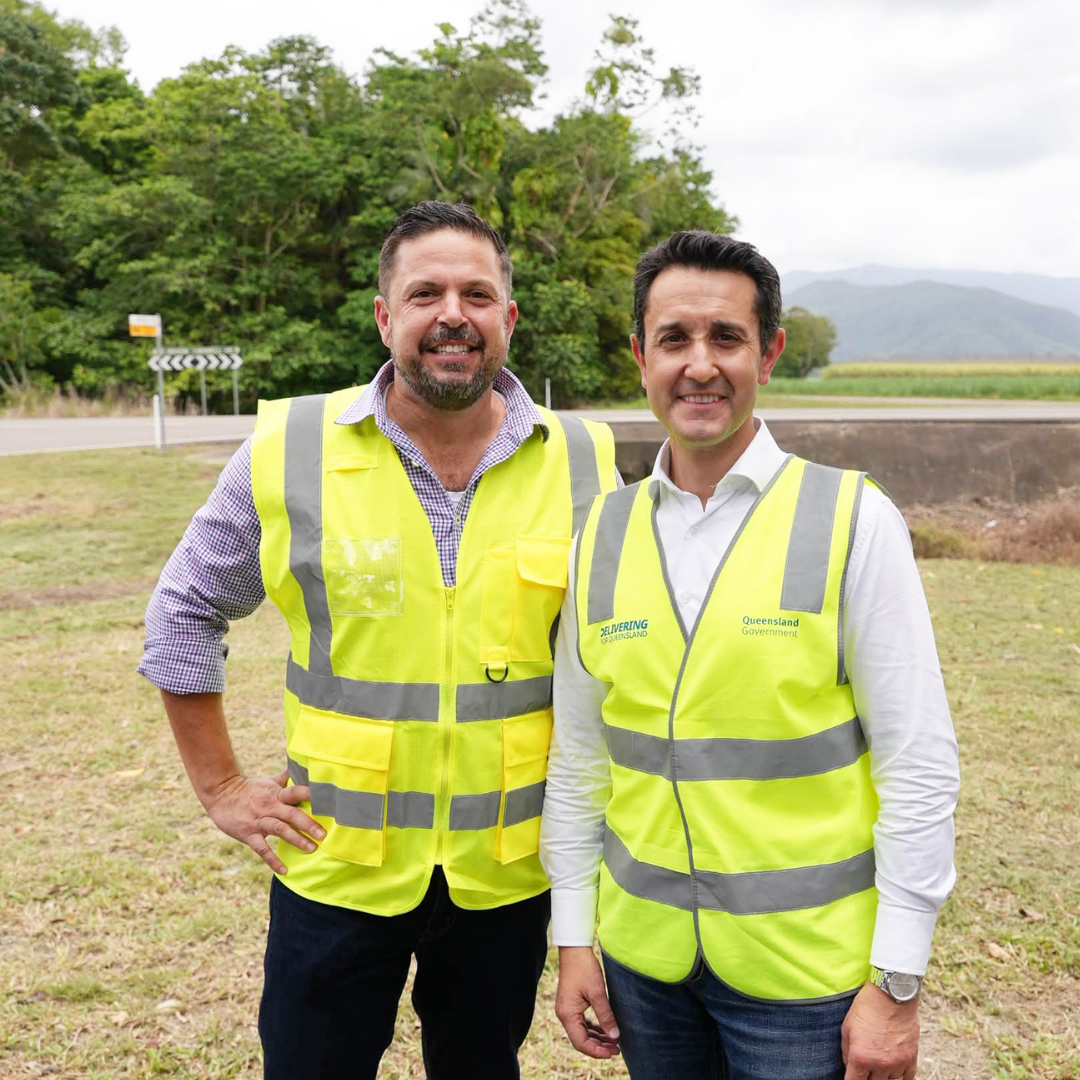
A major Bruce Highway upgrade is underway, with works at Gairloch, Ripple Creek, Ingham-Halifax-Bemerside Road and the Cardwell Range targeting safer travel and improved flood resilience. The long-awaited improvements aim to reduce the severity of flooding across key sections of highway and help prevent head-on crashes, addressing challenges that can disrupt communities and isolate motorists during the wet season.
Read the full story
This NQIB Country Cups Challenge Qualifier Race Day, racegoers are invited to embrace this year’s theme, Country Glamour. The Herbert River Jockey Club event will feature 10 Fashions on the Field categories, catering to everyone from junior entrants to experienced fashionistas. Categories include Forrest Beach Realty Fashions on the Field, Ingham Mazda Contemporary Lady of the Track, NQ Travel & Cruise Classic Lady of the Track, The Bloom Room Townsville Millinery and Lifelong Supports Best Dressed Man of the Track. Junior and youth categories, alongside Spotter’s Choice, will offer further opportunities to take part. Three judges will bring their individual fashion and racing experience to the competition. Amy Byrnes grew up immersed in racing, travelling to meetings with her family and making memories at Cluden Park. Now a racehorse owner herself, she enjoys attending meets across Queensland and internationally. Amy will be looking for confidence, personality and the joy an outfit brings to its wearer, with an appreciation for thoughtful accessories and finishing touches. Milliner Cat Murphy brings more than a decade of experience creating headwear worn at race meetings across Australia and in London. A passionate racing enthusiast, she values outfits that work cohesively with the theme, combining comfort, confidence and attention to detail. Millinery will naturally be a particular focus, whether a bold statement piece or a classic, understated design. Marnie Davidson brings a competitive edge, having collected 27 sashes during three years of Fashions on the Field competitions around Australia. Her achievements include finalist positions at Flemington’s Melbourne Cup Derby Day and Turnbull Stakes, as well as qualifying for several major fashion events. A self-confessed lover of coordinated looks, Marnie will be keeping an eye out for the little details that bring an outfit together. With experienced judges and a Country Glamour theme, racegoers are encouraged to bring their own interpretation of raceday style to the track. For event information and the full list of categories, visit hrjc.com.au. Dress to impress at the Country Cups this November. Photo sourced: Herbert Rivr Jockey Club
Read the full story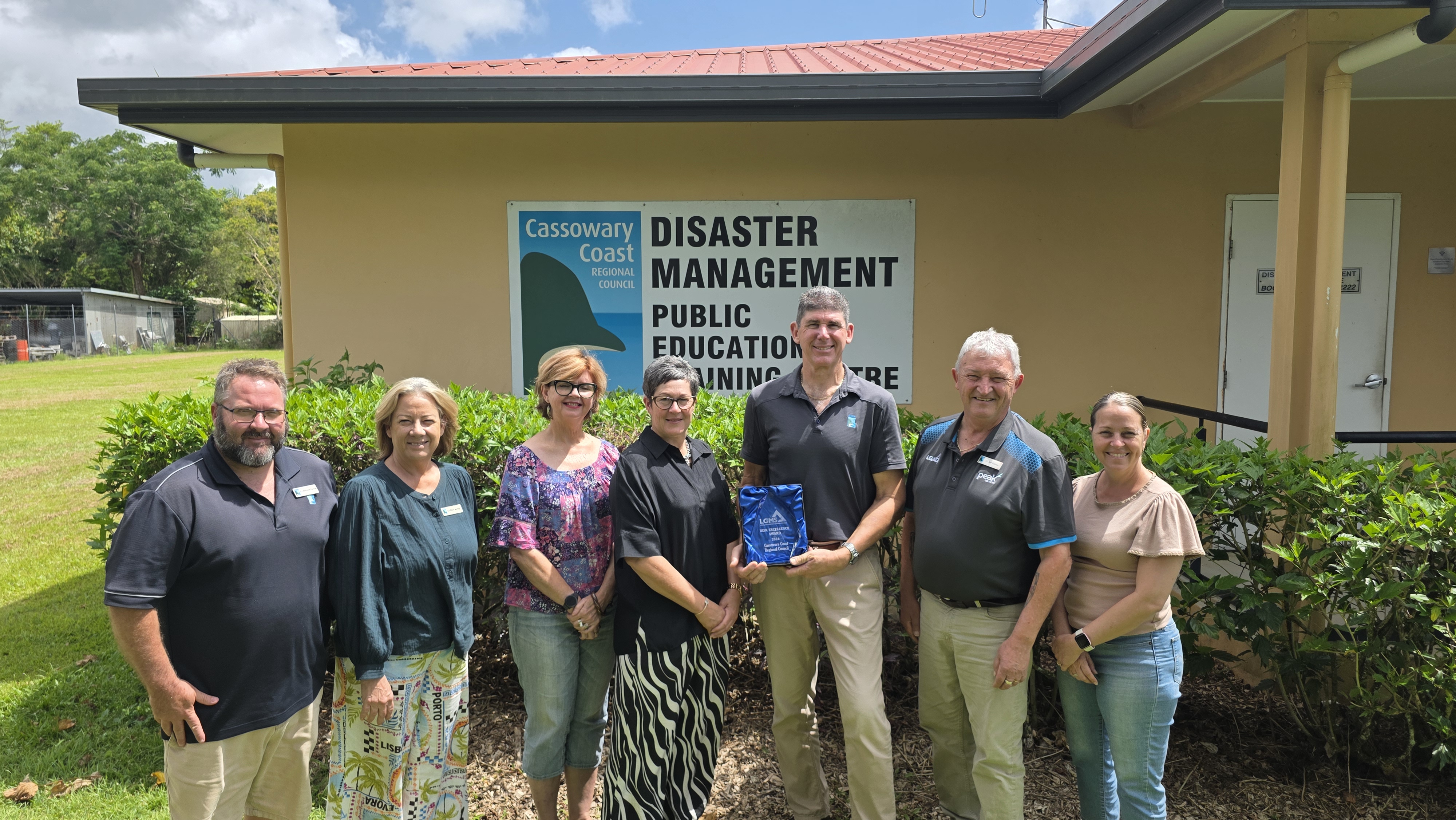
Cassowary Coast Regional Council has been recognised for its innovative approach to flood monitoring, taking home the Local Government Mutual Services (LGMS) Risk Excellence Award at the Local Government Association of Queensland (LGAQ) Conference on Tuesday evening. The award recognises Council's Flash Flood Sensor Network project, which uses radar technology to monitor water levels at known flood-prone locations across the region. The information from the flood sensors is integrated into Council’s Disaster Dashboard, giving residents, emergency services and Council access to local conditions as they change. Cassowary Coast Mayor Teresa Millwood said the recognition highlighted Council's commitment to finding practical ways to improve community safety and disaster preparedness. "Living on the Cassowary Coast, we know how quickly heavy rainfall can turn into dangerous flooding, particularly in areas where water levels can rise with very little warning," Mayor Millwood said. "These sensors give us another set of eyes on some of our known flood trouble spots, providing real time information without having to send staff out into potentially dangerous conditions. "What's particularly important is that this information isn't just for Council. Our residents in flood prone areas can also access this information on the Disaster Dashboard to help them asses their risk, get prepared and make plans in case flooding looks likely." The network has already supported information sharing with local police and State Emergency Service personnel around Mission Beach, helping emergency services monitor conditions at known flood-prone locations. Previously, monitoring these locations relied heavily on weather forecasts, community reports and staff inspecting conditions on the ground. The technology provides another source of information to support earlier identification of rising water levels, planning for potential road closures and coordinating responses during heavy rainfall. Council is continuing to assess the network through a three-year trial, using observations from residents and emergency services to verify sensor readings and evaluate its effectiveness. Residents can access flood monitoring information, road updates and other important disaster information on Council’s Disaster Dashboard by ticking *New Water Levels Visit: www.disaster.cassowarycoast.qld.gov.au Caption: Cassowary Coast Regional Council has been recognised for its innovative approach to flood monitoring. Photo supplied
Read the full story
I have spent sleepless nights since last Monday, praying for my long-term and good friend in the Parliament, Helen Haines, along with her family, staff and the first responders to an inexcusable act on a beautiful human being inside and out, who has brought much sparkling joy and enlightenment to the centre of the crossbench. Whilst we are at opposite ends of the country and representing significantly different electorates, my tremendous respect of Helen’s tenacious advocacy for what she believes in, matches my great appreciation of our genuine friendship. We don’t represent a political party based in Melbourne or Sydney or Brisbane – we represent the people who sent us to parliament: the people of our electorate. And there’s no doubt that a terrible blow has been struck against democracy and the people of Australia. A lady in every sense of the word, Helen is a true moderate of the highest regard across the political spectrum – with the ability to get on with people with very definite views like the teals on one hand, and people like himself on the other. And I cannot help but think of her smiling face, whenever I leave the Chamber and tap her on the shoulder to ask, “You right if I leave this all under your control, Helen?” and her cheerful reply, “Yes Bob,” both of us laughing. Not to mention her culinary skills in constructing the most delicate of sponge cakes. Though I react quite frankly with rage and fury at this evil that can have no exculpatory explanations, may we all pray that God’s blessings are with Helen and her family, staff and friends as we all rally around them to provide the support they need during this extremely difficult time. Hon. Bob Katter MP, Federal Member for Kennedy Federal Kennedy MP Bob Katter at Australian Parliament House with his independent crossbench colleague Helen Haines MP, the Member for Indi. Photo supplied
Read the full story

The natural, unflavoured Nutra Organics Collagen products are versatile and can be added to coffee, tea, smoothies, soups, baking, and more. Collagen is crucial for maintaining skin hydration, joint function, and tissue repair. Production naturally declines after age 20, leading to wrinkles and stiffer joints. Customers love these formulas for collagen quality, skin feel, and overall improvements in skin, hair, nails, and wellbeing.
Glow from the inside out with Collagen Beauty, Collagen for Skin, Hair, Nails + Gut, a natural collagen supplement featuring VERISOL® Bioactive Collagen Peptides and 100% RDI Vitamin C. It helps plump skin, support healing, improve hydration and elasticity, and promotes healthy hair, nails, and gut function. Scientifically formulated for visible results in just 8 weeks, Collagen Beauty complements an active, balanced lifestyle, helping you feel radiant and nourished while boosting overall wellbeing.
Collagen for Joint & Bone Strength is a natural wholefood formulation with FORTIGEL® Bioactive Collagen Peptides, vitamin D, and calcium (50% RDI) to support healthy joints and bones. Ideal for busy, active lifestyles as well as mature adults, it promotes mobility and helps you stay strong, supporting both exercise and everyday activities.
Caption: Nutra Organics Collagen Formulas are available at Ingham Whole Life Pharmacy. Image credits: Nutra Naturals
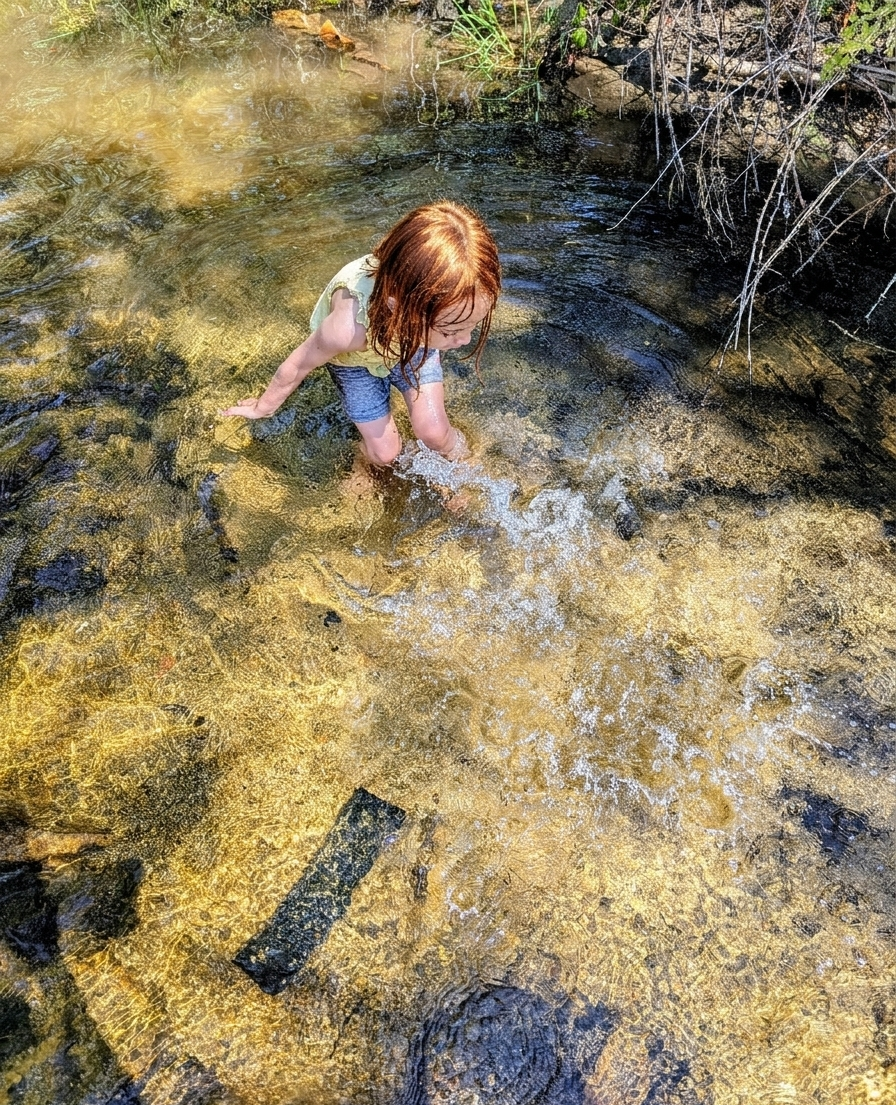
After months spent indoors and glued to screens, many children are showing signs of reduced physical and emotional wellbeing. Tanya Bird, Practice Manager at Naturally Kids, says, “We are increasingly seeing children who have had fewer opportunities for movement, exploration and social interaction in their everyday lives.”
Physically, this can show up as “reduced core strength, balance and coordination, as well as delays in motor development. As children are spending more time sitting, in their day both at school and at home we see the resultant impact on posture and overall physical confidence.” She explains, “We’re seeing more children who struggle with attention, emotional regulation and resilience. When children spend extended periods indoors and on screens, they miss out on the natural opportunities to practise problem-solving, risk-taking and social interaction that come with active play.”
The solution, Bird says, is outdoor play. “Outdoor play provides children with a rich environment that supports multiple areas of development at once. Nature encourages children to move in varied and unpredictable ways — climbing, balancing, running and exploring — which helps build strength, coordination and body awareness. It also stimulates sensory development, which is essential for children’s ability to regulate their emotions and focus on tasks.”
Bird highlights that outdoor activity can help children ‘reset’ after time spent indoors. “The open environment, natural light and freedom to explore allow children to reconnect with their bodies, their curiosity and their sense of independence.” Beyond physical benefits, time outside supports mental wellbeing and social skills. “Outdoor play offers children something that structured indoor environments often cannot — freedom to experiment, take manageable risks and solve problems independently. When children climb a tree, build something with sticks or work together to complete a task outdoors, they are developing confidence and resilience.”
Outdoor play also encourages collaboration. “Children negotiate rules, share ideas and practise teamwork without the pressure that can sometimes come with structured activities. From a mental health perspective, time outdoors is incredibly regulating for children. It helps reduce anxiety, improves mood, and supports attention and concentration. These benefits are particularly important for neurodiverse children who may experience sensory or emotional regulation challenges.”
For parents unsure how to get their children outside, Bird recommends starting small and keeping it fun. “Make it part of everyday life rather than something that feels like another task. Children learn from watching adults model the behaviour. Some simple strategies include visiting local parks or beaches for short, regular play sessions, encouraging unstructured play outdoors, creating ‘nature challenges’ like collecting leaves or spotting wildlife, replacing some screen time with family walks or backyard play, and letting children lead the activity rather than directing how they should play.”
Bird emphasises consistency with, “Even small amounts of outdoor play each day can have a big impact on a child’s physical and emotional wellbeing. Children are naturally curious. Often, once they are outside and given time to explore, the motivation to play emerges quickly.”
Naturally Kids integrates outdoor environments into therapy programs as well. “Our therapists regularly work with children in community settings such as parks, schools and other natural environments, allowing therapy to occur in spaces where children feel comfortable and motivated to engage. We also offer nature-based occupational therapy groups such as Joey’s Mob, where small groups of children participate in therapist-led outdoor activities, including building swings, crafting and exploring nature. Programs such as Sense Rugby provide structured movement experiences that support gross motor skills, balance, sensory processing, teamwork and social interaction in a fun and supportive environment.”
Bird concludes, “A child may benefit from more structured support when challenges with coordination, attention, emotional regulation, social participation or sensory processing begin to affect everyday activities such as school, play or friendships. Occupational therapy can help children build these skills through play-based approaches that are engaging, meaningful and tailored to each child’s strengths.”
Encouraging children to spend time outdoors doesn’t have to be complicated. By creating opportunities for exploration, movement, and connection with nature, families can help children build physical strength, confidence, resilience, and a lifelong love of active play. In a world increasingly dominated by screens, the simple joy of outdoor adventure may be exactly what today’s children need to thrive.
Caption: Activities as simple as splashing water about in a creek can build body awareness and coordination. Photo credit: Victoria Velton

Caption: Building a bark and stick hut is a fun way to encourage creativity and natural connections. Photo credit: Victoria Velton

Looking to reduce your power bills, protect your home or business from outages, or upgrade to a more sustainable energy solution? SpinFX NQ now offers professional Solar PV and Hybrid Installations across North Queensland, servicing Ingham, Forrest Beach, Lucinda, Cardwell, Georgetown, Mount Surprise through to Karumba, Forsayth, Croydon, and Einasleigh.
Whether you’re building a new home, renovating an existing property, or upgrading your electricity systems, SpinFX NQ provides top-quality solar panels and battery solutions tailored to your needs. Our expert electricians carry an extensive range of equipment and parts from leading brands, including Sungrade, ensuring reliable, long-lasting results.
Solar battery systems are a smart investment, allowing you to store energy generated by your solar panels for later use. This means you can draw on your own power at night, during peak times, or in the event of a power outage, reducing reliance on the grid and lowering your electricity bills. With government rebates and incentives available now, it’s a great time to invest before rebate reductions take effect on 1st May 2026.
SpinFX NQ also offers fully automatic generator and genset change-over installations, providing peace of mind for businesses with critical power needs. From cold rooms and freezers to fuel pumps, our systems ensure operations continue without interruption.
Owner Jesse Spina explains why solar is a priority for SpinFX NQ, "We got into solar as a lot of our clients were enquiring about it and have had numerous reports of their power bills going up",” he explained.
“And what better place to do it other than North Queensland? We have the best sun in the world, and there's an abundance of it,” said Jesse.
“Solar wasn’t really affordable a few years ago but prices have since dropped and with government incentives, it is much easier to afford it and we also provide finance options to help cash flow"
Don’t wait! Now is the perfect time to install your battery system and lock in savings before costs rise. Call SpinFX NQ today on 0447 774 854 for a free quote and ensure your home or business is powered by reliable, cost-effective, and sustainable electricity solutions.
Caption: SpinFX NQ now offers professional Solar PV and Hybrid Installations across North Queensland’ Photo credit: SpinFX NQ

The Rotary Club of Hinchinbrook has continued to serve the Hinchinbrook District over the last year. Some of the events that have happened for the club are it’s Changeover night where the new board was sworn in with Madeleine D’Urso handing the role of President over to Sari Russo. Also on that night 2 of the clubs hardworking members received awards. Keith Josey received a Paul Harris Fellow award (Life Membership) while Anne Accorsini received a Paul Harris Fellow Sapphire pin that is a step up recognising the further work Anne has done within the club.
Since that time the club has also been involved with sponsoring such local groups such as the Herbert River Show Society, Herbert River Netball, Ingham Art Action Group and have over recent years supported local schools with the Ingham State High School Creative Generation trip, Gilroy Santa Maria Velocity Raptors trip overseas and most recently Chris & Tracey Castles in the Outback Airrace that raised money for the Royal Flying Doctors.
The club also helped out at events such as Hinchinbrook Gallery Opening Events, Maraka, Forrest Beach Christmas Carols and they have also continued to sing Christmas Carols at the Ingham Nursing Homes each December. Club member Madeleine D’Urso took the lead in arranging the combined club Rotary, Lions and Apex clubs to come together to run a food stall at the recent Tones and I concert.
Presently the club is preparing to assist with the North Queensland Field Days in Townsville. Club members are also heavily involved with other committees around the district.
The club meets the 2nd and 4th Wednesdays of every month with the 4th Wednesday being a Dinner Meeting which partners are welcome to attend. Besides those Dinners the club is involved with other such social events as Dinners with other clubs and their own Christmas functions.
Contributed with thanks by Peter Reitano.


It’s been a fantastic start to the year at Logilytics, and we want to say a genuine thank you to everyone who’s supported our family-owned business. Your trust keeps us doing what we do best: getting your IT and connectivity where it needs to be, be it at home or at work.
If your internet is slow, unreliable, or holding your team back, we can help with some great options available right now:
From smoother streaming and faster downloads at home, to more reliable video calls, cloud apps, and POS systems in business, we’ll recommend a fit-for-purpose solution and install it properly — no guesswork, no runaround.
Start 2026 with internet that actually keeps up. Call 07 4448 4707, message, or drop in and chat with the team today.
*Free fibre upgrade subject to eligibility, pathway, and service availability. Terms apply. Internet plan charges apply.
Caption Install: ‘We’ll recommend a fit-for-purpose solution and install it properly — no guesswork, no runaround.’ Photo supplied
Caption Team: Logilytics thanks everyone for supporting them and their family-owned business. Photo supplied


The contract to deliver the remedial works has been awarded to Advanced Aqua Blasting, a locally owned company established in 1998 by David Gianotti. AAB first secured work at Lucinda in 2009 and has since partnered on projects across the state.
The company will employ 10 Advanced Aqua Blasting staff on the project and has reinforced its purchase-and-employ-local policy throughout mobilisation. Local businesses including Diggers Plumbing, Lucinda Electrical Services, Henry Solari at NQ Garages and Sheds, Bark Concreting, Bike and Power Ingham, Devietti Ag and Machinery, and welding specialists from Ingham Agencies have contributed equipment, trades and materials.
The remediation process involves detailed welding repairs, with 2 staff from Ingham Agencies. Advanced Aqua Blasting staff will do precision abrasive blasting of steel headstocks, full repainting, and the fitting of Denso jackets to protect piles from ongoing marine exposure.
For AAB, as a locally owned company, to be entrusted with extending the life of such a critical asset for the Herbert River sugar industry, securing that contract meant so much.
“The sugar industry is the lifeblood of the Ingham district and the Lucinda Bulk Sugar Terminal is critical for the shipping of the raw sugar to refineries. How vital the terminal was to the local sugar industry was evident in the aftermath of cyclone Yasi, where the sugar had to be road transported to Townsville.”
“Advanced Aqua Blasting won the contract through having a proven track record in working with QSL, where high safety, environmental protection and quality are the benchmarks achieved before and are expected again.”
Prioritising local trades, subcontractors and suppliers is central to AAB’s approach, and shows a long-term project like this will benefit the wider community.
“Advanced Aqua Blasting is not only a local company employing locals, but also a family company. Working beside owner David Gianotti is his son in law Damian, his son Tamatoa, his wife Juvie and his brother Geoff.”
“This multi-million-dollar contract is 4 years in length, so with the employ and buy local mindset and with 6 scaffolding staff from out of town living in the district for 10 months of the year, the economic flow on will be substantial.”
“Over its four-year lifespan, the project represents sustained economic activity for the region, supporting jobs, suppliers and local businesses while protecting the infrastructure that underpins one of North Queensland’s most important industries.”
Advanced Aqua Blasting is proud to uphold the responsibility and standards required for such complex marine remediation works. The company has brought the skills and expertise needed to carry out this specialised work in a challenging marine environment, supporting the long-term future of the Lucinda Bulk Sugar Terminal and the regional industry it serves.

Caption LEADERS: Back row L-R Andrew La Spina, Daniel Castorina, David Ruggieri, all QSL Lucinda staff. Front row L-R Damian Floyd of Advanced Aqua Blasting, Monica Accornero of QSL Lucinda, David Gianotti and Geoff Gianotti of Advanced Aqua Blasting.
Caption CROWDSHOT: All the attendees of the briefing session, across both QSL and AAB. Photo credit: Victoria Velton
Caption LEARNING: Project workers gathered at the Slipway restaurant for a briefing session. Photo credit: Victoria Velton
From the Princess Theatre in Woolloongabba to the Criterion Hotel in Warwick, 19 of Queensland’s heritage-listed landmarks received funding support for much-needed conservation work, with grants of up to $50,000 each.
Now, from the title of the grant to the example places listed, you wouldn’t expect a wallaby to fit in. But out in Forrest Beach, one woman is preserving heritage one “pouch potato” at a time.
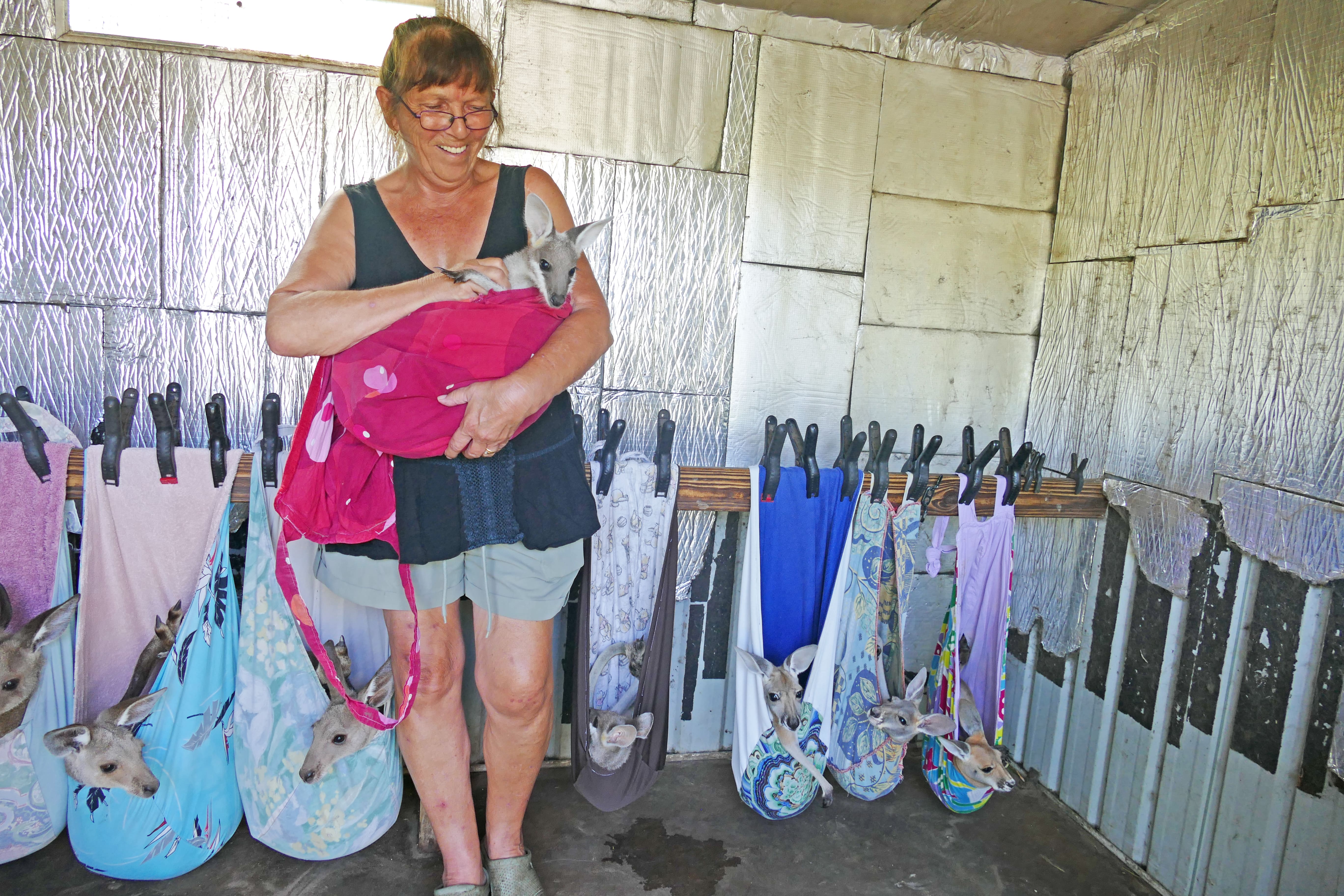
Tracey Stoddart is a qualified macropod carer who raises orphaned kangaroos and wallabies until they are strong enough to return to the wild. Tracey applied for the grant and was successful in securing a total of $7,000, supporting the joeys in her care, which represent a quieter but equally important form of heritage preservation.
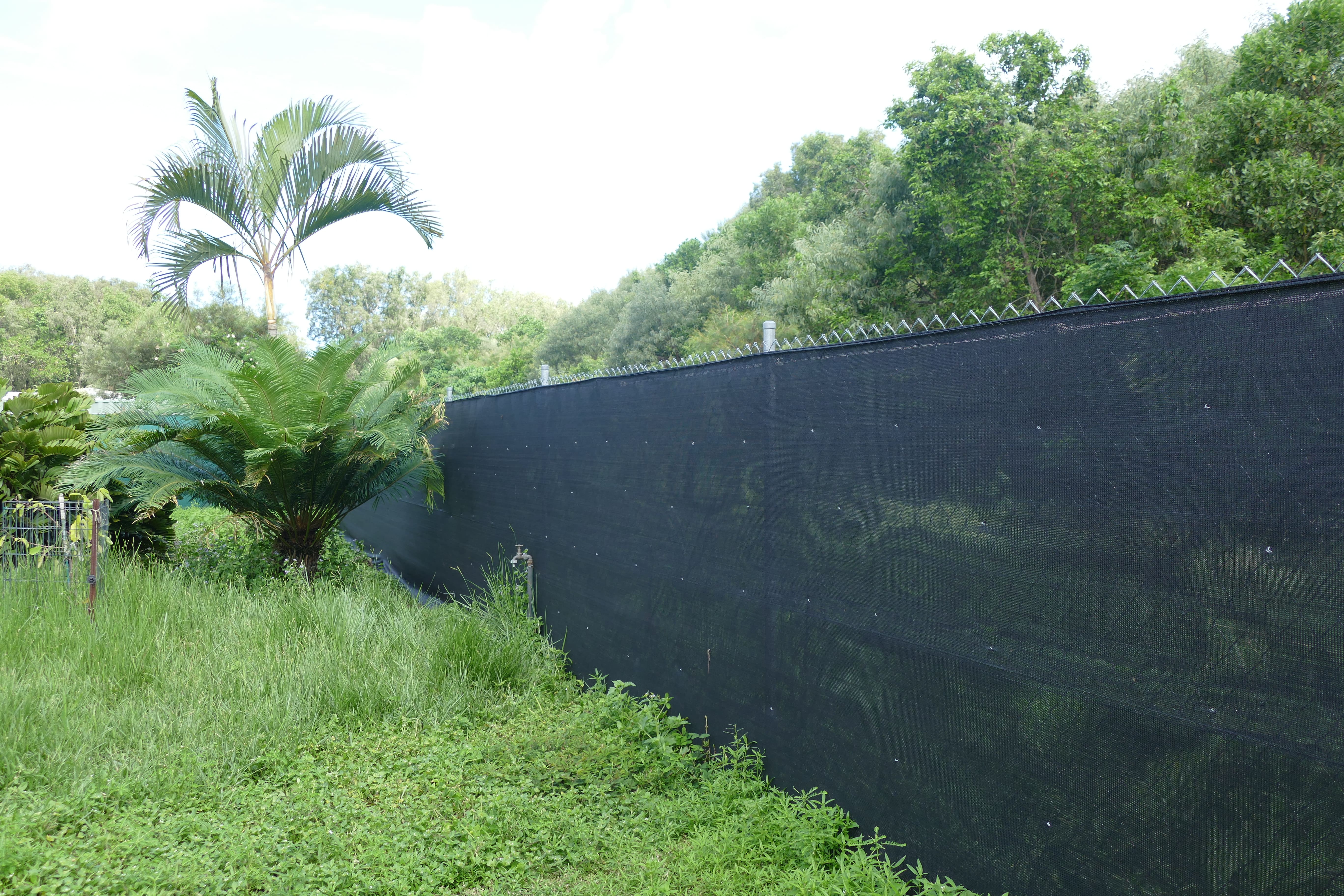
The funding helped improve her macropod enclosure with new fencing, shade cloth and irrigation, as well as assist with the cost of specialised formula used to raise joeys. She was allocated $3,000 in Round 7 and $4,000 in Round 8 under the Wildlife Carers Assistance category.
“I got water actually pumped and plumbed into my enclosure from the house, which saved me having to go backwards and forwards about six or seven times a day with watering cans to change water. So now I’ve got pressure and water in there, which is fantastic. It also helps me get food for my animals, which is very expensive, and I go through lots of it because I have a lot of animals,” said Tracey.
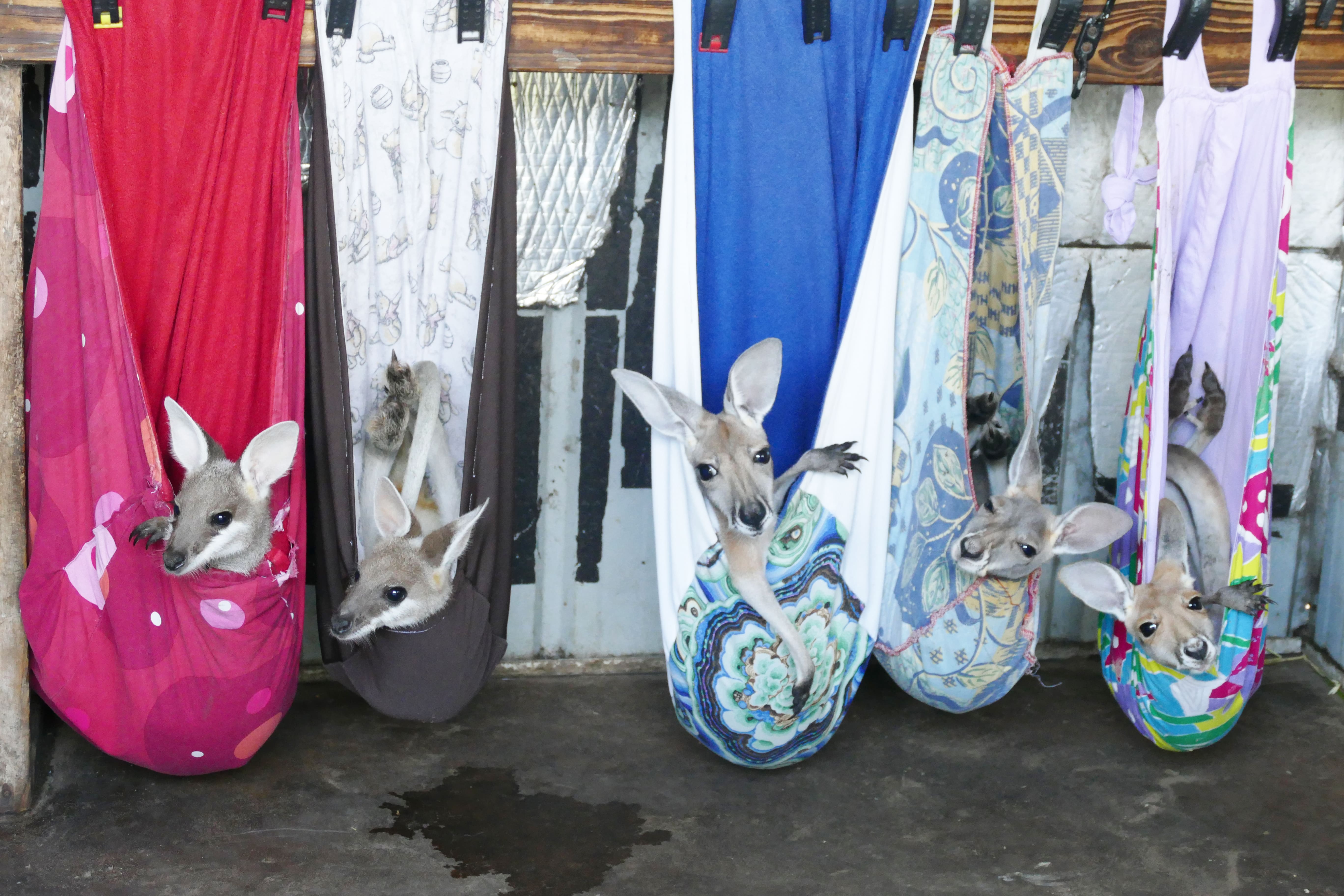
At present, her backyard nursery is home to a small mob of joeys at different stages of development.
“At the moment I have nine animals: four eastern greys, three red kangaroos and two ring-tailed wallabies. They come to me in all conditions, too.” She remarked, saying that not all rescues are hairless pinkies, “but they all need care and love,” she said.
Tracey works largely independently under her own wildlife permit, though she maintains connections with local rescue networks.
As an advocate for native wildlife, Tracey is also a proud member of the Hinchinbrook Wildlife Support group on Facebook and a former member of NQ Wildlife Care. Through her efforts as a surrogate mother to a mob of macropods, she is helping keep heritage and history alive and hopping for the next generation to enjoy and love.
“I take them in. I get them from all over. I’m with a couple of wildlife groups, but mainly I work on my own permit, under my own service. I specialise in macropods, especially the larger species,” said Tracey.
While she focuses on larger red and eastern grey kangaroos, Tracey admits she has a soft spot for ring-tailed wallabies, describing them as “exquisite and divine” little creatures that she occasionally takes on from time to time when she doesn’t have too many of the larger species in her care.
Minister for the Environment and Tourism Andrew Powell said preserving Queensland’s heritage remained a priority for the Government.
“Queensland’s heritage-listed places tell the story of our state; they are precious pieces of our past that give us a glimpse into the lives and times of those who came before us,” Minister Powell said.
“The Government is conserving these heritage assets because it is important for Queenslanders and creates opportunities for locals and visitors seeking enriching experiences that connect them with our history.”
While the grant program often focuses on historic buildings and landmarks, Tracey’s work highlights another side of heritage, the native wildlife that has shaped Australia’s identity for thousands of years.
With upgraded facilities and consistent care, Tracey’s joeys will eventually leave the safety of their interim nursery and return to the wild, helping to preserve a small but vital part of Australia’s living heritage.
Heritage doesn’t always come in the form of brick and mortar. Sometimes it is a fuzzy, floppy-eared joey — living heritage that is central to the Queensland and broader Australian way of life — nurtured by carers like Tracey in their own backyards.
The improvements funded by the grant help protect this living heritage, which has been part of Australia for millions of years, ensuring it keeps bounding forward.
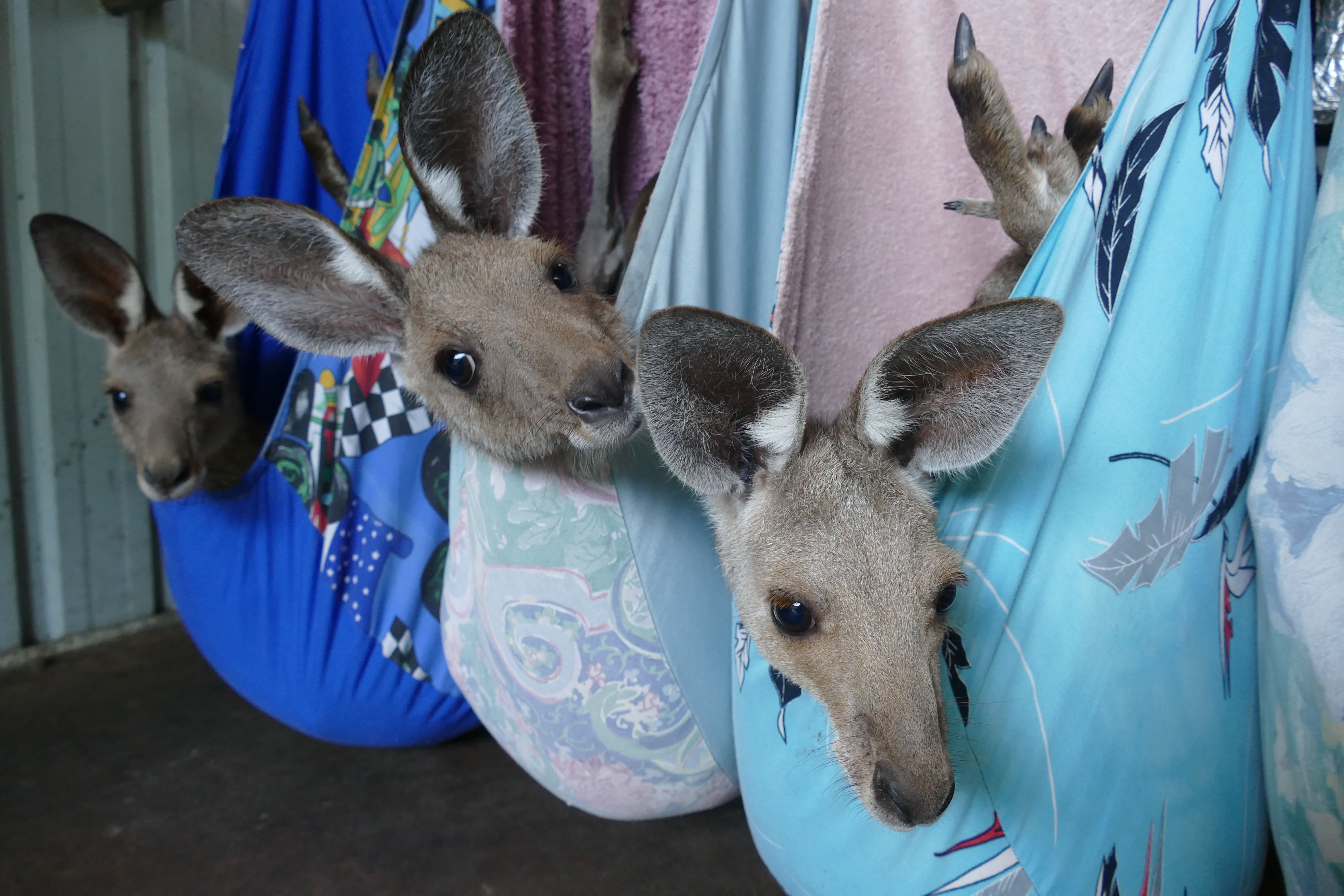

Caption POUCHES: The nine joeys currently in Tracey’s care, all tucked up in handmade pouches, ready for their afternoon naps. Photo credit: Victoria Velton
Caption TRACEY: Tracey Stoddart holding one of her favourite little ‘pouch potatoes’, a ring-tailed wallaby. Photo credit: Victoria Velton
Caption ENCLOSURE: The grant funds enabled Tracey to upgrade and improve her rehabilitation enclosure, including features like running water and shade cloth installations. Photo credit: Victoria Velton

By Jo Sheppard, CEO, Queensland Farmers’ Federation
Energy is an essential farm input, alongside water, that underpins much of the agricultural sector across North Queensland. Decisions around water and energy use have the potential to significantly impact farm profitability, productivity and, in turn, long-term farm business sustainability.
In Northern Queensland’s horticulture and sugarcane growing regions, irrigation represents one of the largest energy inputs for producers. Electricity prices, pump efficiency, water delivery systems and emerging automation technologies all influence operational costs. For many producers, even small improvements in efficiency can deliver meaningful gains.
At the same time, energy systems are changing. New energy technologies are emerging on farm, and large-scale energy infrastructure continues to expand across regional communities.
For the Queensland Farmers’ Federation (QFF), ensuring farmers and regional communities have access to reliable and up-to-date information is essential, so they can understand the opportunities and challenges, and make informed decisions about their businesses, their land and their future.
In 2023 QFF launched the Queensland Renewable Energy Landholder Toolkit to help farmers and regional communities begin to better understand the opportunities and risks in relation to hosting renewable energy developments on their land.
To help farmers continue to navigate these conversations around utility-scale renewable energy, as well as other topics such as energy tariff selection, and emerging energy technology options, the Queensland Farmers’ Federation (QFF) delivers the Energy Information Service for Landholders (EISL). EISL is a free, independent phone-line service providing practical, up-to-date support for farmers and landholders, which can be accessed Monday-Friday 8:30am-5pm on 07 3329 7500.
The service connects landholders with reliable information about energy tariffs, emerging technologies, government and industry programs, landholder hosting arrangements, coexistence considerations, and consultation processes. It ensures producers understand both the opportunities and risks and helps them know who to contact when new projects are proposed in their region.
EISL is complemented by The Queensland Ag Energy Hub, a website which provides industry-specific resources tailored to Queensland agriculture. The Hub includes case studies from sectors such as cane and horticulture farms, guidance on energy efficiency upgrades, and practical tools to help producers assess their own energy use. You can visit the Hub at https://www.qldagenergyhub.com.au/
Later this month, QFF’s Energy Engagement and Education Advisor (EEEA), will attend the Queensland Community Energy Forum in Proserpine. The forum will bring together landholders, community members, industry and government to discuss energy developments in the Whitsunday region.
Through the EEEA role, QFF works with our peak industry members, including CANEGROWERS, Cotton Australia and Queensland Fruit & Vegetable Growers, and regional producers to strengthen engagement between the energy sector and agriculture. Early consultation is essential if productive agriculture and reliable energy infrastructure are to co-exist in regional communities.
QFF is committed to working with our members, industry and regional communities to advance agriculture, supporting on-farm water and energy decision making and driving sensible policy decisions to ensure farmers are supported to continue growing world class food, fibre and foliage across Queensland.
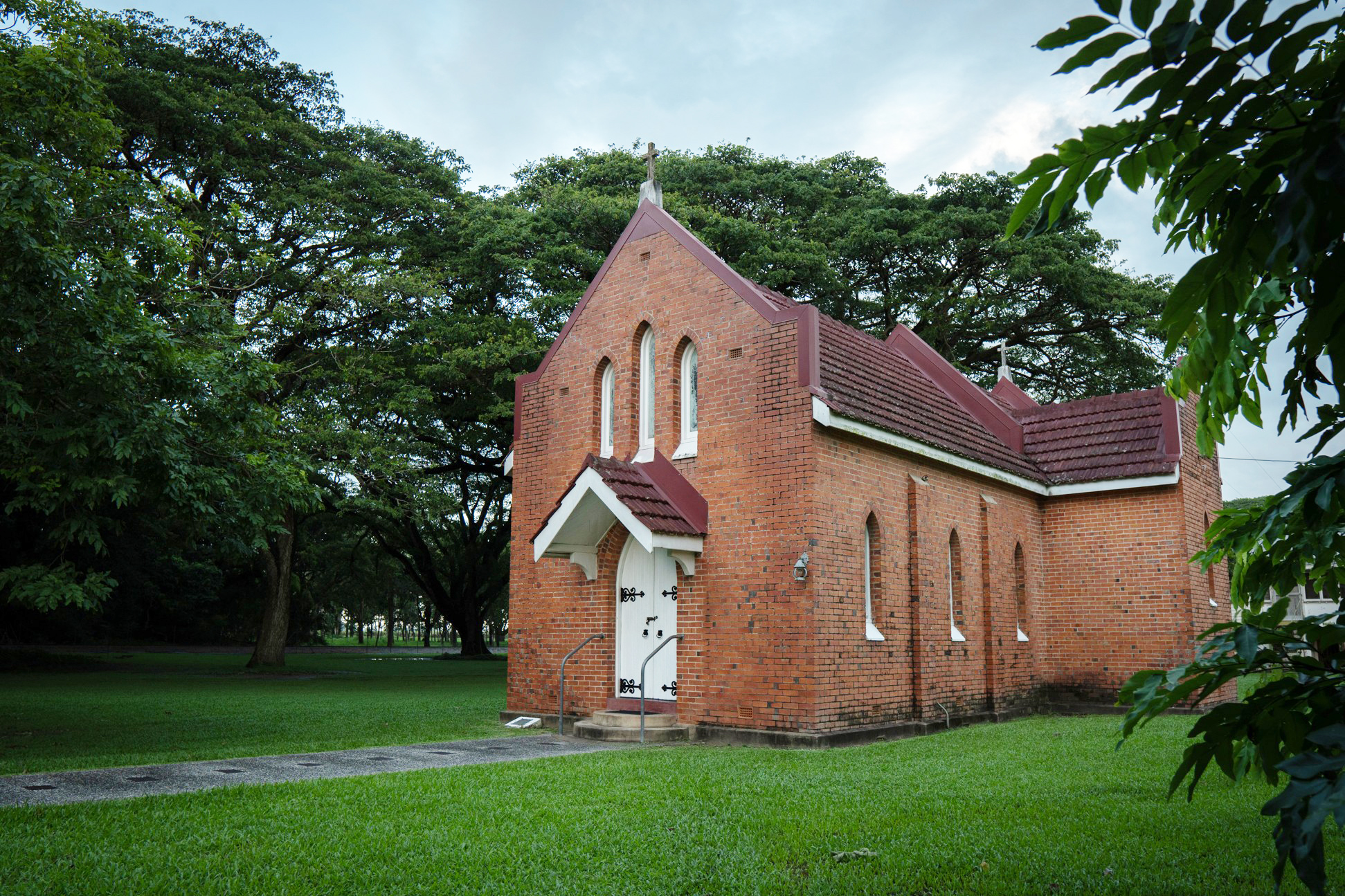
Photo by Wendy Short.
Subject: All Souls Anglican Church, Victoria Estate. Hinchinbrook.
Submit your photo to the comments on the Ingham Photography Group Facebook page when the next prompt is announced for a chance to have your photo featured in the paper.
Hinchinbrook Shire Council advises that works for the Mount Fox Road Resilience Strategy are scheduled to commence shortly.
These works form part of a coordinated program delivered under the joint Commonwealth–State Disaster Recovery Funding Arrangements (DRFA).
The community is invited to attend a project meeting to discuss the upcoming works with contractors and Council representatives:
WHAT: Mount Fox Road Resilience Strategy Meeting
WHEN: Friday, 13 March 2026, 4:00pm
WHERE: Mount Fox Cricket Grounds, Weather permitting
This consultation provides residents with the opportunity to learn more about the works funded through DRFA to support Queensland’s recovery from the North and Far North Tropical Low (from 29 January 2025).
The meeting is open to all community members, including local businesses and industry representatives who frequently use the route.
For more information contact (07) 4776 4600 or council@hinchinbrook.qld.gov.au via email.
Caption: Mt Fox’s crater, a relic of North QLD’s volcanic past. Photo sourced: ‘Keep Mt Fox Beautiful’ on Facebook

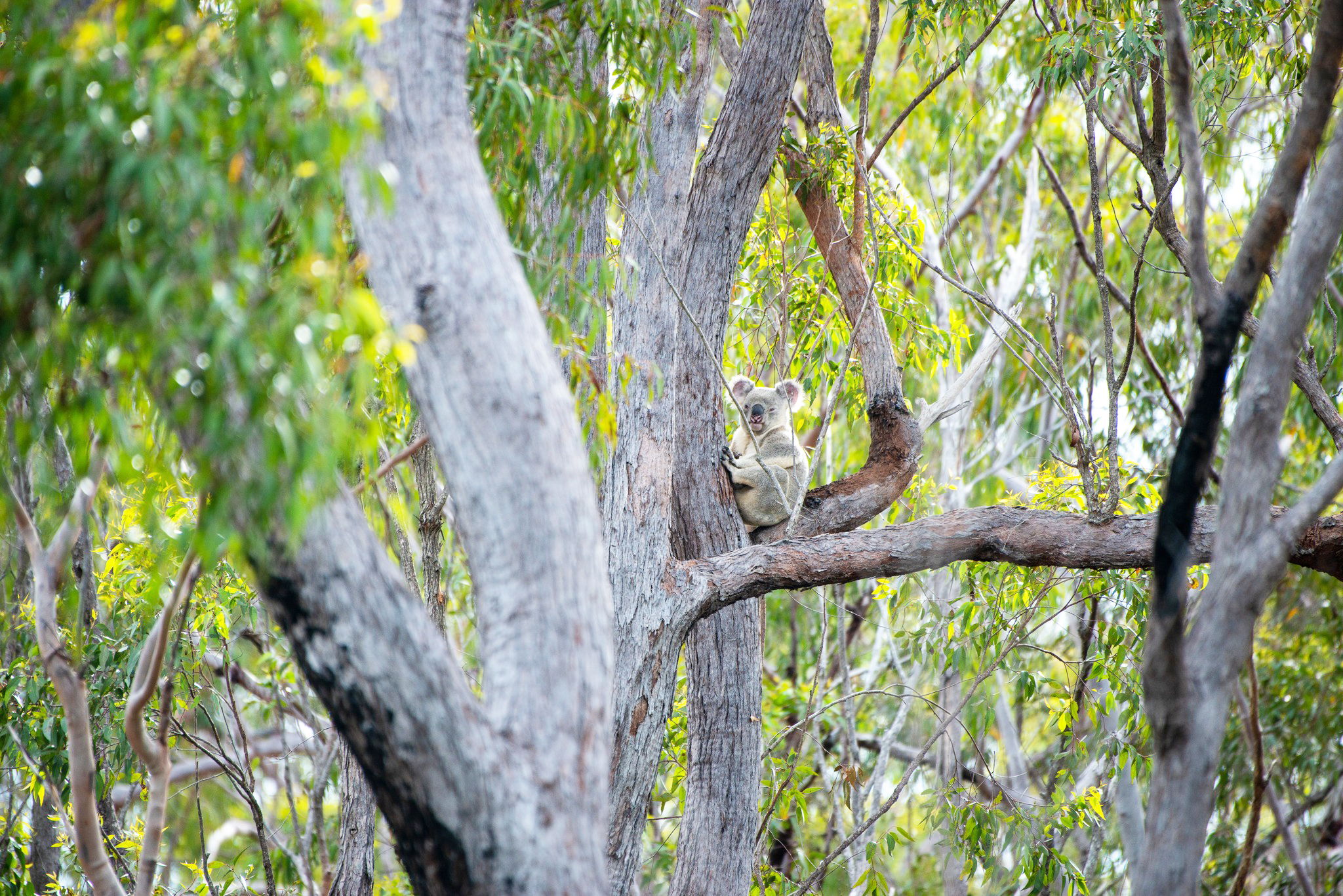
Caption: Endangered species like the Koala live in Mt Fox. Photo sourced: ‘Keep Mt Fox Beautiful’ on Facebook
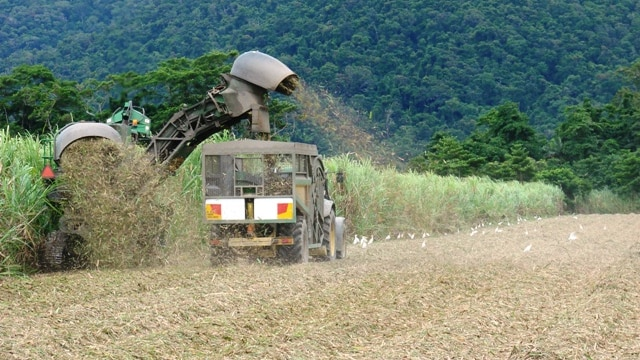
Meeting the seasonal labour demands of the sugarcane harvest remains a significant challenge for growers and contractors across the Herbert River district.
To help address this, Canegrowers Herbert River will again run its highly practical Haulout Driver Training program in Ingham. The course equips new entrants with the skills, confidence, and safety knowledge required to work effectively during the sugarcane harvest.
The three-day intensive program gives participants hands-on experience behind the wheel of halout tractors under the guidance of experienced local grower trainers. Trainees gain practical knowledge of haulout operations, harvest procedures, and, most importantly, safe work practices essential for the fast-paced harvest environment.
Chair of Canegrowers Herbert River, Steven Marbelli, said the program plays a vital role in ensuring a skilled local workforce is available.
“Our industry relies on competent operators to keep the harvest moving efficiently and safely. This training provides a genuine pathway into employment while supporting growers and contractors who are actively seeking reliable staff,” Mr Marbelli said.
“It’s about building local capability and ensuring the Herbert River sugar industry remains productive and sustainable for the future.”
Manager of Canegrowers Herbert River, Frank Scardamaglia, highlighted the importance of the program in responding to labour shortages.
“We know growers and harvester contractors are feeling the pressure each season to secure skilled and reliable workers. This course directly responds to that need by preparing participants with practical, real-world experience and the confidence to step straight into harvest operations,” Mr Scardamaglia said.
“It also provides people from a wide range of backgrounds the opportunity to re-skill, enter agriculture, and potentially build long-term careers within our region.”
The program has secured funding from SmartAG Queensland.
Canegrowers Herbert River will also help participants transition into employment within the sugar industry.
Expressions of interest are now open. Anyone interested in participating in the Haulout Driver Training program in Ingham is encouraged to contact Canegrowers Herbert River on 07 4776 5350 to register their interest and learn more.
Applications close on May 1. This initiative is part of a broader strategy by Canegrowers Herbert River to strengthen workforce development, support local growers and contractors, and ensure the region’s sugarcane harvest continues to operate efficiently each season.
HAULOUT COURSE FAST FACTS
3 day practical haulout driver course
operations of a cane haulage vehicle
workplace health & safety associated with sugar cane harvest work
effective work practices and workplace communication
practical (hands-on) experience with tractors
machinery and maintenance of machinery
REGISTER NOW - Applications Close 1 May
Contact herbertriver@canegrowers.com.au 07 4776 5350
Caption: Get ready for this cane crushing season with a 3-day haulout course. Photo supplied

Isn’t it interesting how things seem to coincide and seemingly come together in time. You will recall that last week I mentioned our planned delegation to Canberra to address the Federal politicians on matters important and critical to our region to enable our economic growth, one in particular being the emerging sustainable aviation fuel and renewable diesel supply chain. As one of Australia’s leading sugarcane regions, we can contribute feedstock and logistics to processing, refining, and export.
Unfortunately, I did not attend due to the flood threat to our district, but the delegation did meet and push the cause with a number of members, including the Minister for Renewable Energy, Chris Bowen. Feedback is that the Minister is keen on progressing the concept, and we will now wait and see what action is taken.
We are all looking closely at what effect the war on IRAN is having, or going to have, on our fuel supplies and, more immediately, on fuel prices. Prices in Ingham have already risen sharply which does not augur well. I read this morning that Australia is holding around 30 days of refined fuel supply, well below the International Energy Agency recommendation of at least ninety days. This apparently leaves Australia vulnerable to global supply chain disruptions, as appears to be presently occurring.
I can report that the Australian Sugar Manufacturers (ASM) is also calling on the Australian Government to introduce a strong national ethanol mandate to unlock the most affordable pathway to sustainable aviation fuel and biodiesel, while strengthening Australia’s sovereign fuel capacity. ASM states that a national mandate would provide the certainty needed to drive investment in domestic ethanol production and support the development of sustainable aviation fuel (SAF) and biodiesel. ASM has identified that a national ethanol mandate would provide certainty to unlock billions of dollars in private investment, deliver the lowest-cost carbon abatement in transport fuels, support the development of affordable sustainable aviation fuel and biodiesel, strengthen Australia’s fuel security and sovereign manufacturing capabilities, and create regional jobs and economic opportunities.
I believe it is becoming quite clear to us all that Australia is facing a clear choice: continue relying on imported fuels or build a domestic industry that delivers affordable emissions reductions and regional economic growth. A national ethanol mandate will transform Australia’s sugar manufacturing sector for generations, and we definitely need to start becoming much more vocal about same.
As you may or may not be aware, the Queensland State Government has over the past year been conducting an inquiry into the Queensland sugar industry bioenergy opportunities through the Queensland Primary Industries and Resources Committee. The committee recently had its final public hearing and, I understand, was told of the significant role that the sugar manufacturing sector can play in supporting Queensland’s renewable energy future, regional economic growth, and long-term energy security. That is, of course, significantly reliant on farmers continuing to provide the feedstock to enable manufacturing to occur.
What I am not hearing or seeing yet is how farmers are going to be brought in as an integral part of this process given the existing Cane Supply Arrangements in place where, effectively, farmers are only paid for crystal sugar and a little bit for other things like molasses, but definitely not renewable energy outputs.
The elephant in the room remains.

The Thorsborne Trail doesn’t shout, it whispers. Stretching 32 km along Hinchinbrook Island, Australia’s largest island national park, this world‑class hike stays wild thanks to a strict permit cap of just 40 people on the trail at any one time.
Usually completed over 3–5 days, many walkers prefer the slower pace, taking extra time to absorb the beaches, rainforest saddles and tidal creeks along the way. The best window to hike is April to September, when temperatures are kinder and creek crossings more predictable: though tides, weather and park alerts always make the final call. Expect soft sand slogs, steep pinches and serious “leave no trace” ethics.
The reward? Freshwater swims at Zoe and Mulligan Falls, empty coves, and nights filled with stars and sea air. Permits book fast. Go slow. Breathe deep. Let the island do the talking. Start planning: hinchinbrookway.com.au

Working Together for Hinchinbrook’s Water Management
As a representative of the Hinchinbrook Council on the Lower Herbert Water Management Authority (LHWMA), Chair Cameron Barber and Board members made up of members of the Cane Growing community. I am also a member of the Drainage Advisory Group, which includes representatives from the Council, Canegrowers Association, QCar, Herbert River Trust, Qld Government departments to advocate and find solutions to our local water systems.
Our collaboration has proven invaluable, as we tackle the pressing issues that affect both urban and rural areas in Hinchinbrook. The collective expertise and perspectives brought together in these meetings have led to innovative solutions aimed at ensuring our waterways are well-managed and sustainable. The challenges we face are significant; all water from urban and agricultural areas must navigate through systems that, unfortunately, are often blocked and in disrepair. Due to outdated legislation and finical impediments.
I want to take a moment to acknowledge the important roles played by Chair Cr. Carr, Mayor Ramon, and Deputy Mayor Mary. Their advocacy and coordination efforts with the community have been instrumental in driving progress. They have worked tirelessly to ensure that the concerns of our residents are heard and addressed, fostering a spirit of collaboration that is essential for effective water management.
While the issues are complex, I am optimistic about the path forward. The commitment from all parties involved demonstrates our shared responsibility to protect and enhance our water resources for current and future generations. Together, we are working to ensure that Hinchinbrook's waterways are resilient, accessible, and capable of supporting our vibrant community. With continued collaboration, I believe we can overcome the challenges ahead and build a brighter future for everyone in our region.
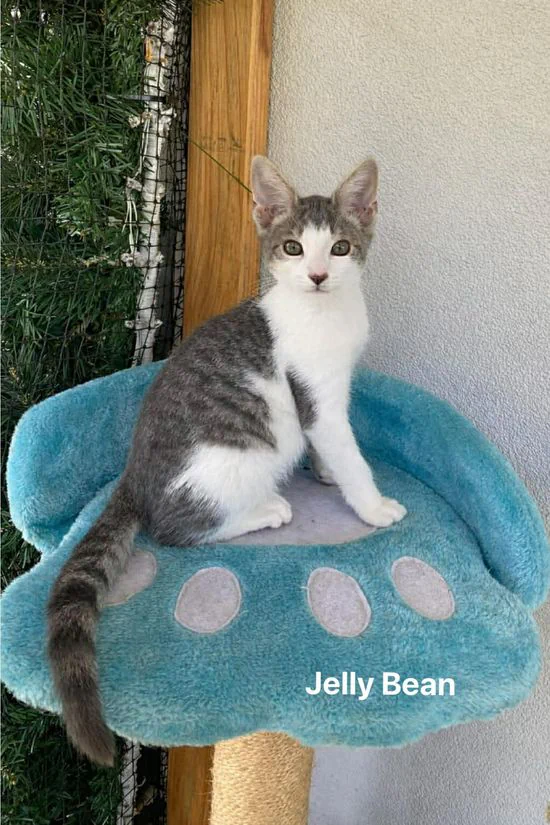
A fun-loving little boy with a big heart and an even bigger purr. I’m playful, curious, and always ready for the next game or adventure. Every day I’m growing more confident, exploring a little farther and trying new things with my foster friends cheering me on.
I adore playing with the other foster kittens! We tumble, chase, and wrestle until we’re all worn out. I’m also getting used to the dogs in my foster home. I’m taking it slow, but I’m learning they aren’t so scary, especially when they’re calm and gentle.
I’m ready for my forever home and can’t wait to bring lots of fun, affection, and my trademark loud purr to the family who chooses me.
Complete an animal enquiry form at: https://www.angelpawsinc.com.au/forms.html.
Included in adoption fee of $240 desexed when of appropriate age, micro-chipped, up to date vaccinations, flea/tick/intestinal worm treated.
DOB: 10/11/2025
Sex: Male
Breed: DSH
Colour: Silver, stripes and white
Kid friendly: Yes
Cat Friendly: Yes
Dog Friendly: Yes
Indoors/Outdoors: Indoors only
BIN: BIN0000268254643
Publishers Indemnity. Any individual or entity that places advertising, supplies copy material, or submits editorial content to Life Publishing agrees and undertakes to ensure that all such material:- Does not infringe upon any copyright, trademark, or other intellectual property rights;- Is free from any content that could be considered defamatory, libelous, or slanderous;- Does not infringe upon any rights related to privacy or breach of confidence;- Contains no obscene, indecent, or otherwise unlawful material;- Complies fully with the Trade Practices Act and all other applicable laws, regulations, or statutes. Furthermore, by submitting or placing such material, these individuals or entities agree to indemnify and hold harmless the publisher, Life Publishing and Events Pty Ltd, and/or its agents from and against any and all investigations, claims, demands, liabilities, damages, costs, or judgments arising out of or in connection with the material provided. All material is believed to be accurate at the time of printing and remains the copyright of Life Publishing and Events Pty Ltd.
© 2026 Life Publishing Group Ltd.
