
Independently Owned, Locally Grown, Community Loved

A major Bruce Highway upgrade is underway, with works at Gairloch, Ripple Creek, Ingham-Halifax-Bemerside Road and the Cardwell Range targeting safer travel and improved flood resilience. The long-awaited improvements aim to reduce the severity of flooding across key sections of highway and help prevent head-on crashes, addressing challenges that can disrupt communities and isolate motorists during the wet season.
Read the full story
This NQIB Country Cups Challenge Qualifier Race Day, racegoers are invited to embrace this year’s theme, Country Glamour. The Herbert River Jockey Club event will feature 10 Fashions on the Field categories, catering to everyone from junior entrants to experienced fashionistas. Categories include Forrest Beach Realty Fashions on the Field, Ingham Mazda Contemporary Lady of the Track, NQ Travel & Cruise Classic Lady of the Track, The Bloom Room Townsville Millinery and Lifelong Supports Best Dressed Man of the Track. Junior and youth categories, alongside Spotter’s Choice, will offer further opportunities to take part. Three judges will bring their individual fashion and racing experience to the competition. Amy Byrnes grew up immersed in racing, travelling to meetings with her family and making memories at Cluden Park. Now a racehorse owner herself, she enjoys attending meets across Queensland and internationally. Amy will be looking for confidence, personality and the joy an outfit brings to its wearer, with an appreciation for thoughtful accessories and finishing touches. Milliner Cat Murphy brings more than a decade of experience creating headwear worn at race meetings across Australia and in London. A passionate racing enthusiast, she values outfits that work cohesively with the theme, combining comfort, confidence and attention to detail. Millinery will naturally be a particular focus, whether a bold statement piece or a classic, understated design. Marnie Davidson brings a competitive edge, having collected 27 sashes during three years of Fashions on the Field competitions around Australia. Her achievements include finalist positions at Flemington’s Melbourne Cup Derby Day and Turnbull Stakes, as well as qualifying for several major fashion events. A self-confessed lover of coordinated looks, Marnie will be keeping an eye out for the little details that bring an outfit together. With experienced judges and a Country Glamour theme, racegoers are encouraged to bring their own interpretation of raceday style to the track. For event information and the full list of categories, visit hrjc.com.au. Dress to impress at the Country Cups this November. Photo sourced: Herbert Rivr Jockey Club
Read the full story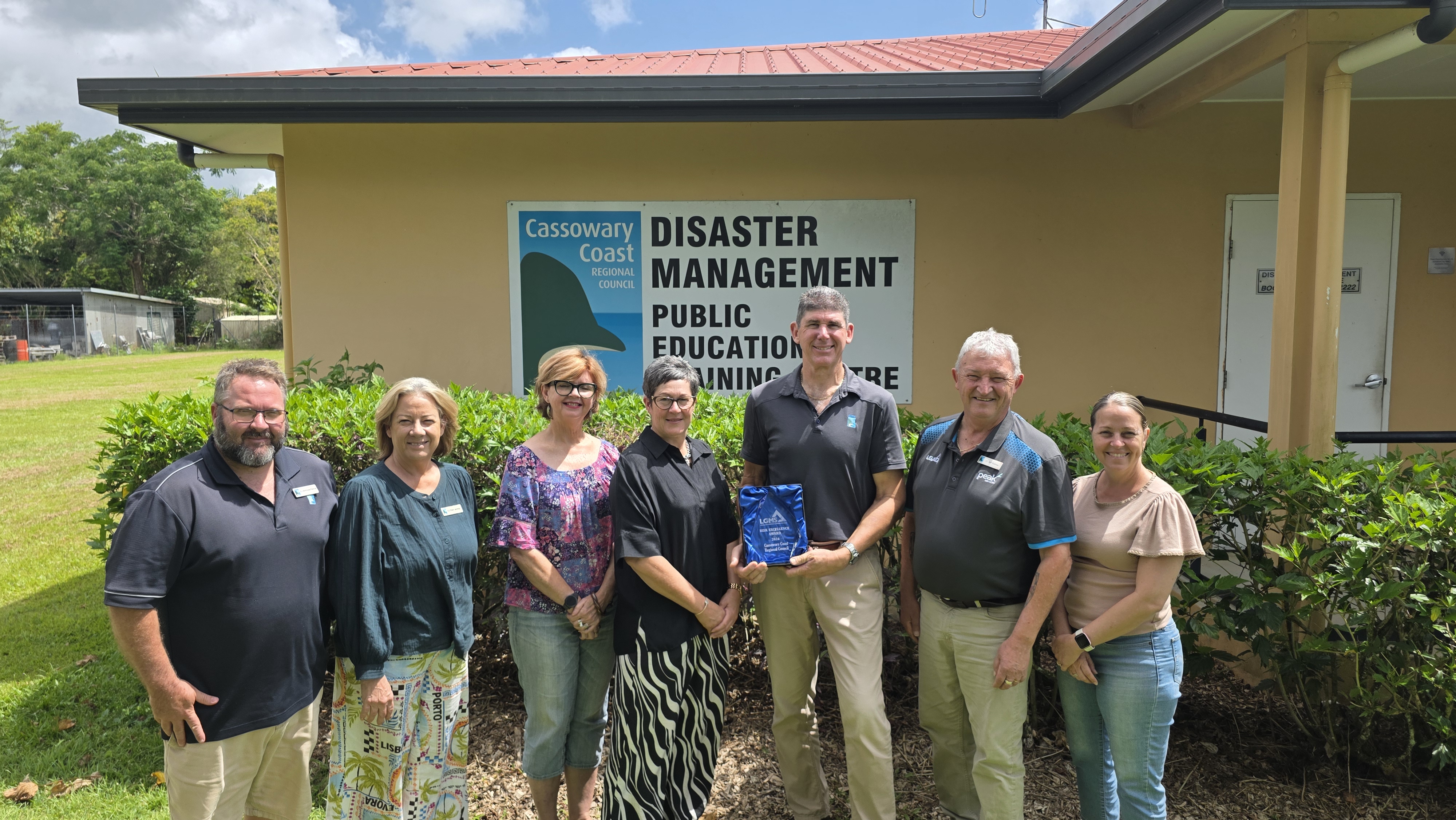
Cassowary Coast Regional Council has been recognised for its innovative approach to flood monitoring, taking home the Local Government Mutual Services (LGMS) Risk Excellence Award at the Local Government Association of Queensland (LGAQ) Conference on Tuesday evening. The award recognises Council's Flash Flood Sensor Network project, which uses radar technology to monitor water levels at known flood-prone locations across the region. The information from the flood sensors is integrated into Council’s Disaster Dashboard, giving residents, emergency services and Council access to local conditions as they change. Cassowary Coast Mayor Teresa Millwood said the recognition highlighted Council's commitment to finding practical ways to improve community safety and disaster preparedness. "Living on the Cassowary Coast, we know how quickly heavy rainfall can turn into dangerous flooding, particularly in areas where water levels can rise with very little warning," Mayor Millwood said. "These sensors give us another set of eyes on some of our known flood trouble spots, providing real time information without having to send staff out into potentially dangerous conditions. "What's particularly important is that this information isn't just for Council. Our residents in flood prone areas can also access this information on the Disaster Dashboard to help them asses their risk, get prepared and make plans in case flooding looks likely." The network has already supported information sharing with local police and State Emergency Service personnel around Mission Beach, helping emergency services monitor conditions at known flood-prone locations. Previously, monitoring these locations relied heavily on weather forecasts, community reports and staff inspecting conditions on the ground. The technology provides another source of information to support earlier identification of rising water levels, planning for potential road closures and coordinating responses during heavy rainfall. Council is continuing to assess the network through a three-year trial, using observations from residents and emergency services to verify sensor readings and evaluate its effectiveness. Residents can access flood monitoring information, road updates and other important disaster information on Council’s Disaster Dashboard by ticking *New Water Levels Visit: www.disaster.cassowarycoast.qld.gov.au Caption: Cassowary Coast Regional Council has been recognised for its innovative approach to flood monitoring. Photo supplied
Read the full story
I have spent sleepless nights since last Monday, praying for my long-term and good friend in the Parliament, Helen Haines, along with her family, staff and the first responders to an inexcusable act on a beautiful human being inside and out, who has brought much sparkling joy and enlightenment to the centre of the crossbench. Whilst we are at opposite ends of the country and representing significantly different electorates, my tremendous respect of Helen’s tenacious advocacy for what she believes in, matches my great appreciation of our genuine friendship. We don’t represent a political party based in Melbourne or Sydney or Brisbane – we represent the people who sent us to parliament: the people of our electorate. And there’s no doubt that a terrible blow has been struck against democracy and the people of Australia. A lady in every sense of the word, Helen is a true moderate of the highest regard across the political spectrum – with the ability to get on with people with very definite views like the teals on one hand, and people like himself on the other. And I cannot help but think of her smiling face, whenever I leave the Chamber and tap her on the shoulder to ask, “You right if I leave this all under your control, Helen?” and her cheerful reply, “Yes Bob,” both of us laughing. Not to mention her culinary skills in constructing the most delicate of sponge cakes. Though I react quite frankly with rage and fury at this evil that can have no exculpatory explanations, may we all pray that God’s blessings are with Helen and her family, staff and friends as we all rally around them to provide the support they need during this extremely difficult time. Hon. Bob Katter MP, Federal Member for Kennedy Federal Kennedy MP Bob Katter at Australian Parliament House with his independent crossbench colleague Helen Haines MP, the Member for Indi. Photo supplied
Read the full story

I always appreciate hearing directly from our community about the issues that matter most to you.
This month, I’m responding to questions from residents on a range of important topics, from cassowary safety on our roads to rates, youth activities and community safety in Innisfail.
Thank you to everyone who sent in a question; your input is invaluable and helps keep Council connected to the people we serve.
Question from Ally: Mayor, can we please do better at informing drivers on the roads to slow down for Cassowaries - so we can reduce big bird fatality & injury? Reduce speeds, more signage and street calming in known Cassowary corridors.
Thanks, Ally. Yes, protecting cassowaries on our roads is very important, and is something Council is actively involved in.
Council is a long-term member of the Cassowary Recovery Team, coordinated by the Wet Tropics Management Authority under the federally endorsed Cassowary Recovery Plan.
Locally, we work with Queensland Parks and Wildlife Service and Department of Transport and Main Roads on implementing speed limits, erecting warning signage, recent crossing alerts and other road safety measures in known cassowary corridors.
We know there is always more to do, and Council will keep working with our partners to improve awareness and protect these iconic birds.
There is an app called Q Wildlife, where you can record sightings and incidents, or you can call the wildlife hotline on 1300 130 372. I urge all drivers to please slow down and take extra care in signed cassowary zones.
Question from Jan: when are the rates actually decreasing to an affordable level, and why is it going up?
Thanks, Jan. We understand that any increase in rates is difficult, especially with cost-of-living pressures continuing to affect households across the Cassowary Coast.
Rates are increasing because Council’s costs to deliver essential services such as roads, drainage, water, waste, public spaces and community facilities continue to rise. Higher fuel prices, ageing infrastructure, severe weather impacts and increased waste costs are all placing pressure on Council’s budget.
Council has worked hard to keep this year’s increase as low as possible.
We’ve limited increases to water and waste charges to cost recovery only, and we’ve retained the on-time payment discount to help ease the burden for ratepayers who can pay by the due date.
If anyone is experiencing hardship or having difficulty paying their rates, we strongly encourage them to contact Council’s Customer Services team as early as possible to discuss available payment arrangements.
Question from anonymous community member: When are you going to implement more events and activities in the region for more adolescents and young adults?
Good question, Council hold various events aimed at our younger community members, such as the annual Tilapia competition, which is coming up at the start of October!
However, due to limited resources and funding, we are unable to deliver all events directly. Instead, we encourage local community groups, schools, and P&Cs to take the lead in organising their own events and to apply for available grant funding that supports activities for young people in our community.
Please visit Council’s website cassowarycoast.qld.gov.au/grants to learn more.
Our young people are the future of the Cassowary Coast, and their voices matter. The Youth Advisory Committee is a fantastic opportunity for them to share their ideas and help shape a region they’re proud to call home.
I encourage all eligible young people to apply and be part of this exciting initiative. Check out Council's website and search Youth Advisory Committee.
Question from John: When will Council work with police to address public drunkenness and antisocial behaviour in Innisfail? Council officers could also consider stronger enforcement in the CBD for smoking within 10 metres of shop entrances and forlittering. What steps can Council take, in partnership with relevant agencies, to improve public amenity and community safety in these areas?
Thanks, John. Council does work with Queensland Police Service on community safety issues in Innisfail, but it’s important to be clear that public drunkenness and antisocial behaviour are primarily matters for police enforcement. Smoking rules and regulations are enforced by Queensland Health authorities, not council.
Littering is a Council matter, but enforcement usually requires an officer to witness the offence, unless it involves littering from a vehicle.
We can all help by identifying problem areas, sharing information and supporting a coordinated local response to keep the Innisfail CBD safe, clean and welcoming.
People can report issues to us directly via the ‘report an issue’ link on our website
Thanks again to Cassowary Coast community members who sent in questions. It’s really important that we keep these conversations going, stay transparent, and make sure our community is informed about the issues that matter. So please keep sending your questions through; I look forward to answering more of them next time.
By Victoria Velton
The latest Reef Report Card shows an overall improvement in water quality across the region, but Riparian Extent, Seagrass Condition and Marine Water Quality are showing declines. To gain better understanding of what this means we reached out to experts at Terrain Natural Resource Management (Terrain NRM), a regional natural resource management organisation working across the Wet Tropics to protect and improve the health of the region’s environment.
Q: What is driving those declines, and how concerned should we be about the trend?
Terrain NRM: Riparian extent is mainly driven by land clearing for both agricultural and urban development.
Seagrass and marine water quality declines are mostly driven by extreme weather events, particularly floods and cyclones. Major floods cause huge amounts of sediment to be washed into coastal waters, which reduces water clarity and the amount of light reaching seagrass.
While heavy rainfall, storms and flood are a natural part of the ecology of the Wet Tropics, climate change is causing more frequent and intense extreme weather events so yes, we should be concerned because it impacts communities as well as the environment.
Healthy riparian vegetation helps reduce erosion and filter runoff but there’s only so much it can do when a really big flood comes through. That’s why there’s an increasing focus on resilience in all the projects because healthy catchments are better placed to withstand extreme events and recover afterwards.
Q: How should the community interpret the difference between improving water quality results and these declining ecological indicators? Does improving water quality necessarily translate into improvements in the health of these ecosystems?
Terrain NRM: The two are closely connected but it’s more the other way around - healthy ecosystems create better water quality. Also, they don’t necessarily move at the same pace so we wouldn’t expect to see immediate direct results.
The improvements in water quality reported in the Reef Report Card reflect changes in land management practices across industries including sugarcane, grazing, horticulture, grains and bananas. Those changes are helping reduce the amount of sediment, nutrients and pesticides leaving our catchments.
But ecosystems like riparian vegetation, wetlands and seagrass are responding to a much bigger range of influences, including extreme weather. Ecological recovery can take a long time, particularly after a major flood or cyclone.
Q: Riparian vegetation plays an important role in stabilising streambanks and filtering sediment and nutrients before they reach waterways. What are the biggest pressures currently affecting riparian extent in the Wet Tropics, and what work is being done to reverse that decline?
Terrain NRM: The biggest pressure identified in the latest reporting is clearing for agricultural and urban development. The reporting excludes vegetation losses from natural events such as cyclones and floods.
Also, when we’re talking about riparian health, it’s not just about trees. Ground cover is really important too. It helps hold soil together and reduce erosion, particularly in areas where you don’t have a lot of woody vegetation.
Reef water quality programs started in around 2008-2009. There’s a lot of investment and work since then. They focused heavily on supporting farmers to change practices but there’s also been investment in revegetation and rehabilitation projects, streambank rehabilitation, wetlands restoration etc.
Most of the ‘easy’ stuff has been done so now we’re getting to the more complex stuff where whole communities need to take charge of catchment stewardship. The current Herbert Integrated Project is an example of this where the whole community is involved.
Q: What are the main factors behind the decline in seagrass condition and marine water quality, particularly in a region where there has been reported positive progress in reducing sediment, nutrient and pesticide runoff?
Terrain NRM: Major floods – they deliver an enormous amount of sediment and freshwater into coastal waters. Strong winds and swell can also stir up sediment that’s already sitting on the seafloor, and nutrients can be recycled from marine sediments.
Even when we’re doing the right things on the land, a major weather event can temporarily overwhelm those gains.
Q: Looking ahead, what needs to happen in the Wet Tropics to ensure improvements in catchment water quality translate into better outcomes for the rivers, seagrass meadows and marine environment, and are current programs sufficiently resourced to achieve that?
Terrain NRM: New catchment water quality plans have recently been developed so the next step is to put them into action.
We need to keep doing the things we know work — improving farm practices, restoring wetlands and rehabilitating streambanks, for example — but we also need to keep innovating and also look beyond agriculture.
In urban areas we need to look at things like managing erosion from dirt roads, better stormwater management, more green space and water-sensitive urban design.
There’s been a lot of investment but the ongoing challenge is more to do with getting longer-term funding commitments. Environmental recovery doesn’t happen neatly within a three- or four-year political cycle — it can take decades.
Projects tend to be a bit stop-start which makes it hard to maintain momentum. Every time a program ends, there’s a gap before the new one starts and during that time we lose people and knowledge. Longer-term consistent funding would make it much easier to retain skilled people and maintain organisational capacity.
Q: What practical actions can everyday residents take to help address these issues, and are there particular actions people should be taking?
Terrain NRM: It’s basically about being mindful of the impact of our actions on the environment. Anything that goes down the sink or stormwater drain ends up in our waterways.
Things like reducing waste, recycling, avoiding unnecessary single-use plastics, composting food scraps and being careful about how we use household chemicals all help reduce pollution entering the environment.
Washing the car on the lawn instead of on the drive, picking your dog poo up, reducing use of fertilisers and pesticides in the garden, maintaining vegetation on your property etc.
For those that are super keen, get involved in volunteer activities like tree planting days, habitat restoration and beach clean-ups.
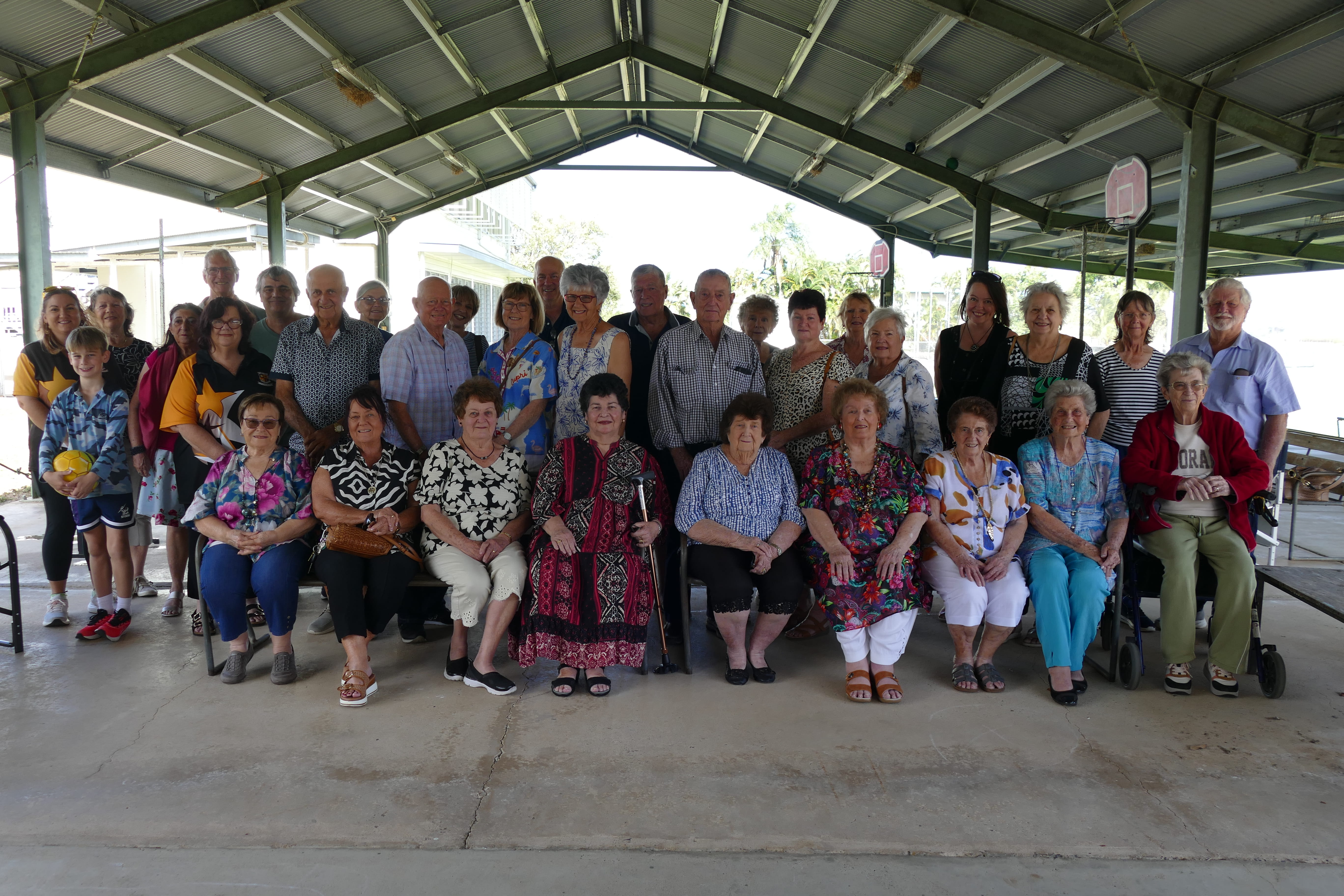
Many generations of former students, teachers, P&C members, canteen volunteers, friends and families gathered to reminisce about their time with Trebonne State School.
By Victoria Velton
A simple afternoon tea at Trebonne State School has brought generations of former students, teachers, P&C members, canteen volunteers and other familiar faces back through the school gates.
“Some of the ladies were talking at coffee one day and apparently they said they’d love to come along and all get together and reminisce about all the old things they used to do here,” Principal Anne Bower said.
The school opened its doors 120 years ago, and its history was on display throughout the afternoon, with old trophies and photo albums dating back to the 1940s, giving former students plenty to look through and talk about.
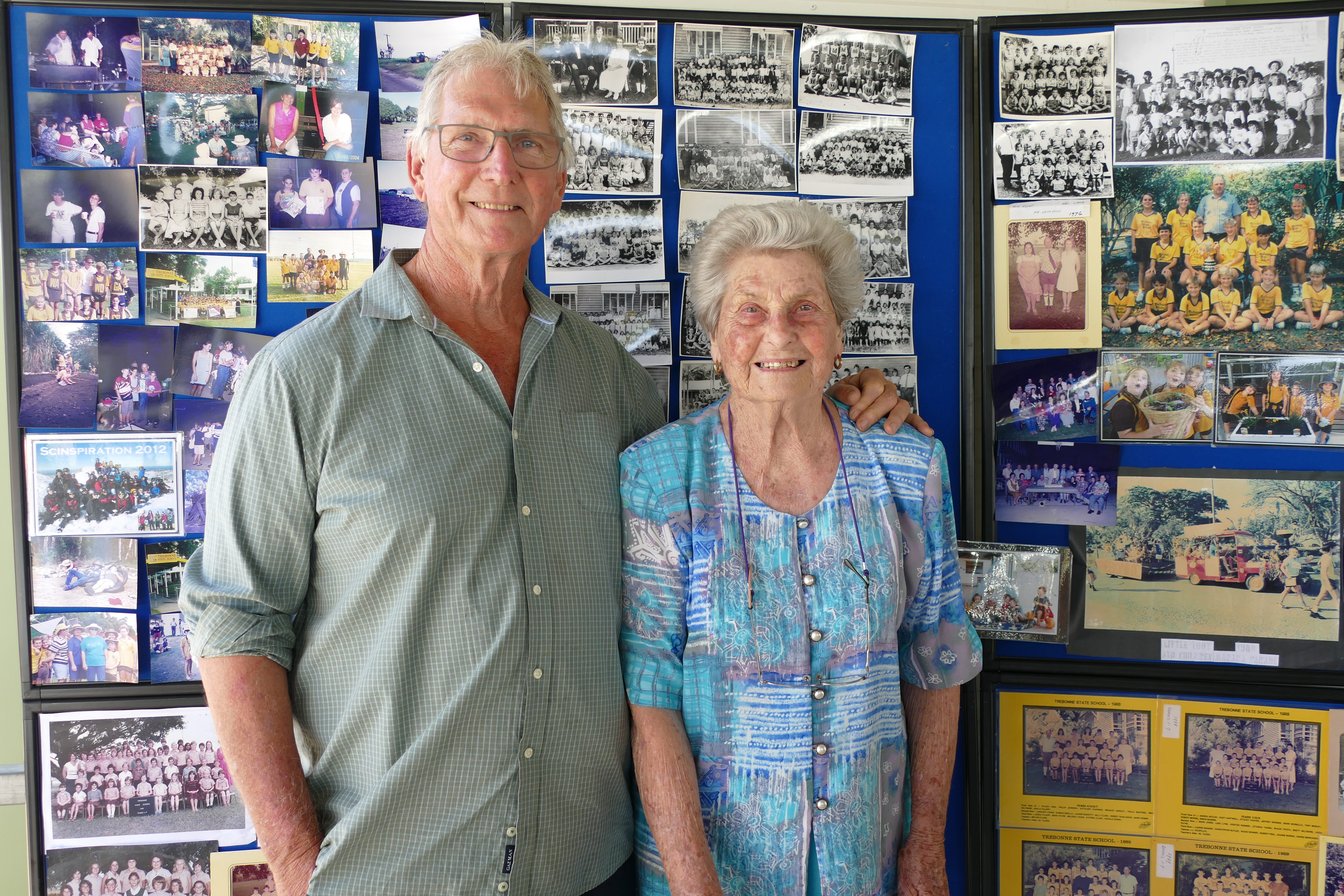
Merle Skinner was among those revisiting the school, having attended Trebonne State School as a young girl around 1940. Her son Wallis attended the school decades later, in the 1960s, giving the pair a chance to share memories from two different generations of the school’s history.
Merle remembered playing basketball and being part of a small class, with just five students in her grade.
Wallis recalled school parades, marching back into the classrooms to the sound of drums and the strong involvement of the P&C.
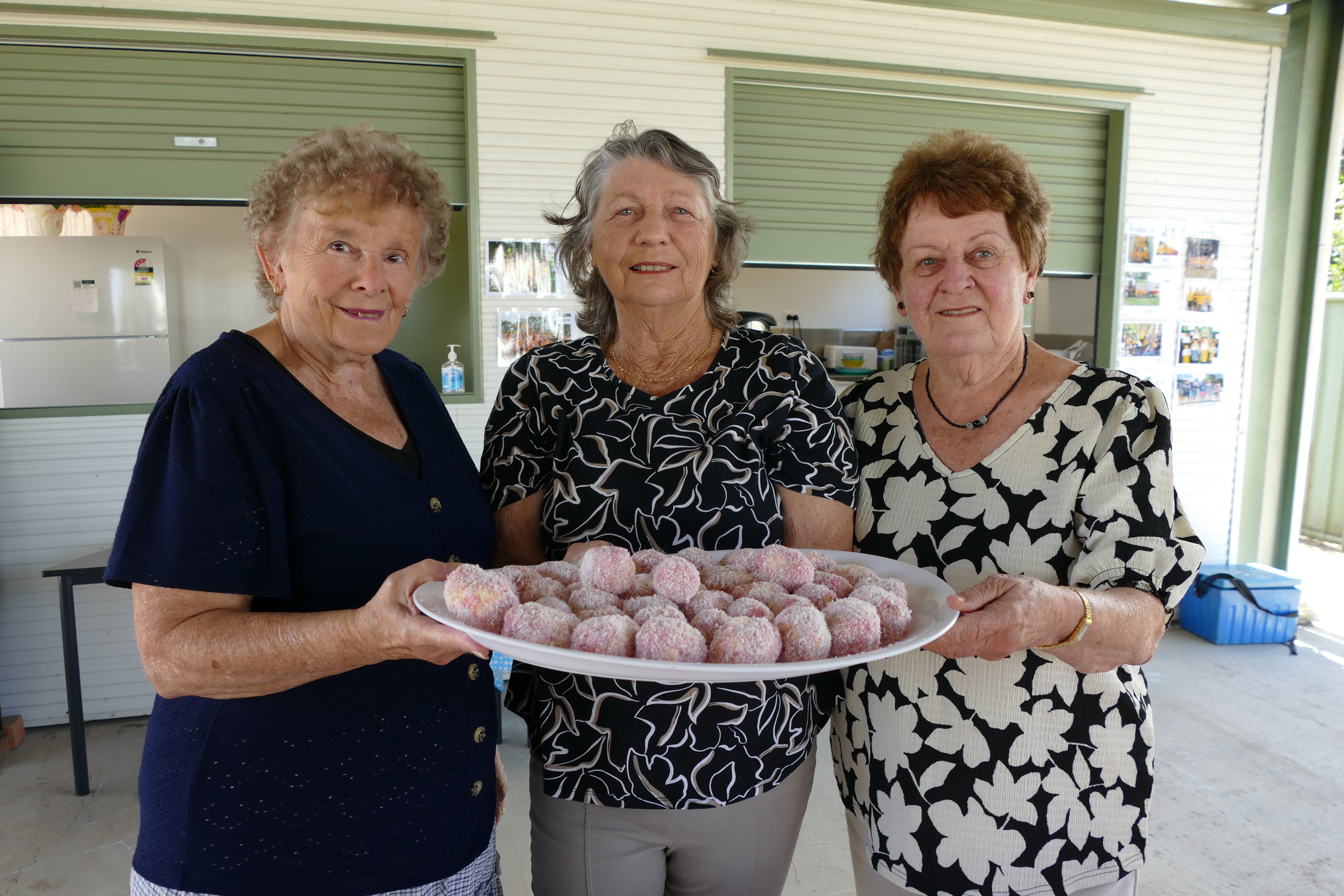
He said the P&C could attract 15 or 20 people to meetings, with parents heavily involved in fundraising, sporting activities, the tuck shop and maintaining the school.
The fundraising efforts included peach blossoms made by the ladies, which helped pay for the shelter where the canteen now stands.
“We raised money to buy the first computer,” Wallis laughed.
Former student Kate Russo attended Trebonne State School from 1979 and took such joy from the photos albums letting her travel back to school moments. Such as winning Maraka Parade with Little Toot the train and being in charge of the radishes of the school gardens.
“I think it was probably how community-minded it was because we used to have the gardens over there, and then we’d do the tomato relish,” Ms Russo said.
She also remembered the school’s traditional end-of-year water fights.
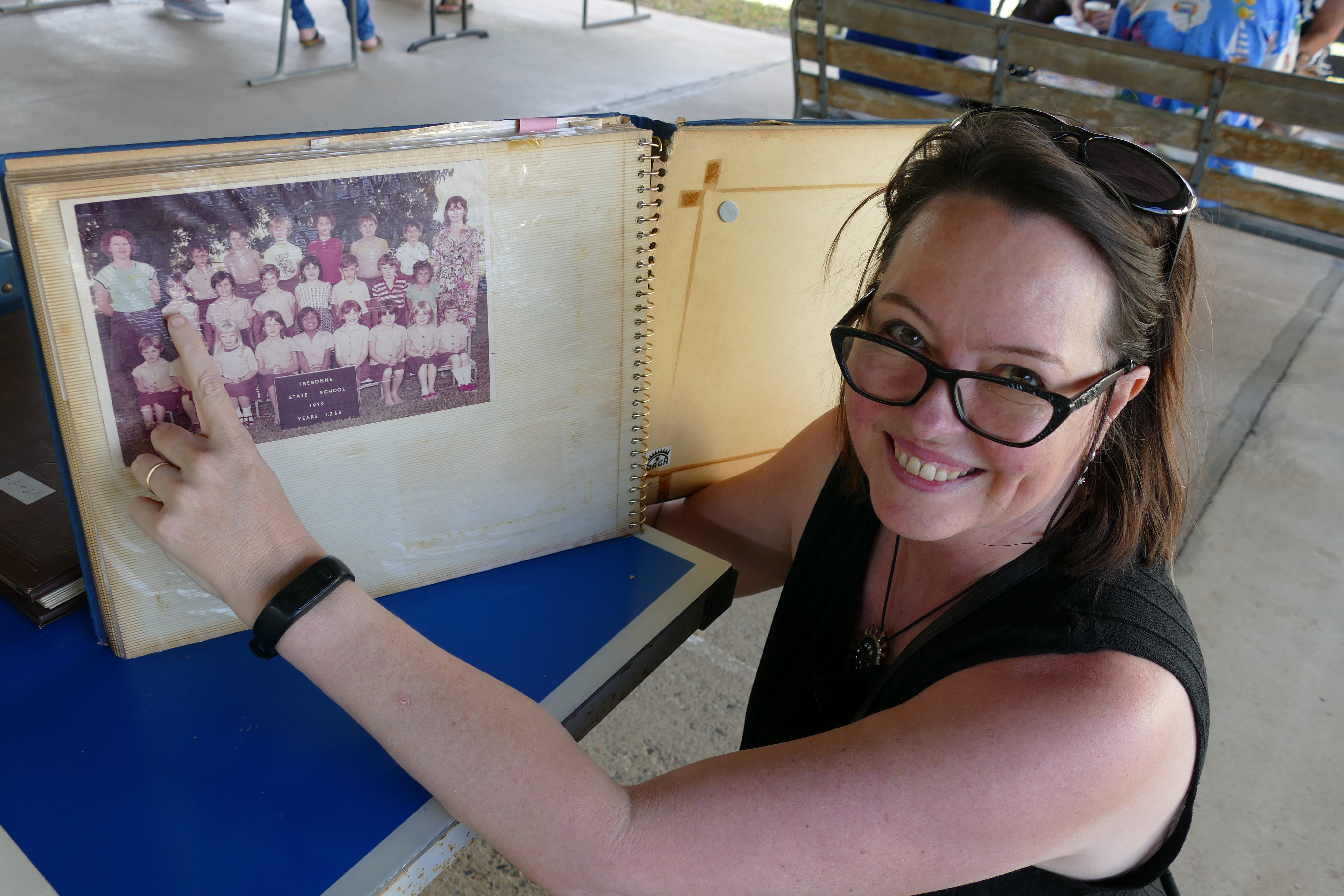
“Every last day of the school year, we’d always have a water fight. We’d fill up the water balloons, and it would be all the kids against the teachers,” she said.
“One of the farmers would bring a pile of watermelon around, and we’d just break up the school year by having watermelons. It was just very cool.”
Ms Bower said the gathering was also an opportunity to create something for future generations, with Bunnings donating tiles for a new memory wall featuring past students.
“I hope the tradition of the school continues for another 120 years,” Ms Bower said.
Female apprentices across the Hinchinbrook region are being encouraged to put their names forward for the 2027 Women in Manufacturing Apprentice Awards.
Do you know a local operator, trade school, or business with an amazing apprentice who absolutely deserves this outstanding recognition?
Well, the Queensland Government awards recognise outstanding female apprentices working across the state’s manufacturing sector, with two awards and a total prize pool of $15,000 on offer.
The Leading Apprentice Award winner will receive $10,000, while a Highly Commended Apprentice will receive $5000 to put towards professional development, training, education, tools or uniforms.
With Queensland Manufacturing Month kicking off on September 1st, local manufacturing businesses, trade operators and schools with female apprentices are being encouraged to consider nominating their standout apprentices.
The awards recognise women demonstrating leadership, initiative and strong communication skills, with opportunities spanning areas including advanced manufacturing, robotics and critical minerals processing.
Nominations are open until October 9th, 2026, with the winners to be announced at the Brisbane Women in Manufacturing Breakfast in March 2027, coinciding with International Women’s Day.
The 2026 Leading Apprentice Award was won by second-year automotive electrician Zahlee Wheeler, who said her apprenticeship had shaped who she was and encouraged other young women to consider careers in the industry.
“I am very passionate about lifting up other female apprentices in the manufacturing industry – there are so many opportunities for women to build rewarding careers, take on leadership roles and make a real impact in this industry,” Ms Wheeler said.
Local employers and schools can nominate an outstanding female apprentice through the Women in Manufacturing Apprentice Awards.
For more information and to nominate, visit www.nrmmrrd.qld.gov.au/manufacturing/women-in-manufacturing/apprentice-awards

The low tide saw many boaties beached up and stuck at the sandbars. Photos used with permission: Lucinda Coast guard QF-14
By Victoria Velton
Boaties using the Dungeness Point crossing are being urged to check the tides carefully after numerous boats found themselves stuck on the sandbar on August 11th and again on August 12th.
During a very low tide, a drone photographed the exit from Dungeness to the sea, showing blockages of the channel through the sandbar at the western ends of the two deeper sections. The photograph also showed 11 boats stuck on the sandbar after attempting to cross and return to the Dungeness ramp.

The Lucinda Coast Guard said many boats became stuck after attempting to push through, with expensive motor and propeller damage a potential consequence. Meanwhile, more sensible boaties anchored in the Swing Basin to await the incoming tide rather than risk getting caught on the shallow crossing.
The Coast Guard is reminding boaties heading out wide to pay close attention to the tide chart and plan their trips around having sufficient water under the keel.
“As a rule, there is half as much water on the bar to whatever the tide is at any moment,” the Coast Guard said.

The warning is particularly important for those unfamiliar with the crossing, as a high tide reading does not necessarily mean there will be the same depth of water over the bar.
The Lucinda Coast Guard urges all boaties to take the time to check conditions before heading out and ensure there is sufficient water beneath their hull to cross safely.
A little patience while waiting for the incoming tide could save an expensive repair bill and an unwanted wait on the sandbar.
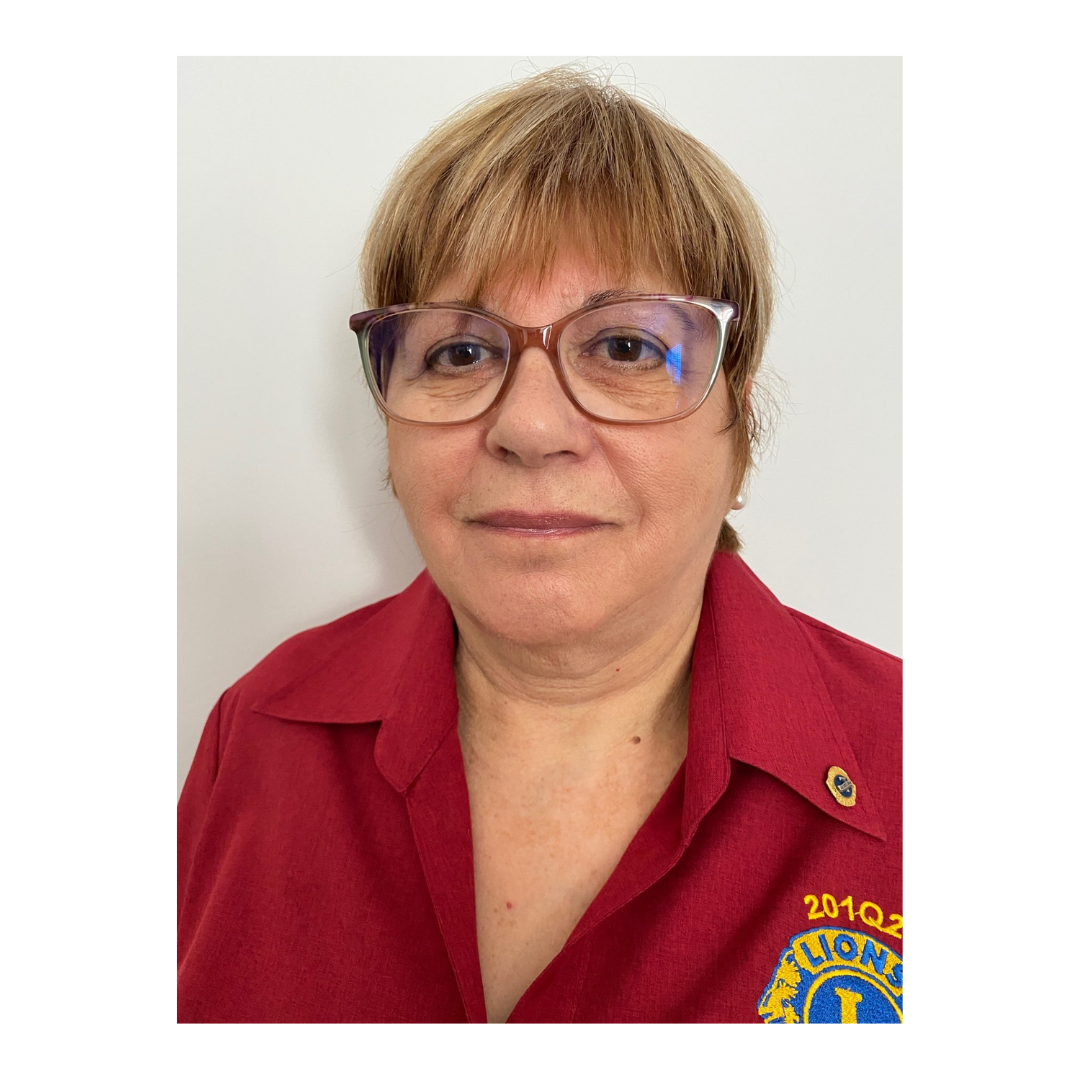
Elizabeth Phillips, President of the Ingham Lions Club for 2026-27. Photo supplied: Elizabeth Phillips
By Victoria Velton
After more than 15 years of serving her community through Ingham Lions, Elizabeth Phillips has stepped into the role of President for 2026-2027, describing the appointment as both a huge honour and a proud moment.
Elizabeth and her husband joined Ingham Lions in 2009, motivated by friends whose commitment to helping the community had made an impression on them. Her connection to Lions began even earlier, however, with Elizabeth having been involved with Leos, the youth-oriented branch of the organisation, during her early twenties.
“Becoming President of the Ingham Lions Club is a huge honour and a proud moment for me. It’s an achievement and an opportunity to support my fellow club members as we work to fulfil our Community Goals,” Elizabeth said.
Over the next 12 months, Elizabeth’s role will involve leading the club, presiding over meetings, coordinating projects and bringing members together to continue Lions’ presence across the Hinchinbrook community.
That work encompasses a wide range of local causes, with the club currently assisting Council with funding towards a cover for a barbecue in Rotary Park. Over the years, Ingham Lions has also collaborated with Apex to replace a 14-seater bus for the Hinchinbrook Community Support Centre, while supporting Meals on Wheels, the Hurley Bus, Coast Guard and the School Breakfast Program.
The club has also contributed to local initiatives such as the CCIA bike ride and supported causes including Childhood Cancer, Mental Health and the Lions Clubs International Foundation.
For Elizabeth, the importance of Lions is particularly evident when the community faces challenging times.
“The Lions Club contribution is crucial as we serve often as first responders during emergencies, such as floods or cyclones,” she said.
While her goal is to continue the excellent work established by previous presidents, Elizabeth’s year will also feature a major event, with Ingham Lions hosting the 201Q2 District Convention from November 13-15.
The three-day convention will bring Lions members from across the district to Ingham, with a bus tour of the Hinchinbrook area planned as part of the itinerary. It will also be a special occasion for the local club, with Ingham Lions member Ed Morris taking on the role of District Governor.
As Elizabeth looks to the future, however, she recognises that attracting new members remains an important challenge.
“Membership… like many non-profit organisations of today, we find it increasingly difficult to engage and recruit the younger generation,” she said.
For anyone who has considered joining but is unsure whether Lions is for them, Elizabeth has an enthusiastic invitation.
“Take a Leap! The rewards of serving your community and building lasting friendships are immeasurable,” she said.
“If it’s something you think you might be interested in doing, it’s as simple as contacting me or any other member at inghamlionsclub@gmail.com”
Elizabeth would ultimately like to see the wider Hinchinbrook community get behind Lions in whatever way they can, whether that means volunteering, attending an event, donating or simply learning more about the club.
“I would love to see Hinchinbrook community supporting one, two or all of the above. It can make a significant impact on our collective efforts,” she said.
After years of service, Elizabeth is looking forward to leading the club into its next chapter, while remaining grateful for the support that has allowed Lions to continue making a difference locally.
“I’d like to thank the Hinchinbrook Community for all their past support and I look forward to a successful year ahead,” she said.
And, fittingly, she returns to the words that have guided the organisation for generations: “We Serve.”
The Halifax Hotel is turning up the cool factor as the weather warms, with a new range of boozy slushies already proving a popular addition to the pub’s drinks menu.
The icy-cold creations are designed to be refreshing with a little something extra, with three flavours currently available.
The Lemon Drop combines sweet and sour for a refreshing hit, while the Fiery Ginger brings that cheeky kick. For those seeking a caffeine fix, the Mochatini offers creamy chocolate and coffee flavours.
The slushies are best enjoyed whilst the sun out- and luckily for us, that’s most of the time.
The new drinks are part of the hotel’s ongoing efforts to welcome locals and visitors while a major restoration project continues behind the scenes.
Plans for the next stage of the refurbishment have now been finalised, with restoration works set to begin.
The owners said they had not anticipated the restoration taking quite so long to complete - but additional time has been worth spending.
The decision to meticulously rebuild and preserve the heritage of the historic hotel means the building’s original character will be retained while incorporating modern design and upgraded facilities.
In the meantime, the Halifax Hotel is open and welcoming customers, with beers on tap, an expanded drinks range, locally made North Queensland products and live NRL on the big screen.
And with the new boozy slushies already making a splash, there is now another reason to drop in, grab a cold drink and enjoy a taste of what the revitalised Halifax Hotel has to offer.
Be it a drop of a Lemon Drop, a sip of Fiery Ginger, or a Mochatini or two, the new slushie range looks set to be a cool addition to the Halifax summer.

On The HUB’s Cafe Crawl, a coffee is more than a simple pleasure - it is an opportunity to connect with others, discover local businesses and engage with the Hinchinbrook community.
Held from 9am to 12pm every Tuesday, the Cafe Crawl invites locals to come together at a selected cafe, providing a chance to explore some of the region’s popular spots while enjoying good conversation.
Its primary aim, though, is to provide a welcoming social activity for anyone looking to get out of the house and spend some time with others. Whether participants come along with friends or arrive on their own, the morning is centred around conversation and connection.
The HUB encourages anyone interested in joining to RSVP ahead of time. To register your interest, contact The HUB at 07 4776 1822.

Boneless and rindless pork belly rolled in a sweet hickory and maple seasoning. Perfect in the smoker, BBQ, oven or air-fryer. Photo credit: Halifax Meats
There is plenty to tempt the tastebuds at Halifax Meats, with the local butcher offering up some familiar favourites alongside a few options you might not expect to find behind the counter.
One of the more eye-catching offerings is the shop’s meat lollipops - a fun BBQ favourite that has become a talking point for customers looking for something a little different.
A recommendation from the butcher is the boneless and rindless pork belly rolled in a sweet hickory and maple seasoning, which can be cooked to perfection in the smoker, BBQ, oven or air-fryer (pictured) for an easy and delicious dinner.
Those wanting to venture further outside the ordinary can look to gamier venison, a recent addition to the range that has received enthusiastic feedback.
Venison offers a rich flavour and lean texture, so can be prepared in many of the same ways as beef or lamb, including as steaks, roasts, sausages, burgers or in slow-cooked dishes, depending on the cuts available.
Never cooked venison before? Just the butcher and they’ll provide tips on preparation and cooking.
Contact Halifax Meats or keep an eye on the business’s Facebook page for updates on availability.

Let’s talk Grants in Hinchinbrook
There are a number of grants available across Hinchinbrook Shire, including Council’s Community Grants and the Regional Arts Development Fund (RADF), along with other funding opportunities. Today, I want to highlight these two programs because they can help turn great local ideas into reality.
What’s your big idea?
Hinchinbrook Shire Council’s 2026–2027 Community Grants Program is now open, with applications accepted until 16 June 2027.
Have you ever thought, “What if we did that here in Hinchinbrook?” This is your opportunity to explore that idea and see how funding could help make it happen.
During the 2025–2026 financial year, Council invested $115,600 through its Community Activity Grant stream, supporting local groups, clubs and individuals. In total, 37 community events were supported, helping bring people together through shared experiences, celebration and connection.
Whether it’s a youth project, a community event, an initiative bringing people together or something that supports our local economy, your idea could make a real difference.
And you don’t have to be a professional grant writer. Free assistance is available through the Hinchinbrook Community Support Centre on (07) 4776 1822.
The other grant I want to mention is RADF – Regional Arts Development Fund. RADF is a long-term partnership between the Queensland Government and local governments, supporting arts and cultural projects across regional communities.
A fantastic local example is Hinchinbrook Lane, which was very recently transformed through RADF funding. It’s a wonderful example of how an idea, creativity and the right funding can create something special for everyone to enjoy.
So, if you have an idea that could benefit our community, don’t be afraid to ask. Council’s friendly staff are here to help you understand what funding may be available and how to apply. Call Council on (07) 4776 4600. Sometimes one good idea is all it takes to make a difference.
Flood levels in Ingham peaked at 14.93 metres on 3rd February 2025, just shy of the town's historic 1967 flood record.
The Herbert River rose an extraordinary seven metres in just 24 hours, driven by intense rainfall and unprecedented inflows from the Stone River after 1,467mm of rain fell across the Paluma Range.
In the middle of it all sat the Hinchinbrook Shire Library.
Surrounded by floodwater and effectively transformed into an island, the library endured rain damage to its roof, a significant mould outbreak and 17 weeks of flood-related closures.
While the building remained closed, library staff pivoted quickly to digital services, helping residents access ebooks, audiobooks, magazines and online resources from home. What started as a disaster response became a catalyst for lasting change.
Hinchinbrook Local Recovery Group Chair Cr Mary Brown said the library's recovery reflected the resilience of the wider community.
"The February 2025 floods tested our community in ways we never imagined, but what we've seen since is a remarkable recovery story," Cr Brown said.
"The library was heavily impacted, yet staff adapted quickly to ensure residents could continue accessing services and resources when they needed them most."
More than a year later, the results tell a remarkable story.
Digital collection use has not only been maintained but has continued to grow. Usage increased from 971 digital loans and accesses in June 2025 to 1,429 in July 2026, representing growth of more than 47 per cent and comfortably surpassing the original 29 per cent increase recorded during the recovery period.
When the doors reopened in June 2025, the community came back in force.
Collection transactions surged from 5,970 in June 2025 to 14,611 by August 2025, an increase of almost 145 per cent. Visitor numbers climbed from 2,550 to 3,588, while new memberships jumped 48.7 per cent, with nearly 300 new members joining during 2025-26.
The library's programs have flourished too. Regular events increased by more than 50 per cent, while attendance at everyday programming grew by around 70 per cent, creating more opportunities for learning, connection and community participation.
Community Portfolio Councillor Donna Marbelli said the figures demonstrated the evolving role libraries play in regional communities.
"Libraries today are so much more than shelves of books. They're places where people learn, connect, access technology, develop new skills and feel part of their community," Cr Marbelli said.
"To see membership grow, visitation increase and digital services continue to thrive after such a challenging period is a credit to our library team and the community that embraced these services throughout the recovery."
Cr Brown said the library's success was a reminder that recovery extended beyond infrastructure.
"These results show that recovery is about much more than repairing buildings. It's about restoring connections, supporting wellbeing and ensuring our community remains resilient," she said.
"Our library has done exactly that and has come back stronger than ever."
North Queensland growers could soon have new tools in the fight against weeds, with a Queensland Government project investigating alternatives to traditional chemical control.
The three-year project will test emerging physical weed-control technologies, including laser, electrical and mechanical systems, with a focus on finding methods that can work under Australian growing conditions.
Led by the Department of Primary Industries in partnership with Hort Innovation, the project will focus on onion and vegetable production and aims to help growers adopt technologies suited to their individual crops, conditions and landscapes.
For growers, the research comes as weed management becomes increasingly challenging, with rising costs, labour shortages, herbicide resistance and fewer available chemical control options creating pressure across the agricultural sector.
The project, known as the Validation of Physical Weed Technologies in Australia (Onion and Vegetable), is funded by Hort Innovation through industry levies.
Researchers will work with Australian and international partners, including Californian AgTech stakeholders, the Western Growers Association, Reservoir Farms and Cornell University.
While the technology being investigated may sound futuristic, the goal is practical: identifying equipment and techniques that can be tested in Australian conditions before being considered for use by growers.
For North Queensland producers, the potential benefits could include reduced reliance on herbicides and chemicals, as well as new options for managing weeds where labour and chemical availability are ongoing concerns.
Weed control is a significant consideration for agricultural businesses, with weeds competing with crops for water, nutrients and growing space while also increasing production costs.
The project is part of Queensland’s broader push towards greater adoption of agricultural technology and innovation.
Whether laser-based systems, electrical methods or mechanical equipment ultimately prove suitable for local conditions remains to be seen, but the research could provide growers with a broader range of options in the future.
The project will run for three years, with findings intended to help bridge the gap between emerging weed-control technology and practical use on Australian farms.

Cassowary Coast fishers are encouraged to contribute to Fisheries Queensland’s spotted mackerel monitoring program at Kurrimine Beach during its final month of sampling. Photo source: Queensland Fisheries
Cassowary Coast fishers are being encouraged to contribute to important fisheries research as a seasonal monitoring program at Kurrimine Beach enters its final month.
Fisheries Queensland’s North Queensland Fishery Monitoring team has been collecting biological data on spotted mackerel and other key recreational species in the Kurrimine Beach area since July, with sampling continuing during September.
As part of the program, monitoring staff are measuring recreational catches at the Kurrimine Beach boat ramp to gather information used to assess fish stocks and support the sustainable management of Queensland fisheries.
Local anglers can play their part by allowing Fisheries Queensland scientists to measure their catch or by donating fish frames after cleaning their fish.
Two convenient freezer drop-off points have been established locally, with fish skeletons able to be donated at the King Reef Hotel and BIG4 Kurrimine Beach Holiday Park. The donated frames provide researchers with valuable biological information while allowing fishers to make use of the remainder of their catch as usual.
Those who cannot access the local drop-off points can also contribute information about their catches through the Queensland Fishing 2.0 app.
With September marking the final month of the Kurrimine Beach sampling period, local fishers heading out in search of spotted mackerel are encouraged to keep an eye out for the monitoring team at the boat ramp and get involved in the research.
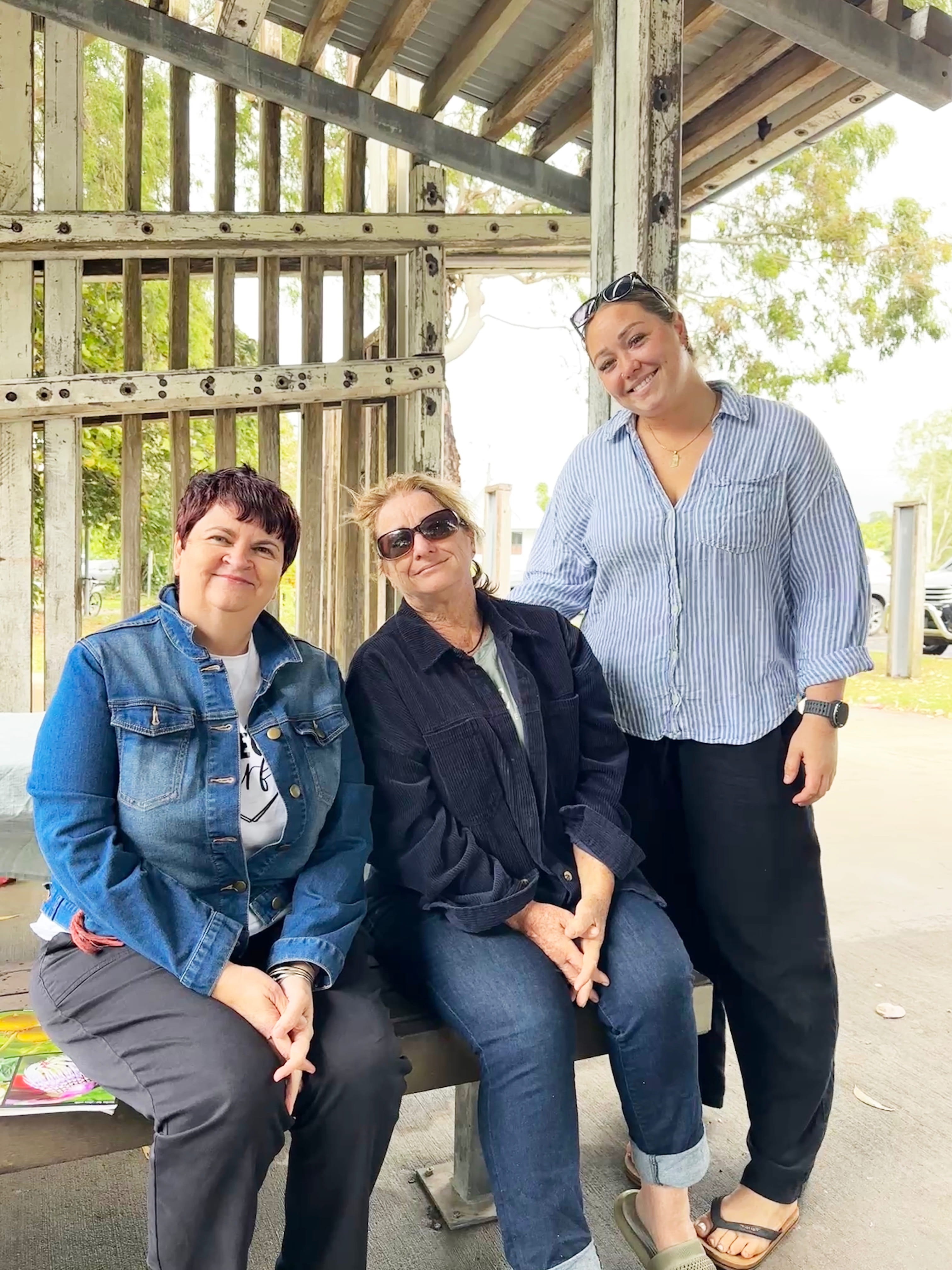
Jo threlfall, Sandy & Alix Kastndr. Photo Credit: Sian Bantock
By Sian Bantock
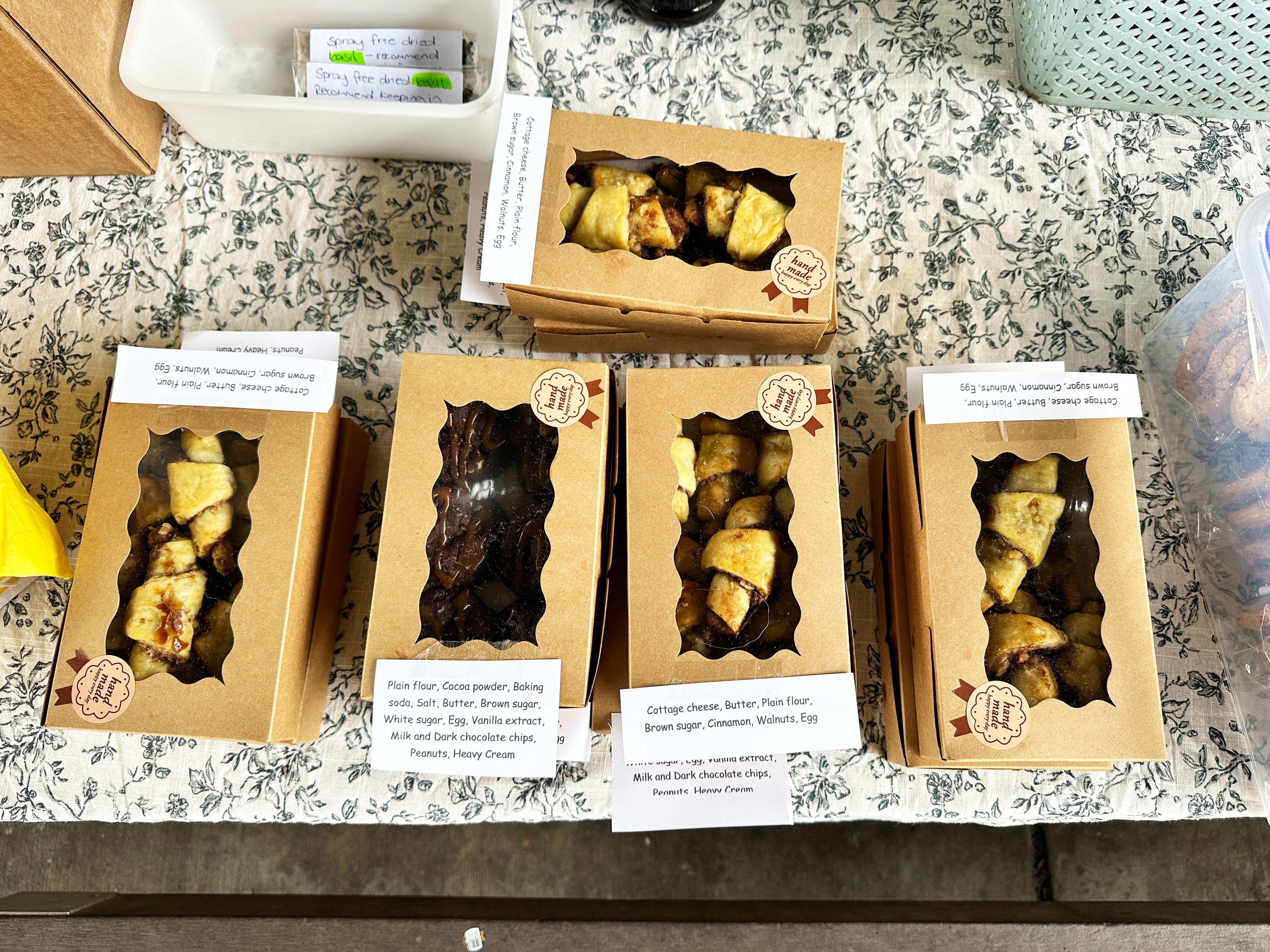
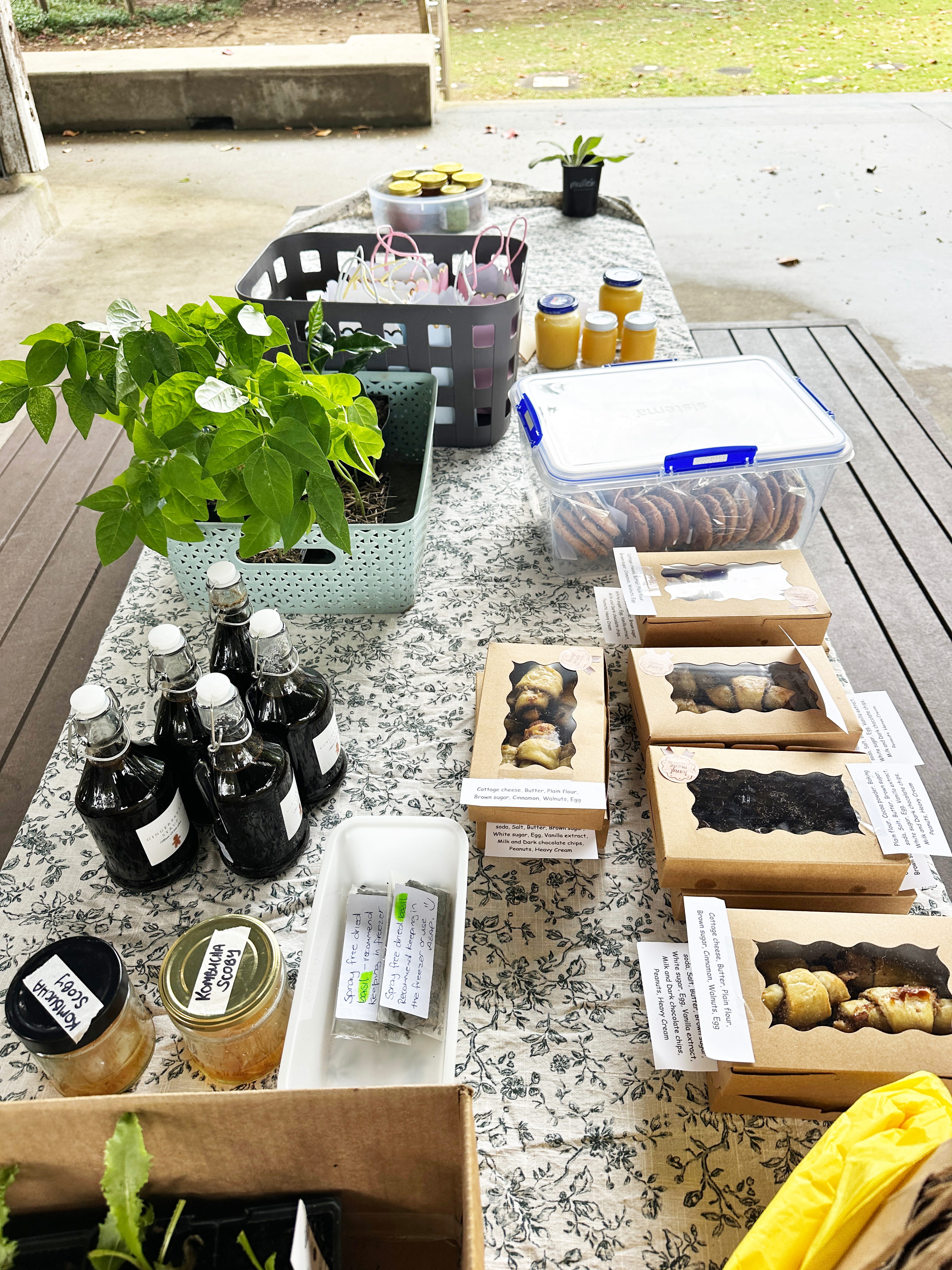
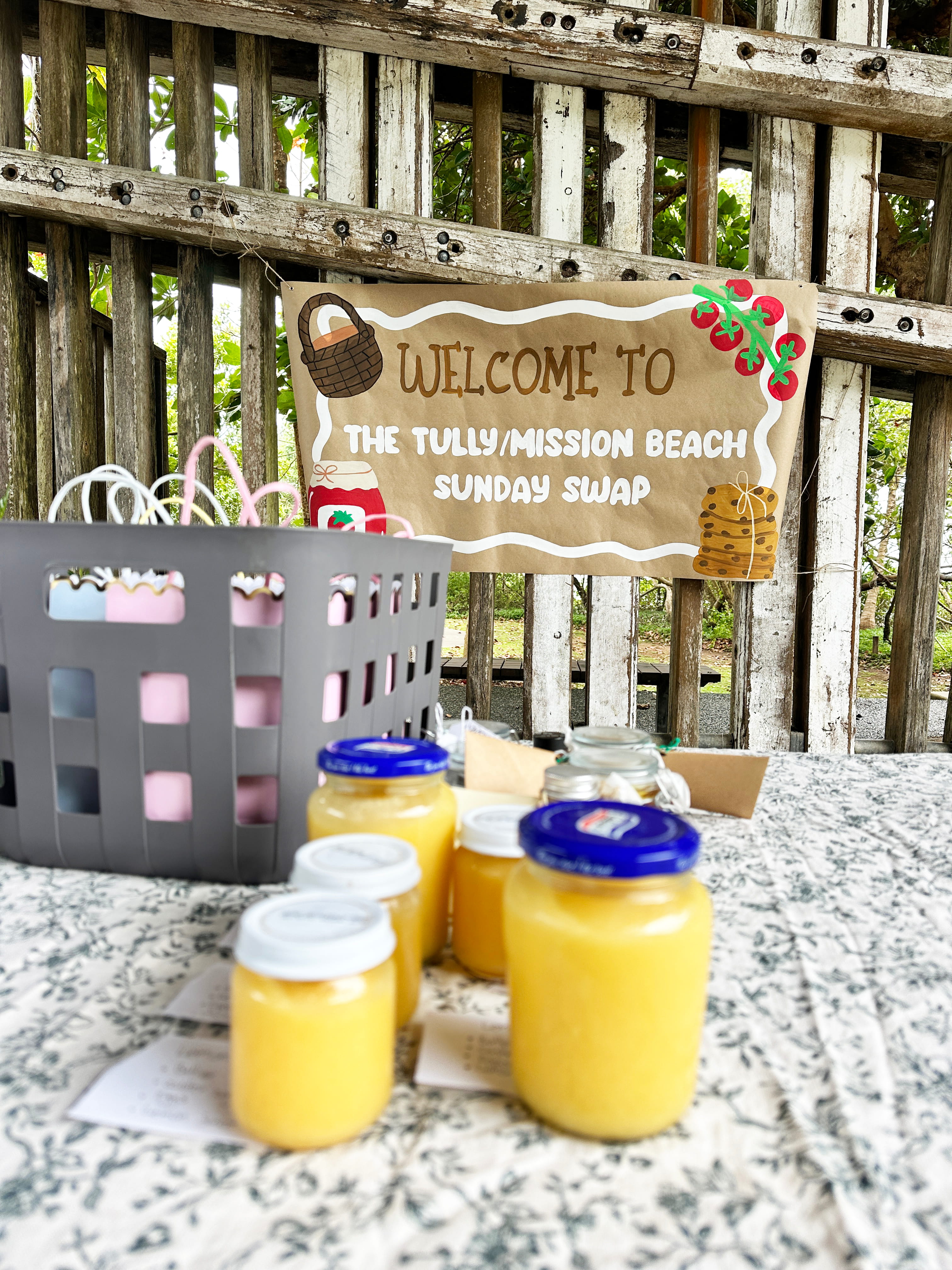
Wongaling Beach hosted the second Homemakers Swap on Sunday 30th August, and despite strong winds and intermittent drizzle, locals turned up in impressive numbers.
The swap was created as a way for locals to connect and showcase home-grown skills, following a simple format: each participant brings five handmade items and leaves with five different creations

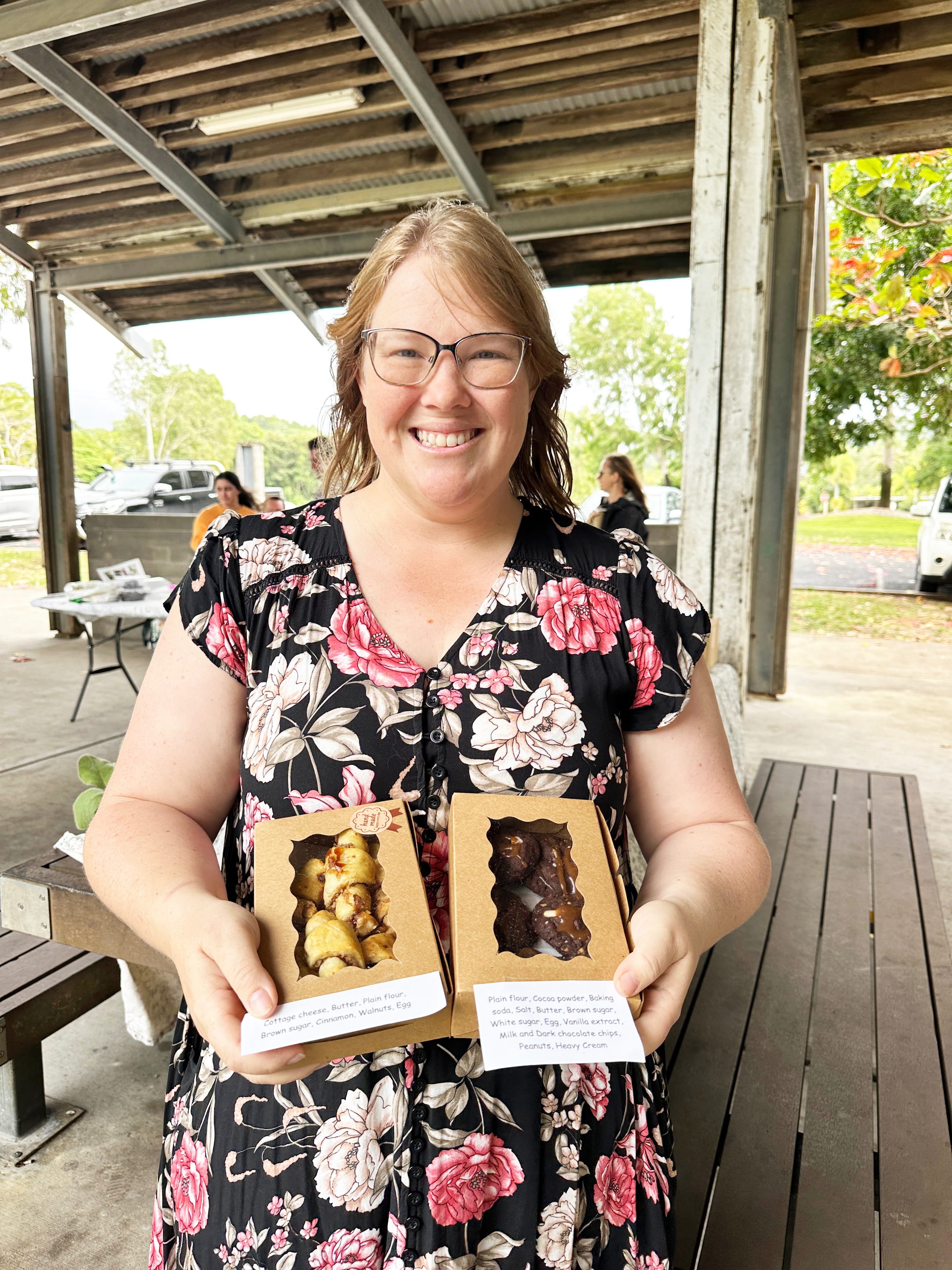
This month’s tables were packed with baked goods and pantry stables - cookies, butter, kombucha and flavoured syrups - alongside plants, dried spices and candles.
For updates on future Homemakers Swap, follow them on Facebook or Instagram pages.
Upcoming Events:
4th October - Tully
25th October - Bingil Bay
Women undertaking manufacturing apprenticeships across the Cassowary Coast are being encouraged to put themselves forward for statewide recognition, with nominations now open for the 2027 Women in Manufacturing Apprentice Awards.
The Queensland Government awards recognise female apprentices demonstrating leadership, initiative and strong communication while building careers within the state’s manufacturing sector.
Two awards will share a $15,000 prize pool, with the Leading Apprentice Award winner receiving $10,000 and the Highly Commended Apprentice Award recipient receiving $5,000.
Prize money can be used to support professional development, training, education, tools or uniforms.
Minister for Manufacturing Dale Last said apprentices were playing an important role in developing Queensland’s future skilled workforce.
“The future of Queensland manufacturing is being built by apprentices today,” Mr Last said.
“These awards recognise the talented women already building careers in manufacturing and show the next generation that there is a place for them in Queensland’s manufacturing future.
“Whether it’s advanced manufacturing, robotics or critical minerals processing, we want more women seizing the opportunities being created as Queensland manufacturing grows.”
Last year’s Leading Apprentice Award recipient, second-year automotive electrician Zahlee Wheeler from Allweld Manufacturing, encouraged other women to back themselves.
“There are so many opportunities for women to build rewarding careers, take on leadership roles and make a real impact in this industry,” Ms Wheeler said.
“If you’re thinking of applying – I’d say back yourself, embrace the opportunity and be proud of what you have achieved.”
Nominations close on 9th October 2026, with winners to be announced at the Brisbane Women in Manufacturing Breakfast in March 2027, coinciding with International Women’s Day.
The awards come as Queensland Manufacturing Month begins on 1st September.
Publishers Indemnity. Any individual or entity that places advertising, supplies copy material, or submits editorial content to Life Publishing agrees and undertakes to ensure that all such material:- Does not infringe upon any copyright, trademark, or other intellectual property rights;- Is free from any content that could be considered defamatory, libelous, or slanderous;- Does not infringe upon any rights related to privacy or breach of confidence;- Contains no obscene, indecent, or otherwise unlawful material;- Complies fully with the Trade Practices Act and all other applicable laws, regulations, or statutes. Furthermore, by submitting or placing such material, these individuals or entities agree to indemnify and hold harmless the publisher, Life Publishing and Events Pty Ltd, and/or its agents from and against any and all investigations, claims, demands, liabilities, damages, costs, or judgments arising out of or in connection with the material provided. All material is believed to be accurate at the time of printing and remains the copyright of Life Publishing and Events Pty Ltd.
© 2026 Life Publishing Group Ltd.
